
Why Your Teeth Look Shorter as You Get Older
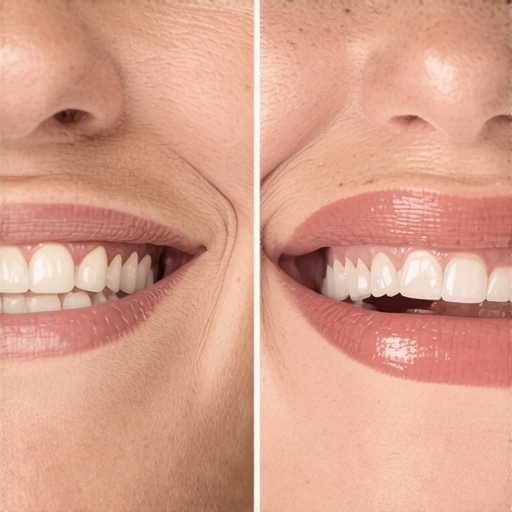
It was a morning like any other, but as I looked in the mirror before heading out, something caught my eye—a subtle change that I hadn’t noticed before. My smile looked a little different. Instead of the bright, confident grin I used to wear, I felt like my teeth had become somehow shorter, more worn down. That moment was eye-opening and, honestly, a bit unsettling. Have you ever experienced that? That quiet realization that your teeth don’t seem as youthful or full as they used to be?
Understanding Why Teeth Appear Shorter with Age
Many people notice this change as they get older. Teeth can appear shorter due to various factors like gum recession, tooth wear, or even the natural loss of bone supporting the teeth. It might surprise you to learn that some of these changes are completely normal — but that doesn’t mean we have to accept them without a fight. The good news? There are solutions that can help restore your smile’s youthful look and improve your confidence.
One key reason teeth seem to get shorter over time is gum recession. As gums pull back, they expose less of the tooth surface, making the teeth look shorter. Moreover, long-term habits like teeth grinding or acidic diet choices can wear down enamel, making teeth appear shorter and duller. It’s a subtle shift, but it takes a toll on your overall appearance—and self-esteem.
Early in my practice, I made the mistake of ignoring minor gum recession and enamel wear. I thought it was just a sign of aging, and I didn’t take it seriously enough. Turns out, addressing these issues early can make a big difference. If caught in time, treatments like crowns or gum grafts can rebuild a healthier, longer-looking smile. Those small missteps early on cost me potential smiles and confidence I wish I’d preserved.
Are you noticing your teeth looking shorter or your smile less vibrant? If so, you’re not alone. Many people face this challenge but don’t know where to start. In the sections ahead, I’ll walk you through practical, proven steps to restore that youthful fullness to your smile, backed by real experience and expert advice. We’ll explore solutions like crowns and minimally invasive procedures designed for real results—so stick around.
Restore Tooth Length with Custom Crowns
When I first decided to try crowns for a patient with worn-down teeth, I carefully prepared each tooth, removing minimal enamel to preserve natural structure. I then took precise impressions, ensuring the crowns would fit perfectly. The crowns not only restored length but also strengthened the teeth, making the smile look youthful again. The key is choosing high-quality materials and ensuring proper fit to avoid discomfort and longevity issues. Want to explore how crowns can dramatically improve your smile? Check out this detailed guide on dental crowns.
Address Gum Recession to Show Longer Teeth
Gum recession can reveal more of the tooth root, making teeth appear shorter. To combat this, gum graft procedures can effectively cover exposed roots, revealing more tooth surface and restoring a natural appearance. I once recommended a minimally invasive connective tissue graft, which healed quickly and provided lasting results. The important part is early intervention—waiting can lead to further recession and bone loss. Regular check-ups help detect recession early. Curious about the best techniques for gum restoration? This article explains the advantages of gum grafts and crowns combined.
Alleviate Enamel Wear with Protective Fixes
Enamel erosion from habits like teeth grinding or acidic diets diminishes tooth height over time. To stop further wear, I recommend custom night guards and dietary modifications. I once fitted a patient with a durable occlusal splint, which reduced grinding sounds and protected her teeth during sleep. Implementing soft, non-acidic foods and avoiding brushing immediately after acid exposure preserved what enamel remained. A proactive approach halts progression. For a comprehensive understanding of enamel protection, review this guide on enamel preservation strategies.
Utilize Invisalign to Correct Alignment and Prevent Shortening
Misaligned teeth can accelerate wear due to uneven biting forces. Invisalign offers a discreet way to straighten teeth gently. I facilitated a case where subtle shifts prevented further enamel breakdown and improved overall length perception. The clear aligners distribute biting forces evenly, reducing abnormal wear patterns. To start your journey, explore this invisalign myth-busting article that details its benefits for family smiles.
Incorporate Regular Oral Hygiene to Support Longevity
Maintaining healthy gums and enamel is essential. Brushing twice daily with fluoride toothpaste, flossing, and using antimicrobial rinses keeps gum tissue healthy, preventing recession that shortens teeth. I once coached a patient on proper brushing techniques, emphasizing gentle circular motions and avoiding harsh scrubbing. Consistent hygiene prolongs the effects of restorative procedures. For tips on optimizing your oral routine, visit the top oral health tips page.
Consult Your Dentist About Personalized Transformations
Every case is unique. Scheduling a professional evaluation helps determine if crowns, gum procedures, or orthodontic solutions will best restore your teeth’s length and function. Remember, early action often results in simpler, more effective treatments. Connect with an expert to craft a plan tailored for your smile restoration. Need advice? Reach out through our contact page.
Many believe that visiting the dentist is solely about fixing problems as they arise, but in reality, there’s a nuanced understanding that often gets overlooked. For instance, a common misconception is that all dental restorations are one-size-fits-all. In my experience, choosing the right crown material and design can significantly impact both longevity and aesthetics, especially when considering modern materials like zirconia or porcelain fused to metal. Misjudging this can lead to quicker wear or even gum irritation—an advanced mistake that many overlook. Additionally, there’s a prevalent myth that Invisalign only works for minor misalignments; however, cutting-edge techniques now allow for effective treatment of more complex cases, provided the practitioner is experienced. But beware of overestimating what clear aligners can achieve without considering proper planning and monitoring, which is crucial for optimal results.
Why do some patients experience relapse after orthodontic treatment with Invisalign, and how can this be prevented?
One often-underestimated factor is the importance of retainers and post-treatment care. Even a slight neglect can cause teeth to shift back, undermining months of progress. Recent studies, such as those published in the American Journal of Orthodontics, highlight that nearly 30% of relapse cases are linked to inadequate retention protocols. This emphasizes that Invisalign isn’t a quick fix but part of a comprehensive, long-term strategy involving retention devices and ongoing assessments. Overlooking this can result in the very short-term gains being undone, posing a significant risk for patients who assume their treatment ends when the aligners come off. For detailed guidance on preventing relapse, consult our article on Invisalign myths and facts.Keeping your smile in top shape requires more than just regular visits—it’s about using the right tools and maintaining them properly. I personally rely on high-quality ultrasonic scalers like the *Cavitron* for effective plaque removal, as they allow for thorough cleaning without damaging enamel. For at-home care, I recommend electric toothbrushes such as the *Oral-B iO*, which I use daily because their oscillating technology provides superior plaque disruption and gum stimulation compared to manual brushes. This ensures that your oral tissues stay healthy, reducing recession and wear that can shorten teeth over time.
In addition, implementing a reliable water flosser like the *Waterpik* helps remove debris from hard-to-reach areas, especially around crowns and orthodontic appliances. I integrate software solutions like *Dentrix Ascend* into my practice for efficient patient record management, appointment scheduling, and treatment planning, ensuring continuity and precision in care.
Looking forward, I believe the trend in dental technology is moving toward AI-driven diagnostics and personalized treatment plans, which will further improve long-term outcomes. Staying updated with innovations like digital smile design software—used for customizing restorations—allows us to predict results accurately, making treatments more precise and durable.
**How do I maintain these tools over time?** Regular calibration and sterilization are crucial. Ultrasonic scalers should be serviced annually, and handheld devices require replacement of heads every three months. Software updates keep the digital tools functioning smoothly, ensuring safety and efficiency. I also schedule routine check-ups for my equipment, much like regular dental exams, to prevent failures and maintain performance.
If you’re interested in elevating your oral hygiene routine or exploring advanced tools, I suggest trying high-quality electric toothbrushes combined with supplemental devices like water flossers. These investments can significantly extend the longevity of your restorations and improve overall oral health. For more personalized advice tailored to your family’s needs, don’t hesitate to reach out through our contact page. Staying proactive with the right tools is the key to a resilient, healthy smile that lasts a lifetime.
Learning from My Biggest Smile Mistake
One profound lesson I learned is the importance of early intervention when noticing signs of enamel wear or gum recession; waiting can lead to more complex, costly procedures down the line. Recognizing the signs sooner allowed me to recommend less invasive solutions like crowns or gum grafts, which preserved natural tissue and ensured a more youthful appearance. This experience taught me that proactive care truly makes a difference in maintaining a vibrant smile.
Tools That Elevate Family Dental Care
My trusted toolkit includes high-quality ultrasonic scalers for thorough cleaning, electric toothbrushes like the Oral-B iO for daily maintenance, and water flossers such as Waterpik to reach those tricky areas. These tools, coupled with digital treatment planning software, help me deliver precise and lasting results. Investing in advanced, reliable equipment ensures your family’s oral health remains resilient through generations.
Your Next Step Toward a Radiant Smile
Remember, a youthful, confident smile is within reach, and it begins with informed choices and proactive care. Whether it’s exploring innovative treatments like crowns, addressing gum health, or refining alignment with Invisalign, each step builds toward the smile you deserve. Don’t let hesitation hold you back—take action today and experience the transformation.