
Why your dental crown feels high only when you wake up

Ever since I got my dental crown, I’ve noticed something strange: every morning, my bite feels off. It’s like my tooth has suddenly become taller overnight, making me grimace and wonder, “Did I somehow mess up the placement?” That lightbulb moment—the realization that my crown felt high only after waking—plunged me into a world of questions. You’re not alone if this has happened to you. Many folks experience this peculiar sensation and feel frustrated, wondering if there’s something wrong with their dental work or if it’s just in their head.
Why Your Dental Crown Seems Taller in the Morning and What You Can Do About It
Here’s the deal: our jaws and teeth are constantly moving, even during sleep. When you wake up, your muscles are relaxed, and sometimes, this shift causes the height difference in your bite to become more noticeable. Additionally, teeth tend to shift slightly during the night—a phenomenon supported by research indicating that muscle relaxation during sleep allows minor positional changes in teeth and jaws (source: American Dental Association).
I’ve been there—waking up and feeling like my crown had suddenly risen. Initially, I thought I had done something wrong. Turns out, it’s often a matter of the muscles and nighttime grinding, or bruxism, which applies pressure unevenly, influencing how your bite feels in the morning. Understanding this helped me relax because I realized it’s usually temporary and can be addressed with simple adjustments or habits.
But what about those days when the high feeling persists? That’s when consulting with your dentist becomes essential. Sometimes, a quick bite adjustment or grinding guard can make a big difference. And if you’re curious about whether your crown needs replacing or if the issue is related to the crown material itself, there are specific factors to consider. For more detailed insights, check out this comprehensive guide on dental crowns.
Are you tired of waking up with a strange, high crown sensation? Do you wonder whether it’s normal and what steps you can take? Stay with me—I’ll walk you through simple, effective solutions. But first, let’s address some common concerns—like the one I had early on—so you don’t feel dismissed or confused about your experience.
Is Your Crown’s Height Actually Worth Worrying About?
When I first faced this issue, I made the mistake of assuming I needed to replace my crown immediately. This hesitation delayed my appointment, and I wish I had known earlier that minor morning discomfort is often normal. Trust me, I’ve learned that a quick check-up with your family dentist can clarify if anything needs correction and save you unnecessary stress. If you’re ready to explore solutions or need professional advice, consider reaching out through this contact page to schedule a consultation.
Identify the Cause Before Making Changes
Start by observing when the high bite sensation occurs most prominently. Is it only in the morning, or does it persist throughout the day? I once noticed my crown felt taller only after a full night’s sleep. Recording these patterns helps determine if muscle relaxation or grinding is influencing the sensation, which can be addressed with simple adjustments rather than immediate replacements.
Use a Night Guard to Minimize Obvious Shifts
Fabricate or acquire a custom night guard through your dentist to prevent night grinding. I paired my own with over-the-counter options initially, but a custom guard made a noticeable difference—similar to how a steady foundation stabilizes a house. Wearing this consistently can reduce jaw pressure and help keep your crown’s height consistent in the morning.
Steps to Create a Custom Night Guard
- Schedule an appointment with your dentist to get a mold of your teeth.
- Ensure the guard fits snugly, covering your upper or lower teeth as recommended.
- Use it regularly, especially during sleep, to prevent uneven pressure on your crown.
Implement Posture and Habits to Reduce Muscle Tension
Body posture impacts jaw tension. I noticed that sitting with my chin slightly dropped increased muscle relaxation, easing morning bite issues. Avoid clenching during the day; consciously relax your jaw muscles—think of your jaw as a relaxed muscle, not a clenched jawwire. Incorporate gentle jaw stretches or massaging to loosen tense muscles before sleep.
Adjust Your Oral Habits for a Better Bite
Pay attention to habits like nail-biting, chewing gum excessively, or biting on pens—all can subtly shift the bite over time. I replaced gum with sipping water or chewing sugarless mints, which reduced overnight pressure on my crown. Consistent habit changes support long-term stability.
Schedule Regular Dental Check-Ups
Consistently visiting your dentist ensures your crown and bite are monitored. During a routine visit, my dentist checked my crown’s fit and performed a slight adjustment—similar to fine-tuning a musical instrument. This proactive approach prevents minor issues from becoming chronic problems and maintains a comfortable bite overall.
Explore Advanced Treatments if Necessary
If the high crown sensation persists despite these measures, consider options like adjusting the crown, replacing it, or exploring occlusal splints. For example, I discussed with my dentist whether a new crown or an Invisalign treatment might help align my bite better—details of which you can find in Invisalign innovations. These solutions are tailored to your specific needs, ensuring long-term comfort and functionality.
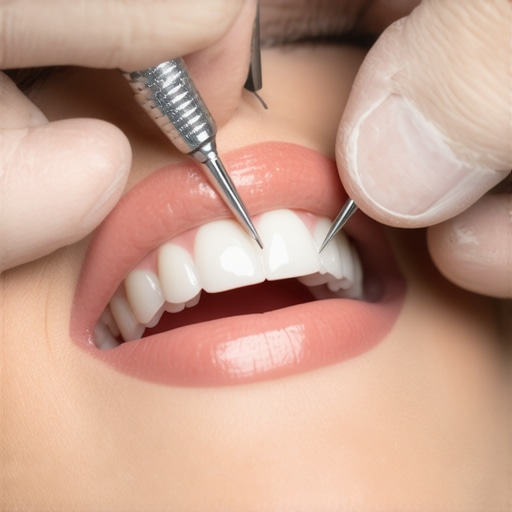 Even with widespread awareness about dental crowns and Invisalign, many individuals still hold misconceptions that can lead to unnecessary anxiety or suboptimal choices. As an experienced family dentist, I’ve seen these myths crop up repeatedly, often derailing patients’ understanding of their oral health solutions. Let’s examine some of the less obvious pitfalls and nuanced truths that can significantly impact your dental journey.
One common misconception is that crowns are a one-size-fits-all fix. In reality, many assume that once a crown is placed, it’s set in stone—that it’s permanent and beyond adjustment. However, this ignores the importance of the meticulous process involved in achieving the right occlusion and bite harmony. Failing to recognize that crowns may require periodic modifications can lead to discomfort or uneven wear over time. For example, a poorly fitted crown can cause high spots that only become apparent months later, leading to jaw pain or damage—this underscores the necessity of choosing a dentist experienced in *fine-tuning* restorations (expert advice for long-lasting results).
Moreover, there’s a widespread myth that Invisalign is solely an aesthetic tool. While it undeniably enhances smile appearance, many overlook its profound impact on functional bite correction, especially in complex cases. Advanced veneers or traditional braces often get a reputation for being more Maintaining the longevity of crowns, Invisalign appliances, and other dental restorations requires the right tools and methods. As a family dentist dedicated to delivering lasting results, I recommend investing in high-quality oral hygiene devices and adopting specific cleaning routines. For example, I personally rely on a water flosser like the Waterpik Ultra because it effectively removes plaque and debris around crowns and braces without exerting excessive pressure, reducing the risk of damage or irritation. This tool is particularly useful for patients with fixed appliances, as traditional floss can be cumbersome or ineffective.
In addition to a water flosser, I advocate for the use of interdental brushes tailored to your specific gaps. These tiny brushes excel at cleaning hard-to-reach areas around crowns, bridges, or Invisalign attachments—something standard floss may miss. Using these daily helps prevent plaque buildup that can compromise restorations over time.
For monitoring and maintaining your oral health, a cordless, sonic toothbrush with replaceable heads is invaluable. I prefer models with Bluetooth connectivity, such as the Philips Sonicare DiamondClean Smart. It offers real-time feedback on brushing technique and coverage, ensuring thorough cleaning—crucial for extending the lifespan of veneers and crowns.
Long-term results depend on consistency and the right routines. Regular professional check-ups allow your dentist to perform occlusal adjustments, ensuring your bite remains balanced and preventing undue stress on restorations. Scheduling biannual visits and discussing any concerns promptly can save you from costly replacements or repairs. To learn more about how professional maintenance complements your daily routine, visit this article on modern techniques in family dentistry.
Looking ahead, the future of maintenance tools includes smart devices that track your oral health metrics and alert you to potential issues before they become serious. Emerging technologies like AI-driven toothbrushes and sensors integrated into dental materials promise even more personalized and effective care.
How do I maintain my crowns and Invisalign appliances over time? A vital step is adopting a comprehensive cleaning routine using specialized tools—like a water flosser and interdental brushes—and staying vigilant with regular dental visits. By integrating these practices, you maximize your investment in your smile and ensure long-lasting results.
Don’t hesitate to try these advanced tips and discuss them with your dentist. Proper maintenance today can prevent complex repairs tomorrow, preserving your oral health for years to come.
One of the most eye-opening lessons I learned about crowns and family dentistry is that patience and observation trump quick fixes. I once thought every morning high bite sensation meant my crown was flawed beyond repair, but I soon realized that understanding my body’s subtle signals and maintaining consistent habits could save me unnecessary trips to the dentist. This journey taught me that proactive, gentle adjustments are often more effective than drastic reactions. Additionally, I discovered that embracing advanced tools like custom night guards and high-tech oral hygiene devices can profoundly enhance the longevity of your crowns and overall oral health. The biggest revelation was how personalized care routines and early intervention make all the difference in preserving your smile for years to come.