
How to protect your enamel if you have acid reflux
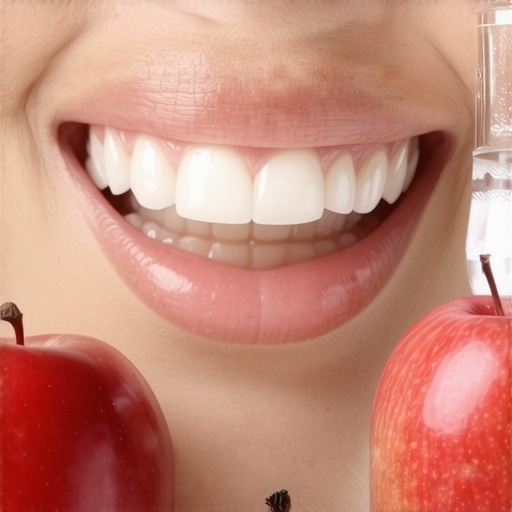
It was just a typical Tuesday evening when I suddenly noticed that every sip of my favorite citrus-infused water left a bitter aftertaste and a strange sensitivity in my teeth. At first, I brushed it off as minor irritation, but soon I realized that my enamel was feeling more fragile than ever. That lightbulb moment made me question: could my acid reflux be quietly gnawing away at my smile?
Why Your Enamel Needs Extra Attention with Acid Reflux
If you’ve ever felt that your teeth are less sturdy or experienced sudden sensitivity, especially after episodes of heartburn or indigestion, you’re not alone. Acid reflux, medically known as GERD, doesn’t just upset your stomach; it can silently erode the protective layer of your teeth, called enamel. This erosion makes your teeth more vulnerable to decay, discoloration, and even chipping. And believe me, I learned the hard way about the importance of protecting my enamel early on when I made the mistake of assuming that brushing immediately after reflux episodes would help. Turns out, brushing right after an acid attack can actually worsen erosion because the enamel is softened.
Did you know that according to the American Dental Association, acid attacks can cause irreversible enamel loss? That’s why understanding how reflux impacts your teeth is essential for maintaining a healthy, bright smile.
Reflecting on my own experience, I realize that overlooked habits, like poor hydration or acidic diet choices, played a role in exacerbating the problem. Now, I’m here to share practical strategies to safeguard your enamel, especially if acid reflux is part of your daily life.
Is It Worth the Effort? My Early Mistakes and What I Learned
Looking back, I made several missteps—ignoring the signs, rushing to brush right after reflux, and not consulting my dentist sooner. Trust me, these mistakes could have been costly. But through research and a few conversations with my dental professional, I discovered that targeted steps can make a real difference. For more expert advice on long-lasting solutions, check out this guide.
So, if you’ve faced similar issues—sensitivity, erosion, or even a change in your smile’s appearance—know that there are manageable ways to protect and strengthen your enamel. In the following sections, I’ll walk you through specific tips and routines that made a significant difference in my journey—and can do the same for you.
Let’s dive into how you can take charge of your oral health today.
Make Hydration Your First Defense
One of the simplest but most effective actions is to stay well-hydrated. Sip water throughout the day to neutralize stomach acids and wash away any that reach your mouth. During my own experience, I noticed that increasing my water intake after reflux episodes significantly reduced the bitter aftertaste and minimized acid attacks on my teeth. Keep a water bottle handy—think of it as a shield that dilutes and washes away corrosive acids, just like rinsing your skin after exposure to harsh chemicals.
Timing Is Everything with Oral Hygiene
Avoid brushing immediately after reflux episodes, as your enamel is soft from the acid attack and vulnerable to abrasion. Wait at least 30 minutes before brushing. During this waiting period, use a sodium bicarbonate (baking soda) rinse to help neutralize acids—a quick, cost-effective trick I adopted. Imagine your teeth as a delicate sculpture; you wouldn’t want to chip it further when it’s softened, so patience preserves the shape. For more detailed guidance, consult this resource.
Strengthen Enamel with Strategic Dietary Choices
Limit acidic foods and drinks like citrus, soda, and vinegar-laden dishes. Instead, incorporate calcium-rich options such as Dairy products, leafy greens, and almonds. These act as building blocks for your enamel, much like providing bricks to reinforce a wall. I replaced my afternoon citrus snacks with cheese plates, and within weeks, I noticed a decrease in tooth sensitivity. Remember, maintaining a balanced diet prevents erosion and supports overall oral health.
Utilize Protective Products for Daily Defense
Apply a fluoride varnish or gel recommended by your dentist—these create a barrier, similar to a protective coating on machinery, preventing acid from demineralizing your teeth. During my routine dental check-up, my dentist applied a fluoride treatment, which helped in re-mineralizing weak spots. Use fluoride toothpaste consistently; think of it as oil for a machine—keeping everything running smoothly and protecting against wear. For persistent issues or heavy erosion, exploring dental restorations like crowns might be necessary, and consulting this expert advice is a good step.
Adjust Your Position and Routine Post-Reflux
Elevate your head while sleeping to prevent acid from traveling back into your mouth—a simple change that can make a big difference. I placed a couple of pillows under my head, which cut down reflux episodes at night and lessened enamel erosion. After meals, avoid lying down immediately; stay upright for at least 30 minutes. This prevents acid from pooling and reaching your teeth, much like managing traffic flow to prevent congestion. Consistent posture management complements your other protective steps, reducing cumulative damage over time.
Work with Your Family Dentist for Tailored Solutions
Regular dental visits are crucial to catch early erosion signs and get personalized advice. If concerns persist, ask about solutions like custom-fitted mouthguards, which act as a shield during sleep. During my own visit, my dentist evaluated my enamel loss and recommended a minimally invasive treatment plan, including sealing vulnerable spots. Remember, proactive professional care is an investment in your long-term smile health. For comprehensive strategies, explore this overview on modern family dentistry.
While many believe that maintaining oral health is simply about brushing and flossing, the nuances of family dentistry reveal deeper misconceptions that can hinder long-term dental wellness. One prevalent myth is that all dental restorations, like crowns, last indefinitely; in reality, crowns require careful maintenance and periodic evaluations, as highlighted in this detailed guide. Another misunderstood aspect pertains to Invisalign; many assume it’s suitable for all orthodontic corrections, but advanced cases may necessitate traditional braces or alternative solutions, which are more suited for complex malocclusions.
People often overlook the importance of material choice in crowns, mistakenly believing that all dental prosthetics are equal. The truth is, ceramic crowns offer superior aesthetic benefits but may not be as durable as metal or porcelain-fused-to-metal options, especially in load-bearing areas. Consulting with a skilled family dentist can help determine the best material for your specific needs, as discussed here. Additionally, many patients underestimate the significance of subtle design nuances in Invisalign aligners, such as ensuring precise fit to prevent discomfort and avoid unintended tooth shifts; the latest advancements in aligner technology emphasize these details, explored here.
Moving beyond basic understanding, some believe that all dental problems can be fixed with quick fixes or DIY solutions. This is a dangerous misconception. For instance, attempting to adjust or remove a crown at home can cause irreparable damage, leading to costly repairs or the need for extraction. The ‘oops’ moment occurs when patients think minor discomfort or misfit is manageable without professional intervention. Regular check-ups and expert advice remain crucial to prevent small issues from escalating, as emphasized here.
Have you ever fallen into this trap? Let me know in the comments. Understanding these deep nuances ensures you’re equipped to make informed decisions and foster lasting oral health.
The Power of the Right Equipment for Lasting Oral Health
Maintaining your smile’s integrity over the years requires not only good habits but also the use of specialized tools and technology. I personally swear by my cordless ultrasonic toothbrush, the Sonicare DiamondClean, because its combination of sonic technology and gentle yet effective cleaning helps me remove plaque thoroughly without damaging delicate enamel—especially important after treatments like crowns or Invisalign aligners. For detecting early signs of enamel wear or gum issues, I rely on my portable dental mirror with LED illumination, which allows me to perform a visual check during my routine at-home assessments. These tools empower me to stay proactive long-term, catching minor issues before they become big problems.
How do I keep my dental tools functioning properly over time?
Regular maintenance is straightforward but essential. For electronic devices like my Sonicare, I ensure I replace the brush heads every three months, following the manufacturer’s guidelines, to maintain optimal cleaning power. Cleaning the device and charging station weekly with a soft, damp cloth prevents buildup that could diminish performance. For manual tools such as mirrors and periodontal probes, I rinse and dry them thoroughly after each use and store them in a clean, dry case. Investing in high-quality tools and caring for them extends their lifespan and ensures consistent, effective performance—crucial for long-term oral health preservation.
Analytics and Software for Monitoring Dental Progress
Beyond physical tools, I depend on digital applications like the MyTeeth app, which interfaces with my Invisalign trays and allows me to track my progress, schedule appointments, and receive personalized tips. These platforms provide actionable insights and reminders that keep me accountable. As technology advances, I foresee these digital health trackers becoming even more sophisticated, integrating AI to analyze your oral health data and recommend personalized routines or professional visits—making long-term maintenance more precise and less guesswork.
Scaling Your Oral Care Routine as Your Family Grows
Growing families demand adaptable tools. For my children, I recommend using BPA-free, ergonomically designed flossers and kid-friendly electric toothbrushes like the Philips Sonicare for Kids, which make routine brushing and flossing engaging and effective. As children develop, their oral care needs change, making it vital to update tools and routines accordingly. Periodic check-ins with your dentist can guide you on whether tools should be upgraded or if specific treatments like crowns need additional maintenance steps, as discussed in this guide.
Anticipating Future Trends in Dental Maintenance
Looking ahead, I believe that wireless and smart dental devices will become the norm, offering real-time feedback on brushing technique and enamel health. Imagine a toothbrush that not only cleans but also detects early erosion and alerts you via your smartphone, prompting immediate action. Staying ahead in this game means adopting cutting-edge tools and embracing a mindset of ongoing maintenance instead of reactive repairs. Try integrating one advanced habit today—like using a calibrated electric toothbrush with AI feedback—and experience the difference in your long-term oral health journey.
**Remember, consistent use and proper maintenance of your dental tools and technology are critical for enduring results. For expert guidance on selecting equipment suited to your needs, visit this resource. I challenge you to start with a quality electric toothbrush and observe the improvements in your daily routine—your future smile will thank you.**
What I Wish I Had Known Sooner About Dental Erosion
The biggest surprise in my experience was realizing how insidious acid reflux can be—eroding enamel gradually, leaving behind subtle signs I ignored for too long. I learned that early detection isn’t just about noticing sensitivity but understanding that even the most routine habits, like brushing immediately after reflux, can do more harm than good. That lightbulb moment made me prioritize patience and professional advice to truly defend my smile.
Tools and Tactics That Transformed My Routine
From recommending a specific fluoride toothpaste to adopting strategic hydration, the small changes added up considerably. I found that everyday items, like baking soda rinses, could neutralize acids effectively, acting almost like a secret weapon. Investing in quality tools—such as my Sonicare toothbrush—not only improved cleanliness but also reinforced my commitment to long-term oral health, especially for delicate enamel.
Uncovering My Most Costly Mistakes
Skipping regular dental check-ups and misjudging the importance of personalized care nearly led to costly repairs. It wasn’t until I visited my family dentist and explored options like crowns and protective treatments that I realized prevention is truly better than cure. These insights reinforced the value of professional guidance in safeguarding my smile, proving that tailored solutions matter immensely.
Making Enamel Shielding a Daily Habit
Consistent routines like elevating my head during sleep and avoiding lying down immediately after meals significantly reduced reflux episodes. Incorporating these habits felt simple but had a profound impact. Now, I view protecting my enamel as a daily investment—like fortified armor—creating a resilient barrier against erosion and decay.
Power of Professional and Personal Synergy
My journey underscored how essential it is to partner with a trusted family dentist for ongoing assessments and personalized plans. Whether it was applying fluoride varnish or considering dental restorations, professional care complemented my home practices perfectly. This synergy turned what once seemed overwhelming into a manageable, empowering process for preserving my smile.
Curated Gems for Oral Wellness Enthusiasts
- My Dental Toolkit: High-quality electric toothbrushes like Sonicare have revolutionized daily cleaning, ensuring thorough yet gentle care.
- Informative Reads: Articles like this one helped me understand when crowns are appropriate and how they can extend the life of compromised teeth.
- Expert Resources: Regularly reviewing guides from trusted professionals keeps me informed about evolving treatments and tools.
Your Smile’s Future Starts Today
Protecting your teeth from acid erosion isn’t just about reacting to problems; it’s about embracing proactive habits and trusting in expert advice. Every small step you take—be it hydration, mindful hygiene, or seeking professional care—builds toward a resilient, vibrant smile that can withstand life’s challenges. Remember, your smile is your signature; treat it with the care it deserves, starting now.
What’s one small change you’re willing to try today to better safeguard your enamel? Share your thoughts below—I’d love to hear your plan!