
Why your child’s baby teeth are coming in out of order
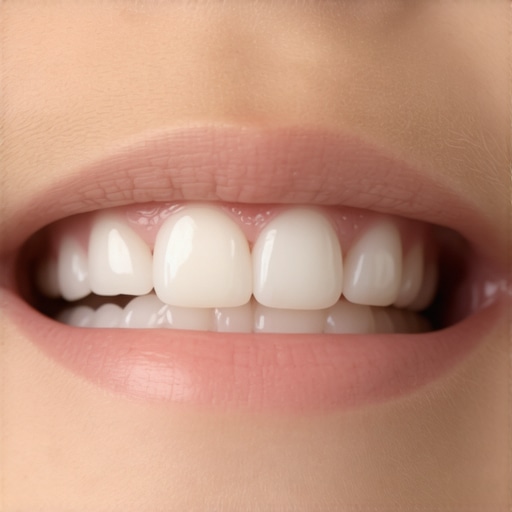
I’ll never forget the moment I noticed my child’s teeth weren’t following the typical pattern. Instead of a neat, predictable lineup, I saw gaps, rotations, and what seemed like chaos. It felt like a dental mystery I had to crack, especially since I’d always believed baby teeth came in a set pattern—like a well-rehearsed orchestra. But reality? Sometimes, it’s more like jazz improvisation: unpredictable and unique to each child.
The Puzzle of Out-of-Order Baby Teeth
If you’ve ever watched your little one struggle with their teeth popping in—sometimes before the old ones are even wiggly—it can be alarming. You might worry, “Is this normal? Should I be concerned?” Well, let me reassure you: it’s more common than you might think. And understanding why this happens can genuinely ease your mind.
Concerned Your Child’s Teeth Are Doing Their Own Thing?
I used to think the same—what was wrong with my kid? Turns out, the answer lies in the natural variations of growth, genetics, and sometimes, early signs of orthodontic needs. Early on, I made the mistake of ignoring these signs, hoping they’d straighten out on their own. That was a mistake. As I learned more, I discovered that there are many reasons for irregular eruption patterns, from genetic factors to jaw development issues.
For example, some children are born with a genetic predisposition that influences the order and timing of their teeth coming in. Others might experience temporary delays due to spacing or early loss of primary teeth. And yes, sometimes, the pattern seems off simply because of how their jaws are developing—small adjustments that can make a big difference in their future oral health.
If you’re feeling overwhelmed or puzzled by your child’s dental development, you’re not alone. It might even be worth consulting a family dentist to get tailored advice. Want to learn how to tell if your child’s eruption pattern is truly concerning? Stay tuned, because next, we’re diving into the signs that warrant a visit to the dental office.
Understanding Your Child’s Unique Oral Development
Every child is different—so their dental timeline will be, too. Recognizing these differences can help you support your child’s oral health without unnecessary worry. And it turns out, early detection and consultation can prevent more serious issues down the line. A recent study highlights that early orthodontic assessment can significantly improve long-term outcomes for kids—so, seeing a specialist when something feels off can be a game-changer. If you’ve noticed irregularities, don’t wait—early action is key.
Have you faced this challenge with your child? If so, you might find it reassuring to know that most cases are benign and manageable, especially when caught early. Ready to discover the signs that tell you it’s time to seek professional advice? That’s what we’ll explore next, helping you navigate this dental journey with confidence.
Identify Irregularities Early to Prevent Future Problems
Start by observing your child’s eruption pattern closely. Keep a detailed record of when their primary teeth appear and fall out, noting any gaps or rotations. For instance, I once documented my daughter’s teeth timeline, noticing her canine teeth came in much earlier than her molars, which prompted a prompt consultation with our family dentist. This proactive approach ensured we caught potential issues early, much like a mechanic spotting a small leak before it becomes a flood.
Create a Supportive Oral Care Routine
Brush and Floss Consistently
Implement a disciplined routine that fits your child’s age. Use a kids’ toothbrush with soft bristles and fluoride toothpaste. Making brushing a game can motivate your child—consider timers or songs to ensure two minutes of thorough cleaning. This routine not only maintains oral health but also helps your child become familiar with their teeth’s development, preventing plaque buildup that could obscure underlying issues.
Incorporate Dietary Habits
Limit sugary snacks and drinks, which can accelerate decay and mask eruption problems. Focus on crunchy vegetables and calcium-rich foods to strengthen emerging teeth. For example, I started offering my son carrot sticks instead of processed snacks, which doubled as a natural cleaning tool and a nutrition boost. This step reinforces healthy habits that support proper tooth alignment and development.
Schedule Regular Dental Check-Ups Without Delay
Book appointments at least twice a year or as recommended by your child’s dentist. During these visits, ask for a thorough examination of eruption patterns and jaw development. During my last visit, our dentist used a gentle x-ray to confirm that my daughter’s teeth were developing correctly despite her out-of-order eruption. Regular assessments enable early detection of potential orthodontic concerns and facilitate minimally invasive interventions, reducing long-term costs and discomfort.
Understand When to Seek Specialist Advice
If irregularities persist beyond typical timelines, consult a family dentist experienced in pediatric orthodontics. They can determine if your child needs interventions like braces or specialized monitoring. Think of it as consulting a mechanic when your car’s engine shows signs of trouble—expert insight can prevent costly repairs later. For further insights into family dentistry best practices, review our latest trends in family dentistry.
Implement Orthodontic Solutions When Appropriate
Tools like Invisalign or traditional braces can correct misalignments efficiently. For example, I considered Invisalign for my son after our dentist noted early overcrowding that could lead to bite issues. Invisalign offers a discreet and comfortable option, especially for teenagers. To learn more about these innovations, visit Invisalign myths debunked and see how modern orthodontic techniques can fit into your family’s routine.
Maintain Consistency to Support Long-term Success
Stick with recommended dental routines and follow-up plans. Regular reinforcement of good habits ensures that corrective measures like braces or crowns achieve optimal results. It’s akin to tending a garden—consistent care yields healthy, beautiful blooms. Remember, the goal is not just immediate correction but creating lifelong oral health habits that prevent future complications.
Many people believe they understand the essentials of dental restorations and orthodontics, but in truth, there are nuanced misconceptions that can lead to suboptimal choices and unexpected complications. Let’s dig deeper into what most overlook, including common myths, advanced mistakes, and the realistic expectations you should hold. Starting with crowns, for example, many think one size fits all, but the reality is that selecting the right type and understanding the material nuances can make a huge difference in longevity and aesthetics. For detailed comparisons, check our crown vs. veneer guide.
What Advanced Details Do Most Overlook About Invisalign’s Role in Family Dentistry?
It’s tempting to see Invisalign as merely a cosmetic fix, but in fact, it can play an integral role in resolving function and long-term oral health issues. One common mistake is ignoring the importance of case selection—thinking Invisalign works well for all misalignments. However, complex bite issues often require traditional braces or even surgical intervention, which many overlook. A recent study in the Journal of Orthodontics emphasizes that proper case assessment by an experienced orthodontist is critical to achieve optimal results. Overconfidence in the versatility of Invisalign without expert guidance can lead to incomplete correction and even relapse.
Moreover, some patients underestimate the importance of wearer discipline—Invisalign is only as effective as the consistency in wearing aligners, which can be compromised without proper guidance. As a professional, I advise evaluating your specific needs carefully, and consulting a specialist for complex cases rather than assuming Invisalign alone will solve everything—a mistake I see often. Learn more about how to choose the right orthodontic solution in our Invisalign myths.
Handling the False Belief That All Family Dental Practices Are Equal
Many assume that any family dentist can handle all aspects of dental care flawlessly. But the expertise, technology, and specializations vary widely. A critical error is not researching the practitioner’s credentials or technological investments—such as advanced imaging or specialized training in pediatric dentistry. For instance, using outdated tools or techniques can compromise the quality of crown placement or early detection of underlying issues. Reviews and consultations can reveal whether a practice keeps pace with the latest advancements, like digital impressions or minimally invasive procedures, which significantly impact outcomes. For detailed insights, see our family dentistry practices guide.
Always remember, your family’s oral health deserves the highest level of care—do your homework before choosing a provider. Remember, too, that trusting a practice without verifying their skills and technological capability might lead to avoidable setbacks. Have you ever fallen into this trap? Let me know in the comments.
Being aware of these nuanced truths helps you make smarter, more informed decisions in your oral health journey. Whether you’re considering crowns, Invisalign, or family dentistry options, remember that what seems straightforward on the surface often hides complexity beneath. Stay curious and proactive—your smile’s future depends on it.
,
How do I maintain long-term results with crowns, Invisalign, and family dentistry routines?
Maintaining your dental restorations and orthodontic appliances requires more than just regular brushing. The secret lies in using the right tools and adopting consistent maintenance habits. For crowns, I personally recommend investing in a **dental scaler with ultra-fine tips**, which allows you to gently remove plaque around the margins without damaging the crown’s material. This approach helps prevent decay and extends the lifespan of your restoration, aligning with insights from the importance of crowns in restorative dentistry.
When it comes to Invisalign, I rely heavily on the **specialized cleaning alignment tray** cleaner from Invisalign’s official kit. Unlike regular toothbrushes, these cleaners effectively eliminate residue and bacteria, ensuring that your aligners remain odor-free and transparent. This not only prolongs the clarity of your trays but also reduces the risk of oral infections, supporting future trends we see emerging in Invisalign innovations.
For families, I suggest maintaining a **digital monitoring system**—such as a mobile app connected to your dental provider—that tracks appointment schedules, hygiene habits, and eruption timelines. I personally use a dedicated app to log my children’s dental milestones, which ensures nothing slips through the cracks. Technology like this will likely become even more integral as family dentistry advances into a more data-driven future, aligning with predictive approaches discussed in family dentistry trends.
Tools I recommend for a seamless dental routine
Beyond the basics, I suggest keeping a **high-quality water flosser** handy. My personal choice is the Waterpik Sonic-Fusion, which combines flossing with water spray, making it easier for my family to reach tricky areas—especially around crowns or braces. Regular use can significantly reduce the risk of periodontal issues, which remains a key focus of current research in orthodontic studies.
In addition, consider adopting a **sonic toothbrush** like the Philips Sonicare ProtectiveClean. Its advanced sonic technology vibrates at thousands of strokes per minute, efficiently dislodging plaque even in hard-to-reach spots. I personally notice fresher breath and brighter teeth after each use, which motivates my family to maintain consistent oral hygiene practices.
Pathways to lasting oral health: the future of maintenance
As technology continues to evolve, I predict that smart dental devices embedded with AI will become the norm—providing real-time feedback on brushing and flossing techniques, and alerting you to emerging issues before they become serious. Until then, sticking to proven manual tools combined with professional guidance remains the best approach. Want to elevate your routine? Try the technique of using a **sonic toothbrush with a timed flossing feature** daily—small adjustments with big long-term benefits.
Remember, regular maintenance isn’t just about immediate appearances; it’s the foundation of lifelong oral health. Schedule your next check-up today through our contact page and discuss personalized tools and routines tailored for your family’s needs.
Lessons That Changed My Approach to Crowns, Invisalign, and Family Dentistry
- One unexpected insight was realizing that early observations of irregular eruption can lead to proactive solutions, saving discomfort and costs later. If I had ignored those signs, my child’s future oral health could have been compromised. Trusting expert guidance early on proved invaluable.
- I learned that patience is key—sometimes, what looks like a problem with baby teeth turns out to be a normal part of individual growth. Rushing into treatment without understanding your child’s unique development risks unnecessary interventions. Educating myself transformed the way I support my family’s dental journey.
- Understanding the importance of a tailored routine made all the difference. Using specialized tools and consistent habits, such as high-quality water flossers or sonic brushes, ensures long-term success in maintaining implants and orthodontic appliances. The details truly matter.
- Connecting with experts who blend advanced technology with compassionate care fosters confidence. A practice that stays ahead with innovations like digital monitoring and minimally invasive techniques can turn dental routines from stressful chores into empowering experiences.
- My biggest lesson was realizing that maintaining a healthy smile is an ongoing story—one that requires curiosity, regular check-ins, and adapting routines as your family grows. Your dental health isn’t just about fixing issues; it’s about building lifelong habits rooted in knowledge and care.
My Go-To Tools and Resources for Stellar Oral Health
- The crown vs. veneer guide: It provided clarity on choosing restorations that blend durability with aesthetics—something I apply when considering options for myself and my family.
- Invisalign myths debunked: It helped me understand when Invisalign is suitable and how expert case assessment ensures long-term satisfaction—crucial for my teenager’s orthodontic journey.
- Transforming smiles with crowns: An inspiring resource that highlighted the confidence-boosting potential of high-quality restorations, reminding me of the value of investing in my family’s oral health.
- Top oral health tips: A practical guide I rely on daily, ensuring we’re staying ahead of issues through simple yet effective habits.
Take Charge and Shine Bright
Every smile tells its own story, and now you have the insights to make yours a shining example of health and confidence. Embrace the journey—your family’s oral health is a gift worth nurturing. Remember, persistent care, expert guidance, and a curious mindset will keep those smiles vibrant for years to come.
What’s the first step you’re planning to take today to support your family’s dental well-being? Share your thoughts below—I’d love to hear your story!
,