
Why your porcelain crown looks darker near the gumline
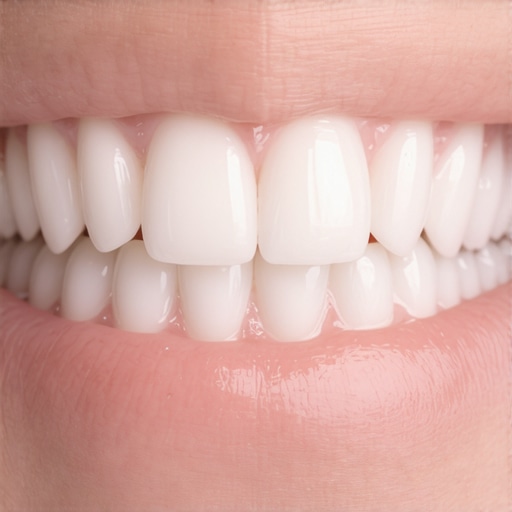
One morning, I noticed something unsettling when I caught my reflection—the edge of my porcelain crown looked darker, almost shadowed, near my gumline. It was a small thing, but it nagged at me. Years ago, I had a crown placed after a root canal, and suddenly, I felt self-conscious every time I smiled. I wondered, “Is this normal? Why does it look like that?” That moment was a lightbulb for me, revealing a common concern I later learned many patients share.
The Real Reason Behind Darkening Crowns Near the Gums
When I first researched this issue, I discovered something surprising: the darker appearance isn’t necessarily a flaw in the crown itself. Instead, it often results from a combination of factors like cement stains, margin gaps, or even differences in the shade of the crown compared to your natural teeth. According to the American Academy of Cosmetic Dentistry, porcelain shades can sometimes appear lighter or darker depending on surrounding tissues and lighting conditions (Read more about crowns and restorative benefits).
Early on, I made a mistake I’d suggest avoiding—assuming that all crowns age similarly or that brightness was just a cosmetic issue. In reality, neglecting these subtle changes can lead to more noticeable discoloration over time, impacting your confidence and oral health. That’s when I realized understanding the root causes is the key to maintaining a bright, seamless smile.
So, if your porcelain crown near the gumline has become darker or more shadowed than before, you’re not alone. And there’s good news—these issues are often fixable with proper dental care and some professional attention. Next, let’s explore how you can identify the exact reason behind this darkening and what practical steps you can take to restore your smile’s natural brightness.
Identify the Exact Cause of Darkening
Begin by carefully inspecting your crown for visible stains, gaps, or discoloration. Remember, comparing it to neighboring teeth helps pinpoint if it’s a cement stain, marginal gap, or shade mismatch. I once noticed my crown looked darker at the edges and used a small mirror in a well-lit bathroom to examine every angle. This simple step provided clarity and set the stage for targeted action.
Schedule a Professional Evaluation
Next, book a consultation with your dentist. Professionals can perform microscopic inspections and take shade measurements to determine if staining, cement issues, or crown material wear is causing the darkening. During my appointment, the dentist used a shade guide to compare my crown and identified a slight cement stain that could be cleaned without replacing the crown. Regular dental evaluations are key to catching issues early and avoiding complex restorations.
Deep Clean and Polish Your Crown
If staining is superficial, professional cleaning can often restore brightness. Think of it like buffing a scratched car—removing surface grime enhances appearance without repainting. A hygienist used ultrasonic scalers and polishing rouge, which lightened my crown noticeably. Incorporate good oral hygiene practices like brushing twice daily and flossing to prevent buildup around your crown.
Address Marginal Gaps or Cement Stains
For gaps or cement stains, your dentist might suggest replacing the cement or adjusting the crown margin. Imagine a loose tile; resealing ensures a seamless appearance. During my visit, the dentist removed the old cement and resealed the margin with a tooth-colored resin, instantly brightening the area. Regular checks help ensure the crown edges are properly sealed, preventing shadows and discoloration.
Consider Crown Replacement if Necessary
Sometimes, aging or material wear warrants replacing the crown altogether. Think of this like updating an old smartphone—the newer model offers better features and aesthetics. If your crown is significantly stained, chipped, or has shade mismatch, a new crown crafted with advanced porcelain can seamlessly blend with your natural teeth. For comprehensive insights on choosing the right crown, visit expert advice on crowns.
Maintain Brightness and Prevent Future Darkening
Post-treatment, adopt habits to preserve your crown’s shine. Avoid staining foods and drinks like coffee or red wine, and rinse your mouth afterward. Regularly use a whitening toothpaste compatible with crowns—though crowns won’t bleach like natural teeth. Also, scheduling semi-annual checkups ensures early detection of any discoloration issues.
Explore Cosmetic Alternatives if Needed
If you’re eager for a perfect white smile, options like veneers might be suitable. Unlike crowns, veneers are thinner and provide a more translucent look. Should you consider this route, consult your dentist about the best solution tailored to your smile goals, and explore comparison of crowns and veneers.
Many people assume that understanding basic dental care means they’ve grasped the full picture, but in reality, myths and oversimplifications can hinder optimal oral health. A frequent misconception is that all dental crowns are created equal—that once placed, they require no further attention. However, the differences in crown materials, layering techniques, and cement choices significantly influence their longevity and appearance (learn more about crowns and restorative dentistry). It’s tempting to think that Invisalign treatment is only for straightening teeth, but many overlook the subtle benefits, such as improved periodontal health and easier cleanability, which can profoundly impact overall family oral health (discover Invisalign’s hidden benefits). Common myths also suggest that oral health is purely about preventing cavities, but advanced nuances reveal that addressing issues like bite alignment, tissue health, and microbiome balance are equally critical. For instance, improper occlusion not only causes wear and TMJ problems but also accelerates periodontal disease risk—an often-overlooked aspect (top tips for a healthy family smile).
A significant oops to avoid is neglecting early signs of marginal gaps around crowns or filling modifications, mistaking them as insignificant. Over time, these gaps can lead to cement leakage, secondary decay, and even crown failure, which complicates treatment and increases costs. Many patients don’t realize that a small discoloration or edge roughness might signal a deeper issue worth addressing promptly.
How can advanced technology and detailed diagnostics improve family dentistry? One strategy involves microscopic inspections and digital shade matching, which help clinicians detect subtle changes that static visual checks might miss. Incorporating 3D imaging and digital smile design ensures customized treatments that harmonize functionality and aesthetics, reducing the chance of recurrent problems. If you’re curious about how these innovations translate into better care, explore the latest in [dental technology](https://familydentistpro.com/why-crowns-are-a-game-changer-in-restorative-dentistry) and consider consulting with specialists familiar with these advances.
Remember, the goal isn’t just fixing existing issues but understanding the nuanced factors that influence long-term oral health. Regular checkups allow professionals to catch minor discrepancies before they escalate, and they help tailor personalized habits that extend the lifespan of restorations and overall dental well-being. Don’t fall for simplified advice—your smile benefits from a comprehensive, nuanced approach. Have you ever fallen into this trap? Let me know in the comments.
Keep Your Smile in Top Shape with the Right Tools
Achieving a beautiful, healthy smile is just the beginning; maintaining it over time requires using precise tools and adopting effective techniques. Personally, I rely on specialized equipment that ensures my family’s oral health remains optimal. One essential instrument is an ultrasonic scaler, which I use during professional cleanings to remove plaque and tartar more thoroughly than manual tools. Its high-frequency vibrations effectively clean around crowns and braces without damaging restorative materials, helping preserve that bright, seamless appearance—key in preventing discoloration and decay (see how crowns boost oral health).
Another vital component is a quality water flosser. I personally prefer models with adjustable pressure settings because they are gentle yet effective in dislodging food particles and plaque from hard-to-reach areas, especially around veneers and Invisalign attachments. This consistency helps reduce the risk of marginal gaps and hidden decay, saving both time and potential costly repairs in the future. Additionally, water flossers can improve gum health, which is essential for preventing recession and ensuring that crowns and implants stay securely in place over the years.
Consistency in using high-grade, soft-bristled toothbrushes combined with interdental brushes makes a significant difference in ongoing maintenance. I recommend electric toothbrushes with pressure sensors—these prevent over-brushing that can wear down delicate tissues and cause recession (learn more about gum health and electric brushes). They also feature timers that ensure you brush long enough for optimal plaque removal without damaging your restorations. Pairing this routine with fluoride toothpaste designed for crowns and veneers fortifies enamel and resists staining, extending your investment’s lifespan.
How do I maintain my dental tools over time?
Cleaning and replacing your dental tools regularly is crucial for their effectiveness. Use sterilized water to rinse water flossers and replace tips every 3-6 months. For toothbrushes, change them every three months or sooner if bristles fray. For ultrasonic scalers or similar equipment, professional servicing and calibration ensure peak performance and safety. Staying consistent with tool maintenance prevents bacterial buildup and ensures your daily routine remains effective.
Looking ahead, advancements like AI-powered cleaning devices and smart toothbrushes with real-time feedback are poised to revolutionize family dental care. These innovations will not only monitor your brushing habits but also adapt to individual needs for superior oral health—making maintenance easier and more personalized than ever before.
To elevate your routine, try integrating a water flosser with adjustable pressure settings and see firsthand how it improves plaque control around crowns and braces. Remember, the key to long-lasting results is not just choosing the right tools, but committing to using and maintaining them correctly. Want expert tips on selecting the perfect equipment? Visit our contact page—we’re here to help you keep smiling confidently for years to come.
Over the years, I’ve realized that the journey to a radiant smile doesn’t end once a crown is placed. One of the most impactful lessons I learned about maintaining crown brightness is the importance of understanding subtle changes before they become apparent problems. It’s tempting to view crowns as a set-and-forget solution, but proactive care truly makes a difference.
The Hardest Lesson I Learned About Family Dentistry and Crown Care
Early in my career, I believed that a perfectly fitted crown would remain flawless for years. However, I discovered that neglecting regular checkups and overlooking minor signs like slight shading differences could lead to noticeable darkening over time. The key realization? Regular professional evaluations and attentive home care are vital for long-term aesthetic success.
Small Details Matter More Than You Think
Paying attention to surface stains, margin gaps, and the shade match was a game-changer for me. These small details can silently undermine your confidence if ignored. Instead of waiting for a dramatic change, I advise routinely inspecting your crown and consulting your dentist at the first sign of discoloration or discomfort to prevent more extensive repairs.
Different Factors Influence Crown Longevity and Appearance
From cement stains to wear-resistant materials, understanding what affects your crown helps you take targeted steps. For example, I learned that avoiding stain-heavy foods and maintaining excellent oral hygiene noticeably prolonged the pristine look of my restorations. Knowledge about these factors empowers you to make informed decisions that preserve your smile’s natural beauty.
The Power of Preventive Actions and Regular Advice
Establishing a routine of semi-annual checkups and personalized home care routines drastically reduces the risk of discoloration and structural issues. Remember, early intervention can often restore brightness without costly replacements. For a comprehensive approach, explore expert strategies at how crowns can elevate your oral health.