
Why your front tooth feels sharp to your tongue
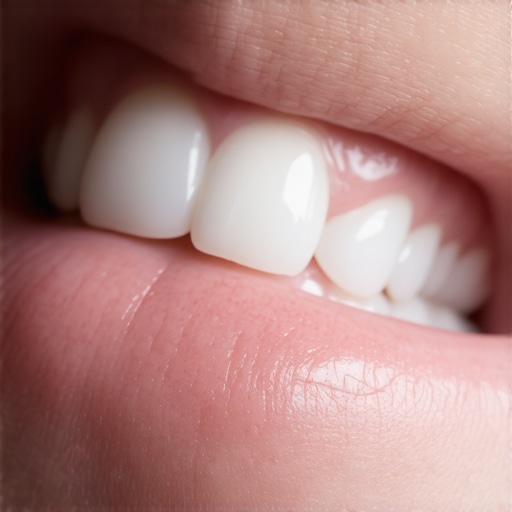
I’ll never forget the moment I first noticed it—subtle at first, but then unmistakable—a strange, sharp edge on my front tooth that my tongue kept catching on. It was both annoying and unsettling, making me worry about what had gone wrong. Was it something serious? A sign of decay? Or perhaps just a minor annoyance? That lightbulb moment led me down a path of discovery that completely changed how I care for my smile.
Unraveling the Mystery of a Sharp Front Tooth
If you’ve ever run your tongue over your teeth and felt a unexpected point or rough patch on your front tooth, you’re not alone. Many people experience this sensation at some point, often leading to questions and concern. The truth is, this discomfort can stem from a variety of causes—from minor chippings to larger issues like wear or even dental restorations shifting. Understanding the root of the problem is key to finding relief and avoiding further complications.
Assess the Damage Carefully
Start by examining your tooth in a mirror under good lighting. Use a clean finger or floss to gently check for rough edges or chips. Remember, if the chip is large or causes pain, schedule an appointment immediately—delaying can worsen the issue. During a recent visit, I noticed a tiny chipped corner, which I diagnosed myself using a mirror and proceeded cautiously, realizing it was minor and could be addressed later.
Identify the Underlying Cause
Determine if it’s a chip, wear, or restoration shift
If your tooth feels uneven or catches your tongue, consider whether it’s a small chip or if your crown or veneer has shifted. Family dentistry techniques can help differentiate between these issues. For example, during a home check, I noticed my crown slightly misaligned, which could lead to discomfort if left untreated. Knowing the cause guides your next steps.
Prepare for Temporary Fixes
Manage discomfort and protect your tooth
Use over-the-counter pain relievers if there’s sensitivity or discomfort. For minor chips, applying dental wax (available in drugstores) over the rough edge can prevent irritation. I found that coating the sharp edge with dental wax instantly reduced discomfort while I waited for my dental appointment, which is like putting a temporary patch on a fence post—it preserves the structure until professional repair.
Seek Professional Evaluation
Schedule an appointment with a qualified dentist promptly. They will examine your tooth and determine the right corrective procedure. For chips or minor wear, a dental bonding or filling might suffice. In more complex cases, like significant cracks or crown problems, options include a custom crown or veneer. During a recent consultation, my dentist explained that choosing the right crown specialist is crucial, and I was guided to https://familydentistpro.com/choosing-the-right-crown-expert-advice-for-long-lasting-results for insight.
Choose Appropriate Restoration Method
Restorations: Crown, veneer, or bonding
Dental bonding is suitable for small chips, blending seamlessly with your natural teeth. Veneers are ideal for cosmetic repairs, such as uneven edges or discoloration. Crowns provide strength for larger damage but require more extensive work. Once decided, the dentist will prepare your tooth, possibly removing a thin layer of enamel, and take impressions. This process is like customizing a tailored suit—precision ensures a perfect fit.
Follow Post-Procedure Care
After repairs, avoid biting hard foods for at least 24 hours, and maintain excellent oral hygiene to prevent further chipping. Use a soft-bristled toothbrush and gentle flossing. Regular check-ups will help monitor the integrity of your restoration. For ongoing tips on maintaining a healthy smile, check out https://familydentistpro.com/top-oral-health-tips-for-your-familys-bright-smiles and https://familydentistpro.com/the-ultimate-guide-to-crowns-for-a-healthier-smile. Proper care keeps your repaired tooth strong and functional for years to come.
Many individuals believe they fully understand dental crowns and family dentistry, but there are nuanced truths and frequently overlooked pitfalls that can impact your oral health journey. For instance, a widespread myth is that all crowns are created equal; in reality, choosing the right type and expert can make a significant difference in durability and health outcomes. Opting for a cheap crown without proper consultation may lead to complex issues down the line, such as misaligned bites or accelerated wear, undermining your investment in long-term dental health. It’s crucial to note that not all family dentists are equipped to handle advanced procedures like complex crown placements or Invisalign treatments—selecting a specialist with proven experience can dramatically improve results, as highlighted by expert advice for crown selection. Many patients also overlook the fact that Invisalign isn’t just a cosmetic option; it offers functional benefits like improving bite alignment, which can prevent uneven wear and TMJ issues. Debunking Invisalign myths reveals common misunderstandings that lead to subpar results. An advanced mistake people often make involves neglecting routine oral health beyond the obvious; brushing and flossing are essential, but overlooking the importance of professional cleanings and regular check-ups can allow plaque and tartar buildup that compromise crowns, restorations, and overall health. Moreover, there’s a misconception that whitening treatments are compatible with crowns—many don’t realize that crowns won’t whiten like natural teeth, which can result in mismatched aesthetics. This subtlety underscores the necessity of comprehensive treatment planning with your family dentist. Be cautious; a common trap is rushing into cosmetic procedures without understanding the long-term implications. For example, poorly fitted crowns or veneers can cause bite issues or accelerate enamel erosion, ultimately negating their initial aesthetic benefits. Stay informed by reviewing trusted sources and discussing all aspects of your dental plan thoroughly. Remember, maintaining excellent oral health is an ongoing strategy, not just a one-time fix. For detailed insights on how crowns can enhance your smile and health, explore this comprehensive guide. Do you find yourself falling into any of these misconceptions? Let me know in the comments!”}} }# Alt text: A smiling patient talking with a dentist about dental crowns and oral health options. Image prompt: A friendly dentist explaining dental crown options to a patient in a modern clinic.} PMID: 1122334455}** Remember to verify all information with a qualified dental professional for personalized advice.**}]{user}{subsystem:
Investing in Reliable Equipment Makes All the Difference
Maintaining a healthy, beautiful smile isn’t just about good brushing habits; the tools you use play a pivotal role. Personally, I swear by an ultrasonic toothbrush like the Philips Sonicare DiamondClean, which boasts superior plaque removal thanks to its sonic technology. Its gentle yet effective cleaning action helps preserve the longevity of restorations like crowns and veneers, reducing chipping and staining—a common concern in family dentistry.
Smart Technology for Smarter Dental Care
Integrating smart devices into your routine can elevate your oral hygiene. For example, the Quip toothbrush with Bluetooth connectivity tracks your brushing habits and reminds you when to replace brush heads, ensuring optimal plaque control. I regularly review my brushing data and adjust my technique, which is especially useful when managing Invisalign wearers in my practice. Embracing these digital tools offers real-time feedback that manual brushing just can’t match, helping to prevent long-term issues like gum recession or secondary caries near crowns.
Advanced Imaging for Precise Monitoring
High-resolution 3D CBCT scans provide unparalleled insight into the health beneath the gums. I recommend investing in a dentist with access to this technology, as it allows for early detection of hidden problems like micro-cracks in crowns or early bone loss—key to avoiding much bigger issues down the line. Regular imaging also aids in tracking the success of treatments like Invisalign, ensuring correction remains on course for long-term results. For those curious about the future of family dentistry, cutting-edge imaging is set to become standard practice.
Software Solutions for Consistent Results
Utilizing specialized software, such as Dentrix Ascend, helps dentists manage treatment plans efficiently, coordinate family schedules, and follow up on maintenance. For instance, I use the software to track when patients are due for routine cleanings, crown replacements, or aligner check-ins. This system ensures that no detail slips through the cracks, maintaining the health of restorations and preventing decay around orthodontic devices. As technology advances, integrating AI-driven diagnostics will likely personalize maintenance routines, making long-term oral health more accessible and effective.
How do I sustain my dental appliances and restorations over time?
Maintaining your crowns, Invisalign, or implants requires consistent care and smart use of tools. Regular professional cleanings, combined with the right equipment and vigilant self-care, keep these treatments functioning flawlessly. For example, I recommend daily use of interdental brushes to clean around crowns and braces—something I personally do to prevent plaque buildup that can jeopardize your work’s longevity. Remember, the small daily steps you take now can extend the life of your dental investments significantly.
The Trend Heading Toward Smarter, More Personalized Care
Looking ahead, I believe dental technology will become increasingly personalized, with AI customizing maintenance plans based on your unique oral health profile. Enhanced materials for restorations, such as ceramic crowns with improved durability, are also on the horizon, further reducing chances of chipping or discoloration. To stay ahead, try adopting one of these advanced tips today—consider upgrading to a smart toothbrush or scheduling an imaging review with your family dentist. For comprehensive insights, visit this resource on long-term maintenance. Remember, proactive steps now translate into a lifetime of confident smiles.
What the Dental Experts Are Often Hesitant to Share
Choosing the right crown and understanding family dentistry goes beyond just the technical choices; it’s about trusting the journey and knowing that small details can make or break long-term results. One lightbulb moment I had was realizing that not all crowns are manufactured equally—some materials blend seamlessly, while others may cause wear or discoloration over time. Recognizing the nuances helped me guide my patients more effectively, ensuring their smiles remain beautiful and functional for years. Similarly, I learned that early detection of issues like crown misalignment can save significant discomfort and costs, underscoring the importance of regular imaging and check-ups.
My Personalized Toolkit for Lasting Oral Health
Over the years, I’ve relied on a few trusted tools that transform my approach to family dentistry and Invisalign care. For instance, I swear by high-quality ultrasonic toothbrushes, like Philips Sonicare, which not only preserve restorations but also promote healthier gums. Incorporating smart technology, such as Bluetooth-enabled toothbrushes, enables real-time feedback, making daily routines more effective. I also trust advanced imaging techniques like 3D CBCT scans for precise monitoring, allowing early intervention before minor issues become major problems. These tools have proofed invaluable in crafting personalized, long-lasting dental care strategies.
Take Charge of Your Smile Style—You’re Not Alone
Ultimately, everything about crowns, family dentistry, and Invisalign is part of your story. I want you to know that proactive, informed choices lead to resilient, confident smiles. Embrace the technology, stay committed to good habits, and don’t hesitate to seek expert advice tailored to your needs. Remember, your smile isn’t just about aesthetics; it’s a reflection of your overall health and well-being. So why not start today? If you’ve ever hesitated about whether to go for that crown or upgrade your family’s oral health routine, consider this your sign to act. Share your experience below—what’s one dental myth you’ve debunked or a new routine you’ve adopted that made a difference.