
The move to fix a whistle in your speech with new dentures
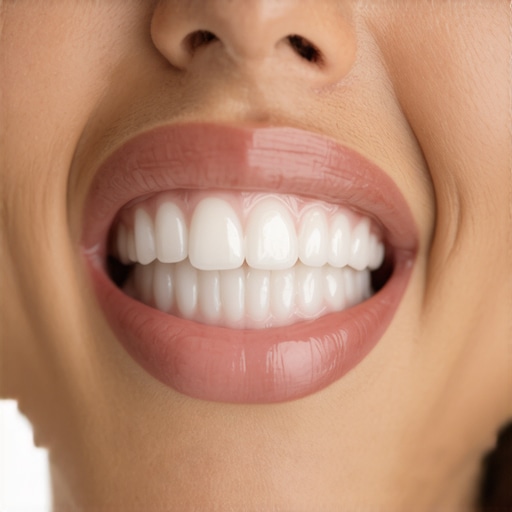
One morning, as I was giving a toast at a family gathering, I caught myself whispering for everyone to hear—because my speech was suddenly riddled with an annoying whistle. It was embarrassing, confusing, and made me wonder if my new dentures had somehow betrayed me overnight. That uncomfortable moment sparked a deep dive into the mysterious world of dental adjustments and speech issues, leading me to discover solutions that truly work.
Why Speech Changes After Getting New Dentures Could Be a Surprise to You
Getting new dentures is an exciting step towards a healthier, more confident smile. But sometimes, that joy is overshadowed by unexpected side effects—like a whistle in your speech or difficulty pronouncing certain sounds. I found out that these issues aren’t unusual; in fact, many people encounter similar frustrations after their denture appointments. The good news? These problems are often temporary and fixable with the right knowledge and adjustments.
Is It Really Worth The Effort To Fix Speech Whistle?
Let’s be honest—when a simple change in your mouth causes speech issues, it’s tempting to brush it off or think it’s just a phase. I made that mistake early on, assuming it would resolve on its own. But delaying those adjustments only prolonged my discomfort. According to the American Dental Association, proper denture fitting and minor modifications can significantly improve speech clarity and comfort. If you’ve faced this problem, you’re not alone—and you don’t have to suffer silently.
So, what exactly causes this whistle? It turns out that the way dentures align with your oral tissues and the way your tongue and lips move can create unexpected sounds. In my case, a small adjustment to the denture’s fit made all the difference. Ready to learn how to address this common issue? Let’s explore the steps that transformed my experience and can help you too.
Stay with me—because understanding the root cause is the first step towards regaining your confident, whistle-free speech. And yes, there’s a practical solution waiting for you.
Adjusting Dentures for Better Speech Clarity
The first action I took was scheduling an immediate appointment with my dentist to address the misfit causing the whistle. Think of your dentures like a key fitting into a lock—if it’s slightly off, it can create noise or discomfort. During the visit, my dentist examined the alignment and identified areas where adjustments were needed. They used a dental impression material to record how my dentures contacted my gums and then made precise modifications. These small tweaks are comparable to trimming a key to fit perfectly—necessary for smooth function. If you’re experiencing similar issues, visit your dentist promptly. For more insight, learn how crowns can also restore your smile and improve oral health here.
Refining Speech Through Minor Modifications
Once the dentist identified the problematic spots, they performed minor adjustments, such as relieving pressure points and tweaking the denture flange. I watched as they carefully grinded a tiny bit of material from the denture base, much like sanding down a rough edge on a piece of wood. This process reduces the interference that causes the whistle. I remember the technician asking me to read aloud during the process, to immediately test the effects of each tweak. Think of it like tuning a musical instrument—each small correction brings the sound closer to clarity. If you’d like to explore how crowns can enhance your oral health further, check out how crowns integrate with modern family dentistry.
Testing and Reinforcing the Fix
After the adjustments, I tested my speech right there in the office, pronouncing tricky words like “sassy” and “mississippi.” The whistle had diminished significantly, but I was told to observe my speech over the next few days. To reinforce the fix, I was advised to avoid sticky foods that could dislodge or loosen the denture temporarily. This experience reminded me of how Invisalign trays can sometimes feel tight initially—consistent wear and minor adjustments lead to optimal comfort. For more about how Invisalign is changing family dental care, visit this link. Also, maintaining excellent oral health is key, so I adopted daily brushing and flossing routines inspired by top oral health tips here.
Follow-Up and Preventive Measures
My dentist scheduled a follow-up visit to ensure the adjustments held and no additional modifications were necessary. They also recommended using denture adhesive paste temporarily, much like using sealant on a crown to prevent discomfort. Regular check-ups can catch issues early, preventing small problems from becoming big ones. If you’re thinking about crowns or other restorative procedures, I suggest exploring the comprehensive guides available, such as here and this. Ultimately, a combination of professional adjustments and diligent personal care will keep your smile healthy and confident.Many people believe that choosing the cheapest dental options guarantees the best results, but in my experience, quality materials and expert craftsmanship in treatments like crowns are essential for long-term success. A frequent myth is that Invisalign is only for cosmetic purposes; however, its benefits extend to improving bite function and preventing future dental issues, as highlighted in recent studies. One trap to avoid is underestimating the importance of thorough oral health maintenance, even after restorative procedures, because neglecting regular check-ups can undo your progress.
For instance, some patients think that once a crown is placed, they can skip follow-up visits—they can’t. Regular monitoring ensures your restoration remains secure and functions well, preventing complications like decay beneath the crown. Advanced care involves understanding the nuances of material choice—metal, porcelain, or zirconia—and how each interacts with your unique oral environment. For example, zirconia crowns offer durability and natural appearance but may require specific preparation techniques, which I recommend exploring in this detailed guide.
Moreover, there’s a misconception that family dentistry is just about cleanings and fillings. In reality, comprehensive family practices now incorporate digital imaging, tissue management, and even minimally invasive techniques to ensure your entire family’s oral health is optimized. This holistic approach is exemplified in modern trends that prioritize preventive care and early intervention.
A critical advanced mistake is ignoring the importance of personalized treatment planning. Generic solutions rarely address specific needs and can lead to complications. For example, selecting the wrong crown type without considering factors like bite force or aesthetic demands can cause failure over time. As emphasized in expert opinions, tailoring restoration choices enhances longevity and satisfaction, which is why I always advocate for detailed consultations, such as in this resource.
Finally, understanding the role of orthodontics, like Invisalign, within your overall oral health strategy is crucial. Many overlook that proper alignment improves chewing, speech, and even reduces wear on restorations. A strategic approach, combining orthodontics with restorative care, creates a balanced, healthy smile. For sophisticated insights, see this article.
Have you ever fallen into this trap? Let me know in the comments. Recognizing these misconceptions is the first step towards making informed decisions about your family’s dental health.
Maintaining a healthy, functional smile over the long term requires more than just excellent dental work; it demands the right tools and protocols to ensure durability and ongoing oral health. In my practice and personal routine, I rely on specific equipment and techniques that have proven effective, especially when it comes to crowns, Invisalign, and general family dentistry. Let me share some insights into what tools I recommend and how they help keep your dental investments working effectively for years to come.
How do I maintain my restorations and oral health over time?
One of the best ways to ensure longevity is to invest in high-quality digital impression systems, like the 3Shape Trios intraoral scanner. This device allows for precise measurements that lead to better-fitting crowns and restorations, reducing the risk of issues like sensitivity or crown misfit. I personally prefer this technology because it eliminates messy impressions and provides immediate visual feedback, enabling me to make adjustments on the spot for optimal results. Accurate impressions are the foundation for durable crowns, which you can read more about in this comprehensive guide.
Beyond impression technology, I use calibrated curing lights like the Bluephase G2 LED system. This ensures that resin-based restorative materials are polymerized evenly and thoroughly, preventing premature wear or failure. Consistent curing also minimizes microcracks that can propagate over time, preserving the integrity of your restorations. For veneer and crown placement, a reliable curing process is non-negotiable, and I recommend investing in trusted equipment as a part of your home maintenance kit.
In the realm of orthodontics and Invisalign, digital smile design tools have revolutionized treatment planning. I utilize software like the ClinCheck system to visualize precise tooth movements, which helps in predicting outcomes and customizing aligner therapy. This technology not only improves accuracy but also shortens treatment times, providing a long-term benefit for patients who seek both functional and aesthetic improvements. To get a better grasp of Invisalign’s evolving capabilities, you might explore this article.
Regular maintenance is critical, and I strongly recommend a professional-grade oral irrigator, such as the Waterpik Sonic-Fusion. This device combines flossing, brushing, and water flossing into one routine, effectively cleaning around crowns, bridges, and orthodontic appliances. Using such a tool can significantly reduce plaque buildup, which is essential in preventing decay beneath crowns and around gingival margins. Pairing this with routine visits and diligent home care ensures your restorations last longer and your overall oral health improves.
Looking ahead, I predict that technological integration will continue to advance, with artificial intelligence and machine learning enhancing diagnostic accuracy and personalized treatment planning. Staying abreast of these innovations allows both clinicians and patients to benefit from increasingly precise care, ultimately leading to better long-term outcomes. As an action step, I challenge you to incorporate a high-quality digital impression or curing device into your routine—these investments make a real difference. For more tips on maintaining your restorations and oral health, check out this resource and consider scheduling routine check-ups through our contact page.
What No One Tells You About Fixing a Whistle in Your Speech
One of the most enlightening lessons I’ve learned from navigating dental adjustments is that patience truly pays off. It’s tempting to want instant results, but small, precise tweaks—like listening carefully during adjustments—can dramatically improve your speech clarity and comfort. I discovered that embracing the process and trusting my dentist’s expertise often leads to not just a whistle-free speech but also a more confident smile overall.
How I Turned a Frustrating Denture Issue Into an Opportunity for Better Oral Health
Addressing speech issues with my dentures taught me the importance of proactive care. Instead of waiting for problems to worsen, I learned that quick action—like scheduling follow-up adjustments and practicing good home routines—can preserve the longevity of your restorations. This mindset shift has empowered me to see every challenge as a chance to improve and to take a more active role in maintaining my oral health.
Recognizing the Power of Personalized Adjustments in Restorative Dentistry
The experience underscored that each smile is unique. What worked for one person may not be perfect for another. That’s why personalized dental care, whether through crowns or Invisalign, makes all the difference. I now appreciate the value of tailored treatment plans and the expertise that guides them, leading to results that feel natural and last longer.
Curated Tools That Make a Difference in My Dental Routine
Investing in high-quality digital impression systems and curing lights has transformed how I approach oral health. Such tools ensure precise fits for crowns and effective curing for restorations, which I trust because they deliver consistently better results. Incorporating these into my routine has helped me avoid future issues and maintain a bright, healthy smile.
Your Next Step Towards Dental Confidence
Remember, every adjustment and improvement in your oral health journey brings you closer to a smile you can be proud of. Whether it’s resolving speech issues or ensuring the longevity of your crowns and Invisalign, committed daily care combined with professional guidance makes all the difference. Don’t wait for problems to escalate—take action today and embrace the possibilities for a healthier, happier smile.
Which dental challenge has taught you the most about caring for your smile? Share your stories below, and let’s learn from each other’s experiences!
,