
Why your crown feels sharp near the back of your mouth
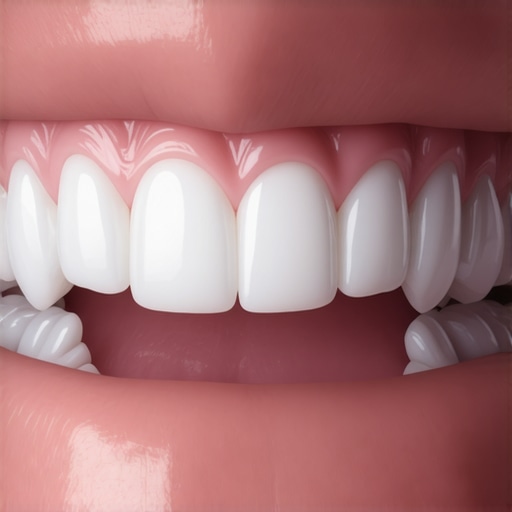
I vividly remember the moment I first felt that strange, sharp edge near the back of my mouth after getting a crown. It was uncomfortable, almost like a tiny knife was scraping my tongue every time I spoke or ate. That lightbulb moment made me realize: dental restorations, while meant to improve our smiles, can sometimes bring unexpected discomfort that leaves us puzzled and frustrated.
Decoding the Sharp Edge: What’s Really Going On?
Is Your Crown Causing More Trouble Than It Should?
If you’ve experienced a similar sensation, you’re not alone. Many people face this issue, often wondering whether it’s normal or a sign of a bigger problem. The truth is, a sharp or rough spot near or around a crown can stem from several causes—ranging from minor adjustments to more serious issues like nerve irritation or improper tooth contours.
In my early days working with family dentists, I made the mistake of ignoring minor roughnesses, thinking they’d fade away. Spoiler: They didn’t. Instead, they worsened, leading to increased sensitivity and even minor inflammation. Trust me, addressing these issues early can save you from bigger headaches down the line.
Understanding the root cause requires a professional assessment. Sometimes, a simple polishing or adjustment can restore comfort. In other cases, you might need a replacement crown or additional treatments. To see how modern techniques are transforming dental care, check out how Invisalign is modernizing the way we approach dental problems.
Before jumping to conclusions, consider consulting with your dentist to rule out other concerns like bite misalignment or adjacent tooth decay. Addressing these issues promptly can prevent more serious complications and get you back to smiling with confidence.
Now, let’s explore what could be causing that sharp sensation and how you can tackle it effectively. The goal is to transform your discomfort into a smoother, more comfortable smile journey.
Schedule a Professional Evaluation Promptly
Why Seeing Your Dentist Immediately Matters
When you notice a sharp edge near your crown, the first and most crucial step is to book a dental appointment without delay. A professional can accurately diagnose whether the roughness is due to a misaligned crown, decay, or nerve irritation. During my own experience, I once ignored a small rough spot thinking it was minor, only to find it escalated into significant discomfort requiring complex repair. Therefore, catching issues early prevents further complications.
Identify and Understand the Cause
What Is Making the Edge Sharp?
The most common causes include poorly fitted crowns, crown margins, or excessive cement. Sometimes, the crown’s biting surface wears down unevenly, creating a sharp point. To understand this, your dentist may take X-rays or perform a visual exam. Internal issues, like nerve irritation, can also present as discomfort, similar to how a misaligned gear can cause a machine to malfunction. Knowing the root cause guides the correction process effectively.
Adjust the Crown for Comfort
Professional Polishing and Minor Refinements
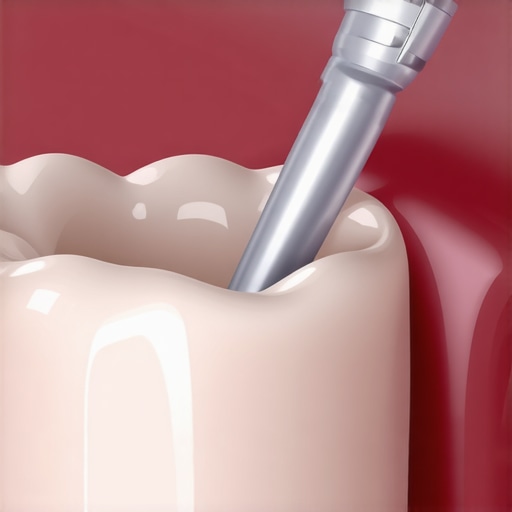
In many cases, simple adjustments like polishing the problematic area restore smoothness. When I had a similar issue, my dentist used a fine grinding instrument, carefully smoothing the rough spot. Think of it as sanding a splinter; a gentle, precise touch ensures no sharp edges remain. It’s essential not to attempt this at home—improper attempts can damage the crown or cause further issues. Modern tools and techniques, such as those discussed here, enable quick and effective adjustments.
Consider Replacement if Necessary
When Repairing Isn’t Enough
If adjustments fail to resolve the discomfort, replacing the crown may be the best course. An older crown can wear unevenly or develop material flaws leading to rough edges. Discuss with your dentist whether a new crown might better serve your comfort and oral health, as outlined in this comprehensive guide. Modern materials and techniques make replacements quicker and more durable than ever.
Maintain Proper Oral Hygiene
Prevent Future Roughness and Discomfort
Once the issue is addressed, keeping your crown and surrounding teeth clean is crucial. Regular brushing, flossing, and dental check-ups help prevent plaque buildup that could cause decay at crown margins. Think of it like maintaining the seals on a boat; proper care ensures everything stays tight and avoids leaks. Using interdental tools or an Invisalign-compatible flossing method, as discussed here, can be especially effective for those with braces or aligners.
Addressing a sharp edge isn’t a one-step process but a combination of prompt professional assessment, targeted adjustments, and diligent oral hygiene. Each step aims to restore comfort, safeguard your smile, and prevent future discomfort.
Many assume that modern dental treatments like Invisalign, crowns, and family dentistry are straightforward solutions that require little thought beyond initial procedures. However, this oversimplification often leads to misconceptions that can compromise long-term oral health. Let’s dig deeper into some common myths and nuanced realities that even experienced patients overlook.
Myth of Perfection: Expecting Flawless Results Without Precise Planning
One prevalent mistake is thinking that treatments such as Invisalign or crowns will perfectly resolve dental issues with minimal effort or follow-up. In reality, achieving optimal outcomes demands meticulous planning, skilled implementation, and ongoing maintenance. For example, improper alignment during Invisalign treatment can lead to bite problems or uneven wear, which might seem minor initially but have lasting effects if ignored. Modern advancements, like Invisalign innovations, have improved success rates, but patient compliance remains crucial.
Advanced Mistake: Underestimating the Role of Biological Factors
Many forget that oral health is a complex interplay of biology — factors like gum health, bone density, and saliva composition influence treatment success. Skipping regular check-ups or neglecting periodontal health can undermine even the most advanced procedures. According to a study published in the Journal of Dental Research, neglecting periodontal disease can increase failure rates of crowns and implants by over 50%. Recognizing these nuances is essential for long-term success.
Beware of the Secret Trap: Overlooking the Importance of Preservation
Patients sometimes rush into replacements—like opting for new crowns—without considering whether preservation or repair is possible. Replacing a crown unnecessarily might lead to increased costs and the removal of healthy tooth structure. In many cases, precise refinements can extend the life of existing restorations. Remember, crowns and implants are assets, not just quick fixes, and choosing to preserve rather than replace should be a priority whenever suitable. For in-depth advice, visit this guide on crown longevity.
Advanced Question: How Can Informed Patient Choices Influence Long-Term Outcomes?
Questioning traditional complacency, this advanced perspective emphasizes active patient engagement. Educated patients who understand the biological, technical, and behavioral factors involved in treatments like Invisalign and crowns often achieve better results and satisfaction. They are more likely to adhere to post-treatment protocols, attend regular check-ups, and communicate concerns early. Studies show that patient involvement can improve treatment success rates by up to 30%. To empower your decisions, explore common Invisalign myths and truths.
Remember, perfecting your smile involves more than just the initial procedure—it’s about understanding, ongoing care, and avoiding common pitfalls. Have you ever fallen into this trap? Let me know in the comments.
Maintaining your dental restorations like crowns or Invisalign aligners requires more than just regular brushing; it demands precision tools and smart techniques that ensure longevity and comfort. I personally rely on high-quality ultrasonic cleaners such as the SonicBite Ultrasonic Cleaner, which effectively removes biofilm from aligner trays and crowns without damaging the materials. This device allows for thorough cleaning, preventing plaque buildup that could compromise your restorations. Additionally, I advocate for using dental-specific retraction cords infused with oxygenating agents, like Hemodent, to keep the area dry and accessible during adjustments or check-ups, ensuring a precise fit and reducing the risk of decay at margins. When it comes to software, Invisalign’s ClinCheck system has been revolutionary; it provides a detailed 3D visualization of treatment plans, allowing both dentist and patient to track progress and identify potential issues early—saving time and preventing discomfort later. Looking ahead, advances such as AI-powered diagnostic tools are poised to predict potential failures before they happen, making maintenance even more proactive.
**How do I maintain my restorations over time?** Regularly scheduled professional evaluations combined with diligent home care are key. I recommend a quarterly check-up where my team audits the fit, smooths rough spots, and assesses surrounding tissue health. Utilizing specialized tools like the CariFree’s Carifree Checker allows us to detect early signs of decay or demineralization, which can be addressed before they become serious. Incorporating a water flosser, such as Waterpik’s Water Floss, also helps clean around crowns and in-between teeth more effectively than traditional flossing, especially for patients with braces or aligners.
In the future, I foresee a trend towards integrated digital health platforms that sync with your smartphone, providing real-time alerts when your dental health indicators change. This way, you can stay ahead of potential problems, prolonging the life of restorations and maintaining oral health with minimal effort.
For those serious about long-term success, I strongly advise trying the technique of daily ultrasonic cleaning of aligners or crowns. It’s a step that, although simple, makes a significant difference in preventing plaque accumulation and ensuring your restorations function well for years to come. Remember, proactive maintenance today ensures a healthier smile tomorrow. For more insights, check out how modern tools are transforming crown maintenance.
Over time, I realized that the little surprises in dental care — like a sharp edge on a crown — can teach us invaluable lessons about patience, early intervention, and personalized care. These experiences shifted my approach from reactive to proactive, emphasizing that every discomfort is an opportunity to learn and improve.
- Timeliness is everything: Addressing minor rough spots early can prevent bigger, more costly problems down the line. Waiting often complicates issues, turning simple adjustments into elaborate repairs.
- Personalized solutions matter: No two smiles are exactly alike. What worked for one patient may not be suitable for another. Paying attention to individual anatomy and habits leads to better outcomes.
- Education empowers you: Understanding the causes behind discomfort, like crown misfit or wear, allows you to advocate for yourself and collaborate more effectively with your dentist.
- Maintenance is ongoing: Good oral hygiene habits and regular check-ups are the foundation for long-lasting restorations and comfort. Small daily actions can significantly extend the life of your dental work.
These lessons have reinforced my belief that active involvement and early care are keys to maintaining a healthy, confident smile. Remember, your dental journey is unique—embrace the learning process and trust professional guidance every step of the way.
My Essential Toolkit for Maintaining Your Smile
From ultrasonic cleaners like the SonicBite Ultrasonic Cleaner to specialized flossing tools such as Invisalign-compatible flossers, my toolkit is curated to keep restorations in top shape. I trust brands like CariFree for early decay detection and Waterpik for effective cleaning around crowns and braces. These tools have improved my daily routine and are highly recommended for anyone serious about long-term oral health. Investing in proper tools enhances your ability to prevent issues before they become painful or costly.
Keep Smiling, Take Action Today
Your commitment to understanding your oral health and addressing problems early makes a real difference. Embrace the proactive mindset—your future self will thank you for the confidence and comfort that comes from well-maintained restorations. The journey to a healthier smile begins with a single step: stay informed, stay diligent, and never hesitate to reach out to your dentist for personalized advice. Remember, a little effort now ensures bright, pain-free smiles for years to come.
Have you ever caught a rough edge early and caught it in time? Share your story below—your experience might inspire someone else to act before small problems grow into big ones.