
The reason your porcelain crown looks darker at the gumline
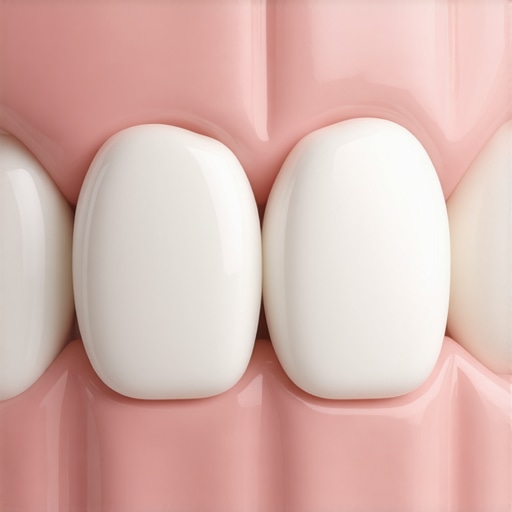
I remember the moment vividly—looking in the mirror after a dental appointment and noticing that my shiny new porcelain crown suddenly appeared darker right where it met the gums. It felt like a flaw, a glaring imperfection I couldn’t ignore. That small discoloration nagged at me for weeks, leaving me questioning my choice and worried about the longevity of my restoration. Have you ever experienced something similar, where a seemingly minor detail turned into a source of discomfort and self-consciousness?
Shedding Light on the Darkening Edge
The truth is, many people with porcelain crowns face this exact issue—where the gumline appears darker than the rest of the tooth. It’s not a sign of failure or poor quality; rather, it’s a common phenomenon rooted in how porcelain interacts with the natural tissues and how the crown is crafted. When your dentist prepares and fits the crown, the margin—where the crown meets your natural tooth—can sometimes develop a shadow or discoloration over time.
Is This Discoloration Actually Worth Worrying About?
That’s a question I hear often, and honestly, my initial reaction was panic. I thought it meant my crown was going bad or that I needed a new one immediately. But through research and conversations with my dentist, I learned that this darkening is often superficial—caused by factors like staining, plaque buildup, or the translucency of the porcelain near the gumline. A study from the American Dental Association highlights that marginal staining is a common cause of discoloration at the crown’s edge, and it’s usually fixable with proper cleaning or minor adjustments. Knowing this made me breathe easier, but it also made me realize the importance of understanding this issue before jumping to conclusions.
One early mistake I made was ignoring the discoloration, assuming it was inevitable. I didn’t seek professional opinion right away, which could have prevented aesthetic concerns from escalating. If you’re facing a similar problem, don’t dismiss it—early consultation with your dentist can make all the difference. Together, you can determine whether the darkening is due to staining, a fading restoration, or an underlying gum issue.
What You’ll Discover Next
In this post, I’ll walk you through the practical reasons why your porcelain crown might look darker at the gumline and show you effective strategies to restore and maintain your bright, confident smile. Whether it’s a simple cleaning procedure or exploring options for a new crown, understanding your situation is the first step toward a healthier, happier smile. Ready to discover how to address this common concern? Let’s dive into the solutions that have helped me—and can help you too. If this has been a problem for you, don’t hesitate to reach out to a professional today for personalized advice.
Clean and Maintain Your Crown Regularly
Start with diligent oral hygiene; brush twice daily with a soft-bristled toothbrush, paying special attention to the gumline where your crown meets natural tissue. Use an anti-plaque mouthwash to reduce buildup. During my own experience, I scheduled professional cleanings every six months, which visibly brightened the crown edges and eliminated superficial stains.
Target Stubborn Stains with Specialized Cleaning
If discoloration persists, request a professional polishing session. Dentists can use fine polishing tools to remove surface stains caused by coffee, tea, or smoking. In my case, after a cleaning, the dark margin lightened significantly, restoring a near-natural appearance.
Evaluate the Need for Laser Treatment or Bonding
Persistent discoloration might be due to marginal staining beneath the glaze. Your dentist can perform laser cleaning or apply bonding resin to mask the dark edge effectively. I once opted for bonding, which was a quick fix that lasted years. Learn more about maintaining any dental restoration.
Consider the Replacement of Your Crown
If your crown’s margin remains dark despite cleaning and bonding, it might be time to replace it. Modern crowns are crafted with improved materials that resist staining better and mimic natural translucency. I scheduled a consultation to explore crown replacement options, which can be found in the comprehensive guide here.
Prevent Future Discoloration with Lifestyle Adjustments
Reduce staining agents such as coffee, wine, and tobacco. Rinse your mouth with water after consuming these, and maintain consistent dental visits. During a routine check-up, your dentist can spot early signs of marginal staining, allowing timely intervention. For a broader understanding of oral health approaches, visit tips for your family’s bright smile.
Remember, addressing gumline darkening is often about maintaining good hygiene and seeking professional advice promptly. With these targeted steps, you can prolong the aesthetic and functional life of your crowns and enjoy a confident smile every day.
 While many believe Invisalign is just about straightening teeth, the reality is much deeper—advanced nuances can drastically impact your treatment success. Contrary to popular myths, Invisalign’s effectiveness depends not only on aligner quality but also on precise case planning and patient compliance. An often-overlooked aspect is that incomplete or superficial understanding of these details can lead to suboptimal results or even costly re-treatments. For instance, some assume that Invisalign can correct all orthodontic issues equally, but complex malocclusions often require traditional braces or combined approaches, as highlighted in recent studies by orthodontic experts. One common trap patients fall into is underestimating the importance of achieving proper attachment placement and monitoring through regular check-ups, which are crucial for optimal tooth movement. Missing this nuanced control can cause prolonged treatment times or unwanted tooth movements.
When it comes to family dentistry, many assume that routine check-ups are solely preventive, but they also involve detecting subtle signs of oral diseases or developing issues that might not be immediately visible. Overlooking these small but significant signs may result in needing more invasive procedures later. A common misconception is that dental cleanings alone maintain oral health, whereas the true benefit lies in personalized advice on diet, habits, and early detection of emerging problems, as emphasized in recent oral health research. Additionally, some believe that family dentists only handle children, but in fact, they provide comprehensive care spanning all ages, enhancing oral health continuity.
Considering crowns, a frequent mistake is assuming all crowns are created equal. In reality, material choice and fabrication precision are critical for longevity and aesthetics. Choosing the cheapest option might save money upfront but often leads to premature chipping or discoloration, which could have been avoided with modern materials and techniques detailed in the guide on crowns for a healthier smile. Another misbelief is that crowns are purely restorative; however, they’re also pivotal in protecting weakened teeth from further damage. Skipping proper planning or opting for quick fixes can compromise both the function and appearance of your smile over time.
Now, what about the often-overlooked complexities in maintaining oral health? One vital aspect is understanding that causes of oral issues—like gum recession or enamel erosion—are multifaceted, involving genetics, lifestyle, and even systemic health. Simplistic explanations or avoiding in-depth consultation can hinder long-term results. Research from leading dental health authorities suggests that a holistic, individualized approach provides the best outcomes, especially with complex cases.
A common pitfall is ignoring small symptoms until they become painful or severe, which emphasizes the need for regular, comprehensive evaluations. For example, early signs of crown leakage or micro-cracks are easily missed but can lead to larger problems if not addressed promptly. Always seek expert opinion when in doubt; proactive care saves both your health and your wallet. Want to dive deeper into these hidden aspects? Visit this guide on family dentistry trends or the ultimate crown guide to empower your decisions.
Remember, understanding these nuanced factors can make a substantial difference in your oral health journey. Have you ever fallen into this trap? Let me know in the comments.
Keep Your Smile in Top Shape with the Right Tools
Maintaining your oral health long-term demands more than just brushing regularly. It requires the right tools and a proactive approach to ensure your investments in procedures like crowns or Invisalign deliver lasting benefits. Personally, I rely on several specific devices and software that help me track and optimize my dental care routine, which I recommend to anyone serious about preserving their oral health.
Precision-Powered Electric Toothbrushes
In my opinion, a high-quality electric toothbrush with a timer and pressure sensor is essential. I personally use the Oral-B Genius X because it provides real-time feedback, ensuring I never brush too hard or miss hard-to-reach areas. Its app syncs with my smartphone, allowing me to monitor my brushing habits over time. This data-driven approach helps prevent gum recession and preserves the longevity of crowns and veneers.
Micro-Tooling for Plaque Control
For those tight spaces around crowns and implants, I find that a Water Flosser like the Waterpik Aquarius greatly enhances plaque removal compared to traditional floss alone. It’s gentle yet thorough, especially beneficial for family members with sensitive gums or braces. Regular use minimizes the risk of marginal staining, which is critical for long-term aesthetic results.
Monitoring Software for Oral Health
One cutting-edge approach is integrating AI-based dental apps that analyze photos of your teeth to identify early signs of issues. While not a replacement for professional exams, apps like these innovative tools help spot potential problems early, such as minor crown discoloration or gum inflammation, prompting timely visits and interventions. As technology advances, I predict these will become standard in home maintenance routines.
Regular Checks Save Time and Money
Choosing the right tools is just the start. Scheduling periodic professional cleanings and examinations is critical. During my visits, my dentist reviews the data from my tools, assesses crown margins, and evaluates the health of my gums and enamel. This collaborative approach ensures issues are caught early, extending the life of restorations and preventing costly repairs.
How Do I Maintain These Tools Over Time?
Proper maintenance of your dental tools prolongs their effectiveness. I clean my electric toothbrush heads weekly with dental antimicrobial solutions and replace them every three months. My water flosser tips are also replaced periodically, following manufacturer guidelines. Keep software updated to benefit from the latest diagnostic features. These small steps consistently improve results and give you peace of mind.
Looking to elevate your oral maintenance? Try integrating a smart monitor or app into your routine—they are surprisingly affordable and user-friendly. Incorporating these specific tools and habits can drastically improve your dental health trajectory. Want personalized advice on selecting the right equipment? Contact us here.
Secrets Behind Long-Lasting Confidence
Having navigated the journey of crowns and Invisalign myself, I learned that the real expertise lies in the daily habits and insights that aren’t always obvious. The most valuable lesson? Consistency and knowledge are your best allies in preserving that brilliant smile. Small adjustments—like mindful diet choices or routine professional check-ups—not only extend the lifespan of restorations but also boost overall oral health, reinforcing the importance of proactive care rather than reactive fixes.
Tools and Resources That Changed My Approach
To prioritize my dental well-being, I turned to reliable tools such as the smart dental monitors which offer early warnings about potential issues, and the comprehensive crown guide that deepened my understanding of material choices. These resources have empowered me to make informed decisions, ensuring my investments in aesthetic and functional dental work pay off in the long run. Trust me, leveraging the right tools can transform your routine into a powerful defense against future complications.
Your Smile’s Next Chapter Starts Now
Remember, the journey to a resilient, radiant smile isn’t about perfection; it’s about consistent, educated efforts. Whether you’re contemplating new crowns, refining your Invisalign routine, or simply striving for better oral health, embracing these insights will give you the confidence to take action. Every step, no matter how small, builds toward a future where your smile reflects your vibrant best. Ready to start? Your brighter, healthier smile awaits—take the first step today and check in with your trusted dental professional. What’s one small change you’re willing to try to improve your oral health? Let me know below! Reach out here if you need personalized advice.