
Why your gums feel sore after switching to a new toothpaste
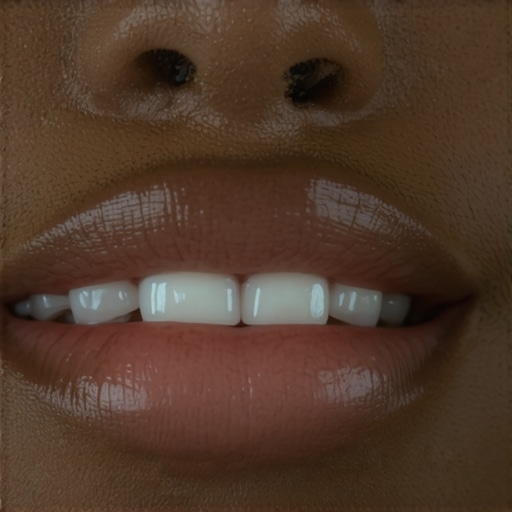
Have you ever experienced that sudden, uncomfortable soreness in your gums after trying a new toothpaste? I remember the first time I switched brands, expecting fresher breath and healthier teeth, only to be greeted with tenderness and irritation along my gumline. It was a frustrating moment—wondering if I had chosen the wrong product or if I was doing something wrong. That lightbulb moment made me realize I wasn’t alone in this, and there’s a lot to uncover about what’s really happening.
Understanding the Dawn of Gum Soreness After Changing Toothpaste
When I first noticed the soreness, I thought perhaps my gums were just sensitive or that I had brushed too hard. But as days went by, the discomfort persisted. It’s surprisingly common for your gums to react negatively when switching to a different toothpaste, especially if it contains ingredients like sodium lauryl sulfate or certain whitening agents. These chemicals, while effective at cleaning and whitening, can sometimes irritate delicate gum tissues, leading to soreness or even minor inflammation.
The good news is, this isn’t necessarily a sign of a serious problem. Often, it’s your gums adjusting to new ingredients or the body’s reaction to a different chemical profile. According to the American Dental Association, sudden changes in oral care products can trigger sensitivity or irritations in some individuals, especially if they have pre-existing gum conditions or allergies.
Now, I want to help you navigate this uncomfortable experience. In this post, we’ll explore why your gums might be reacting this way and, more importantly, what practical steps you can take to soothe and protect your gums while maintaining effective oral hygiene.
Wondering if switching toothpaste is really worth the fuss?
Many people worry that changing their dental products might jeopardize their oral health. Early on, I made a mistake of switching to a trendy whitening toothpaste without checking its ingredients, which only worsened my gum soreness. It’s easy to assume that all toothpaste is created equal, but understanding what’s in your tube can make all the difference. If you’re curious about how different formulas compare, you might find it helpful to read about crowns vs. veneers or explore innovative solutions like Invisalign braces that contribute to overall oral health.
Having recognized this common issue early in my journey, I can assure you that addressing it correctly is crucial. So, let’s delve into why this happens—and exactly how you can alleviate the discomfort and keep your smile shining bright.
Identify the Cause and Switch Back Temporarily
Recognize that your gum soreness might stem from specific ingredients like sodium lauryl sulfate or whitening agents. My first approach was to revert to my previous toothpaste for a few days, which quickly alleviated the irritation. This quick reversal acts like a reset button, giving your gums a breather and confirming if your new product is the culprit. Remember, not all formulas suit everyone—think of it like trying a new dish and realizing it’s too spicy; sometimes, you need to reduce the heat to enjoy the meal.
Choose Gentle, Sensitive Formulas for Relief
Opt for toothpastes formulated for sensitive gums. These products skip harsh chemicals and include soothing agents like aloe vera or chamomile. When I switched to a sensitive toothpaste, the discomfort diminished notably within a week. Think of your gums as delicate plants—hardier than some but still needing gentle care to thrive. Using products designed for sensitive gums provides the nourishment needed for healing and reduces further irritation.
Introduce New Toothpaste Gradually
Instead of a sudden switch, transition slowly. Mix a small amount of the new toothpaste with your regular one, gradually increasing the proportion. I started with a 75% old and 25% new mix, then moved to 50/50, which helped my gums adapt without shock. This method is akin to acclimating your skin to a new skincare product; patience minimizes reactions and builds tolerance.
Enhance Oral Hygiene with Proper Technique
An aggressive brushing style can aggravate sore gums, especially when sensitive. Use a soft-bristled brush and gentle circular motions, avoiding excessive pressure. I once brushed with wildly vigorous strokes, which worsened my soreness. Adopting a gentler technique is like giving your gums a massage—they respond better and recover faster.
Incorporate Soothing Rinses and Natural Remedies
Use saltwater rinses or aqueous solutions containing aloe vera. Rinsing with warm saltwater acts as an antiseptic, calming inflammation and flushing irritants. One evening, I used a saltwater rinse before bed, and the next morning, the soreness was noticeably less. Think of this as calling in reinforcements—natural remedies are your first aid for irritated tissues.
Maintain Nutritional Support for Gum Recovery
Eat a balanced diet rich in vitamin C and omega-3 fatty acids, which promote tissue repair. I noticed faster healing when I added citrus fruits and fatty fish to my meals. Your gums are like the body’s protective walls; providing them with proper nutrients accelerates repair processes and reduces soreness.
Consult Your Dentist About Family Dental Solutions
If soreness persists beyond a week, it might be time to explore professional options like crowns, Invisalign, or other restorative solutions. For example, crowns can protect and strengthen compromised teeth, and Invisalign can improve alignment, reducing strain on gums. Visiting your dentist guarantees tailored advice. You can learn more about crowns or Invisalign that may help in preventing future gum issues. Think of professional intervention as bringing in specialists to reinforce your defenses—necessary when self-care isn’t enough.While brushing and flossing are fundamental, many individuals overlook nuanced details that significantly influence long-term dental health. For example, a common mistake is assuming that all dental restorations, like crowns, are equally effective without considering their design and material quality. Some patients believe that opting for the cheapest crown guarantees savings, but this can lead to frequent replacements and complications, which underscores the importance of choosing the right type based on durability and your unique oral needs. Additionally, misconceptions about Invisalign often lead to overlooked benefits; many think it’s solely for straightening teeth, but advanced studies show that Invisalign can also help in correcting bite issues and preventing gum disease if used correctly. Moreover, a frequent myth persists that professional cleanings alone can sustain perfect oral health, but without proper at-home care and lifestyle adjustments, plaque buildup and gum inflammation remain risks. Be cautious of falling into the trap of underestimating the importance of your daily habits—small mistakes, like inconsistent flossing or improper brushing techniques, can negate the benefits of high-quality dental work and orthodontic treatments.
What advanced steps can you take to ensure your dental treatments are truly effective over time?
One overlooked nuance is the selection of materials used in restorations; scholarly research indicates that porcelain crowns, for instance, offer both aesthetic appeal and strength, but their success depends on correct placement and material choice tailored to your bite force. For deeper insight into how these choices impact your health, consider exploring this comprehensive guide on crowns. Furthermore, understanding the true scope of family dentistry involves recognizing that comprehensive care isn’t just about addressing immediate issues—it’s about implementing preventive strategies that adapt to evolving needs. Misjudging the role of early intervention in orthodontics, like Invisalign, can lead to more invasive procedures down the line, despite the technology’s ability to address complex malocclusions. If you’re curious about how Invisalign stacks up against traditional braces in long-term health benefits, this comparison might surprise you. Don’t fall into the common trap of accepting superficial solutions; instead, remain proactive about understanding the nuanced factors that influence your dental health. Have you ever fallen into this trap? Let me know in the comments.Maintaining your oral health over time requires more than just good habits; it demands the right tools and methods that suit your unique needs. One essential piece of equipment I swear by is a sonic toothbrush like the Philips Sonicare DiamondClean. Its oscillating-rotating technology ensures deep plaque removal while being gentle on sensitive gums, which is crucial for long-term gum health. I personally find that using a sonic brush twice daily, with proper technique, significantly reduces plaque buildup and addresses early signs of receding gums. Additionally, incorporating an interdental cleaner such as the Waterpik Ultra Water Flosser has transformed my oral hygiene routine. Unlike traditional floss, the water flosser reaches difficult spots between teeth, reducing inflammation and encouraging healthy gums—especially beneficial after restorative procedures like crowns or Invisalign treatment.
For maintaining straightened teeth or alignment, I recommend using an electronic, app-connected toothbrush with real-time feedback. Devices like the Oral-B Genius X connect to their app, helping you monitor your brushing habits and correct any missed areas immediately. This technology aligns with trends in advanced family dentistry, where personalized care and tech integration enhance outcomes. As the trend toward digital dentistry continues, future tools will likely incorporate AI diagnostics and more targeted cleaning modes, making it easier to monitor your health from home.
Beyond tools, regular check-ins with your dentist are key to long-term success. I schedule professional cleanings every six months and consult about other solutions like crowns or Invisalign as part of my preventive strategy. Remember, your tools are only as good as how consistently and correctly you use them. For example, studies show that consistent use of powered toothbrushes improves plaque control compared to manual brushing alone. To stay ahead, I also update my routine with new products designed for sensitive teeth or special conditions, ensuring my routine evolves with my needs.
How do I keep my tools working efficiently and my results lasting? Regular maintenance is essential. Rinse electric brushes thoroughly after each use, replace brush heads every three months, and keep the water flosser clean to avoid bacterial growth. Also, store your devices in a dry, ventilated area, away from dust and humidity. Scheduling periodic professional evaluations ensures any issues with your equipment are addressed early, preventing breakdowns or ineffective cleaning.
Looking ahead, I predict that advancements like smart toothbrushes that sync with your health records and AI dental assistants will become standard. These innovations will provide personalized insights and alerts, making routine care even more effective. Until then, the best advice is to invest in quality tools and use them diligently. Your commitment to maintaining your tools directly translates into healthier gums, stronger teeth, and a more confident smile.
If you’re ready to elevate your oral routine, consider trying a sonic toothbrush like the Philips Sonicare DiamondClean and a Waterpik Water Flosser. These tools have genuinely made a difference in my long-term oral health, especially when combined with regular professional care. Consistent use of these advanced tools not only enhances immediate cleaning but also fosters long-term results that will support your smile for years to come. To learn more about integrating these tools into your routine, visit the [Family Dentistry Trends](https://familydentistpro.com/family-dentistry-trends-improving-oral-health-for-all-ages) and stay updated on the latest in dental tech innovations.
3 Surprising Truths I Discovered About Gummy Reactions
– I realized that my gums’ irritation was often a signal, not a setback—an early warning that I needed to pay closer attention to ingredient effects, which made me more mindful about product selection.
– Over time, I learned that patience during transition is crucial; rushing to a new toothpaste can cause unnecessary discomfort, but gradual change allows for natural adaptation.
– I discovered that not all sensitivities are allergies—sometimes, it’s just your body’s way of saying, “Hey, let’s approach this differently,” prompting me to explore formulations tailored for delicate gums.
– My biggest lightbulb moment came when I understood that maintaining good oral health isn’t just about what you do, but how you listen to your body’s responses, leading to smarter choices about dental care routines.
Tools & Resources That Made My Journey Easier
To truly grasp the nuances of family dentistry and to optimize my routine, I relied on specific tools and trusted sources:
– The Philips Sonicare DiamondClean became my go-to for gentle yet thorough cleaning, especially beneficial for sensitive gums.
– The Waterpik Ultra Water Flosser helped me access hard-to-reach areas, reducing inflammation and supporting healthier tissues.
– I also turned to informative resources like this comprehensive crown guide and latest Invisalign insights to stay informed about advanced treatment options.
– Regular checkups with my dentist became essential for personalized advice and early identification of issues, ensuring my efforts paid off effectively.
Your Smile Is a Journey—Keep Moving Forward
Remember, each small step you take toward understanding your body’s responses and investing in the right tools can make a profound difference in your long-term oral health. With patience, the right guidance, and determination, you can navigate gum sensitivities and other challenges with confidence. Your smile deserves that attention—so go ahead, embrace the process and keep shining.
What’s been your biggest lesson with switching dental products or managing gum sensitivity? Share your experience below—I’d love to hear how you’ve tackled these common hurdles.