
How to clean your tongue without triggering a gag reflex
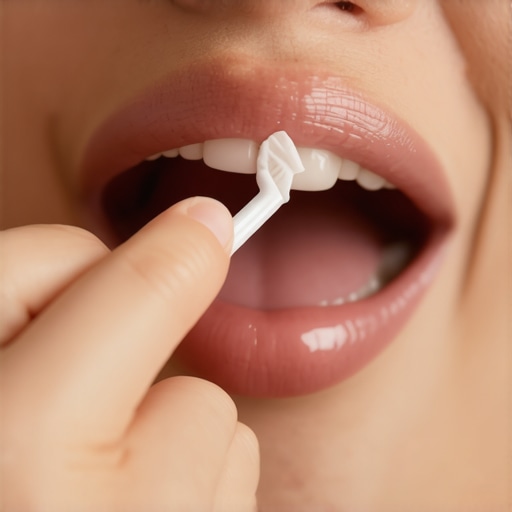
Have you ever found yourself gagging uncontrollably just trying to give your tongue a quick scrub? I remember the first time I attempted to clean my tongue thoroughly—I ended up sputtering and dodging my reflection in the mirror, wondering why it was so painful and uncomfortable. That moment was a real lightbulb for me: maintaining a fresh mouth shouldn’t be a battle with my gag reflex.
Ensuring good oral hygiene can sometimes feel like walking a tightrope, especially when you’re trying to clean your tongue without triggering that dreaded gag. But here’s the thing—I’ve learned over years of trial, error, and a good dose of patience that it’s entirely possible. Today, I want to share some of my best tips and tricks to help you conquer this common challenge.
Why Your Gag Reflex Makes Tongue Cleaning So Tricky
Many people don’t realize that the gag reflex is an involuntary response designed to protect your throat from foreign objects. It tends to be hyper-sensitive in some, making simple tasks like tongue scraping feel like an insurmountable hurdle. Believe it or not, this reflex can be so sensitive that even thinking about touching the back of your tongue makes you gag.
Early on, I made the mistake of using a large, stiff brush, which only intensified my gagging fit. It’s a common error—many default to aggressive tools when a gentle approach is what’s truly needed. As pointed out in recent research, being mindful of your gag trigger points and using proper techniques is crucial to overcoming this hurdle (source: https://familydentistpro.com/top-oral-health-tips-for-your-familys-bright-smiles).
Today, I’m here to walk you through practical, doable steps that have helped me—and many others—get over that gag reflex embarrassment and become confident in maintaining our oral health. Let’s dive into the methods that make tongue cleaning easier, safer, and less stressful—so you can enjoy fresher breath and healthier teeth without the fight.
Start with the Right Tools and Technique
Choose a soft, flexible tongue scraper or a small, gentle toothbrush to avoid overstimulating your gag reflex. I recall the first time I used a silicone tongue cleaner—it was soft and pliable, unlike the stiff plastic brushes I had tried before. I placed it at the tip of my tongue, gently pressed, and slowly pulled it forward, avoiding the back of my tongue where my gag trigger was strongest. This low-pressure, front-to-back movement minimizes discomfort and builds familiarity, making subsequent sessions easier.
Gradually Increase the Reach
If touching the back of your tongue provokes gagging, don’t force it immediately. Instead, start by cleaning the front third of your tongue daily, then gradually extend toward the middle over a week or two. During my early days, I focused only on the tip and middle sections, avoiding the posterior. Over time, I noticed my reflex became less sensitive, and I could reach further without gagging. This incremental approach is like training a muscle—patience is key.
Practice Breathing Through Your Nose
Concentrate on steady nasal breathing—this helps calm your gag reflex. Once, during a particularly sensitive session, I consciously slowed my breathing, inhaling deeply through my nose and exhaling gently. It created a soothing rhythm that distracted my gag response. If nose breathing feels strange at first, try inhaling slowly through your nose for a count of four, then exhale for the same, keeping your throat relaxed. This technique reduces anxiety and physiological responses that heighten gagging.
Distraction and Relaxation Techniques
Distraction can be surprisingly effective. Listen to calming music or focus your mind on a mental image of something pleasant while cleaning your tongue. I personally find that counting backward from 100 helps divert attention from the gag triggers. Additionally, keep your jaw relaxed and avoid clenching your teeth—tension amplifies gagging. Practicing gentle jaw stretches before cleaning sessions can ease tension and decrease gag sensitivity.
Use Peppermint or Herbal Mouth Rinses
Strong, pleasant flavors can mask the gag-inducing sensation. Swishing with a peppermint or herbal rinse shortly before tongue cleaning helps reduce the reflex’s intensity. I discovered this when trying to clean my tongue after a hearty meal; the mint flavor made the sensation more tolerable, and I was able to extend my reach gradually. However, avoid overly spicy or harsh rinses that could irritate your mouth further.
Consistency and Patience
The most vital step is regular practice. Schedule daily sessions for just a minute or two, gradually increasing as comfort improves. I remember initially struggling with gagging every time, but with consistent, gentle practice, I saw my reflex diminish. Think of this process as retraining your body—what once felt impossible becomes second nature with time and patience.
Remember the Bigger Picture
Effective tongue cleaning contributes significantly to overall oral health, fresh breath, and even your confidence. Once I mastered these techniques, I was surprised how much fresher my mouth felt. Taking small, deliberate steps makes the process manageable, and over time, this becomes a simple, routine part of your oral care. For more tips on maintaining a comprehensive family dental routine, visit this guide. Keep experimenting until you find what works best for you—your mouth will thank you.Many patients believe that dental crowns are a quick fix or that they can last forever without maintenance, but the reality is more nuanced. One widespread myth is that all crowns are made equally durable; however, the choice of material and expert placement significantly influence longevity. For instance, porcelain-fused-to-metal crowns offer strength but may show metal margins over time if not correctly managed, as discussed in our detailed guide on [choosing the right crown](https://familydentistpro.com/choosing-the-right-crown-expert-advice-for-long-lasting-results). Moreover, many assume that crowns eliminate the need for regular dental check-ups—they do not. Proper hygiene and routine visits are essential for detecting issues early and ensuring the crown’s longevity. A common mistake is neglecting underlying gum health, which can lead to decay or periodontal problems around the crown, jeopardizing the restoration.
Switching focus to broader oral health beliefs, some think that flossing is optional with crowns, but improper cleaning around crowns can invite decay at the margins. Advanced practitioners know that specialized flossers and interdental brushes are crucial for maintaining these restorations, aligning with modern family oral health strategies found [here](https://familydentistpro.com/top-oral-health-tips-for-your-familys-bright-smiles).
Transitioning to family dentistry, there’s a misconception that children should only see the dentist when there’s a problem. In reality, early and regular visits help prevent cavities and teach lifelong healthy habits. Early intervention is key, and modern techniques now allow for minimally invasive treatments that reduce discomfort and build trust. Think of family dentistry as an ongoing partnership—neglecting routine care can lead to more complex and costly procedures later.
When it comes to Invisalign, many think it’s only for teenagers seeking aesthetic improvements. In fact, adult patients increasingly choose Invisalign for its discreet nature and convenience—facilitating a professional lifestyle without the embarrassment of traditional braces. One common mistake is assuming Invisalign trays are only effective for minor corrections. In expert hands, Invisalign can handle complex bite issues as evidenced in ongoing studies and clinical results ([see recent research](https://familydentistpro.com/invisalign-myths-debunked-what-you-need-to-know-today)).
Making sense of these nuances underscores a crucial point: no single approach fits all in dental care. Personalized assessments and expert advice ensure long-term success and health. Preventive measures, routine check-ups, and choosing the right treatment options are fundamental—don’t fall into the trap of misconceptions that might jeopardize your oral health. Have you ever fallen into this trap? Let me know in the comments and share your experiences.Maintaining your dental crowns, Invisalign aligners, and overall oral health requires more than just routine brushing. Investing in the right tools and adopting effective methods can extend the lifespan of your restorations and ensure your smile stays bright. One of my favorite instruments is the interdental brush; I personally use a tapered, rubber-cored interdental cleaner because it effortlessly cleans around crowns and braces without causing damage. Unlike traditional floss, this tool reaches stubborn plaque along your gumline and beneath restorations, reducing the risk of decay or gum disease. Additionally, I recommend a sonic toothbrush—specifically, models like the Philips Sonicare—that uses high-frequency vibrations to dislodge plaque in hard-to-reach areas, which manual brushes often miss. Regularly replacing your toothbrush or brush head is crucial; I set reminders every three months to prevent bacterial buildup and maintain cleaning efficacy, aligning with advice from dental experts on oral hygiene best practices.
For cleaning Invisalign trays, I swear by soaking them in a specialized retainer cleaning solution—colored tablets like Efferdent prevent cloudiness and odor buildup. This routine not only keeps trays clear but also minimizes the risk of maintaining bacteria or fungi. As technology progresses, I predict more dental practices will recommend ultrasonic cleaning devices for crowns and implants, providing a deeper sterilization than manual brushing. In fact, research indicates ultrasonic cleaners can reduce bacterial colonies on dental restorations more effectively than hand cleaning alone (source).
**How do I maintain my crowns and aligners over time?** The key is consistency—daily cleaning using the right tools, regular checkups with your dentist, and updating your maintenance routine as your needs evolve. For example, scheduling professional cleanings every six months ensures your restorations stay bonded and functional, preventing small issues from becoming costly repairs. I tell my patients to keep a close eye on the margins of their crowns for signs of wear or decay, and to seek early intervention if anything feels off.
A practical tip I suggest—try using a water flosser with a dedicated tip designed for braces or crowns. The pulsating water helps dislodge debris in tricky spots, making daily maintenance quicker and more thorough. Incorporating these advanced tools into your routine pays off: fewer restorations fail prematurely, and you can avoid extensive dental work down the line.
Looking ahead, the future of oral health maintenance may involve AI-powered monitoring devices that alert you when your cleaning habits need adjustment or when signs of potential issues arise. For now, trialing a high-quality sonic toothbrush paired with interdental cleaning and professional checkups remains the most effective strategy. Ready to upgrade your toolkit? Start by incorporating a sonic toothbrush and see the difference it makes in maintaining your crowns and overall oral health. Remember, the goal is to keep your restorations working flawlessly—so invest in the best tools and stay consistent. For more insights into long-term oral health strategies, visit our comprehensive guide.
What I Wish I Knew When Starting My Oral Health Journey
One of the biggest revelations was realizing that even small habits, like how I cleaned around my crowns, could dramatically extend their lifespan. I used to think that brushing alone was enough, but the truth is, targeted flossing and regular checkups made a world of difference—less decay, fewer repairs, and confident smiles.
Another eye-opener was understanding the importance of choosing the right dentist for family dental care. Not all practices are equal, and finding a provider who specializes in modern techniques like Invisalign can transform your entire experience, making maintenance easier and more effective.
The hardest lesson, however, involved patience. I learned that adjusting to new routines, whether it’s wearing aligners or caring for crowns, takes time. Perseverance pays off when you see your oral health transform, and that moment is worth every effort.
Tools That Became Game-Changers in My Routine
My secret weapons include a sonic toothbrush—the Philips Sonicare has significantly improved my plaque control—and interdental brushes designed specifically for crown areas. These tools, paired with a gentle, silicone tongue scraper, enable me to keep my mouth cleaner without triggering my gag reflex.
For maintaining Invisalign trays, I swear by soaking them in specialized cleaning tablets, which keep them odor-free and clear. I also trust ultrasonic cleaning devices for crowns, as they ensure thorough sterilization—an essential step I now never skip. To discover more about effective oral hygiene tools, I recommend visiting this comprehensive guide.
Keep Your Smile Bright and Strong
Remember, investing in your oral health isn’t just about avoiding dental repairs; it’s about reclaiming your confidence and well-being. If you’re ready to take control of your dental routine, start small, stay consistent, and celebrate each improvement.
What’s your biggest challenge when maintaining crowns or Invisalign? Share your story below—I’d love to hear your experiences and tips!