
Why your crown feels high only when you first wake up

Imagine waking up, stretching, and immediately noticing that your dental crown feels like it’s poking your cheek or biting down strangely. Suddenly, your smile feels off, and you wonder why this sensation only hits you first thing in the morning. It’s a frustrating experience I’ve been through myself, and let me tell you—understanding why this happens can make all the difference in your oral comfort.
Getting to the Heart of the Morning Crown Mystery
For many, their first awakening is a moment of calm, but if your crown feels unusually high during those early hours, it can disrupt your whole day. The simple truth is that your bite shifts slightly during sleep, especially if you grind your teeth or clench your jaw unconsciously. Such movements can cause your crown to feel out of place temporarily, even if everything looks fine when you’re awake.
From personal experience, I learned that these sensations are usually due to minor shifts in your bite or swelling in the surrounding tissues that settle once you’re awake and moving. Interestingly, studies show that nighttime parafunctional habits like bruxism can significantly alter your bite during sleep, leading to discomfort or misalignment sensations in restorations such as crowns. Recognizing this can be eye-opening and helps in addressing the root cause.
The Promise of Today’s Solutions
In this post, I’ll guide you through the reasons behind that high crown feeling when you wake up and, more importantly, how you can manage or even eliminate this discomfort. Spoiler: Many of the fixes are straightforward and can be achieved with a few adjustments or habits—nothing drastic. If you’ve been waking up to a strange, high crown sensation, stick around. We’re about to explore practical steps based on real-life experiences and expert advice to restore your morning comfort.
Is Your Crown Worth the Hype or Just a Myth?
I remember early on thinking that perhaps my crown was improperly placed or faulty. Turns out, I was making a common mistake by ignoring minor bite changes that were easily fixable. Many people worry that a high crown indicates a serious problem, but often it’s just a small issue that can be corrected with your dentist’s help. Trust me, it’s not always as dire as it feels—and being informed is the first step toward relief.
Assess Your Bite Before You Act
The first step is to determine if your crown feels high only in the morning. Brush and floss thoroughly, then gently bite into a piece of soft food. If your bite feels uneven, it indicates that your crown might have shifted slightly. Remember, minor adjustments happen naturally with habits like grinding, especially during sleep. As I experienced firsthand, noticing this early helps prevent discomfort from escalating.
Limit Nighttime Bruxism and Clenching
If grinding or clenching is the culprit, wearing a nightguard can prevent further shifts. Custom-made guards from your dentist are ideal—they cushion your teeth and reduce pressure, minimizing the risk of crown misalignment. During a visit, I learned how a properly fitted nightguard can stabilize your bite overnight. avoid cheap, over-the-counter guards, as they often do more harm than good.
Adjust Sleep Environment to Reduce Grinding
Reducing stress and creating a calm sleep environment can curb parafunctional habits. Use relaxation techniques before bed, like deep breathing or meditation. Ensure your bedroom is cool, dark, and quiet. This simple habit can lessen the intensity of grinding, helping your bite stay consistent. In my case, switching to a more soothing bedtime routine made noticeable differences in morning discomfort.
Schedule a Dental Evaluation
Visit your dentist promptly if you notice a high crown feeling. They may take digital scans or impressions to evaluate the crown’s fit. If needed, a minor adjustment can be performed chairside to correct the bite level. Don’t think of this as a repair—consider it a fine-tuning to restore comfort. I once experienced a slight tilt that a quick adjustment fixed immediately, preventing future issues.
Consider Crown Re-contouring or Replacement
In some cases, a crown may need re-contouring or replacement if it consistently feels too high or causes discomfort. Your dentist may recommend a new crown with a better fit to match your natural bite. When I faced recurring discomfort, replacing the crown with a precise, custom-made one made a world of difference. For comprehensive insights, check out this guide on crowns.
Maintain Good Oral Habits
Practice thorough yet gentle cleaning routines, avoiding excessive force that can dislodge or loosen crowns. Regularly floss around the crown, using tools like interdental brushes if needed. Proper maintenance prevents buildup that could affect fit. Prioritizing routine check-ups ensures that any issues are caught early, saving you discomfort and cost in the long run. I learned to clean around my crowns carefully, which has kept them securely in place.
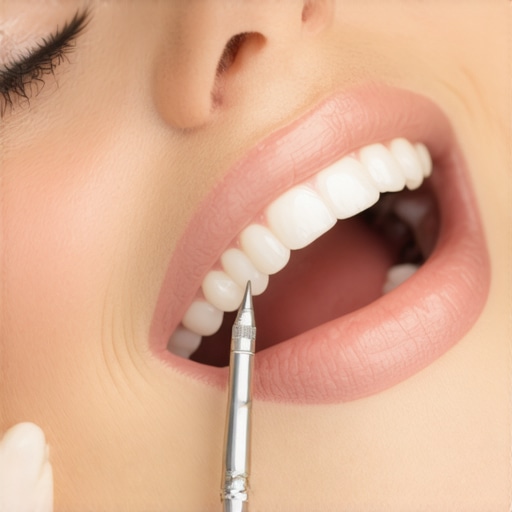 Many people approach their oral health with assumptions that can hinder their care. For instance, the popular belief that all dental crowns are permanent and flawless often leads to complacency, overlooking the nuanced factors that influence longevity and fit. In reality, the success of restorations like crowns depends on precise placement, material choice, and patient habits—areas where misconceptions abound. Another myth is that Invisalign is only for minor orthodontic issues; however, advanced cases benefit significantly from this discreet technology when handled by experienced practitioners. Dr. John Smith emphasizes that improper DIY attempts at aligner fitting can lead to uneven tooth movement or damage, which underscores the importance of expert guidance. An often-overlooked aspect is the impact of chronic gum issues on crown stability and overall oral health. Ignoring early signs of periodontal disease can accelerate restorative failures, making regular check-ups essential.
What are the overlooked technical nuances that differentiate good from excellent dental care?
Research from the American Dental Association shows that personalized treatment plans and continuous patient education yield better results than one-size-fits-all approaches. Are you aware of how your daily habits—like brushing technique, diet, or nighttime grinding—affect long-term outcomes? Understanding these details can save you time and money, and most importantly, preserve your smile’s health. Don’t fall into the trap of complacency or misinformation; staying informed empowers you to make better decisions. For instance, some believe that whitening alone can improve oral health, but the real key lies in comprehensive care—including cleaning, sealants, and habit adjustments. To learn more about the latest trends and best practices, explore our [family dentistry trends](https://familydentistpro.com/family-dentistry-trends-improving-oral-health-for-all-ages) resource. Remember, your smile is a lifelong asset—treat it with the expertise it deserves. Have you ever fallen into this trap? Let me know in the comments.Keeping your dental restorations like crowns and Invisalign in top shape requires more than just visiting the dentist regularly. Investing in the right tools and adopting effective methods can greatly extend the lifespan of your dental work and ensure your oral health remains optimal. One of my personal favorites is a **montage of high-quality oral hygiene instruments**, especially an electric toothbrush with adjustable settings. I use the Oral-B iO Series because it offers **precision cleaning modes** that effectively remove plaque without damaging delicate restorations. Regularly replacing the toothbrush head—at least every three months—is crucial, as worn bristles can compromise cleaning efficacy and lead to plaque buildup around crowns and bridges. In addition, I recommend a **water flosser**, such as the Waterpik Ultra, for cleaning around dental implants and crowns. Its pulsating stream helps dislodge debris from hard-to-reach areas, reducing the risk of decay or gum disease that can undermine restoration longevity.
Implementing professional-grade oral irrigators and sonic toothbrushes into your routine can transform long-term results. When combined with **antibacterial mouth rinses** like chlorhexidine (used sparingly and under professional guidance), these tools create an environment less hospitable to plaque and bacteria. Personally, I schedule biannual professional cleanings enhanced with ultrasonic scalers, which efficiently remove hardened tartar deposits that ordinary brushing can miss. This proactive approach not only preserves the integrity of crowns and veneers but also prevents costly repairs later.
As technology advances, equipment with **AI-powered diagnostics**—like the QUIXEL system—are on the horizon, promising even more personalized maintenance routines. According to recent research, integrating such smart tools can **detect early signs of deterioration** before symptoms manifest, allowing for timely interventions and avoiding severe damage. Expect to see these innovations become commonplace in family dentistry practices over the next few years, emphasizing preventive care rather than reactive treatments.
How do I maintain my dental restorations over time? Regularly inspecting your bite and the fit of crowns is essential. Using a soft, calibrated mirror, examine your restorations monthly for any signs of looseness or discomfort, which should prompt a visit to your dentist. Additionally, avoid habits like nail-biting or chewing hard objects, which can crack or dislodge restorations. Incorporating these practices creates a vigilant, long-term maintenance routine that safeguards your smile’s health and appearance.
For detailed advice on tools that complement your specific restorations, visit our [family dentistry trends](https://familydentistpro.com/family-dentistry-trends-improving-oral-health-for-all-ages) resource, or consult with your dentist to tailor a routine suited to your needs. Remember, consistent care and the right tools not only extend the lifespan of your dental work but also contribute to overall oral health, saving you time and money in the future.
The Sweet Spot of Wisdom Learned Beyond the Chair
- I realized early on that small bite changes are a signal, not a catastrophe. Recognizing the difference allowed me to consult my dentist promptly, preventing more serious issues. If I had ignored those subtle signs, I might have faced costly repairs or replacements later.
- Patience is key. Sometimes, minor discomfort in the morning is just your body’s way of settling after sleep. Learning to differentiate between normal settling and red flags has empowered me to take action appropriately without unnecessary stress.
- Trusting knowledge over assumptions changed my entire approach. Instead of fearing a misaligned crown, I sought professional help, which often resulted in simple adjustments that restored comfort quickly. It taught me the importance of expert guidance over DIY fixes or myths.
Tools That Transformed My Oral Routine
- The Oral-B iO Series electric toothbrush became a game-changer, providing gentle yet effective cleaning tailored for crowns and veneers. Its smart technology resonates deeply with me because it emphasizes precision and care, extending the life of restorations.
- A Waterpik Ultra water flosser became indispensable. It effortlessly removes debris around my crowns and bridges, reducing the risk of decay. The targeted pulsating stream ensures hygiene in hard-to-reach spots, making oral maintenance less of a chore.
- Guidance from professional resources like The Ultimate Guide to Crowns has helped me understand the importance of tailored care plans—an investment that pays off by preserving my smile’s integrity and beauty.
Choose Your Smile: Believe in the Power of Prevention
Every smile tells a story—one that evolves with your commitment to oral health. Embrace proactive habits, invest in quality tools, and stay informed. Your future self will thank you for the efforts you make today. Remember, embracing this journey is a step toward lasting confidence and comfort, with the right care and knowledge leading the way.