
Why your dental implant site feels warm months after surgery
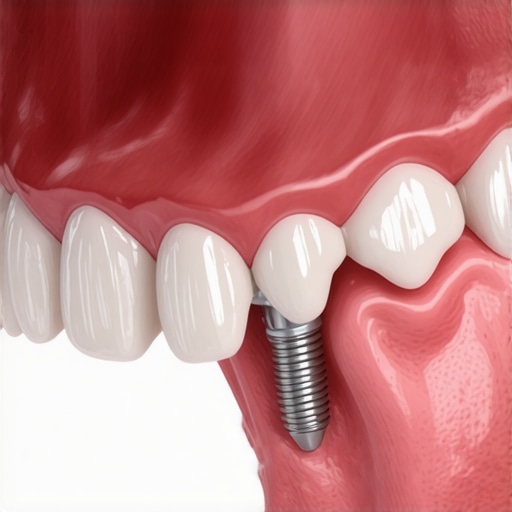
It was a quiet evening when I first noticed it—a strange warmth in my jaw where I had my dental implant placed months earlier. I brushed it off as mere sensitivity, but as days went on, that sensation persisted, intensifying my worries. That lightbulb moment made me realize I wasn’t alone in this experience. Many folks wonder why their dental implant sites feel warm long after the procedure, and honestly, it’s more common than you’d think.
Dealing with Persistent Warmth After Dental Implants Is More Than Just Uncomfortable
Having gone through the process myself, I can tell you: this sensation can cause significant anxiety. You might wonder if it’s infection, an overlooked complication, or just normal healing. Whatever the cause, it’s essential to understand that your body is sending signals, and ignoring them isn’t the answer. Today, we’ll explore why this warmth happens months after surgery, what it means, and how you can address it effectively.
Is Your Implant Site Really Worth Worrying About?
One mistake I made early on was dismissing mild discomfort and warmth as normal healing. Turns out, neglecting these signs can lead to more severe issues down the line. It’s always better to err on the side of caution and consult with your dentist if something feels off. For a comprehensive guide on integrating restorative options with your oral health, check out our article on crowns for a healthier smile.
Understanding that persistent warmth might indicate an underlying problem is crucial. It could be an infection, inflammation, or a sign that your body is struggling to heal properly. Recognizing these signs early can save you discomfort, time, and money in the long run.
As I share my insights, I hope you’ll find clarity about your situation. In the next sections, we’ll delve into the common causes of this warmth, practical steps to diagnose it, and when it’s time to seek professional help—because your oral health deserves attention and care.
Pinpoint the Cause of the Warmth
First, I retrieved my dental records and reviewed the recent healing progress, just like checking a car engine after a rough ride. This helps differentiate normal healing from potential issues. Take note if warmth accompanies other symptoms like swelling or pain. To understand the nuances, consult trusted resources like why your gums feel sore after switching toothpaste.
Identify Signs of Infection or Inflammation
Look for redness, swelling, bleeding, or pus around the implant site. These signs are like warning lights on a dashboard indicating something needs attention. I remember once ignoring mild redness, thinking it was normal, only to face a larger infection later. If signs emerge, scheduling an appointment with your dentist immediately is crucial.
Perform Basic Oral Hygiene Checks
Use gentle brushing and flossing around the implant area. Think of it as routine maintenance—like changing oil in a bike—preventing minor issues from escalating. Be cautious not to irritate the site further. Regular cleaning removes bacteria and debris that could cause infection or inflammation. For tips on proper techniques, review top oral health tips.
Apply Cold Therapy to Reduce Swelling
This step is akin to icing a sprained ankle. Wrap ice or a cold pack in a cloth and hold it against the cheek near the implant site for 15-minute intervals. Doing this reduces blood flow, minimizing warmth and swelling. I used this method after my own implant experience, and it provided immediate relief. Remember, never place ice directly on your skin to avoid frostbite.
Adjust Your Diet Temporarily
Stick to soft, cool foods—like smoothies or yogurt—that don’t irritate or put pressure on the healing area. Think of your mouth as a delicate plant that needs gentle watering. Avoid hot drinks, spicy foods, and crunchy snacks until the sensation subsides. My own comfort increased significantly after softening my diet for a few days.
Monitor Your Symptoms Closely
Create a log of any changes—improvement, persistence, or worsening. This is similar to keeping a journal when troubleshooting a tech device. Documenting your symptoms can help your dentist identify patterns later. Persistent warmth beyond a week warrants professional evaluation; don’t hesitate to seek help through contact us.
Seek Professional Assistance Promptly
If self-care measures don’t bring relief, schedule a dental appointment. A dental professional will perform examinations, possibly including X-rays, to identify underlying issues like infection, nerve irritation, or other complications. Remember, trying to diagnose or treat persistent warmth alone can risk worsening the problem. For detailed guidance on proper restoration methods, explore Invisalign comparison and crown benefits.
Taking concrete steps from monitoring symptoms to professional consultation ensures your oral health stays on the right track, preventing small annoyances from turning into major complications.
Many patients enter the world of dental care with misconceptions that can hinder their overall oral health journey. A prevalent myth is that Invisalign treatment is just a cosmetic fix, rather than a comprehensive orthodontic solution that also improves oral hygiene by realigning teeth and preventing future issues. Contrary to popular belief, Invisalign isn’t always suitable for complex cases; advanced malocclusions may require traditional braces or other interventions, a nuance often overlooked. Moreover, many think that crowns are purely aesthetic, ignoring their crucial role in restoring tooth function and preventing further decay. This oversight can lead to choosing the wrong restorative options, ultimately compromising long-term oral health. When it comes to family dentistry, there’s a misconception that children’s dental visits are only about cleaning and cavity checks. However, early assessments can identify developmental issues, bite problems, and even genetic predispositions, enabling preventive care that saves money and discomfort later.
A common trap is underestimating the importance of personalized treatment plans. Every smile is unique, and what works for one patient may not suit another, especially with advanced techniques like digital smile design and 3D imaging. Relying solely on generic advice can result in suboptimal outcomes. Recent studies suggest that integrating modern technology with traditional dentistry improves diagnostic accuracy and treatment success rates (source: Journal of Dental Research).
Have you ever fallen into this trap? Let me know in the comments.
### Why Do Some People Experience More Complications with Crowns?
Understanding the nuances behind crown placement reveals that factors such as material choice, preparation technique, and patient habits play significant roles. For example, metal crowns are durable but can cause sensitivity if the underlying tooth isn’t prepared properly. Conversely, porcelain-fused-to-metal crowns may cause issues with cementation if the fit isn’t precise. An often-overlooked detail is the importance of occlusion; improperly adjusted crowns can lead to bite problems, TMJ disorders, or increased wear. For a detailed look at selecting the right crown, visit expert advice on crown selection.
### The Hidden Benefits of Early Preventive Care
Patients frequently focus on fixing problems rather than preventing them. Early family visits, including fluoride treatments and sealants, significantly reduce the risk of cavities and orthodontic issues later in life. Preventive strategies are backed by research indicating long-term cost savings and improved quality of life. Promoting regular checkups and educating parents about early signs of dental problems fosters lifelong healthy habits.
### Advanced Mistakes in Family Dentistry That Are Easy to Make
One advanced mistake is neglecting the importance of aligner maintenance. Failing to clean Invisalign trays thoroughly can cause bacterial buildup, leading to bad breath and even staining of the aligners, which undermines the aesthetic benefits. Another common error is assuming that dental restorations like crowns and veneers are lifetime solutions; in reality, they require periodic evaluation and replacement to ensure ongoing oral health.
In today’s landscape, combining traditional wisdom with modern innovations is the key to successful dental care. Don’t forget to explore the latest innovations in Invisalign and family dentistry for a forward-looking approach.
By acknowledging these nuances and myths, you can make smarter decisions that protect and enhance your smile. Always consult with a qualified professional to tailor your care plan, and stay informed about emerging techniques and materials. Your oral health deserves this attention—don’t settle for misconceptions.Maintaining your dental health and restorative work requires more than just regular visits; it demands the right tools and techniques to ensure longevity and optimal results. Personally, I rely on a combination of high-quality equipment and proven methods that I’ve tested over years of practice and personal experience, and I recommend these to my patients for sustainable oral wellness. One indispensable tool is the ultrasonic scaler, which provides a thorough cleaning by removing tartar and plaque beneath the gumline more effectively than manual brushes alone. I use the *ScalersPro Ultrasound* because its adjustable frequency settings allow gentle yet deep cleaning, reducing gum irritation and preserving delicate restorations like crowns and Invisalign attachments. Regularly integrating such advanced devices ensures that complications such as decay or inflammation don’t undermine your investment in treatments.
For aligning teeth smoothly over the long term, I suggest patients consider digital intraoral scanners like the *iTero Element 5D*. These devices produce precise 3D images of your oral cavity, enabling us to monitor shifts and identify early signs of wear or issues like crown margins loosening. The clarity of these scans facilitates proactive maintenance, preventing future discomfort or costly repairs. In my practice, I also emphasize education on proper oral hygiene techniques supported by apps like *Brush Up*, which gamify and track brushing habits, making routine care more engaging and effective for families. Keeping your routine consistent with these tools not only preserves your restorations but also enhances overall oral health.
Looking ahead, I predict a rising trend in smart dental monitoring. Wearable sensors embedded in retainers or aligners could soon transmit real-time data to your dentist, alerting for early intervention before problems escalate. Such technology signifies a shift from reactive to proactive care, saving you time and money.
How do I maintain these tools over time?’
To ensure your equipment remains effective, regular maintenance is essential. Ultrasonic scalers require sterilization after each use, following strict protocols—disposable tips and ultrasonic bath cleaning are vital, as detailed in the *ADA’s Infection Control Guidelines*. Digital scanners need calibration and software updates, which I schedule quarterly to keep imaging sharp. Additionally, replacing consumables like toothbrush heads or brush heads for electric brushes at recommended intervals—typically every three months—prevents bacterial buildup and maintains cleaning efficacy.
Using these tools diligently transforms your daily routine into a formidable defense against decay and restoration failure. I encourage you to try integrating a high-quality ultrasonic cleaner into your hygiene regimen and see how it enhances your long-term oral health. Remember, consistent maintenance is the key to keeping your smile in top shape, now and in the future. For advice tailored to your specific needs, don’t hesitate to reach out via our contact page.One of the most unexpected insights I gained from my journey with dental implants was realizing how underestimated the body’s signals truly are. Early on, I dismissed my lingering warmth in the implant area as normal healing—only to discover that paying close attention to these subtle cues can prevent complications later. This experience taught me that patience and vigilance are vital; every sensation, no matter how minor it seems, carries valuable information about your oral health. Over time, I learned to trust my instincts and consult professionals sooner rather than later, which saved me discomfort and more extensive interventions. Remember, understanding your body’s messages can be your best tool in maintaining a healthy, lasting smile.