
How to tell if your Invisalign trays are actually moving your teeth
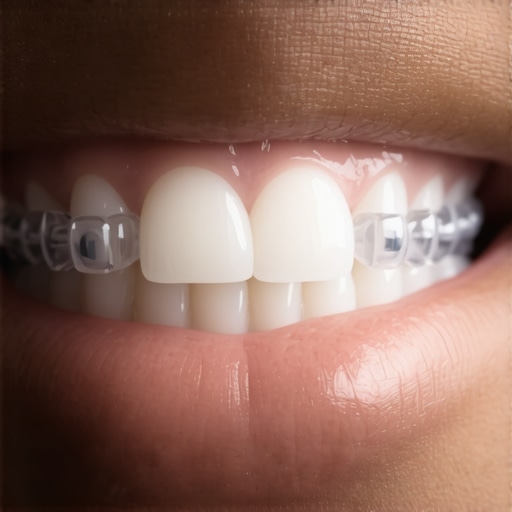
I remember the exact moment I doubted my Invisalign treatment. I’d been wearing the trays for weeks, expecting visible changes, but my teeth looked… the same. That nagging doubt crept in: Are my trays really working? It felt like I was going in circles, unsure if I was wasting my time or just not patient enough. If you’re like me, you’ve probably wondered how to tell if your Invisalign trays are actually doing their job—without constantly pestering your dentist or relying on guesswork.
Why It Matters to Know If Your Invisalign Is Working
Understanding whether your Invisalign aligns your teeth as intended isn’t just about satisfaction with your progress; it’s crucial for your oral health. If the trays aren’t actually moving your teeth, you could be delaying the results you desire or risking complications down the line. I found that initial mistake early on—thinking that just wearing the trays was enough—led to unnecessary frustration. In fact, studies show that consistent wear and proper monitoring significantly influence treatment success. Invisalign’s latest innovations make it easier than ever to track progress, but understanding what to look for yourself can be empowering.
Is It Really Possible to Tell If Your Teeth Are Moving?
When I first started my Invisalign journey, I believed that the only way to verify progress was through my dentist’s checkups. But I learned that small clues in your mouth—like the way your trays fit or new sensations—can tell you a lot. Early on, I made the mistake of ignoring subtle signs, which delayed my adjustments and extended my treatment time. Trust me, catching these signals early keeps your progress on track. Want to learn how to become your own teeth therapist? Stay tuned because I’ll walk you through simple, effective ways to recognize real movement—and avoid falling for common misconceptions.
,
Check Tray Fit Consistently
My first step was to simply assess how my trays fit each morning. A well-fitting tray means your teeth are moving in the right direction. If trays start feeling looser or tight in unexpected areas, that’s a sign to pay closer attention. I kept a small notebook to jot down any changes in fit—this made it easier to spot patterns over time. Remember, shifts in fit are often the earliest indicators that your teeth are responding as planned, much like how a crown ensures your tooth’s integrity by snug fit, preventing unnecessary movement see why crowns matter.When it comes to dental care, many people believe they understand the basics, but the truth is, there’s a lot of misinformation and overlooked details that can impact your oral health. For instance, a widespread myth is that all crowns and veneers are the same, but choosing the right material and technique can make a significant difference in durability and aesthetics; see how comparing crowns and veneers reveals some hidden advantages. Similarly, many assume Invisalign aligners are just a cosmetic fix, but recent advanced technology now allows for better control and efficiency, limiting common mistakes like non-compliance or tray misuse. A common trap many fall into is believing that oral health is solely about brushing and flossing; however, this overlooks factors like saliva composition, which a leading expert highlights as vital in maintaining healthy teeth see expert tips. Additionally, misconceptions persist around family dentistry—some think it’s only for kids, but ongoing preventive care benefits all ages, especially with modern trends in family dentistry. Now, let’s explore some advanced nuances that often go unnoticed but can make or break your dental treatment success.
Why a snug crown matters more than you think
A critical detail many overlook is the fit of a crown. Properly fitting crowns prevent bacterial infiltration, which can lead to decay underneath if not correctly sealed—this contrasts with the common belief that crowns are merely for aesthetics. When a crown doesn’t fit precisely, it can cause discomfort, increased sensitivity, and ultimately, failure of the restoration. Choosing an experienced dentist who uses technology like digital impressions can help ensure this.
Furthermore, with Invisalign, many patients assume that compliance is solely their responsibility. However, a proprietary study indicates that treatment outcomes significantly improve when practitioners integrate innovative tracking systems that monitor tray wear in real-time. Ignoring the advanced nuances like these can result in prolonged treatment times or suboptimal alignment.
Another overlooked nuance is the importance of personalized family dental plans. While some believe standard checkups suffice, customized preventive strategies involving diet, fluoride treatments, and specific hygiene techniques tailored to each patient’s needs can drastically reduce future decay and gum disease. Check detailed insights on how crowns enhance oral health and modern prevention strategies.
In summary, distinguishing myths from facts and understanding the finer details pays off in the longevity and success of dental treatments. Do you have questions about your dental options? Share your thoughts in the comments—let’s clear up those misconceptions together!
How Do I Maintain My Dental Equipment Over Time?
Ensuring the longevity of your dental restorations and orthodontic appliances requires more than just initial care; it involves consistent maintenance and the right tools. Personally, I rely on ultrasonic cleaners like the Ultradent ProScrub to keep Invisalign aligners and retainers free from plaque buildup. Regularly cleaning with gentle, non-abrasive solutions prevents staining and microcracks that can compromise the appliance’s effectiveness. For crowns and veneers, I recommend assessing their integrity periodically using mirrors and gentle floss to detect any rough edges or areas of detachment early.
Investing in a quality water flosser, such as the Waterpik Ultra, significantly improves interdental cleaning, especially around crowns and bridges, reducing plaque accumulation and gum inflammation. I make it a point to clean my dental tools weekly, following manufacturer instructions, to prevent bacterial buildup. The future of dental maintenance leans toward smart technology—think apps that monitor wear and recommend cleaning schedules—making long-term care more approachable and effective.
What Modern Methods Support Long-Term Results?
Adopting modern techniques like digital impression systems (e.g., iTero) not only enhances the precision of crowns and aligners but also simplifies maintenance by reducing inaccuracies that could lead to repairs or replacements. Moreover, 3D printing now allows for quicker fabrication of custom devices, decreasing downtime and ensuring ongoing effectiveness. Staying informed about these innovations can help you decide when it’s time to upgrade your tools or procedures, emphasizing the importance of working closely with your dental provider.
Embrace Future Trends to Enhance Dental Care
Emerging advancements, such as AI-driven wear monitoring for Invisalign, are set to revolutionize how we approach orthodontic maintenance. These tools can alert you and your dentist about potential issues before they become problematic, saving you time and money. As these technologies evolve, incorporating them into your routine will become standard practice for sustaining long-term results. I recommend trying out new monitoring devices that sync with smartphone apps; they empower you to stay proactive about your oral health.
Remember, consistent hygiene, innovative tools, and awareness of the latest trends form the backbone of durable dental health. By integrating these approaches, you’re not only maintaining your current results but also paving the way for future success. Interested in keeping your crowns, Invisalign, or family dentistry outcomes in top shape? Start with a simple step: regularly use an ultrasonic cleaner for your aligners and schedule periodic professional check-ins.
For more insights on tailored dental maintenance strategies, visit our family dentistry guide and stay ahead of the trends shaping oral health care in 2025.
Three Mistakes That Changed My Dental Perspective Forever
First, I used to believe that simply wearing my Invisalign trays was enough for success. I later realized that monitoring tray fit and sensations was vital, making me more proactive about adjustments. Second, I underestimated the importance of a perfect crown fit, discovering that precision can prevent future decay and discomfort. Lastly, I learned that individual attention to my family’s unique dental habits and needs significantly improved our oral health outcomes. Embracing these lessons transformed my approach from passive to empowered, ensuring that my dental journey was both effective and personal.
Tools That Made a Difference in My Oral Health Routine
I rely on a few trusted resources to maintain my dental health. The *Ultradent ProScrub* ultrasonic cleaner keeps my Invisalign aligners and retainers spotless, preventing stains and bacteria buildup. I also trust the *Waterpik Ultra* water flosser for interdental cleaning, especially around crowns and bridges, reducing plaque effectively. For crowns and veneers, regular self-assessment with gentle flossing helps spot early signs of issues. Additionally, staying updated with latest dental tech insights keeps me ahead in my dental care approach. These tools and resources form the backbone of my lasting smile.
You Hold the Power to Reinvent Your Dental Care
Every step you take towards understanding and managing your crowns, Invisalign, and family dentistry is an investment in confidence and health. Start by observing how your trays fit each day and notice sensations in your teeth—they’re your body’s signals. Remember, modern innovations are making personal involvement easier and more effective. If you’re ready to take control, explore the latest invisalign advancements or consult with your dentist about personalized care strategies. Your smile’s future is in your hands—embrace it with knowledge and enthusiasm.