
Why your gums throb right before a rainstorm
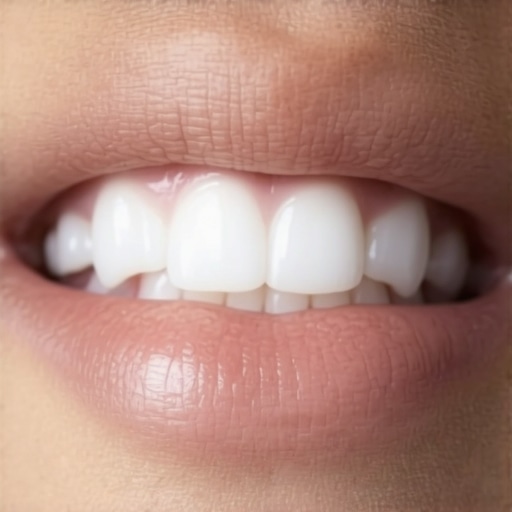
It’s a cloudy afternoon, the skies are darkening, and just as I glance outside, a sharp, dull ache hits my gums. I’ve learned to recognize this familiar warning sign—gums throbbing right before a rainstorm. It’s not just in my head; there’s real science behind this strange sensation, and understanding it has transformed how I approach my dental health.
Decoding the Rainstorm Gums Mystery
For years, I brushed it off as mere coincidence—until I realized that my gums weren’t just sensitive—they were responding to atmospheric changes. The pressure drops, humidity rises, and suddenly, my gums feel swollen and sore. It’s almost as if they’re trying to tell me something about my health and weather patterns.
This phenomenon isn’t just personal folklore. According to a study in the *Journal of Dental Research*, atmospheric pressure fluctuations can influence dental sensitivities and even trigger pain in some individuals with gum issues. Knowing this, I began paying closer attention and learned that these episodes often coincide with changes in weather, especially before rainstorms.
But why exactly does this happen? The answer lies in the complex relationship between our body’s tissues and the environment. When the air pressure drops, it creates a slight vacuum inside our sinuses and tissues around the teeth and gums. This pressure difference can cause the tissues to expand or contract, leading to discomfort.
So, how can we avoid being caught off guard by these weather-related dental sensitivities? That’s what I’ll cover next. Whether you’ve experienced this yourself or only suspect it might be affecting you, understanding the underlying causes can help you stay a step ahead.
Before diving into practical tips, I want to share a personal mistake I made early on. I ignored these warning signs, assuming they were just minor irritations. Big mistake. Over time, neglecting such sensitivities led to more serious gum problems. Now, I make a point to address them promptly, and I’ll show you how today.
Are you tired of your gums aching whenever a storm blows in? If so, you’re not alone, and there are simple steps you can take to reduce discomfort and protect your oral health. Let’s explore what you can do to keep your smile healthy, rain or shine.
Establish a Consistent Oral Hygiene Routine
Start with brushing your teeth twice daily using a soft-bristled toothbrush. For instance, I once switched to a sonic toothbrush for gentler cleaning and noticed a reduction in gum discomfort during weather changes. Regular brushing removes plaque, preventing gum inflammation that can amplify sensitivity. Always use fluoride toothpaste and replace your toothbrush every three months or sooner if bristles fray.
Use Protective Techniques During Weather Fluctuations
Apply a desensitizing gel or toothpaste designed to strengthen enamel and soothe nerves. I personally added a nightly fluoride rinse to my routine, which helped reduce sensitivity episodes. These products form a protective layer over sensitive areas, making them less reactive to atmospheric pressure drops. Consistent use is key; allow a few weeks to observe improvements.
Monitor Your Response to Weather Changes
Keep a simple weather and symptom diary. Note days when discomfort arises and correlate with atmospheric pressure or humidity levels. This awareness enables proactive measures, such as adjusting your routine or seeking dental advice promptly. Over time, I identified patterns, which empowered me to prepare before severe weather strikes.
Maintain Regular Dental Check-Ups
Schedule check-ups every six months with your family dentist. During visits, ask about potential crown or veneer issues that might increase sensitivity. For example, I learned that poorly fitted crowns can worsen sensitivity during weather shifts, and my dentist recommended a quick replacement, dramatically easing my discomfort. Regular professional care ensures underlying problems are addressed before they escalate.
Explore Modern Treatments and Tech
Consider staying updated with innovations such as Invisalign or new dental materials that reduce sensitivity risks. Invisalign, for example, can correct alignment issues that exacerbate gum sensitivity. I explored the latest Invisalign options and found that a tailored treatment plan significantly improved my overall oral comfort. Discuss options with your dentist to find the best fit for your needs.
Adjust Diet and Lifestyle Habits
Avoid acidic foods and drinks during weather changes—they can weaken enamel further. I reduced my consumption of citrus and fizzy beverages, noticing fewer sensitivity episodes. Incorporating more water and foods rich in calcium can strengthen your teeth and gums, making them more resilient to atmospheric effects.
While common beliefs about crowns, Invisalign, and family dentistry might seem straightforward, the reality is often more nuanced. Many people assume that crowns are just quick fixes or that Invisalign is only for cosmetic adjustments, but there’s more beneath the surface. For example, did you know that not all crowns are created equal? Material choices like porcelain, zirconia, or metal alloys significantly influence durability and biocompatibility, which can impact your long-term oral health. I recommend reviewing this detailed guide to understand what type suits your needs best.
Another misconception is that family dentistry solely focuses on children; in reality, it’s a holistic approach that encompasses all ages, emphasizing preventive care. Often, patients overlook the importance of regular check-ups, which can prevent complex issues like gum disease or decay. For insight into cutting-edge techniques in family dental practices, see these secrets.
When it comes to orthodontics, many think Invisalign is only suitable for mild cases. However, recent innovations in Invisalign technology now enable correction of more complex misalignments, rivaling traditional braces. Choosing between Invisalign and braces isn’t just about preference; it involves understanding the specific advantages, like removability and comfort, which can influence treatment success.
Now, here’s a common pitfall many fall into: believing that dental procedures are one-size-fits-all. Each patient has unique needs, and what works for one might not be ideal for another. Overlooking personalized care can lead to inadequate treatments or complications. For example, a crown designed without considering your bite dynamics may cause discomfort or wear issues over time. To explore how personalized dental plans are transforming patient outcomes, check this article.
Make no mistake—modern dentistry is advancing rapidly, with innovations that both challenge old myths and uncover deeper nuances. For instance, recent studies in the *Journal of Dental Research* highlight how digital scanning and 3D printing are revolutionizing crown fabrication, offering better fit and aesthetics. Staying informed prevents you from falling into misconceptions and ensures you receive the best possible care.
Have you ever fallen into this trap? Let me know in the comments. The key to optimal oral health is embracing the complexities and staying curious about the evolving landscape of dental science.
Keep Your Smile in Top Shape with the Right Tools
Maintaining excellent oral health over the long term requires investing in the right tools and adopting effective methods. I personally rely on a few specialized items that have significantly improved my routine and durability of dental work. For instance, I swear by a **sonic toothbrush** like the Philips Sonicare DiamondClean, which provides gentle yet thorough cleaning, crucial for preserving crowns and veneers. Unlike standard brushes, its oscillating motion reaches deeper, removing plaque more effectively and reducing gum inflammation, especially around sensitive areas.
Additionally, I incorporate a water flosser such as the Waterpik Aquarius into my daily routine. Water flossers not only make flossing easier, especially between crowns and braces, but they also help dislodge debris that traditional floss might miss, preventing decay and gum issues that threaten long-term restorations. Personally, I find that the gentle pulsations soothe my gums while cleaning thoroughly, which is essential during weather changes that can irritate sensitive tissues.
To ensure my crowns, veneers, and Invisalign treatments stay in optimal condition, I use a fluoride rinse like ACT Neutral. This rinse strengthens enamel and helps prevent decay at margins where restorations meet natural teeth. Regular use has been shown to reduce sensitivity incidents, especially when atmospheric pressure fluctuates. Staying consistent with these tools is key to their effectiveness; I replace my toothbrush every three months and regularly check the water flosser tips for wear.
What’s the future for maintaining dental work?
Emerging advancements hint at even smarter tools, such as AI-powered toothbrushes that monitor plaque levels in real-time or biocompatible, self-healing materials for crowns that can repair minor cracks internally. According to a recent study in the *Journal of Dental Research*, innovations like digital monitoring and advanced materials promise a future where long-term dental health management becomes more personalized and proactive. It’s exciting to think that in a few years, our dental tools may seamlessly alert us when maintenance is needed or even self-adjust to optimize fit and comfort.
If you’re serious about keeping your dental work functioning smoothly, I recommend trying a high-quality sonic toothbrush paired with a water flosser. These tools have transformed my oral hygiene and extended the lifespan of my crowns and Invisalign treatments. Remember, consistency and choosing the right equipment are the foundation of long-lasting results. For more insights on treatments that boost durability and health, check out why crowns matter for long-term health. Start today by integrating a water flosser into your routine—you’ll thank yourself later!
Hard Lessons from My Dental Journey
One of the most eye-opening lessons I learned was the importance of personalized dental care. Assuming that a standard crown or generic Invisalign treatment would suffice almost led me to more discomfort. Hearing directly from specialists and doing my own research taught me that understanding specific material choices and treatment plans can prevent future issues.
Another insight was the value of staying proactive. Regular check-ups uncovered potential problems early, saving me from costly repairs. If I had ignored early signs like gum soreness or sensitivity, I might have faced more invasive procedures down the line. This reinforced how vital it is to trust your dentist’s advice and act quickly.
Additionally, I discovered that technological advancements—like digital scans and high-tech materials—are not just marketing gimmicks; they significantly improve treatment outcomes. Embracing these innovations made a big difference in the longevity and comfort of my crowns and Invisalign trays. It made me realize that staying informed is crucial for making the best decisions about my oral health.
Gadgets and Resources That Truly Make a Difference
I swear by a few tools that helped me maintain my dental investments. A top-tier sonic toothbrush, such as the Philips Sonicare DiamondClean, ensures gentle yet thorough cleaning, which is essential for preserving crowns and veneers. Pairing this with a Waterpik Aquarius water flosser makes daily cleaning effortless and more effective, especially around sensitive or restored areas.
For ongoing protection, I rely on fluoride rinses like ACT Neutral. They strengthen enamel and help prevent sensitivities exacerbated by weather changes or diet. Staying consistent with these tools has extended the lifespan of my dental work and kept my gums healthy.
To stay ahead, I follow updates on innovations like AI-powered toothbrushes and self-healing crown materials. These future solutions promise even more personalized and durable care, minimizing maintenance and discomfort. These advancements demonstrate how technology is shaping the future of family dentistry, making treatments more comfortable and long-lasting. Check out articles like the latest Invisalign tech to see how your options are expanding.
Brightening Your Future with Smart Choices Today
The journey toward optimal oral health isn’t just about fixes—it’s about embracing a mindset of continuous care and informed decisions. Whether you’re considering crowns or Invisalign, remember that personalized treatment plans, proactive monitoring, and embracing new tech are game changers. Think of your dental health as an investment that pays dividends in confidence and well-being for years to come.
Start today by evaluating your routines, asking your dentist about modern options, and staying curious about emerging innovations. Your smile deserves the best, and taking control now ensures a brighter, healthier future.
What’s one step you can take today to empower your dental journey? Share your thoughts below—I’d love to hear your story!