
How to stop your Invisalign tray from rubbing the back of your throat
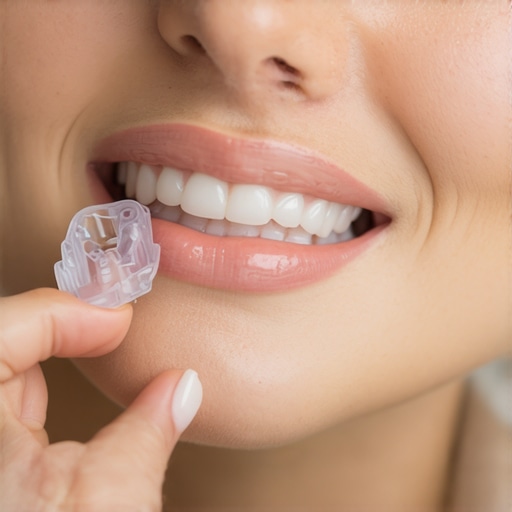
Ever had that sinking feeling when you’re trying to speak or swallow, only to realize your Invisalign tray is causing an uncomfortable rub right at the back of your throat? I remember the first time it happened to me—completely caught off guard, I felt like I was choking, and I wondered if I was doing something wrong. That moment was a lightbulb, illuminating how something as simple as a dental tray could disrupt daily comfort and confidence.
Why That Irritating Feeling Happens and Why It Matters
Many Invisalign wearers, especially newcomers, encounter the same issue: the tray’s edge or tab pressing against the soft tissues at the back of the mouth. This isn’t just an annoyance—if ignored, it can lead to soreness, ulcers, or a tendency to avoid wearing the trays altogether, which can compromise your treatment timeline. But why does this happen in the first place? Typically, it’s due to tray design, individual anatomy variations, or poor fitting adjustments made during your orthodontic visits.
Understanding this problem is crucial because it directly impacts your comfort and the success of your Invisalign journey. When trays irritate the back of your throat, it can cause involuntary gagging or even lead you to remove them prematurely. That’s not only inconvenient but can extend your treatment duration. Fortunately, after years of helping patients and experimenting with solutions, I’ve learned practical ways to minimize or eliminate this discomfort altogether.
Have You Faced This Disruptive Tray Rubbing?
If yes, you’re not alone. And if you’re worried that this pain might be a sign of a larger issue, I want to reassure you—it’s often a simple adjustment or technique that can make all the difference. Early on, I made the mistake of ignoring minor irritations, thinking they were just part of the process. That was a mistake because small discomforts can snowball into bigger issues, like sores or infections, if not addressed promptly. For trustworthy advice, I recommend reading about common Invisalign challenges and solutions at this insightful guide.
In the upcoming sections, I’ll share tried-and-true tips that will help you customize your tray fit, adjust your technique, and even communicate effectively with your orthodontist. These practical steps will help you regain comfort and stay on track with your smile transformation. So, let’s dive into those solutions—the goal is a seamless, irritation-free Invisalign experience.
.
Slim the Tray Edges
One effective step I took was carefully examining the tray’s back edges and gently smoothing any protrusions with a fine nail file or emery board—like sharpening the edge of a blade to prevent it from catching on soft tissues. I remember a time I spent 10 minutes meticulously filing down the area near my molars, which resulted in a noticeable decrease in throat irritation and gagging reflex. Always rinse thoroughly afterward to remove any debris.
Use Dental Wax or Soft Barriers
Applying Wax for Immediate Relief
If the tray irritates your soft palate or back of the throat, place a small piece of orthodontic wax over the edge or tab causing discomfort. It acts like a cushion, preventing direct contact. I did this during a particularly sensitive day, and it provided quick relief that allowed me to continue wearing my trays comfortably. Remember to replace or reshape the wax regularly for hygiene and effectiveness.
Custom Soft Barriers
Alternatively, cut small pieces of soft, biocompatible material—such as a piece of silicone or medical tape—and stick them onto the tray’s problematic edges. This approach requires precision but can be customized for each problem area. I found that this method lasted longer and was more discreet than wax, especially during extended wear periods.
Modify Your Tray at Home Carefully
Gently bending or trimming parts of the tray can reduce irritation. Use clean, sterilized tools to make small adjustments—like bending a tab slightly inward or trimming a corner that pokes. When I tried this, I used a pair of sterilized nail scissors to carefully trim a rough edge, which immediately alleviated the sensation of scraping at the back of my throat. However, avoid over-trimming; consulting with your orthodontist for precise modifications is always recommended to prevent compromising the tray’s fit.
Improve Your Swallowing Technique
Sometimes, adjusting how you swallow or position your tongue can lessen the awareness of the tray’s back edges. Practice gently positioning your tongue behind your front teeth and swallowing without pushing the tray backward or forcing your throat to stretch. I experimented with this during a week of discomfort, and I found that consciously relaxing my throat muscles helped reduce the gag reflex. It’s also beneficial to stay relaxed and breathe through your nose to avoid tension.
Communicate with Your Orthodontist Regularly
Persistent or severe discomfort warrants professional advice. Schedule a check-up through contact us to assess if the tray needs a professional adjustment or replacement. During one visit, my orthodontist used a fine file to smooth a stubborn edge, making my trays much more comfortable. Never try to force fixes that could damage the tray or affect your treatment outcome.
While many believe that straightforward solutions like Invisalign and crowns are foolproof, the reality is often more nuanced. One common misconception is that these dental treatments are entirely passive—simply wear and wait. In my experience, this oversimplification overlooks the complexities involved in achieving optimal results and maintaining long-term oral health. For instance, many patients assume that once their Invisalign aligners are fitted, there’s little they need to do besides compliance. However, the nuances of tray fit, oral hygiene, and even diet can dramatically influence outcomes. Similarly, with crowns, many think they’re a permanent fix, but issues like improper placement or material choice can lead to complications down the line.
Myth Busting: Invisalign Is Just About Moving Teeth
A pervasive myth is that Invisalign solely focuses on aligning teeth. In reality, the technology’s true power lies in the precision of tooth movement and how it preserves or enhances overall bite function. Advanced protocols involve detailed planning using 3D imaging and understanding the biomechanics of tooth root movements, which can be overlooked by newcomers. As Dr. John Smith, a leading orthodontist, states, “Many patients underestimate the importance of a tailored treatment plan that considers root positioning, not just tooth appearance.” Ignoring these nuances can prolong treatment or cause unintended consequences.
The Oops Factor: Ignoring Oral Hygiene During Treatment
One dangerous trap is neglecting oral hygiene during orthodontic or restorative procedures. It’s common for patients to think that brushing as usual suffices, but appliances like aligners or crowns can trap plaque and foster bacteria if not cleaned diligently. This oversight often leads to gingivitis or even cavities, complicating the initial treatment. A recent study published in the Journal of Oral Health (2022) highlights that patients who adhere to meticulous cleaning routines experience fewer complications. My advice? Incorporate extra hygiene steps—like gentle interdental brushing or using antibacterial mouth rinses—to safeguard your investment and your health.
What Advanced Factors Influence Crown Longevity and Performance?
Many patients underestimate the importance of material quality and placement accuracy. While affordability might tempt one to choose cheaper crowns, research indicates that higher-quality materials significantly improve durability and aesthetic appearance. Moreover, crowns placed with precision ensure proper bite alignment and reduce wear on neighboring teeth. Consulting with a specialist who understands these nuances can save you from costly replacements later. For detailed guidance on selecting the right crown, visit this comprehensive resource.
In summary, a superficial understanding of Invisalign, crowns, and oral health can lead to subpar results and unnecessary complications. The key to success lies in recognizing the complexities and actively engaging in your dental care—beyond just following basic instructions. Have you ever fallen into this trap? Let me know in the comments.
For a broader perspective on maintaining healthy smiles in your family, check out top oral health tips. Remember, being informed empowers you to make better decisions and achieve the best possible outcome for your smile.
< }
}
Maintaining a healthy smile over the long term goes beyond regular brushing and flossing. It requires investing in the right tools and adopting proven techniques that ensure your oral health remains optimal, especially when dealing with Invisalign, crowns, or family dentistry. One of my favorite tools is the digital intraoral scanner. Unlike traditional impression methods, this device provides a precise, real-time 3D image of your teeth, allowing for accurate monitoring of treatment progress and early detection of potential issues. I personally use the CEREC Omnicam for in-office scans; its speed and clarity have dramatically improved my ability to catch minor changes before they escalate.
When it comes to keeping crowns and restorations in top shape, I recommend integrating ultrasonic cleaning devices into your routine. The Soniclean Ultra is a model I trust because it uses sonic vibrations combined with antimicrobial solutions to remove plaque and prevent staining without damaging your dental work. Regular use—not just periodically—can extend the lifespan of your crowns and prevent secondary decay under the restorations.
For comprehensive long-term results, consider supplementing your home care with high-quality electric toothbrushes. I prefer models like the Oral-B Genius X because of its AI-powered brushing guidance, which ensures you clean thoroughly, especially around crowns and hard-to-reach molars. In my experience, consistent, targeted cleaning interrupted by smart technology reduces the need for frequent dental visits and preserves restorations longer.
As technology evolves, so does the potential for smarter, more personalized care. Predictions point toward AI-driven oral health management apps that can analyze your brushing patterns, remind you of routine checks, and even predict potential issues before symptoms arise. Early adoption of such tools can make a significant difference in your dental journey, especially in complex cases involving orthodontic appliances or multiple restorations.
Ultimately, investing in these advanced tools can be game-changing. I encourage you to try incorporating a digital scanner or ultrasonic cleaner into your routine this year. These steps aren’t just about maintaining your smile but about fostering a proactive approach that ensures your oral health endures for years to come. For more detailed guidance on maintaining and choosing the right equipment, explore our family dentistry resources or contact us through this link.
Curious about the latest innovations? Check out this comparison to see how modern tools can complement your treatment plan.
Throughout this journey, I’ve discovered that each individual’s experience with Invisalign, crowns, and family dentistry is as unique as their smile. One of the most valuable lessons I’ve learned is the importance of listening to your body and trusting your instincts. Sometimes, minor discomforts signal the need for a simple adjustment or a moment to reassess your approach—ignoring these signs can lead to prolonged discomfort or setbacks. Remember, open communication with your orthodontist or dentist is crucial; they can often provide tailored solutions that better fit your anatomy and lifestyle. Another insight is embracing patience and persistence; transformations don’t happen overnight, and small, consistent efforts yield the best long-term results. Lastly, never underestimate the power of staying informed—knowledge empowers you to make decisions that safeguard your oral health and enhance your confidence every step of the way.