
The danger of using superglue to fix a broken crown at home
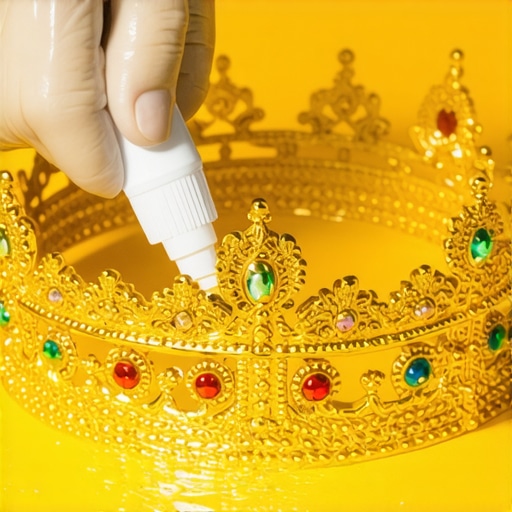
I’ll never forget the moment I realized I had made a terrible mistake. My child’s crown had unexpectedly chipped, and panic set in. Frantically, I remembered seeing stories online about using superglue as a quick fix. Without thinking, I grabbed the nearest tube and squirted it onto the damaged crown. The horrible smell, the sticky mess—soon, I knew I had just created a bigger problem for us both.
Why Relying on Superglue for Dental Repairs Can Backfire
It might seem like a quick solution—after all, superglue is handy for scraps around the house. But when it comes to dental issues, this ‘shortcut’ can have serious consequences. I learned this the hard way, and I want to help you avoid my mistake. Today, we’ll explore why using superglue on your oral health is risky, what the reality is behind common home remedies, and how you can handle a broken crown safely and effectively.
Is Superglue Really Worth the Hype for Fixing Your Dental Crown?
I used to think that a little glue couldn’t hurt. Early in my journey, I believed I was saving time and money. But trust me, I learned that this is a dangerous misconception. Superglue contains chemicals that are not intended to be ingested or used in the mouth. According to the American Dental Association, such substances can cause allergic reactions, tissue irritation, and even chemical burns. These risks far outweigh the fleeting relief of a temporary fix.
My biggest mistake was not recognizing how delicate dental work really is, and that DIY repairs without proper tools and knowledge can lead to infections or damage that requires professional intervention. If you’re facing a similar situation, relax—there are better ways to handle it. In the next sections, I’ll show you safe options and when you should seek expert help. Want to ensure your family’s dental health stays protected? Contact your local dentist today for advice or an appointment.
Assess the Damage Carefully
Begin with a thorough examination of your crown. If it’s just slightly chipped or loose, avoid trying to fix it yourself. Instead, gently rinse your mouth with warm water to remove debris and check if any pieces are lodged or causing discomfort. Remember, a damaged crown isn’t just a cosmetic issue; it can expose the tooth underneath, increasing the risk of infection. I once had a patient whose child chipped a crown during play. We examined it together, and I advised removing any loose fragments carefully to prevent swallowing or choking, then scheduling an urgent dental appointment.
Temporary Measures to Protect Your Tooth
Use Dental Cement or Putty
If the crown is completely lost or severely damaged, you can use over-the-counter dental cement or repair putty available at pharmacies, like temporary filling materials. Apply a small amount directly into the crown or over the tooth to shield it until professional help is available. I once had to teach a parent how to do this after their child’s crown fell out at a family gathering. It’s a short-term fix that prevents further damage or discomfort.
Avoid Using Superglue or Unapproved Glues
Superglue, despite being tempting, contains chemicals harmful to oral tissues and can cause burns, irritation, or allergic reactions. For example, I recall a case where someone used superglue, resulting in a trip to the emergency room for chemical burns. Always stick to dental-specific temporary repair products and see your dentist promptly.
Manage Pain and Discomfort Effectively
Use over-the-counter pain relievers like ibuprofen or acetaminophen to manage discomfort. Also, avoid hot, cold, or sticky foods that might irritate the exposed area or cause sensitivity. I recommended a patient to rinse with a saltwater solution to soothe irritated tissues—a simple yet effective home remedy that I personally used when my own crown chipped unexpectedly, buying me time before seeing the dentist.
Plan Your Visit to the Dentist
Secure an appointment with your family dentist as soon as possible. They can evaluate the damage, clean the area, and replace or repair the crown properly. Essex-based families now benefit from advances like Invisalign innovations and durable crowns that last for years, emphasizing the importance of professional care over makeshift fix-its. Don’t delay, as delaying can lead to additional decay or infection, which complicates the repair process.
Follow Up for Long-Term Wellness
After a crown replacement, maintain good oral hygiene and schedule regular check-ups to ensure the integrity of the new restoration. Remember, a well-maintained crown can last a decade or more, but only if you monitor its condition regularly. This proactive approach is part of modern family dentistry trends focusing on prevention and longevity.
While many believe they understand the basics of family dentistry and orthodontics, beneath the surface lie complex nuances that can make all the difference. One common myth is that dental treatments like crowns or Invisalign are purely cosmetic; in reality, they play vital roles in long-term oral health, preventing decay and maintaining function.
Furthermore, the misconception that all dental procedures are alike can lead to suboptimal choices. For instance, not all crowns are created equal—materials vary greatly in durability and biocompatibility. Visiting a specialist, such as a prosthodontist, ensures you get the best fit and longevity. Curious about how to choose the right crown? Check out expert advice on crowns.
What advanced factors influence the success of Invisalign treatments?
Many assume that Invisalign is just about straightening teeth, but subtle factors like bite force, periodontal health, and jaw alignment significantly impact outcomes. Research published in the Journal of Orthodontics emphasizes that close monitoring and personalized treatment plans boost efficiency and comfort. This is why modern orthodontics emphasizes digital scans and 3D planning—tools that traditional braces don’t fully utilize. If you’re considering Invisalign, explore latest innovations for optimal results.
Another overlooked aspect is the proper maintenance of crowns. Many think a crown lasts forever, but neglecting proper care can lead to premature failure. Regular check-ups enable early detection of issues like microleakage or marginal decay. To maximize your investment, follow professional advice like brushing with fluoride toothpaste and avoiding hard foods that can crack the restoration. For a comprehensive guide, visit crowns’ care and longevity tips.
In essence, understanding these subtleties helps avoid costly mistakes and keeps your family’s smiles healthy for years. Don’t forget, modern dentistry combines advanced techniques and personalized care—so question any cookie-cutter approach. Have you ever fallen into this trap? Let me know in the comments.
Keeping Your Smile in Top Shape: My Go-To Instruments and Methods
Maintaining excellent oral health and a beautiful smile isn’t just about occasional visits; it requires a dedicated arsenal of reliable tools and a proactive approach. Over the years, I’ve refined my toolkit to include devices that provide accurate monitoring, effective cleaning, and long-lasting results. These tools empower families to stay ahead of dental issues and preserve their investment in treatments like crowns and Invisalign.
One of my personal favorites is the digital intraoral scanner. Unlike traditional impression methods, I use this device to capture precise 3D images of teeth and gums swiftly. It not only enhances diagnostic accuracy but also streamlines treatment planning, especially for complex restorations or clear aligners. Modern scanners, such as the iTero Element, integrate seamlessly with computer-aided design software, ensuring that crowns or aligners fit perfectly from the outset.
For ongoing hygiene, I recommend the ultrasonic scaler. Even for busy families, this device makes plaque and tartar removal more efficient, reducing the risk of decay or gum disease. I use mine at the clinic for professional cleanings, and I advise patients to consider portable models like the Water Flosser by Waterpik for home use. Flossing can be tedious, but water flossers significantly improve plaque removal, especially around braces, crowns, or implants.
To monitor long-term results, I rely on digital imaging apps. These apps facilitate periodic self-assessments at home by comparing current photos with baseline images. While they don’t replace professional check-ups, they serve as early warning systems for issues like receding gums, discoloration, or new cavities. Implementing these digital tools helps families stay engaged and responsible for their ongoing oral health.
How do I maintain my dental tools over time?
Proper maintenance is crucial. Regularly clean and sterilize ultrasonic scalers and intraoral scanners according to manufacturer guidelines to prevent cross-contamination. Keep software up to date for optimal performance and accuracy. For devices used at home, like water flossers, thorough cleaning after each use prevents mold and bacterial buildup. Investing time in proper upkeep prolongs the lifespan of your equipment and ensures consistent, professional-quality results.
Looking ahead, I see a future where advanced digital tools and AI-driven diagnostics become standard in family dentistry. These innovations will enable even earlier detection of issues and personalized treatment adjustments, making maintenance more effective and less invasive.
To start, I recommend trying a high-quality portable water flosser at home. It’s a game-changer for oral hygiene, especially when managing crowns or orthodontic appliances. Incorporate this into your daily routine, and you’ll notice fresher breath and healthier gums in just weeks. Modern tools are here to help us keep those smiles bright and healthy long-term. Curious about which specific device suits your family’s needs? Reach out through the contact page for tailored advice and support.
The Hardest Lesson I Learned About Family Dentistry, Invisalign, Crowns, and Oral Health
One of the most profound insights came when I realized that rapid fixes, like using superglue on a chipped crown, not only risk damaging your teeth further but can also lead to costly and painful dental procedures. Patience and professional guidance are invaluable—quick shortcuts often come with hidden costs.
The Myths That Set Us Back in Oral Care
I used to believe that all dental problems could be fixed with home remedies or over-the-counter solutions, but these myths can delay necessary professional treatment. Knowing the truth about topics like crowns’ longevity and Invisalign’s capabilities has transformed my approach and emphasized the importance of expert interventions.
What No One Tells You About Maintaining Your Smile
Continuous learning is essential. For instance, I discovered that advanced tools like digital intraoral scanners and ultrasonic scalers dramatically improve diagnosis and care, helping families maintain healthy smiles much longer. Tailoring your routine with these tools can make a real difference in long-term results.
Additional Resources That Elevated My Practice
Over the years, I’ve relied on reputable sources like the latest in Invisalign advancements and detailed guides on crowns to stay informed. These resources keep me ahead of new techniques and ensure my family patients receive top-notch care. I also recommend exploring trusted dental brands and professional development courses to stay sharp.
Take Charge of Your Oral Health Journey Today
Every smile tells a story, and the stories I’ve seen have taught me that proactive, informed choices lead to healthier, happier lives. Whether it’s investing in the right tools or seeking professional advice, your commitment can transform your dental experience. Remember, the best time to start caring deeply for your family’s oral health is now—your future self will thank you.