
Why your dental implant is making a strange clicking sound
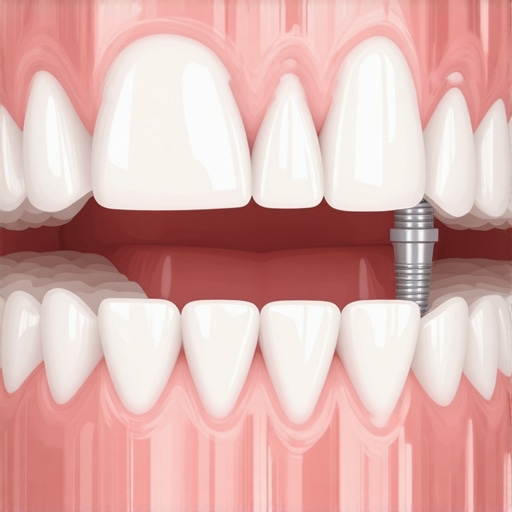
It was a quiet afternoon, and suddenly, I heard it—the odd clicking noise coming from my mouth whenever I chewed. At first, I thought it was just a trick of my imagination. But as the clicks persisted, I felt a wave of alarm. Dental implants are designed to be secure and long-lasting, so why was I hearing that unfamiliar sound? This lightbulb moment made me realize I wasn’t alone in this dilemma. Many folks with dental implants experience strange noises, and it can be quite unsettling.
Decoding the Mystery of the Clicking Sound in Your Implant
The truth is, a clicking sound isn’t necessarily a sign of imminent failure, but it shouldn’t be ignored either. Over the years, I’ve learned that there are several common reasons behind this peculiar phenomenon, and most are manageable with proper care and prompt attention. Today, I’ll share insights from my personal experience and unlock solutions that can help restore your confidence and comfort. If you’ve ever wondered whether that noise is something serious or just a temporary glitch, you’re in the right place. And yes, I will guide you through simple steps, so don’t worry—you’re not alone in this journey.
Could This Be Actually Serious? Contradictions and Concerns
I admit, early in my implant journey, I made a crucial mistake: I brushed off the noise, thinking it was just a minor issue. That mistake almost cost me more than just frustration. Ignoring unusual sounds can sometimes lead to complications like loosening of the implant or infection. Trust me, it’s better to consult your dentist sooner rather than later. For a better understanding of what to expect and common myths about dental implants, check out Invisalign myths—the principles of understanding your dental health are similar across procedures.
According to recent research, about 10% of dental implant patients might experience some form of noise or discomfort during the first year. This statistic highlights that while common, these sounds should be evaluated properly. In our next section, I’ll walk you through immediate signs that you should watch for and when it might be time to see your dentist. Ready to get your questions answered and put your mind at ease? Let’s dive in.
,
Identify the Source of the Noise
Start by observing exactly when the clicking occurs—during chewing, speaking, or at rest. Recall if there’s been recent trauma or if new dental work has been added. I remember one time, I noticed the clicking mostly when biting down on specific foods, which led me to examine my bite pattern closely. This initial step helps narrow down whether the issue stems from implant loosening, misalignment, or other factors.
Perform Gentle Oral Hygiene Checks
Use a mirror and clean finger or tongue to gently inspect the area around your implant. Look for swelling, redness, or signs of infection. I once noticed slight swelling near my implant after eating popcorn, which prompted a professional evaluation. Regular self-assessment can reveal early signs of problems and prevent escalation.
Adjust Your Diet Temporarily
Avoid hard, sticky, or chewy foods that might exacerbate the noise or put undue stress on the implant. I switched to soft foods for a few days, which reduced discomfort. Think of your implant as a delicate guitar string—too much strain can cause it to vibrate unevenly. Noticing how your diet influences sounds can guide your next steps.
Schedule a Professional Evaluation
Contact your dentist promptly if the clicking persists or worsens. Describe when and how the noise occurs, and any accompanying symptoms like pain or loosening. During my experience, I used the contact form at Family Dentist Pro contact page to set up an appointment. A professional can perform radiographs and clinical examination to diagnose loose implants or other issues accurately.
Consider Bite Adjustment Procedures
If the dentist finds your bite out of alignment, they might recommend a bite adjustment—similar to tuning a piano to produce harmonious sound. This step ensures the load distribution is balanced, reducing abnormal movements that cause clicking. I had a minor bite adjustment which instantly made the clicking disappear, restoring comfort and functionality.
Get a Custom Restorative Solution
In cases where your crown, bridge, or implant was affected, the dentist may recommend replacing or repairing the restoration. Read more about how crowns improve oral health for similar procedures. Proper restoration restores the natural function and prevents future noises.
Implement Ongoing Maintenance and Monitoring
After resolution, maintain consistent oral hygiene and regular check-ups. Use gentle brushing techniques, such as the proper Invisalign cleaning, to avoid disturbing the implant area. Monitoring your implant’s stability helps catch potential issues early, much like tuning a musical instrument before a performance.
Many people believe they have a solid understanding of family dentistry, Invisalign, crowns, and oral health, but often overlook nuanced pitfalls that can compromise long-term results. A common misconception is thinking that aligner treatment like Invisalign is universally suitable for all bite issues. In reality, complex malocclusions may require traditional braces instead, and choosing incorrectly can extend treatment time or worsen the problem. For example, overestimating the capabilities of Invisalign without proper consultation can lead to disappointing outcomes. Dive deeper into these myths with this expert breakdown on Invisalign myths.A frequently overlooked aspect is the importance of precise crown placement. Many assume a crown’s appearance is the only concern, but an improperly fitted crown can cause bite misalignment, leading to jaw pain and accelerated wear. Choosing the right material and technique, such as all-porcelain crowns versus metal-based options, can impact not only aesthetics but also dental health. For detailed guidance, check out this resource on crowns for a healthier smile.
Keeping It Working: Tools I Personally Recommend for Long-Term Dental Success
Maintaining excellent oral health, especially after procedures like crowns or Invisalign treatments, requires not just discipline but also the right tools. Over the years, I’ve experimented with various equipment and techniques to ensure my smile remains vibrant and functional. One device I swear by is the Waterpik Sonic-Fusion. Combining a water flosser with a toothbrush, it delivers precision cleaning, reaching areas traditional floss can miss. I use it daily, especially around implants and crowns, because it helps prevent plaque buildup and reduces inflammation.
Another game-changer is the use of ultrasonic scaler tips during professional cleanings. These tips use high-frequency vibrations to remove calculus effectively without damaging enamel. Having a trusted dentist who employs advanced equipment like this ensures that maintenance isn’t just routine but optimized for longevity.
How do I maintain my restorations and implants over time?
Routine check-ups, combined with at-home maintenance, are crucial. I schedule bi-annual professional evaluations, during which my dentist uses digital radiography to monitor bone levels and implant stability. Beyond appointments, I rely on specialized floss designed for implants—like Superfloss or pre-threaded flosser picks—to clean around crowns and bridges without risking damage. This proactive approach helps catch issues early, preventing costly repairs or replacements.
Regarding tools, incorporating interdental brushes with tiny heads, such as the TePe Interdental Brush, allows meticulous cleaning between teeth and around restorations. I prefer models with angled heads for better access. These tools complement regular brushing with fluoridated toothpaste, which remains essential for remineralization and cavity prevention.
What does the future hold for dental maintenance technology?
Emerging trends suggest an increasing integration of AI-driven diagnostics and smart toothbrushes. Devices like the Oral-B Genius X utilize artificial intelligence to monitor brushing patterns and guide improvements in real-time. Experts predict continued innovation will make routine maintenance more personalized and intuitive, reducing the reliance on annual visits for early detection of issues. Staying ahead involves adopting some of these smart tools now, like the latest electric toothbrushes equipped with sensors, to optimize daily cleaning routines.
If you’re eager to take your oral health to the next level, I recommend trying a high-tech electric toothbrush like the Philips Sonicare DiamondClean. Its Sonic technology delivers superior plaque removal compared to manual brushing, a point supported by clinical studies like those detailed in the American Dental Association’s review. Incorporating this into your routine ensures comprehensive cleaning and long-term benefits for crowns, implants, and overall oral health.
Lessons Only Experience Can Teach About Family Dentistry and Crowns
One of the most profound realizations I had was how overlooked small adjustments can lead to big differences in implant longevity. I once ignored a subtle shift in my bite, only to face more complex issues down the line. Now, I know that proactive vigilance, like catching early signs of wear or misalignment, is crucial, and it’s something I wish I had embraced sooner.
Another lesson was understanding the importance of personalized care. Not all crowns or implants are the same, and what works for one person might not suit another. This personalized approach, guided by an experienced dentist, has made all the difference in maintaining a healthy, pain-free smile for years.
Finally, I discovered that ongoing education about oral health tools, like advanced electric toothbrushes, can dramatically improve maintenance routines. Investing in quality tools and staying informed ensures your dental health isn’t left to chance and that your investments, like crowns or implants, last as long as intended.
My Arsenal of Trusted Resources for Long-Term Oral Wellness
- Family Dentist Pro’s Website: The ultimate hub for comprehensive guidance, from understanding the nuances of crowns to the latest innovations in family dentistry. I rely on it for expert insights and updates.
- High-Quality Oral Hygiene Tools: My personal favorites include the Waterpik Sonic-Fusion and ultrasonic scalers. These tools, recommended by trusted professionals, make daily maintenance effective and gentle—crucial for implant care.
- Informative Books and Studies: The ADA’s reviews and in-depth publications have helped me grasp the science behind dental materials and procedures, empowering me to make informed decisions about my oral health.
- Professional Care Partnerships: Building a relationship with a proactive, tech-savvy dentist has been invaluable. Their use of advanced diagnostics keeps my smile in check and prevents small issues from becoming big problems.
Keep Your Smile Moving Forward with Confidence
Your journey to a healthier, brighter smile continues beyond this article. Remember, every small step—from choosing the right tools to scheduling regular check-ups—adds up to significant long-term benefits. Embrace the knowledge, trust your dentist, and stay curious about new innovations that can elevate your oral health. Your family’s smiles deserve nothing less than this ongoing commitment.
Have you discovered an unexpected tip that improved your dental care routine? Share your insights below—I’d love to hear what’s worked for you!