
The move to fix a loose wire on your permanent retainer at home
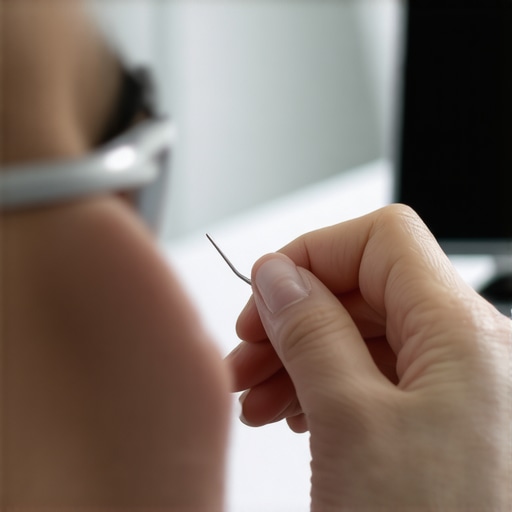
One morning, I bit into my breakfast and felt that unsettling wobble—a loose wire on my permanent retainer. Panic? A little. Confusion? Absolutely. It was a moment that made me realize how often we take our dental health for granted until a problem sneaks up when we least expect it.
Why Fixing That Loose Wire Matters More Than You Think
If you’re like me, the idea of a loose wire can seem minor, maybe even negligible. But here’s the thing: even a small wire can cause uneven pressure, trap food, or worse, lead to more damage if left unattended. Your oral health isn’t just about aesthetics; it’s about long-term functionality and comfort. Neglecting even minor issues like this can escalate into costly dental visits or complex procedures. I learned this the hard way early on—mistakenly believing a loose wire was just an inconvenience, not a pressing problem.
Is Fixing a Loose Wire at Home Really Worth It?
Many doubters wonder if DIY repairs hold up against professional treatments. Honestly, I initially hesitated, worried I might do more harm than good. Trust me, I made the mistake of trying to yank the wire back into place without proper tools—note to self: never attempt a repair without the right guidance! That mistake only led to more complications, which could have been avoided with proper knowledge. If you’re curious about safe, effective ways to handle this at home, stay tuned. We’ll walk through the steps together, ensuring you’re equipped to fix minor issues without risking your smile.
But first, I want to make sure you’re fully prepared. Have you faced this exact struggle with your retainer? If so, you’re in the right place. Now, let’s dive into the practical solutions that helped me regain control—and preserve my smile for years to come.
Gather the Right Tools and Prepare
Before starting, assemble all essential tools: a pair of clean tweezers, sterilized scissors, a small mirror, and dental wax or orthodontic wax if needed. Ensure your hands are clean by washing thoroughly, as this minimizes infection risk. Think of it like assembling a toolkit before fixing a leaky faucet—you want everything in reach to prevent frustration and accidental damage.
Assess the Situation Carefully
Use the mirror to look at the loose wire closely. Determine if it’s entirely detached or partially loose. A real-life example: I once noticed my wire was hanging only on one side, which could cause uneven pressure. Identifying the extent of the problem helps decide whether you can attempt a fix or need professional help. If the wire is broken or severely bent, it’s best to see your orthodontist to prevent further damage.
Secure the Wire Back into Place
Gently Loosen and Reposition
Using sterilized tweezers, carefully grasp the loose wire. Gently push or slide it back into its original position. Don’t force it—if resistance is high or it doesn’t budge, stop and consult your dentist. I once tried to press a stubborn wire back without proper leverage, and it snapped further. This experience underscored the importance of patience and gentle handling. Remember, it’s like straightening a bent paperclip; applying slow, steady pressure prevents breakage.
Use Wax to Reduce Discomfort
If the wire is poking or causing irritation, place a small piece of orthodontic wax over the sharp end. This simple step can ease discomfort immediately and protect your cheeks and tongue. Think of wax as a cushion, much like sliding a sock over a rough edge to prevent cuts.
Test the Repair Carefully
After repositioning, gently bite down to see if the wire stays in place. Check from different angles to ensure it’s secure and isn’t causing new discomfort. If the wire keeps slipping or if you notice any abnormal pain, it’s time to visit your orthodontist. Remember, these quick fixes are temporary, much like a band-aid on a larger wound—professional treatment ensures complete healing.
Prevent Future Looseness
Be mindful when eating hard or sticky foods that can dislodge or bend the wire. Avoid biting into very hard items like whole apples or tough candies. Instead, cut them into smaller pieces. Regularly inspecting your retainer or braces can catch minor issues early—think of it as routinely checking your car’s oil level to avoid breakdowns. For long-term maintenance tips, explore top oral health tips for your family’s bright smiles.
When to Seek Professional Help
If effort-driven attempts fail, if the wire breaks, or if you’re in significant discomfort, don’t hesitate to contact your dentist or orthodontist. They can professionally fix or replace the wire with precision, preventing future complications. Remember, while DIY steps can address minor issues, professional care ensures your smile remains healthy and strong—similar to taking your car to a mechanic for complex repairs rather than attempting a full engine overhaul yourself.
Fixing a loose retainer wire isn’t always straightforward, but with patience and proper tools, minor adjustments can often be managed at home. However, always know your limits and consult professionals when in doubt. Keeping your dental appliances in tip-top shape safeguards your oral health and preserves that confident smile you work so hard for.
Myth Busting: Why Most People Overlook the Nuances in Dental Care
While many believe that Invisalign, crowns, and general oral health are straightforward topics, there’s often a misconception that a quick fix or surface-level understanding is sufficient. In reality, the nuances can make or break your dental results. For instance, many assume that all dental crowns are created equally, but the type of crown you choose can significantly influence its longevity and how natural it looks. Overlooking this can lead to premature replacements, unnecessary costs, and aesthetic compromises.
Common Myths That Might Steer You Wrong
One widespread myth is that Invisalign is just an alternative to braces, but in fact, Invisalign’s technology and treatment approach differ substantially, offering benefits like removable trays and nearly invisible appearance—benefits that require proper understanding to maximize. Additionally, many think that oral health deteriorates solely because of poor hygiene, but recent studies show that genetics, diet, and even systemic health play crucial roles, highlighting the importance of comprehensive care and professional guidance.
Beware of Hidden Traps in Family Dentistry
One common mistake is neglecting regular checkups, believing they are only necessary when problems arise. This reactive approach often results in missed early signs of issues or minor problems escalating into major treatments. For example, research indicates that regular family dental visits can prevent decay and detect issues like gum disease early. Moreover, some underestimate the importance of customized preventative strategies, such as tailored fluoride applications or sealants, which are vital for children and adults alike.
What Advanced Techniques Should You Know?
For those already familiar with basic treatments, understanding advanced dental restoration options can be beneficial. Modern materials and digital imaging allow precise placement of crowns and implants, reducing the need for repeated procedures. Yet, many patients still fall into the trap of opting for cheaper, traditional methods that may compromise durability. Staying informed, seeking second opinions, and asking your dentist about the latest innovations can make a significant difference in the results and overall health.
In conclusion, the key to mastering your dental health goes beyond superficial treatments. Recognizing the intricate factors, dispelling myths, and partnering with knowledgeable professionals ensure you get the most out of your dental care. Remember, a healthy smile is a long-term investment—don’t let misconceptions derail your journey. Have you ever fallen into this trap? Let me know in the comments.
Maintaining your dental appliances and oral health routines requires precision tools and proven methods. Personally, I rely on sterilized, ergonomic dental tweezers for adjusting minor retainer issues; their fine tips allow for gentle maneuvering without risking damage. Additionally, a high-quality dental mirror with LED illumination helps me inspect hard-to-see areas, ensuring everything stays in optimal condition. For cleaning aligners or removable restorations, I prefer ultrasonic cleaning devices, which remove stubborn tartar and bacteria more effectively than manual brushing, prolonging their lifespan. Digital scheduling software like MySmilePlanner helps me set regular check-ins and reminders, making routine maintenance effortless and consistent,-staying ahead of potential issues. Looking ahead, advancements like AI-driven oral health tracking systems could soon personalize maintenance schedules even further, anticipating problems before they manifest. To truly keep your crown or Invisalign in peak condition, I recommend integrating a micro-brush tool into your daily routine—it’s perfect for cleaning around attachments and under bridges, preventing plaque buildup and ensuring long-lasting results. How do I maintain my smile’s brilliance over time? Consistent professional checkups combined with these specialized tools are essential. Regular visits, such as those outlined in our family dentistry secrets, not only catch early signs of wear but also calibrate your at-home care, reinforcing the longevity of your investments. Curious about the latest innovations? Check out the advancements in Invisalign’s technology, which now include smart trays that adapt even better to your bite, making maintenance simpler. Try incorporating one or two of these precise tools into your routine today, and you’ll notice improved comfort and durability of your dental work—making your investment pay off for years to come. For comprehensive tips tailored to your specific needs, consult with your dentist, or explore our detailed guides on [crowns and veneers](https://familydentistpro.com/crowns-vs-veneers-which-is-better-for-your-smile-cure-at-429-pm) and best oral health practices.
Lessons Hidden in My Smile Journey That No One Tells You
- I discovered that managing minor retainer issues at home can save time and keep your treatment on track—if you have the right tools and knowledge. Rushing without proper guidance led me to more complications, teaching me the importance of patience and preparation.
- Believing that age or minor mistakes don’t impact dental health is a myth. I learned that proactive care, even when things seem insignificant like a loose wire, can prevent long-term setbacks.
- Investing in quality tools and staying consistent makes a tangible difference. Routine inspections with a mirror and proper cleaning devices truly extended the lifespan of my Invisalign trays and restorations.
- Understanding that technology evolves quickly reassured me—staying informed about innovations, like smart trays for Invisalign, empowers you to make better decisions about your family’s dental health.
- Connecting with professionals who embrace advanced techniques transforms the experience. They see beyond the visible issues and help customize solutions tailored to individual needs, ensuring lasting results.
My Go-To Resources for Smarter Dental Choices
- Detailed guides on crowns and veneers are invaluable for understanding long-term restoration options. I trust them because they combine expert insights with clear visuals.
- The family dentistry secrets blog offers practical tips that I apply daily—like proper flossing under braces and the latest maintenance routines.
- Staying updated with Invisalign innovations helps me understand the benefits of emerging treatments designed for better comfort and efficiency.
- For structured planning and reminders, I rely on tools like top oral health tips that keep me on schedule and motivated to maintain a healthy smile.
Illuminate Your Path to a Confident Smile
Embarking on or refining your dental journey requires more than just routine visits—it’s about fostering a mindset of continuous care and staying informed. Remember, the knowledge you gain today builds a healthier, brighter tomorrow for you and your family. Don’t hesitate to explore innovative treatments and communicate openly with your dental professional—your future self will thank you. Are you ready to take that next step towards a smile that truly reflects your confidence? Let me know below, and let’s support each other in this journey.