
Why your gums throb after you use a water flosser for the first time
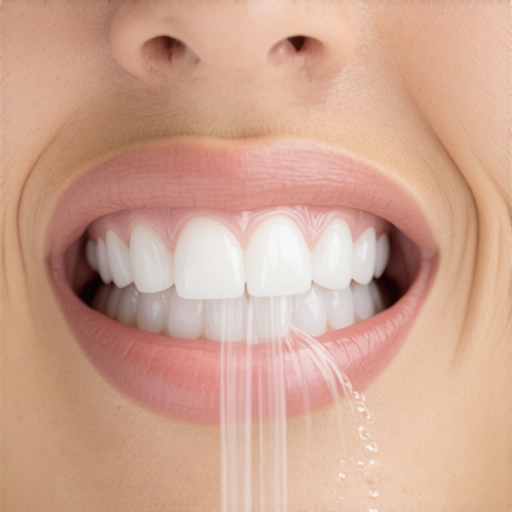
I vividly remember the first time I tried a water flosser. Eager to upgrade my oral hygiene routine, I fired up the device, expecting a gentle, refreshing clean. Instead, I was greeted with a surprising ache in my gums that lingered long after I turned it off. That dull, throbbing sensation made me question whether I had done something wrong—and honestly, I felt a bit discouraged. Have you ever experienced this uncomfortable feeling after using your water flosser for the first time? If so, you’re not alone.
Understanding That Gums Throbbing Feeling
The first time using a water flosser can sometimes lead to gum soreness or throbbing, especially if you’re new to the device or have delicate gums. The high-pressure water stream is excellent for dislodging plaque and debris, but it can also be a bit startling to sensitive tissues. My own early mistake was not adjusting the pressure setting; I started with the maximum level, thinking more power meant better cleaning. That was a rookie error.
The truth is, your gums are sensitive, and sudden or intense water pressure can cause minor irritation or even a mild inflammatory response. According to recent studies, aggressive flossing techniques—whether manual or water-based—can lead to gum discomfort if not done properly (source: https://familydentistpro.com/family-dentistry-secrets-maintaining-oral-health-with-modern-techniques-at-254-pm). The key is to find the right balance.
Is Water Flossing Actually Worth the Hype?
Many skeptics worry that water flossers might cause more harm than good or are just a gimmick. Honestly, I had my doubts too until I learned the proper way to incorporate them into my routine. Starting with high pressure was my mistake, but once I lowered the setting and learned to use gentle, controlled motions, the discomfort disappeared. It became a game-changer for my oral health.
Adjusting the pressure, especially when you’re just starting out, is crucial. Begin at the lowest setting and gradually increase as you get comfortable. Also, angle the water stream along the gumline rather than directly into the gums to prevent unnecessary irritation. Remember, every mouth is different; what works for me might need slight adjustments for you.
So, if you’ve faced that throbbing sensation, take a deep breath. There’s a simple fix—and a way to make water flossing a truly beneficial part of your oral care arsenal. Next, we’ll explore practical steps you can take right now to avoid gum discomfort and maximize the benefits of your water flosser.
Start Slow and Adjust Pressure Gradually
When I first began using my water flosser, I set it to the highest pressure, which caused discomfort. To avoid this, always start with the lowest setting, similar to turning down the volume on a speaker before increasing it. Slowly raise the pressure until you find a comfortable level that effectively cleans without irritating your gums. This step ensures your gums adapt gradually, reducing the risk of soreness or throbbing.
Use Proper Technique for Best Results
Position the flosser tip at a 90-degree angle along the gumline. Think of it as painting a straight line—steady, controlled movements deliver the water stream precisely where it’s needed. Avoid aiming directly into the gums, which can cause unnecessary irritation. Instead, follow the contours of your teeth and gums, using gentle sweeping motions. During my first few sessions, I found that tilting the tip slightly away from the gums minimized sensitivity while still cleaning effectively.
Timing and Water Pressure for Sensitive Gums
Limit each session to about one minute. Just like watering a delicate plant, overdoing it can cause damage. Start with shorter intervals and gradually increase as your gums become accustomed. If you notice any discomfort, pause and lower the pressure or stop for a moment. This approach helps your tissues adapt without overwhelming them, preventing that unpleasant throbbing.
Maintain Your Water Flosser Regularly
Regularly cleaning your device prevents bacteria buildup that could exacerbate gum sensitivity. Disassemble and rinse all parts after each use, just as you would clean your toothbrush. Using filtered or distilled water can also reduce mineral deposits and improve oral health. I once neglected cleaning my device, which led to minor gum irritation. After committing to regular maintenance, I experienced fewer issues and more comfortable sessions.
Incorporate Complementary Oral Hygiene Practices
Use a soft-bristled toothbrush and gentle floss to prepare your gums for water flossing. Think of it as warming up before a workout—preparing your tissues leads to better results. Additionally, applying a fluoride rinse can strengthen your gums and teeth, making them less susceptible to irritation. Combining these steps creates a comprehensive routine that promotes healthier, more comfortable gum tissue over time.
Remember, every mouth reacts differently. If persistent discomfort occurs despite these adjustments, consult your dentist for personalized advice. For more insights into maintaining healthy gums and teeth, check out this guide on family dentistry innovations.
Many people believe that brushing more often guarantees better oral health, but this is a myth that can lead to more harm than good, especially if you brush aggressively or with a hard bristle toothbrush. Overbrushing can erode enamel and cause gum recession, exposing sensitive areas and increasing cavity risk. The real key is brushing effectively with gentle strokes and an appropriate toothbrush, a nuance often overlooked in standard dental advice. When considering cosmetic solutions like Invisalign or crowns, a common misconception is that they are purely aesthetic. In reality, both play vital roles in maintaining long-term oral health, correcting misalignments that, if left untreated, can cause uneven wear, jaw pain, and even sleep apnea. Properly placed crowns restore tooth function and structure, preventing further decay and damage. However, many underestimate the importance of expert placement, which can lead to quicker failure or aesthetic issues.
Why Do Some Patients Experience Recurring Issues Despite Following Dental Advice?
](https://familydentistpro.com/family-dentistry-secrets-maintaining-oral-health-with-modern-techniques-at-254-pm) Research indicates that individual biology and daily habits hugely influence dental health outcomes. For instance, patients with dry mouths or compromised immune systems may face faster deterioration despite good hygiene routines. A critical but often unnoticed nuance is the impact of diet. Consuming sugary or acidic foods frequently can undermine even the best dental practices, causing erosion and cavities that seem to appear out of nowhere. Recognizing these subtleties allows for personalized care plans, which can dramatically improve results. Moreover, many underestimate the importance of regular professional check-ups and cleanings. These visits catch hidden issues early—like micro-cracks in crowns or minor gum disease—before they escalate into costly or painful problems. Remember, a crown or Invisalign isn’t a simple one-time fix; it’s part of a comprehensive strategy involving care, monitoring, and lifestyle adjustments.
In fact, choosing the right expert for crowns is crucial as it directly influences longevity and your overall satisfaction. A poorly fitted crown may cause bite issues, decay, or discomfort, which could be mistaken for normal aging or wear. For insights into selecting the best clinician, check out this guide.
Be mindful of the advancements in family dentistry, which now include minimally invasive techniques and personalized treatment planning that truly address your specific needs. Staying informed helps you avoid traps like unnecessary procedures or outdated methods. So, are you falling for these common misconceptions? Share your experiences in the comments, and let’s navigate the nuances of oral health together!Maintaining a healthy smile requires more than just brushing and flossing; the right tools can make all the difference in ensuring long-term results. As a dental professional, I emphasize using equipment that enhances effectiveness, comfort, and efficiency in daily oral care. One of my top recommendations is the Waterpik Ultra Water Flosser, which I personally rely on for its adjustable pressure settings and ease of use—crucial features for gentle yet thorough interdental cleaning, especially post-crowns or Invisalign treatment. Its targeted water stream helps dislodge plaque and debris in hard-to-reach areas, complementing traditional flossing and reducing gum inflammation. Next, investing in a high-quality electric toothbrush with smart timer and pressure sensors, like the Oral-B Genius X, ensures consistent brushing technique and prevents gum damage caused by excessive force. I appreciate its real-time feedback and quadrant timers, which promote thorough cleaning, particularly beneficial for children or family members with limited dexterity. For crown maintenance and longevity, I recommend using interdental brushes such as the OXO Good Grips Interdental Brush; they’re excellent for cleaning around crowns and bridges without risking damage, unlike standard floss which can sometimes snag or dislodge restorations. Keeping these tools in good shape is essential—regularly replacing brush heads and sterilizing tips prevent bacteria buildup and prolong their lifespan. Looking ahead, I predict that innovations like AI-enabled toothbrushes and water flossers will become standard, offering real-time feedback and personalized cleaning cues, further improving adherence and outcomes. How do I maintain these tools to ensure they work effectively over time? The key is consistent cleaning: rinse after each use, replace brush heads or tips every three months, and store in a dry, clean environment. Additionally, scheduling periodic professional cleanings will help identify any issues early, especially if you’re using complex tools around crowns or implants. To deepen your understanding, I recommend reading the detailed guide on family dentistry trends at this authoritative source. A practical tip is to try out an advanced interdental brush for your crown marginal zone; its rigid yet gentle bristles can reach areas that standard floss might miss, ensuring your restoration stays clean and healthy. Remember, the right tools combined with proper maintenance routine will keep your family’s smiles healthy and bright for years to come.
The Hardest Lesson I Learned About Family Dentistry and Oral Health
One pivotal realization was that consistency truly trumps intensity. I used to think that brushing harder would clean better, but I discovered gentle, thorough routines yield the best results and protect my gums. It’s about quality over quantity, and listening to your body’s signals can prevent pain.
3 Myths About Crowns and Invisalign That Held Me Back
Believing that crowns are purely aesthetic and that Invisalign is just for cosmetic improvements delayed my treatment. I learned that crowns restore function and prevent further damage, while Invisalign can correct bite issues that might cause jaw pain or wear. Consulting trusted sources like this guide changed my perspective entirely.
What Experts Won’t Tell You About Oral Hygiene and Long-Term Smile Confidence
Surprisingly, choosing the right tools makes a world of difference. I realized that high-quality electric toothbrushes with pressure sensors can prevent gum recession, and tools like interdental brushes around crowns keep restorations in top shape. Incorporating these tips from seasoned professionals enriched my routine and safeguarded my investment in my smile.
Curated Resources for Smarter Dental Care
My essential toolkit includes the Waterpik Ultra Water Flosser for effective interdental cleaning, an Oral-B Genius X electric toothbrush for precise brushing, and interdental brushes like OXO Good Grips to protect crowns. Each of these tools has revolutionized my daily routine, making oral care less of a chore and more of a confidence booster. For deeper insights, exploring trusted articles such as modern family dentistry innovations has been invaluable.
Your Smile Journey Starts Now
Your commitment to improving oral health can lead to lifelong confidence and well-being. Embrace the process, select the right tools, and seek professional advice when needed. Remember, every small step adds up to a brighter, healthier smile that you can be proud of. Ready to take the next step in your dental journey?