
How to tell if a dark spot is a cavity or just a deep groove

I’ll never forget the Tuesday night I stood in front of my bathroom mirror, flashlight in hand, staring into the back of my mouth like a detective at a crime scene. I’d spotted a tiny, dark speck on my lower molar and my brain immediately went into overdrive. I was already calculating the cost of a crown and wondering if I’d have to skip my vacation to pay for a root canal. It’s that sinking feeling we all get—the ‘dental dread.’ I’ve made the mistake of ignoring spots before, thinking they were nothing, only to end up with a major procedure. But I’ve also made the mistake of rushing in, heart pounding, for a spot that turned out to be a harmless stain from my morning espresso. Dealing with family dentistry secrets starts with knowing your own mouth before the panic sets in.
Stop Looking at Your Teeth as Enemies
Most of us assume that anything other than pearly white is a sign of decay. That’s just not true. Our teeth have character, and more importantly, they have anatomy. Those little lines and valleys on your molars are often just deep grooves, or ‘pits and fissures,’ that have been there since the tooth first popped up. I remember when my son’s adult teeth came in; I was convinced he had a dozen cavities until I learned why your child’s new molars have deep grooves that trap food naturally. These grooves can look dark because of the way light hits them, or because they’ve picked up a bit of pigment from your favorite snacks. Today, we’re going to figure out how to distinguish between a harmless anatomical feature and a real problem that needs a professional touch. Have you ever noticed a spot that seemed to appear overnight, or has one been bothering you for months?
Does every dark mark actually mean a drill is coming?
This is the big question everyone asks me. The short answer? No. Staining is incredibly common and often gets mistaken for decay. According to the Mayo Clinic, cavities are actually structural damage—holes—not just color changes. If your ‘spot’ is just a change in hue but the tooth surface feels hard and smooth, you might be looking at a simple stain. I once panicked over a dark line for three months, only to have my hygienist wipe it away in five seconds during a cleaning. To avoid that stress, following some top oral health tips can help you keep those grooves clean and your anxiety low. We need to look for specific textures and sensations to know if it’s time to call the office or just keep brushing.
Ditch the Dim Bathroom Light for a High-Beam Flashlight
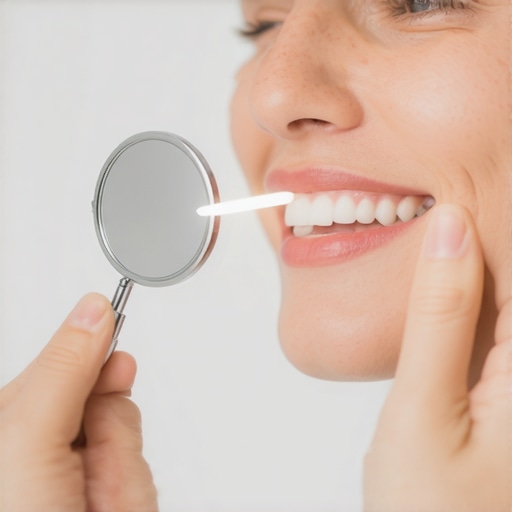
The first mistake I always see people make is trying to self-diagnose under that soft, yellow vanity lighting. It’s great for applying moisturizer, but it’s terrible for seeing the nuances of enamel. Think of your tooth like a white ceramic tile; a stain is just a smudge of dirt on top, while a cavity is a physical chip in the glaze. To see the difference, you need a high-intensity LED light. I once bought a cheap dental mirror online and spent twenty minutes trying to see my back molars. I was so aggressive I actually poked my gums until they bled, which is why I now suggest using your phone’s flashlight while standing in front of a larger mirror. If a dark spot looks ‘flat’ and disappears when you hit it with direct light, it’s likely just pigment. If the spot looks like a bottomless pit or has a matte, chalky border, you’re looking at actual decay.
Test the Texture with a Careful Fingernail or Toothpick
Healthy enamel is the hardest substance in your body—it’s like a polished marble floor. When bacteria start to win, they produce acid that softens that marble into something more like wet balsa wood. I remember checking a suspicious spot on my own tooth last year with a plastic toothpick. Instead of sliding over the surface, the tip actually ‘caught’ and felt sticky. That ‘stickiness’ is a major red flag. If you are checking your child, remember that why your child’s new molars have deep grooves that trap food makes it harder to tell the difference between a deep groove and a cavity. If you feel a distinct dip or a soft spot, that’s when the structure has failed and you might need to look into the ultimate guide to crowns for a healthier smile to see how we fix those structural holes before they reach the nerve.
Run the Sip Test to Check for Nerve Involvement
Color and texture are great, but your nerves are the ultimate snitches. Stains don’t hurt, but decay eventually reaches the sensitive inner layers of the tooth. You can actually perform the sip test to determine if your tooth sensitivity is nerve-related by using a glass of ice-cold water. Take a targeted sip and hold it against the suspicious tooth. A quick, sharp flash of pain that disappears instantly is often just sensitivity or recession. However, if the pain lingers for ten or twenty seconds after you’ve swallowed, that’s a sign the ‘spot’ has become a deep cavity that is irritating the pulp. In my experience, waiting until it hurts to eat your morning cereal usually means the fix will be more complex than a simple filling.
Identify When a Crack is More Than Just Cosmetic
Sometimes the ‘spot’ isn’t a dot at all, but a line. These can be ‘craze lines,’ which are just tiny cracks in the enamel that don’t go deep—like the fine lines on an old porcelain plate. But if that line follows a specific path or if you hear the specific sound your tooth makes when it is actually cracked while chewing something crunchy, it’s a different story. For those of us with existing dental work, you have to be even more vigilant. You might need to learn how to tell if your dental crown has a micro-crack you cant see because those hidden failures can trap bacteria underneath. If you’re ever unsure, modern technology like what a 3d cbct scan reveals that standard x-rays miss entirely can give you a definitive answer that a bathroom mirror never will.
One of the biggest lies we tell ourselves is that once a tooth is ‘crowned,’ the battle is over. I used to think of crowns as a suit of armor that made the tooth underneath invincible. In reality, a crown is a restoration that requires more maintenance than your original enamel. If you aren’t careful, you might notice why your gums are turning dark around the edge of a dental crown, which is often a sign of recession or marginal leakage rather than just a cosmetic quirk. The common myth is that ‘porcelain doesn’t decay.’ While that’s technically true, the tiny sliver of natural tooth where the crown meets the gumline—the ‘margin’—is a magnet for plaque. If you’ve ever wondered why your new zirconia crown feels taller than your other teeth, it’s usually because the bite hasn’t been perfectly calibrated to your natural grinding pattern, and forcing it can lead to bone loss or nerve inflammation.
Don’t Fall for the Mail-Order Aligner Trap
The ‘Oops’ factor often happens when we try to take shortcuts with technology like Invisalign. We live in an era where you can order almost anything to your doorstep, but learning how to tell if your invisalign trays are counterfeit from an online site is a skill every savvy patient needs. I’ve seen horror stories where people bypassed professional supervision, only to find why your teeth feel loose during the middle of invisalign treatment in a way that wasn’t healthy. Moving bone requires bio-mechanical precision, not just a plastic subscription. Real aligners are part of a medical process, and ignoring the supervision of a provider can lead to permanent root resorption, where your body actually starts to dissolve its own tooth roots because the pressure is too high.
Why does my aligner feel like it’s not quite ‘snapped’ in?
This is a classic nuance that separates the pros from the amateurs. Most people think just putting the tray in is enough to start the move. But if there’s even a microscopic gap between the plastic and your tooth, the biological ‘remodeling’ won’t happen. This is why learning how to seat stubborn invisalign trays using the munchie technique is a game-changer. A study published in the Journal of the American Dental Association (JADA) emphasizes that aligner ‘tracking’—the intimate fit of the tray against the tooth surface—is the single most important predictor of successful orthodontic movement. If you aren’t using seating tools to eliminate those air gaps, you’re essentially wearing expensive mouthguards that aren’t actually doing the work of shifting your smile.
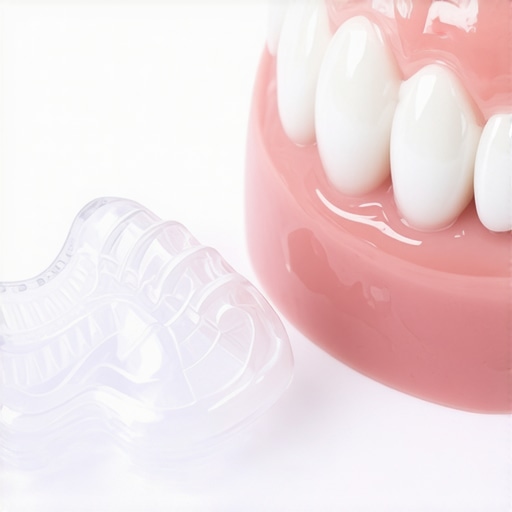
We also need to talk about the ‘hidden’ maintenance of these sophisticated tools. I once had a reader ask why your invisalign trays are turning yellow even with regular cleaning, and the culprit was surprisingly simple: they were drinking lukewarm tea without removing them. Even mild heat doesn’t just stain; it can warp the medical-grade plastic, rendering your expensive treatment plan useless. Whether it’s the ultimate guide to crowns for a healthier smile or a complex multi-year orthodontic plan, the nuance is always in the daily habits and professional oversight. It’s about understanding that dental work is an investment in living tissue, not a fixed object. Have you ever fallen into the trap of thinking a dental fix was ‘set it and forget it’? Let me know in the comments.
After years of trial and error with various gadgets, I’ve realized that keeping your dental work in ‘mint condition’ isn’t about working harder—it’s about using tools that actually fit the job. For my crowns, I ditched standard waxed floss for a specialized threader. There is nothing more frustrating than a snagged fiber under a molar, so I learned the simple way to stop your crown from catching on your floss which saved me from accidentally pulling at the margin. I also swear by interdental brushes. If you’re not using those tiny ‘Christmas tree’ brushes, you’re missing the plaque that a toothbrush simply cannot reach between a crown and a natural tooth. It is these small, daily adjustments that separate a restoration that lasts five years from one that lasts twenty.
My Personal Survival Kit for High-End Dental Work
When it comes to Invisalign or permanent retainers, the maintenance kit changes entirely. I keep a dedicated ‘aligner case’ that isn’t just for storage; it includes a small supply of retainer-safe cleaning crystals. If you are noticing a change in color, you should look into how to keep your invisalign trays from turning yellow over time to ensure your smile stays bright while it is being straightened. For those with permanent wires, knowing the move to fix a loose wire on your permanent retainer at home can save you an emergency trip when you feel that sharp poke on a Sunday evening. I also recommend a high-quality water flosser. It is the gold standard for cleaning around implants and bridges where traditional floss struggles to navigate the architecture of the gums.
How do I maintain my smile’s structural integrity over the long haul?
It comes down to a concept called ‘bio-maintenance.’ According to research published by the American Academy of Cosmetic Dentistry (AACD), the longevity of porcelain and zirconia restorations rests significantly on the health of the surrounding gingival tissue. If your gums aren’t healthy, the foundation of your crown or implant is compromised. This is why the secret to making your dental implants last for the rest of your life isn’t just about the titanium itself, but the daily irrigation you perform. I use a water flosser on a medium setting every single night. If you’ve never used one, be prepared—it feels strange at first, and you might even wonder why your gums throb after you use a water flosser for the first time, but that is often just the increased blood flow stimulating the tissue. 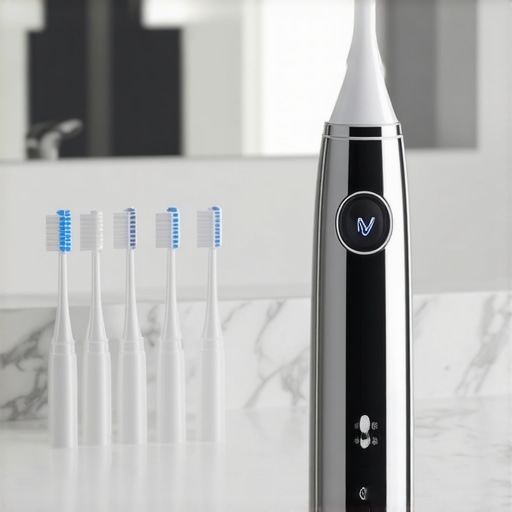
The Future of Your Bathroom Mirror
Looking ahead, I expect we will see smart-mirrors equipped with AI that scan for the ‘spots’ and ‘shadows’ we discussed earlier. We are already seeing family dentistry trends improving oral health for all ages through teledentistry and AI-driven imaging that can spot a micro-leak before it becomes a root canal. Soon, you won’t need a flashlight and a phone; your mirror will highlight areas of concern in real-time. My challenge for you today is to buy a pack of interdental brushes and use them on just your back teeth for a week; you will be shocked at what your ‘perfect’ brushing routine has been leaving behind. If you are ready to level up your routine or have a concern that needs a professional eye, feel free to contact us to schedule a deep-dive consultation.
The One Thing I Learned After Years of Dental Anxiety
I used to think my dentist was a judge and my mouth was the evidence of my failures. But the real breakthrough happened when I realized that oral health is a partnership, not a test. Here is what I’ve learned from the front lines of dental chairs: preventative maintenance is always cheaper and less painful than restorative rescue. Your body actually tries to tell you when something is wrong—throbbing, lingering sensitivity, and texture changes are all ‘early warning lights.’ While we focus on maintenance, remember that the impact of diet soda on your expensive dental restorations can undo weeks of good habits in a single afternoon. If you’re looking to brighten things up safely, the safest way to whiten sensitive teeth at home without pain involves patience and the right products, not just the strongest chemicals.
The High-Value Kit for a Lifetime Smile
Building a routine that works for your specific anatomy is essential. I personally rely on these specific tools and philosophies to keep my dental bills low and my confidence high. First, the water flosser is non-negotiable for anyone with crowns or implants; it clears debris from the gingival sulcus that standard floss simply skips. Second, interdental brushes are the precision tools for your back molars. Finally, prioritize expert consultations. I truly believe why crowns are a game-changer in restorative dentistry comes down to their ability to save a tooth that would otherwise be lost, provided you are choosing the right crown expert advice for long-lasting results from a provider you trust. These tools aren’t just gadgets; they are the foundation of your dental health.
#IMAGE_PLACEHOLDER_E#
Take Control of Your Dental Future Today
At the end of the day, you are the world’s leading expert on what is happening inside your own mouth. You are the one who feels the slight shift in an aligner or the sharp zing of a cold drink. By applying these family dentistry secrets, you move from being a passive patient to an active guardian of your smile. Seeing how invisalign transforms family dentistry in 2025 makes me incredibly optimistic about the future of adult orthodontics and overall health. Your smile is a lifelong investment—treat it with the curiosity and care it deserves. Have you ever felt that sudden panic over a mystery spot in the mirror? Let me know your story in the comments below!