
The reason your gums feel tender after a routine cleaning
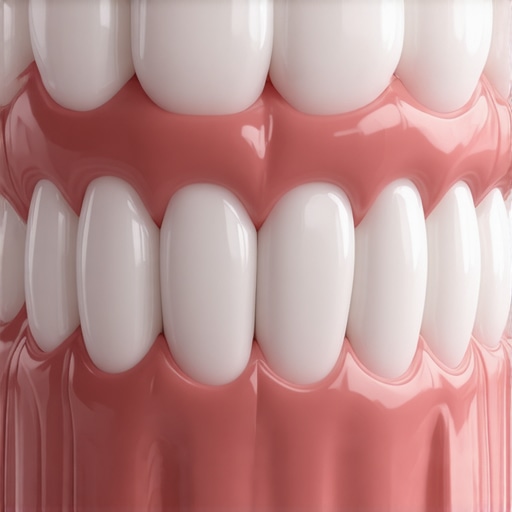
I remember sitting in my car in the dental office parking lot, gingerly poking my gums with my tongue and wondering if I’d just been through a routine cleaning or a three-round boxing match. My mouth felt raw, and every breath of cool air seemed to find a sensitive spot I didn’t know existed. For years, I made the classic mistake of thinking that if a cleaning hurt, it meant my hygienist was being too aggressive or that I just had ‘bad luck’ with my teeth. It took a few awkward conversations and a real ‘lightbulb moment’ to realize that the tenderness wasn’t the enemy—it was actually a signal my body was sending me about what was happening beneath the surface.
Stop Blaming the Hygienist and Look at the Biofilm
When you head in for your semi-annual visit, the goal isn’t just to make your smile look pretty for photos; it’s a deep-dive rescue mission for your oral health. Even if you follow the top oral health tips for your family’s bright smiles, plaque and tartar—what we pros call calculus—love to hide in the nooks and crannies your toothbrush simply can’t reach. When the hygienist uses those metal scalers, they are physically breaking up hardened colonies of bacteria that have been irritating your gum tissue for months. If your gums are already slightly inflamed (even if you can’t see it), that mechanical cleaning is going to leave them feeling a bit battered. I used to think why your gums throb after you use a water flosser for the first time was a sign to stop, but it’s actually a sign that the area needs more attention, not less. Today, we are going to dive into exactly why that post-chair soreness happens and how you can bounce back faster than ever.
Is this level of discomfort actually normal?
It is the question everyone asks while they are rinsing with cold water that evening. You might feel a bit of skepticism—after all, shouldn’t a ‘cleaning’ make things feel better, not worse? According to the American Academy of Periodontology, nearly half of American adults over age 30 suffer from some form of periodontal disease. When your gums are in a constant state of fighting off bacteria, they become highly vascular and sensitive. The cleaning process is essentially a ‘good’ trauma that allows the healing to begin. If you’re struggling right now, I’ve found that the salt water rinse secret for healing swollen gums at home is an absolute game-changer for that Day 1 ache. Mastering family dentistry secrets for maintaining oral health means realizing that a little bit of tender gum tissue is often the first step toward a much healthier mouth. Have you ever felt like your mouth was more sensitive *after* leaving the dentist than before you walked in?
Flush Out Bacteria with a Kitchen Staple
The very first thing you should do when you get home is reach for the salt shaker. Think of your gums like a scraped knee; you wouldn’t walk through a dusty field with an open wound, and you shouldn’t let food debris sit in freshly cleaned gingival pockets either. A warm salt water solution works through osmosis, drawing out excess fluid from inflamed tissues and killing off the stray bacteria the scaler might have stirred up. Using the saltwater rinse hack for immediate gum relief three times a day can reduce that ‘beating heart’ sensation in your mouth significantly. It’s a low-tech solution that provides high-level results by balancing the pH of your mouth during those critical first 48 hours.
Choose Your Plate to Avoid Agitating the Tissue
I’ll never forget the Tuesday I decided to reward myself with a massive, crunchy taco bowl immediately after a scaling and root planing session. I thought I was fine because the local anesthetic hadn’t fully worn off. Big mistake. As soon as the numbness faded, every tiny shard of tortilla felt like a hot needle pressing into my gums. I spent the next four hours clutching an ice pack and regretting my life choices. Now, I tell everyone: stick to the yogurt and smoothies for at least 24 hours. Knowing the best soft foods to eat right after getting a new dental implant is actually great advice for deep cleaning recovery too, as it prevents mechanical irritation of the healing tissue. Avoid anything spicy, acidic, or jagged that could lodge itself back into the areas your hygienist just worked so hard to clear out.

Why the Air Feels Like Ice Against Your Molars
If you find yourself flinching every time you take a breath of cool air or sip lukewarm water, you aren’t imagining things. When a thick layer of tartar is removed, it often exposes parts of the tooth root that haven’t seen the light of day in years. These areas are rich in microtubules that lead directly to the nerve. This is often why your teeth feel sensitive to cold air during the winter months, but a professional cleaning can trigger it instantly. Switch to a desensitizing toothpaste immediately and avoid rinsing with ice-cold water. Treat your teeth like a fine instrument that needs to be brought back to room temperature slowly.
Identify Hidden Issues Exposed by the Cleaning
Sometimes, the soreness isn’t just from the tools—it’s from what the tools uncovered. Once the debris is cleared, your dentist might find that a tooth is more mobile than it should be or that a restoration is failing. You might suddenly notice a metallic tang, which is common if you have older fillings, and understanding why your breath smells like metal right after a deep cleaning can help you distinguish between normal healing and a loose silver filling. In some cases, removing the ‘scaffolding’ of tartar reveals that you actually need the ultimate guide to crowns for a healthier smile to protect a weakened structure. If a specific spot continues to throb after three days, it’s worth checking how to tell if your dental crown has a micro-crack you can’t see, as the vibration of cleaning can sometimes highlight pre-existing structural issues.
Clean Gaps Make for Better Alignment
If you are currently in the middle of orthodontic work or considering it, post-cleaning is the best time to evaluate your progress. When the ‘fuzzy’ feeling of plaque is gone, your aligners will actually fit more snugly against the enamel. Deciding between Invisalign vs braces: which solution fits your lifestyle becomes much easier when you realize how much easier it is to keep your gums healthy with removable trays. A clean slate allows the plastic to grip the teeth more effectively, accelerating your journey toward a straighter smile without the interference of calculus buildup.
A common misconception I hear in the chair is that once a tooth is crowned, it’s effectively “armored” against future problems. It’s a dangerous trap to fall into. While why crowns are a game-changer in restorative dentistry is undeniable for structural support, they aren’t a get-out-of-jail-free card for hygiene. In fact, the margin—the tiny seam where the porcelain meets your natural tooth—is the most vulnerable real estate in your mouth. If you’ve ever wondered why your gums are turning dark around the edge of a dental crown, it’s often a sign that the seal is compromised or that the tissue is reacting to accumulated plaque that’s harder to clear than on a natural tooth. We often think of restorations as the end of the journey, but they are actually the start of a more disciplined maintenance phase.
Does your new crown feel slightly taller when you clench your teeth?
One of the biggest “oops” moments patients face is ignoring a crown that feels “high.” They assume the jaw will just adapt or the tooth will “settle” into the socket over time. This is a recipe for a localized, throbbing toothache that feels suspiciously like a failed cleaning. According to a study in the Journal of Prosthetic Dentistry, even a few microns of misalignment can cause occlusal trauma, leading to ligament inflammation that perfectly mimics the pain of a root infection. If you notice why your new zirconia crown feels taller than your other teeth, don’t wait for it to go away. That constant pounding every time you chew can actually loosen the restoration or damage the opposing tooth. It’s much easier to have your dentist buff down a high spot than to treat a fractured root later on.
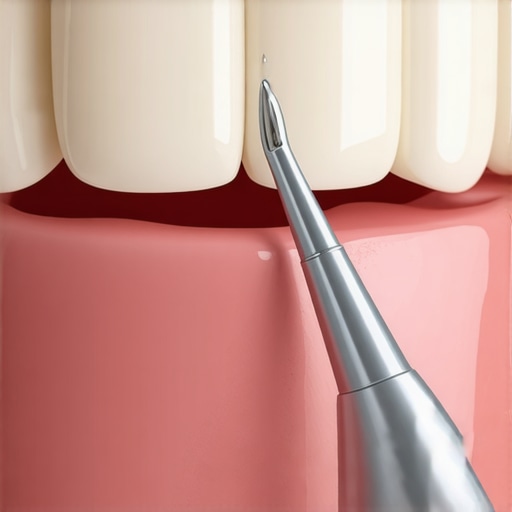
Beyond the fit, the way we clean these restorations matters more than most realize. I’ve seen patients avoid flossing around a new crown because they are afraid of “popping it off” or because the area feels tender after a scaling. This lack of care is exactly what leads to why your dental crown feels like it’s shifting. When bacteria settle at that margin, the gum tissue recedes, exposing the tooth structure underneath to rapid decay. Mastering the simple way to stop your crown from catching on your floss is vital for its longevity. Similarly, when it comes to straightening your teeth, people often think the “clear” in aligners means they are invisible to maintenance. I’ve seen families assume that because they can take the trays out, they can skip the rigorous hygiene required for how invisalign transforms family dentistry in 2025. In reality, trapping sugar or bacteria under a plastic tray is far worse than leaving it on an open tooth. It’s these hidden nuances of family dentistry secrets for maintaining oral health that separate a successful treatment from one riddled with new cavities. If you treat your crown or your aligners like a shield instead of a high-maintenance prosthetic, you’re essentially counting down the days until the next emergency visit. Have you ever fallen into this ‘invincible tooth’ trap? Let me know in the comments!
Stop Hitting the Snooze Button on Your Biofilm
If you want to keep your dental work for decades rather than years, you have to move beyond the basic ‘up and down’ brushing motion we all learned in kindergarten. I’ve become a massive advocate for using plaque disclosing tablets once a week. It sounds childish, but seeing exactly where the purple dye sticks—usually right at the base of my zirconia crown or the edge of an Invisalign attachment—was a massive ego check. It showed me that even with an expensive electric brush, I was missing the most critical areas. For anyone following the top oral health tips for your family’s bright smiles, this visual feedback is the only way to ensure you aren’t leaving a ‘bacteria buffet’ behind every night.
How do I maintain these high-end dental results over time?
The secret isn’t just about how hard you brush, but the tools you use to bridge the gap between professional cleanings. I personally rely on a combination of a high-frequency sonic toothbrush and an ultrasonic cleaner for my removables. A study published in the Cochrane Database of Systematic Reviews confirmed that powered toothbrushes, particularly those with an oscillating-rotating action, provide a statistically significant reduction in both plaque and gingivitis compared to manual brushing. When you have invested in choosing the right crown expert advice for long-lasting results, you cannot afford to use a $2 manual brush and expect the margins to stay sealed forever.
Forget Floss and Try This Targeted Tool Instead
While traditional floss is great for tight contacts, it often ‘tents’ over the concave areas of your premolars and molars. I’ve switched almost entirely to interdental brushes—those tiny ‘Christmas tree’ brushes—specifically for the areas around my restorations. They are significantly more effective at mechanically scrubbing the actual surface of the tooth under the contact point. If you find that regular string is constantly snagging, learning the simple way to stop your crown from catching on your floss will save you a lot of frustration, but adding an interdental brush to your kit is the real pro move for periodontal health.
Smart Mirrors and the Future of Your Morning Routine
I predict that within the next five years, the ‘smart mirror’ will become a standard fixture in family bathrooms. We are already seeing prototypes that use specialized UV light to highlight porphyrins (the waste products of certain bacteria) in real-time, effectively giving you an X-ray view of where you need to brush. This aligns with the broader Invisalign innovations: the future of family dentistry revealed, where data and bio-feedback dictate our care rather than just guesswork. Until that tech hits your local big-box store, you have to be your own dental detective. For those with aligners, knowing how to keep your Invisalign trays clear without buying expensive cleaners is a great start, but I also suggest a weekly vinegar soak that safely sanitizes your retainers and guards to prevent mineral buildup that can scratch your enamel. My advanced tip for you this week? Grab a pack of disclosing tablets and find your ‘blind spots’ before they turn into cavities. You might be surprised at what you’ve been missing.
Lessons My Jaw Had to Learn the Hard Way
Over the years, I’ve realized that the hour you spend in the dental chair is only half the battle; the real victory happens in your bathroom mirror during the days that follow. First, don’t panic if your teeth feel slightly mobile after a deep cleaning. When years of calculus are removed, the ‘artificial scaffolding’ is gone, and your gums need time to tighten back up around the root. I also learned that color is the best storyteller; observing why your gums look pale instead of healthy pink can help you distinguish between healthy healing and poor circulation. Finally, be mindful of post-procedure stress. If you wake up with a tight jaw, it’s often the reason your face feels sore after a night of heavy dreaming, as your brain processes the physical ‘trauma’ of the dental visit by clenching.
The Daily Defense Kit I Actually Keep in My Bathroom
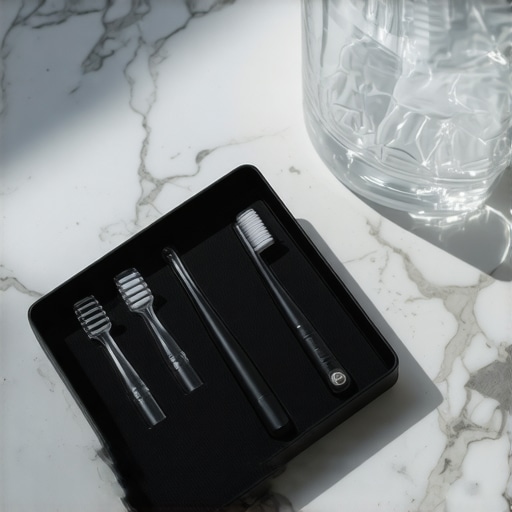
Maintaining a professional-grade smile doesn’t require a laboratory, but it does require moving beyond the basics. I recommend starting with Plaque Disclosing Tablets. They are the ultimate ego check, showing you exactly where your technique is failing. Secondly, invest in Interdental Brushes. These tiny ‘tree’ brushes are far superior to string floss for cleaning the margins of crowns and the gaps between teeth where gum disease often starts. I also swear by Sonic Toothbrushes with pressure sensors. These ensure you aren’t undoing the hygienist’s hard work by scrubbing too hard. Following the top oral health tips for your family’s bright smiles often comes down to having the right tools within arm’s reach.
#IMAGE_PLACEHOLDER_E#
Your Smile is a Living Investment
At the end of the day, your mouth is the gateway to your overall health, and the temporary discomfort of a cleaning is a small price to pay for a lifetime of function. Don’t look at dental visits as an obligation, but as a reset button for your body. By applying family dentistry secrets for maintaining oral health, you shift from being a passive patient to an active guardian of your smile. The future of your oral health isn’t written in your genetics; it’s written in your daily habits. Have you ever noticed your teeth feeling ‘loose’ or different right after a deep cleaning? Let me know about your recovery experience in the comments!