
How to stop your jaw from locking while you eat
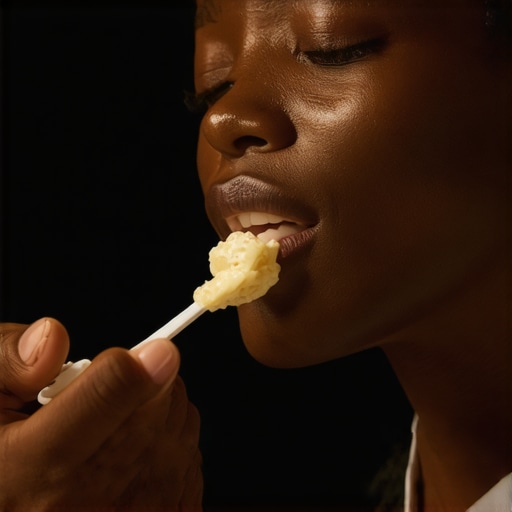
I’ll never forget the evening a simple cheeseburger nearly sent me to the emergency room. It wasn’t the calories—it was the fact that mid-bite, my jaw simply gave up and seized. There I was, mouth half-open, eyes watering, trying to look ‘normal’ while my temporomandibular joint (TMJ) staged a full-scale protest. It’s a lonely, frantic feeling when your own body refuses to cooperate with something as basic as chewing. For years, I ignored the clicking and the dull aches, assuming it was just a quirk of my anatomy. I was wrong. It was a cry for help from a system that was severely overworked. In this guide, I’m going to walk you through the literal steps I took to regain my range of motion and stop the ‘lock’ before it starts.
That Moment My Jaw Decided to Quit Mid-Burger
I spent far too long making the classic mistake of thinking I could just ‘stretch’ my way out of the problem. I’d force my mouth open wider or try to wiggle it side-to-side, which only increased the inflammation. It turns out, the connection between grinding your teeth and those constant morning headaches I was having was the biggest clue I was ignoring. My jaw wasn’t just locking; it was exhausted from a 24/7 workout I didn’t even know I was giving it. According to the National Institute of Dental and Craniofacial Research, TMJ disorders affect over 10 million Americans, and many of us are just silently suffering through the pain.
Is it possible to fix a locking jaw without surgery?
Many people fear that once the locking starts, the only way out is a sterile operating room and a long recovery. I certainly did. But before we get to that extreme, there are dozens of habit shifts and minor adjustments that can make a world of difference.
Stop Forcing the Issue and Start Listening
One of the hardest lessons I learned was that ‘powering through’ is the worst strategy for jaw health. I used to think if I could just pop it back into place, I’d be fine. Instead, I should have been looking at how to stop grinding your teeth without an expensive night guard or exploring other restorative options. When you feel that tension building, your jaw isn’t asking for a fight; it’s asking for a break. Have you ever had your jaw lock up at the most inconvenient time possible, like a first date or a big family dinner? Tell me I’m not the only one who has had to hide in a bathroom stall to massage their face back to life! It’s time we talk about the real-world fixes that actually work.
Cool Down the Inflammation Before You Move
When your jaw locks, the muscles are essentially in a state of high-alert panic. Imagine your jaw muscles as a tightly wound rubber band that has been sitting in the freezer—if you pull it too hard, it snaps. Instead of forcing it, you need to apply heat. I found that a moist heat pack for 15 minutes was the only thing that let my muscles ‘exhale.’ While you are waiting for the heat to work, you can also use the salt water rinse hack for immediate gum relief to help soothe any secondary irritation in the back of your mouth that might be causing you to hold your jaw tensely.
Give Your Teeth a Vacation from Hard Foods
This sounds obvious, but it is the step most people skip because they feel better after a few hours. I learned this the hard way. A week after my burger incident, I thought I was back to 100% and tried to tackle a crisp Granny Smith apple. One bite in, and that familiar, sickening clack echoed in my skull. I spent the next three days on a soup-only diet, feeling like a fool. You have to treat your jaw like a sprained ankle; you would not run a marathon on a healing ligament, so do not ask your TMJ to grind through steak or raw carrots. Stick to soft foods for at least two weeks longer than you think you need to.
Stop the Nighttime Battle with Your Teeth
Most of the damage happens while you are unconscious. If you wake up and find the reason your face feels sore after a night of heavy dreaming is muscle fatigue, you are clenching your life away in your sleep. This constant pressure flattens the disc in your joint, making it much easier for it to slip out of place and cause a lock. You do not always need a $500 piece of plastic to start seeing results. Learning how to stop grinding your teeth without an expensive night guard involves stress management and tongue-positioning exercises—like keeping your ‘lips together, teeth apart.’
Realign Your Bite for Long-Term Peace
Sometimes the lock is simply a mechanical failure because your teeth do not fit together like they should. It is like a door that is hung slightly crooked; eventually, the hinge is going to give out. I have seen many people find massive relief by finally addressing their alignment issues. When looking at invisalign vs braces which solution fits your lifestyle, the goal is not just a pretty smile—it is creating a bite where the jaw can rest in a neutral position instead of constantly straining to find a comfortable home.
Master the N-Position Technique
This is my favorite ‘secret’ move. Say the letter N and hold your tongue right there, against the roof of your mouth. This position naturally forces your jaw to relax and prevents clenching. I practiced this until it became my default state while driving or working at my desk. It is a tiny shift that acts like a pressure-release valve for your entire face.The N-position is a fantastic tool for daytime awareness, but let’s dig deeper into the structural mechanics that often keep the jaw in a state of perpetual crisis. We need to challenge a common misconception that often prevents people from seeking the right help: the idea that clear aligners are purely cosmetic. In reality, invisalign myths debunked what you need to know today reveal that straightening your teeth is often a functional necessity for jaw health. When your bite is even slightly misaligned, your masticatory muscles never truly relax because they are constantly searching for a stable ‘home’ for your teeth to rest. 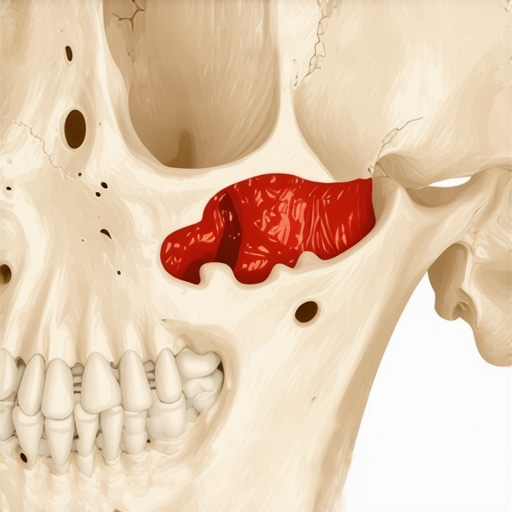
Stop Thinking Alignment is Just for the Prom Photos
If your teeth don’t meet harmoniously, your TMJ has to compensate for that gap every time you chew or swallow. This constant micro-adjustment leads to the exact muscle fatigue that causes your jaw to seize mid-burger. This is why looking into family dentistry secrets maintaining oral health with modern techniques at 254 pm is so vital; it’s about engineering a bite where the force is distributed equally across all your teeth, rather than overloading the joint.
Don’t Let a Microscopic High Spot Ruin Your Recovery
Here is the ‘oops’ factor that catches even the most diligent patients off guard: the high spot trap. After getting a filling or a crown, many people notice a tiny point of contact that feels a bit ‘taller’ than the rest. We often assume we will simply ‘wear it down’ over time. This is a dangerous mistake. That microscopic elevation acts like a pebble in your shoe, forcing your jaw to shift awkwardly 600 times a day during every swallow. You won’t wear the crown down; you will wear your joint out. Ensuring you are choosing the right crown expert advice for long lasting results means demanding a bite check that is precise to the micron.
Why does my bite feel perfect at the dentist but completely wrong once I get home?
This is a sophisticated nuance that many standard exams miss. Your jaw position changes significantly based on your posture. A study published in the Journal of Oral Rehabilitation found that occlusal contact patterns—how your teeth touch—shift when moving from an upright sitting position to a supine (lying down) position. This explains why your crown feels like it has a high spot only when you grind or why your jaw only seems to lock up after you’ve been in bed for an hour. If your dental work wasn’t calibrated for your sleeping posture, it could be the silent trigger for your morning headaches. Have you ever fallen into this trap where you thought a dental issue would just ‘settle in’ on its own, only to have it cause more pain later? Let me know in the comments.
The Essential Kit for a Tension-Free Mouth
I spent months struggling with trays that did not feel ‘tight’ enough until I discovered the power of proper seating. If you are currently in the middle of your journey, learning how to seat stubborn invisalign trays using the munchie technique is a total game-changer. I personally use these firm silicone devices for at least 10 minutes every evening. It ensures the plastic is fully engaged with the attachments, which prevents the teeth from ‘lagging’ and creating uneven pressure on the TMJ. When the tray isn’t fully seated, your bite is slightly off for 22 hours a day, which is exactly how those muscle spasms start. I also keep a specialized ‘Pultool’ in my travel kit because the trick to removing stubborn invisalign aligners without breaking a nail often comes down to having the right leverage, especially when your jaw feels a bit tight or tender in the morning. 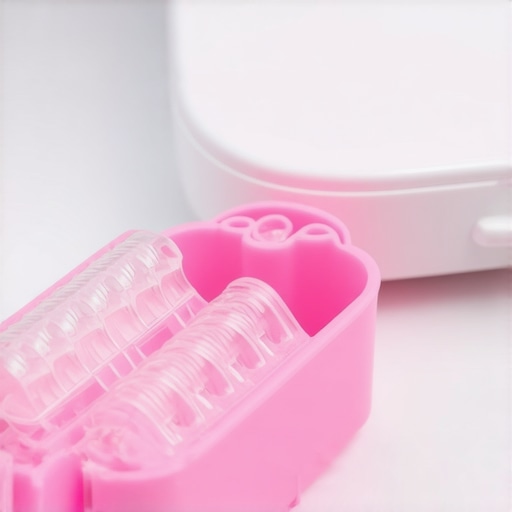
Ditch the Expensive Chemicals for This Simple Soak
Keeping your hardware clean shouldn’t cost as much as the treatment itself. I have tried every brand-name cleaning crystal on the market, but nothing beats the vinegar soak that safely sanitizes your retainers and guards without that weird chemical aftertaste. It effectively breaks down the calcium buildup that makes your aligners look cloudy and feel ‘gritty’ against your tongue. It is a small habit, but a clean tray means less bacterial irritation in the gums, and less irritation means a more relaxed jaw. This is a foundational part of family dentistry secrets maintaining oral health with modern techniques at 254 pm that often gets overlooked in favor of expensive gadgets.
How do I keep my jaw health from backsliding?
Long-term maintenance is where most people fail. We get the results, the pain stops, and we go back to our old habits. I recommend scheduling a 3D scan once a year, even if you feel fine. Understanding what a 3d cbct scan reveals that standard x-rays miss entirely can help you catch bone density changes or joint erosion before they manifest as a locked jaw again. According to the American Association of Orthodontists (AAO), digital monitoring is becoming the gold standard for preventing relapse in both tooth position and joint health, ensuring that the structural work you have done stays intact.
AI is Coming for Your Smile—In a Good Way
Looking ahead, I predict we are going to see a massive shift toward AI-integrated oral health tracking. We are already seeing the hidden benefits of invisalign for family dental care in 2025 at 903 am include apps that use your smartphone camera to track tooth movement in real-time. This means your dentist can catch a ‘high spot’ or a tracking issue before you even feel the first click in your jaw. It is about moving from reactive ‘fix it when it breaks’ care to proactive maintenance. If you take away one thing from my journey, let it be this: do not wait for a crisis to take your bite seriously. Try the ‘N-position’ for three minutes right now while you finish reading—I bet you will feel your jaw drop and your facial muscles relax instantly.I’ll never forget the evening a simple cheeseburger nearly sent me to the emergency room. It wasn’t the calories—it was the fact that mid-bite, my jaw simply gave up and seized. There I was, mouth half-open, eyes watering, trying to look ‘normal’ while my temporomandibular joint (TMJ) staged a full-scale protest. It’s a lonely, frantic feeling when your own body refuses to cooperate with something as basic as chewing. For years, I ignored the clicking and the dull aches, assuming it was just a quirk of my anatomy. I was wrong. It was a cry for help from a system that was severely overworked. In this guide, I’m going to walk you through the literal steps I took to regain my range of motion and stop the ‘lock’ before it starts.
That Moment My Jaw Decided to Quit Mid-Burger
I spent far too long making the classic mistake of thinking I could just ‘stretch’ my way out of the problem. I’d force my mouth open wider or try to wiggle it side-to-side, which only increased the inflammation. It turns out, the connection between grinding your teeth and those constant morning headaches I was having was the biggest clue I was ignoring. My jaw wasn’t just locking; it was exhausted from a 24/7 workout I didn’t even know I was giving it. According to the National Institute of Dental and Craniofacial Research, TMJ disorders affect over 10 million Americans, and many of us are just silently suffering through the pain.
Is it possible to fix a locking jaw without surgery?
Many people fear that once the locking starts, the only way out is a sterile operating room and a long recovery. I certainly did. But before we get to that extreme, there are dozens of habit shifts and minor adjustments that can make a world of difference.
Stop Forcing the Issue and Start Listening
One of the hardest lessons I learned was that ‘powering through’ is the worst strategy for jaw health. I used to think if I could just pop it back into place, I’d be fine. Instead, I should have been looking at how to stop grinding your teeth without an expensive night guard or exploring other restorative options. When you feel that tension building, your jaw isn’t asking for a fight; it’s asking for a break. Have you ever had your jaw lock up at the most inconvenient time possible, like a first date or a big family dinner? Tell me I’m not the only one who has had to hide in a bathroom stall to massage their face back to life! It’s time we talk about the real-world fixes that actually work.
Cool Down the Inflammation Before You Move
When your jaw locks, the muscles are essentially in a state of high-alert panic. Imagine your jaw muscles as a tightly wound rubber band that has been sitting in the freezer—if you pull it too hard, it snaps. Instead of forcing it, you need to apply heat. I found that a moist heat pack for 15 minutes was the only thing that let my muscles ‘exhale.’ While you are waiting for the heat to work, you can also use the salt water rinse hack for immediate gum relief to help soothe any secondary irritation in the back of your mouth that might be causing you to hold your jaw tensely.
Give Your Teeth a Vacation from Hard Foods
This sounds obvious, but it is the step most people skip because they feel better after a few hours. I learned this the hard way. A week after my burger incident, I thought I was back to 100% and tried to tackle a crisp Granny Smith apple. One bite in, and that familiar, sickening clack echoed in my skull. I spent the next three days on a soup-only diet, feeling like a fool. You have to treat your jaw like a sprained ankle; you would not run a marathon on a healing ligament, so do not ask your TMJ to grind through steak or raw carrots. Stick to soft foods for at least two weeks longer than you think you need to.
Stop the Nighttime Battle with Your Teeth
Most of the damage happens while you are unconscious. If you wake up and find the reason your face feels sore after a night of heavy dreaming is muscle fatigue, you are clenching your life away in your sleep. This constant pressure flattens the disc in your joint, making it much easier for it to slip out of place and cause a lock. You do not always need a $500 piece of plastic to start seeing results. Learning how to stop grinding your teeth without an expensive night guard involves stress management and tongue-positioning exercises—like keeping your ‘lips together, teeth apart.’
Realign Your Bite for Long-Term Peace
Sometimes the lock is simply a mechanical failure because your teeth do not fit together like they should. It is like a door that is hung slightly crooked; eventually, the hinge is going to give out. I have seen many people find massive relief by finally addressing their alignment issues. When looking at invisalign vs braces which solution fits your lifestyle, the goal is not just a pretty smile—it is creating a bite where the jaw can rest in a neutral position instead of constantly straining to find a comfortable home.
Master the N-Position Technique
This is my favorite ‘secret’ move. Say the letter N and hold your tongue right there, against the roof of your mouth. This position naturally forces your jaw to relax and prevents clenching. I practiced this until it became my default state while driving or working at my desk. It is a tiny shift that acts like a pressure-release valve for your entire face.The N-position is a fantastic tool for daytime awareness, but let’s dig deeper into the structural mechanics that often keep the jaw in a state of perpetual crisis. We need to challenge a common misconception that often prevents people from seeking the right help: the idea that clear aligners are purely cosmetic. In reality, invisalign myths debunked what you need to know today reveal that straightening your teeth is often a functional necessity for jaw health. When your bite is even slightly misaligned, your masticatory muscles never truly relax because they are constantly searching for a stable ‘home’ for your teeth to rest.
Stop Thinking Alignment is Just for the Prom Photos
If your teeth don’t meet harmoniously, your TMJ has to compensate for that gap every time you chew or swallow. This constant micro-adjustment leads to the exact muscle fatigue that causes your jaw to seize mid-burger. This is why looking into family dentistry secrets maintaining oral health with modern techniques at 254 pm is so vital; it’s about engineering a bite where the force is distributed equally across all your teeth, rather than overloading the joint.
Don’t Let a Microscopic High Spot Ruin Your Recovery
Here is the ‘oops’ factor that catches even the most diligent patients off guard: the high spot trap. After getting a filling or a crown, many people notice a tiny point of contact that feels a bit ‘taller’ than the rest. We often assume we will simply ‘wear it down’ over time. This is a dangerous mistake. That microscopic elevation acts like a pebble in your shoe, forcing your jaw to shift awkwardly 600 times a day during every swallow. You won’t wear the crown down; you will wear your joint out. Ensuring you are choosing the right crown expert advice for long lasting results means demanding a bite check that is precise to the micron.
Why does my bite feel perfect at the dentist but completely wrong once I get home?
This is a sophisticated nuance that many standard exams miss. Your jaw position changes significantly based on your posture. A study published in the Journal of Oral Rehabilitation found that occlusal contact patterns—how your teeth touch—shift when moving from an upright sitting position to a supine (lying down) position. This explains why your crown feels like it has a high spot only when you grind or why your jaw only seems to lock up after you’ve been in bed for an hour. If your dental work wasn’t calibrated for your sleeping posture, it could be the silent trigger for your morning headaches. Have you ever fallen into this trap where you thought a dental issue would just ‘settle in’ on its own, only to have it cause more pain later? Let me know in the comments.
The Essential Kit for a Tension-Free Mouth
I spent months struggling with trays that did not feel ‘tight’ enough until I discovered the power of proper seating. If you are currently in the middle of your journey, learning how to seat stubborn invisalign trays using the munchie technique is a total game-changer. I personally use these firm silicone devices for at least 10 minutes every evening. It ensures the plastic is fully engaged with the attachments, which prevents the teeth from ‘lagging’ and creating uneven pressure on the TMJ. When the tray isn’t fully seated, your bite is slightly off for 22 hours a day, which is exactly how those muscle spasms start. I also keep a specialized ‘Pultool’ in my travel kit because the trick to removing stubborn invisalign aligners without breaking a nail often comes down to having the right leverage, especially when your jaw feels a bit tight or tender in the morning.
Ditch the Expensive Chemicals for This Simple Soak
Keeping your hardware clean shouldn’t cost as much as the treatment itself. I have tried every brand-name cleaning crystal on the market, but nothing beats the vinegar soak that safely sanitizes your retainers and guards without that weird chemical aftertaste. It effectively breaks down the calcium buildup that makes your aligners look cloudy and feel ‘gritty’ against your tongue. It is a small habit, but a clean tray means less bacterial irritation in the gums, and less irritation means a more relaxed jaw. This is a foundational part of family dentistry secrets maintaining oral health with modern techniques at 254 pm that often gets overlooked in favor of expensive gadgets.
How do I keep my jaw health from backsliding?
Long-term maintenance is where most people fail. We get the results, the pain stops, and we go back to our old habits. I recommend scheduling a 3D scan once a year, even if you feel fine. Understanding what a 3d cbct scan reveals that standard x-rays miss entirely can help you catch bone density changes or joint erosion before they manifest as a locked jaw again. According to the American Association of Orthodontists (AAO), digital monitoring is becoming the gold standard for preventing relapse in both tooth position and joint health, ensuring that the structural work you have done stays intact.
AI is Coming for Your Smile—In a Good Way
Looking ahead, I predict we are going to see a massive shift toward AI-integrated oral health tracking. We are already seeing the hidden benefits of invisalign for family dental care in 2025 at 903 am include apps that use your smartphone camera to track tooth movement in real-time. This means your dentist can catch a ‘high spot’ or a tracking issue before you even feel the first click in your jaw. It is about moving from reactive ‘fix it when it breaks’ care to proactive maintenance. If you take away one thing from my journey, let it be this: do not wait for a crisis to take your bite seriously. Try the ‘N-position’ for three minutes right now while you finish reading—I bet you will feel your jaw drop and your facial muscles relax instantly.
The Painful Lesson I Learned About Forcing Progress
Through my recovery, I realized that many of us treat our bodies like machines that need to be forced back into alignment. Here are the lightbulb moments that finally changed my perspective:
- Rest is not the absence of progress; it is the active catalyst for healing. I had to stop ‘testing’ my jaw every hour to see if it would still lock.
- Function should always come before vanity. Learning invisalign myths debunked what you need to know today helped me see that orthodontic work is about joint longevity, not just a pretty photo.
- The smallest mechanical interference can lead to a total system failure. If your bite feels off, don’t ignore it.
A Few Simple Tools That Make Morning Aches a Memory
I’ve narrowed down my personal care to a few high-value rituals that protect my joint health. I trust the vinegar soak that safely sanitizes your retainers and guards because it keeps my appliances fresh and prevents gum irritation that leads to clenching. I also advocate for how to seat stubborn invisalign trays using the munchie technique for anyone in treatment, as it ensures the bite force is distributed exactly as intended. Finally, always ask for what a 3d cbct scan reveals that standard x-rays miss entirely if your pain persists; seeing the joint in 3D is a total game-changer for diagnosis.
Take the First Step Toward a Quiet and Relaxed Smile
Living with the constant threat of a locked jaw is exhausting, but there is a way forward. By embracing modern family dentistry and paying attention to the subtle signals your body sends, you can regain control. Your oral health is the foundation of your comfort. Don’t wait for another ‘burger moment’ to make a change. Have you ever felt that terrifying ‘clack’ or had your jaw get stuck in the middle of a meal? Let me know your experience in the comments below.