
How to manage a chipped front tooth until your appointment
It was a Tuesday night, and I was halfway through a bowl of extra-crunchy granola when I heard it. That sickening ‘crack’ that vibrates through your skull before you even feel the pain. I reached up, my tongue searching for the familiar smooth edge of my front tooth, only to find a jagged canyon where my confidence used to be. My first thought? ‘Great, now I look like a pirate just in time for my sister’s wedding.’ I’ve spent years obsessing over family dentistry and modern oral health techniques, yet here I was, staring at a piece of my own enamel in the palm of my hand. If you’re reading this while frantically poking at your own tooth, take a breath. I’ve been exactly where you are, and I promise you can get through the next 48 hours without losing your mind or your smile. Today, I’m going to walk you through the immediate damage control steps that will save your tooth—and your sanity—until you can get into the chair. [image placeholder]
Stop Everything and Protect Your Tooth Right Now
The first thing you need to do is stop touching it. Seriously. Every time your tongue or finger wanders over to that sharp edge, you risk irritating your gums or accidentally swallowing more of the tooth. When I chipped mine, I made the huge mistake of trying to ‘test’ how strong the remaining part was by biting down on a piece of bread. Bad move. I almost turned a minor chip into a full-blown fracture. Instead of DIY experiments, focus on keeping the area clean. A simple saltwater rinse is your best friend right now to keep bacteria away from any exposed sensitive spots. According to the American Association of Endodontists, about 5 million teeth are knocked out or chipped every year, and most can be perfectly restored if you act quickly. If the edge is sharp enough to cut your tongue, you can even look into how to manage that sharp edge safely at home with some temporary dental wax.
Why Ignoring That Tiny Jagged Edge Usually Backfires
You might be thinking that since it doesn’t hurt ‘that much,’ you can just live with it for a few weeks. I thought that too, until I realized that even a small crack can be an open door for decay or infection. Have you ever noticed the specific sound a tooth makes when it’s truly compromised? It’s a hollow, sharp click you don’t want to ignore. Whether you eventually need a new dental crown or just a bit of cosmetic bonding, the goal is to protect the nerve right now. Knowing how to handle a chipped front tooth before your visit is half the battle. Have you ever tried to ‘wait out’ a dental issue only to have it get way more expensive later? Tell me I’m not the only one who has learned that lesson the hard way! We need to act fast but smart, which is why reaching out to your dentist as soon as they open is non-negotiable.
Hunt Down the Fragment and Save the Evidence
The moment that chip happens, your first instinct is usually panic, but your second should be a search-and-rescue mission. If you can find the piece of tooth that broke off, pick it up by the crown—the part you would normally see—and never the root area. When I chipped mine on that granola, I spent ten minutes on my hands and knees with a flashlight. I eventually found the tiny white shard tucked into the fibers of my rug. I dropped it into a small container of milk, which sounds like an old wives’ tale, but it actually helps keep the cells alive. Knowing the best way to store a tooth that has been knocked out in an accident or even just a large chip can be the difference between a simple bonding and a complex replacement. 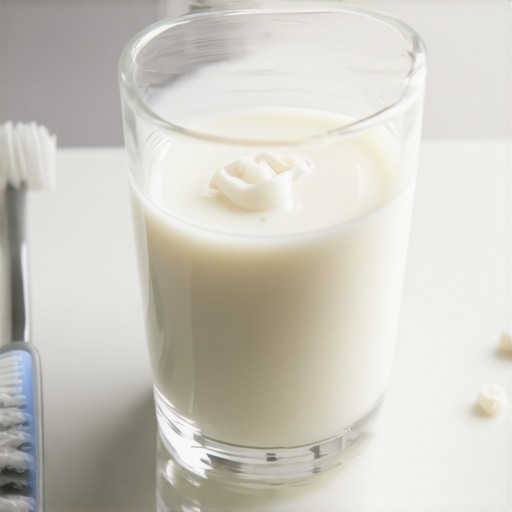
Rinse and Shield to Prevent the ‘Zing’
Once the piece is safe, you need to address the gap in your mouth. A gentle rinse with warm salt water will clear out any debris and act as a mild antiseptic. This isn’t just about cleanliness; it is about comfort. If the dentin—the layer under your enamel—is exposed, air and liquid are going to feel like an electric shock. I remember trying to take a sip of water and nearly hitting the ceiling. If the edge is jagged, you can use a piece of sugarless chewing gum or dental wax to cover the area. This prevents you from slicing your cheek while you wait for your appointment. Following top oral health tips for your family’s bright smiles often means having a small emergency kit with wax and gauze ready for these exact moments.
Think of a Crown as a Helmet for Your Tooth
If the damage is more than a tiny flake, your dentist might suggest a crown. Think of a dental crown like a custom-fitted motorcycle helmet. Just as a helmet protects a rider from impact, a crown encases the vulnerable remains of your tooth, absorbing the pressure of chewing and preventing the crack from spreading down to the nerve. This is why why crowns are a game changer in restorative dentistry; they provide a structural ‘reset’ button. If you are worried about how it will look, modern family dentistry secrets involve using porcelain and zirconia that mimic the light-reflecting properties of natural teeth perfectly. You won’t end up with a ‘pirate tooth’—you will end up with a reinforced version of your original smile.
Check Your Alignment If You Are Mid-Treatment
If you happen to chip a tooth while you are in the middle of orthodontic work, it adds a layer of complexity. For those using clear aligners, you might notice why your teeth feel loose during the middle of invisalign treatment, which is normal as teeth shift, but a chip can change how your trays fit. Don’t try to force a tray over a newly chipped tooth if it causes sharp pain. This is where invisalign innovations have made things easier, as your dentist can rescanned your mouth quickly to adjust your plan. For immediate discomfort, focus on the simple way to manage post-extraction pain or dental trauma using over-the-counter options, as long as you follow the dosage instructions. Keeping the inflammation down is key to ensuring that the repair—whether it is bonding or a new dental crown—takes hold successfully.
Many people treat a dental crown like a permanent suit of armor that requires zero maintenance. I fell into this trap myself, thinking that since the porcelain can’t decay, I could slack off on my flossing. This is the biggest ‘oops’ in modern restorative dentistry. While the crown itself is immune to cavities, the tiny margin where the crown meets your natural tooth is a magnet for plaque. A study published in the Journal of the American Dental Association (JADA) suggests that the average lifespan of a restoration is around 10 to 15 years, but this can be slashed in half if you don’t maintain the gum line properly. By choosing the right crown expert advice, you can extend that life significantly, but the daily work remains on you.
The Myth of the Indestructible Porcelain Shell
Everyone says a crown is the ultimate fix, but in my experience, a crown is only as strong as the tooth structure beneath it. If you have a habit of grinding your teeth, you might find why your porcelain crown has a tiny chip on the edge sooner than you’d like. It’s not a failure of the material; it’s a failure to account for the physics of your bite. I’ve learned the hard way that the ultimate guide to crowns always includes wearing a night guard if you’re a heavy dreamer who clenches. Have you ever fallen into this trap of thinking a dental fix was ‘one and done’? Let me know in the comments. 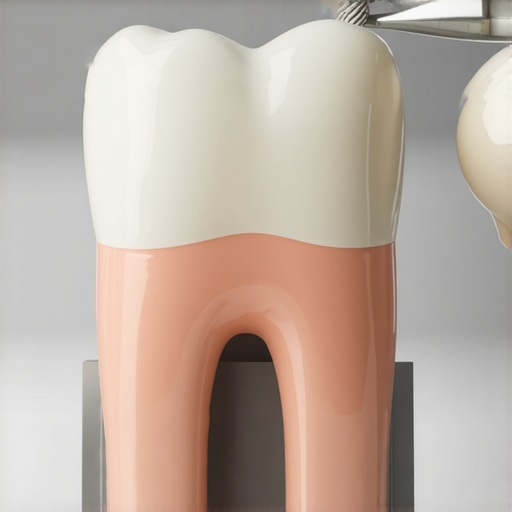
Why does my new crown feel different when I bite down late at night?
This is a sophisticated question that hints at the nuances of dental occlusion. If you notice why your new zirconia crown feels taller than your other teeth only in the evening, it’s usually not a manufacturing error. Your jaw muscles fatigue throughout the day, and minor inflammation can slightly shift your tooth’s position in the socket. Because why crowns are a game changer in restorative dentistry is their rigid structure, they do not ‘give’ like natural teeth. This lack of flexibility means any minor alignment issue is magnified when your jaw is tired.
Beyond Vanity: The Hidden Nuance of Clear Aligners
Another common misconception is that invisalign innovations are purely for a prettier smile. The real expertise lies in understanding the hidden benefits of invisalign for family dental care, particularly in how it prevents bone loss and gum recession. Crowded teeth are a breeding ground for bacteria that even the best toothbrush cannot reach. However, a major ‘trap’ is neglecting hygiene during the process; if you see why your invisalign trays are turning yellow, you are likely trapping acids against your enamel for 22 hours a day, which can lead to rapid decay. When comparing invisalign vs braces, most people focus on the look, but the real winner is the person who prioritizes the health of the supporting tissues and the long-term stability of their bite.
Once you have moved past the initial panic of a chip or the discomfort of a new restoration, the real work begins. If you’ve invested in the ultimate guide to crowns or spent months in aligners, the last thing you want is a failure three years down the road. I’ve found that the transition from ‘fixing’ to ‘maintaining’ requires a total shift in your bathroom toolkit. For me, that meant finally embracing the water flosser. I resisted for years because I hated the splashback, but learning the trick to using a water flosser without making a total mess—leaning low over the sink and keeping your mouth slightly open—changed my gum health in literally two weeks. This is vital for crown owners because it flushes out the bacteria that hide at the margin where the porcelain meets your natural tooth.
The Secret to a Mess-Free Water Flosser Experience
When you have a crown or a bridge, traditional floss can sometimes snag or feel like it’s pulling. I personally use a water flosser on a medium-high setting to navigate those tight spaces. According to the Cochrane Oral Health Group, using a water flosser in conjunction with manual brushing can reduce gingival bleeding by up to 50% more than brushing alone. This isn’t just about avoiding a lecture from your hygienist; it’s about ensuring the foundation of your dental work doesn’t crumble from the inside out. If you are struggling with keeping things fresh, I highly recommend the vinegar soak that safely sanitizes your retainers and guards. It’s a natural, cost-effective way to kill bacteria without the harsh chemicals found in some store-bought tablets that can actually degrade certain plastics over time.
How do I maintain my dental work over time?
Maintenance is a marathon, not a sprint. For those of us using aligners, you need to master how to seat stubborn invisalign trays using the munchie technique. This involves using a small, silicone device to bite down on, which ensures the tray is fully engaged with the attachments on your teeth. If the tray isn’t seated perfectly, the tooth isn’t moving as planned, and you’ll end up with ‘tracking’ issues that extend your treatment by months. I also suggest learning how to keep your invisalign trays clear without buying expensive cleaners by simply using a soft-bristled brush and clear, unscented liquid soap. It keeps the plastic from getting that tell-tale cloudy look that makes people notice you’re wearing them.
Why AI Scanning is the Future of Family Dentistry
Looking ahead, I predict we are moving toward a world where your smartphone handles half of your check-ups. We are already seeing invisalign innovations that allow patients to scan their teeth at home and send the data to their dentist via an app. This type of remote monitoring will become the standard for top oral health tips for your family’s bright smiles, catching minor shifts or crown issues before they become painful emergencies. To stay ahead of the curve, I recommend incorporating family dentistry secrets like pH-balancing mouth rinses to your routine, especially if you have a lot of restorative work. My advanced tip for you today: Try using the ‘Munchie’ technique for five minutes tonight before bed—you will likely feel your trays fit tighter and more securely immediately. If you have any doubts about your current restorations, don’t wait for the ‘zing’ of pain; it’s always better to reach out to a professional for a quick digital scan.
Lessons from the Dental Chair I Wish I Knew Before My Tooth Cracked
I’ve learned that a tooth doesn’t always scream when it’s in trouble. Sometimes, the most dangerous issues are the quiet ones. I used to think if I didn’t have a sharp pain, I was safe, but the hidden sign your old silver filling is finally failing taught me that structural integrity is often invisible until it’s too late. Also, if you wake up with a dull ache, don’t ignore the connection between grinding your teeth and those constant morning headaches; that pressure is exactly what caused my granola-induced disaster. Lastly, never assume a high spot will just wear down naturally. If it feels off, like why your new filling feels high when you bite down on the left side, get it adjusted immediately before you cause a secondary fracture.
My Daily Defense Kit
Maintaining a smile isn’t about buying every fancy product on the shelf; it’s about the specific tools that protect your investment. I swear by my water flosser now, but I also keep the vinegar soak that safely sanitizes your retainers and guards in my weekly routine to keep everything hospital-clean without breaking the bank. [image placeholder] For my aligners, I stopped guessing and started using how to seat stubborn invisalign trays using the munchie technique to ensure my progress never stalls. I also pay closer attention to how I brush, specifically checking how to tell if your gums are receding from brushing too hard, because healthy porcelain needs healthy gums to stay anchored for the long haul.
Looking Beyond the Broken Enamel
A chipped tooth feels like a crisis in the moment, but modern family dentistry has made these disasters incredibly manageable. Whether you are looking at family dentistry trends improving oral health for all ages or just getting a single crown, the technology is on your side. You are not defined by a piece of broken enamel; you are defined by how you take care of the rest of your smile. Have you ever had a minor dental oops turn into a major realization about your health? Let me know below.