
The right way to clean your tongue without triggering your gag reflex
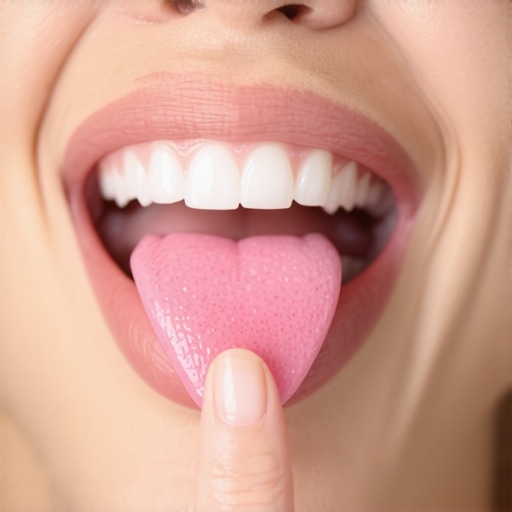
I will never forget the morning I nearly lost my breakfast just trying to get my mouth clean. I was standing over the sink, eyes watering, mid-heave, all because I thought the only way to get rid of that white coating on my tongue was to practically tickle my tonsils with a stiff toothbrush. It was miserable, it was messy, and honestly, it made me want to skip tongue cleaning altogether. But here is the thing: ignoring your tongue is like washing your car but leaving the windows covered in mud. You might have the best oral health tips in the world, but if your tongue is a breeding ground for bacteria, your breath is never going to be truly fresh. Today, I am going to show you exactly how I fixed my technique so you can scrub away that biofilm without the drama of a hyperactive gag reflex.
Stop the Retching: Why Tongue Hygiene Matters Right Now
We often focus so much on cavities and gums that we forget the tongue is the largest surface area in the mouth. It is covered in tiny bumps called papillae that act like a shag carpet for food particles and stinky sulfur-producing bacteria. If you have ever wondered why breath smells even after a thorough brushing, the tongue is usually the culprit. I used to make the massive mistake of thinking I needed to use my regular toothbrush for this, which is way too thick and triggers the ’emergency exit’ button in the back of your throat. According to the Cleveland Clinic, using a dedicated tongue scraper can be significantly more effective than a toothbrush at removing those volatile sulfur compounds that cause halitosis. By switching tools and adjusting my posture, I went from gagging every morning to having a clean, pink tongue in about ten seconds flat. Using modern techniques for your oral care routine really makes a world of difference. Have you ever had to stop mid-routine because your gag reflex was just too sensitive? It is more common than you think.
Is a tongue scraper actually worth the extra clutter?
Many people ask me if they really need another tool in their bathroom drawer. The short answer is a resounding yes. A toothbrush is designed for the hard surfaces of teeth, not the soft, squishy terrain of the tongue. When I finally swapped my bulky brush for a slim, stainless steel scraper, the difference was night and day. It sits flat, doesn’t press against the roof of your mouth, and gets the job done without making you feel like you are at a doctor’s appointment. We are going to dive into the physical mechanics of how to breathe and where to look to bypass your body’s natural defense system, turning a chore into a quick win for your confidence.To stop the retching, you have to realize that your tongue is a muscle, and muscles react to stress. When you stick your tongue out and stiffen it like a board, your throat goes on high alert. I used to do this every morning, tensing up my jaw and wondering the reason your tongue stays white even if you brush it every day. The secret is to let your tongue go completely limp. Think of it like a wet noodle or a piece of heavy fabric. When the muscle is relaxed, the scraper can glide over those tiny papillae without sending an ‘invader alert’ to your brain.
Let Your Tongue Go Limp
The first time I tried the ‘limp tongue’ method, I was skeptical. I was so used to sticking it out as far as possible and straining. But by barely sticking it out and letting it rest on my lower lip, the sensitivity vanished. This relaxation technique is one of those family dentistry secrets maintaining oral health with modern techniques at 254 pm that changes everything. If you find your tongue naturally tensing up, try wiggling it side to side for a second before you start the scrape.
Breathe Through Your Nose to Kill the Reflex
Your body is a complex machine, and it has a hard time gagging while you are actively inhaling through your nose. If you breathe through your mouth while scraping, you are practically inviting a gag response. I remember one frantic Monday morning when I was running late for a big presentation; I tried to rush the process while panting through my mouth, and it was a total disaster. Since then, I’ve learned to take slow, deep breaths through my nostrils. This bypasses the nerve signals in the back of the throat. This is especially helpful if why your mouth feels dry even when you drink plenty of water, as a dry throat is significantly more sensitive to touch.
Look Down to Open the Gateway
Most of us stand in front of the bathroom mirror and tilt our heads back to get a good look. This is the worst possible angle. Tilting your head back actually narrows the space in your throat, making it much easier for a scraper to hit the ‘trigger zone.’ Instead, tuck your chin toward your chest. It feels counterintuitive because you can’t see the back of your tongue as well, but it physically moves the soft palate away from the tongue.
One Smooth Motion Toward the Exit
Forget the back-and-forth scrubbing you use on your teeth. To get the best results, place the scraper as far back as you can comfortably go, then pull it forward in one steady, firm motion. If you hit a spot that feels ‘twitchy,’ stop and breathe. Never saw the scraper back and forth; this just irritates the surface and spreads the bacteria around. I found that by using three or four long, slow strokes, I could get a cleaner result than a minute of frantic scrubbing. This method is also a lifesaver for parents wondering why your child’s breath smells even after a thorough brushing, as children often have even more sensitive reflexes than adults. By making the movement predictable and smooth, you take the ‘scare factor’ out of the routine.While mastering the tongue scraper is a huge win, it is only the tip of the iceberg when it comes to the sophisticated care required for a lifelong smile. I have seen so many people focus solely on brushing harder when the real issues are structural. For instance, many assume that straightening teeth is purely about vanity. However, the hidden benefits of Invisalign for family dental care in 2025 suggest that properly aligned teeth are significantly easier to keep clean, reducing the risk of periodontal disease in ways a manual brush simply cannot. A study published in the Journal of Clinical Orthodontics notes that malocclusion is a primary driver of uneven enamel wear, which no amount of tongue scraping can fix. Have you ever fallen into the trap of thinking braces were just for kids or models? Let me know in the comments.
Think Invisalign is More Than Just a Pretty Face
When you align your bite, you are actually protecting your jaw joint and the integrity of your existing teeth. I have noticed a common ‘oops’ factor where patients wait until a tooth cracks before considering alignment. If you are debating crowns vs veneers which is better for your smile, remember that the foundation—your bite alignment—matters most for the longevity of those restorations. Straightening your teeth is a functional investment that prevents the ‘shag carpet’ of bacteria from hiding in crowded gaps.
Why does your new zirconia crown feel taller than your other teeth?
This is a specific nuance many patients miss after a restorative procedure. Zirconia is incredibly strong, but it does not wear down at the same rate as natural enamel. If your new zirconia crown feels taller than your other teeth, it can cause a ‘high spot’ that leads to localized tooth sensitivity or even chronic morning headaches. It is a classic mistake to ‘just wait for it to settle.’ In reality, that tiny discrepancy can throw off your entire bite mechanics. Always advocate for a micro-adjustment if something feels off. Sometimes, you might even notice why your dental crown feels like it is vibrating when you speak; this is often a sign of occlusal trauma rather than a loose restoration.
Don’t Ignore the Subtle Warning Signs in Your Restorations
Following top oral health tips means being an active participant in your care rather than a passive observer. If a crown feels tight or ‘thick’ against your tongue, it is not just in your head. These nuances are what separate a ‘good’ dental result from a ‘great’ one that lasts twenty years. Using modern techniques, we can now map these pressure points with incredible precision to ensure your bite is perfectly balanced. Have you ever felt like a dental restoration just did not sit right but felt too shy to speak up? I want to hear about your experience in the comments below.Once you have nailed the technique of tongue scraping and started your journey toward a better bite, the focus has to shift toward sustainability. I have seen too many people invest thousands into their smiles only to let things slide because they didn’t have a solid maintenance plan. For me, the game-changer was moving away from cheap plastic tools to professional-grade equipment. When it comes to tongue care, I exclusively use a medical-grade stainless steel scraper. Unlike plastic, it doesn’t harbor bacteria in microscopic scratches, and it provides a much cleaner ‘pull’ across the surface. This attention to detail is part of the American Academy of Cosmetic Dentistry (AACD) recommendation for maintaining a healthy oral environment, which emphasizes that the health of the soft tissues directly impacts the longevity of your cosmetic work.
Choose Tools That Actually Last
If you are currently in the middle of orthodontic treatment, you might notice that your trays don’t always feel like they are clicking into place. This is where a specific tool called a ‘munchie’ comes in. I tell everyone I know to learn how to seat stubborn invisalign trays using the munchie technique because it ensures the plastic is actually expressing the force the dentist intended. Without proper seating, your teeth won’t move on schedule, and you’ll end up with ‘tracking’ issues that add months to your treatment time. It is these small, daily habits—like using a silicone chewie for five minutes a day—that determine whether you get a perfect result or a mediocre one.
How do I keep my dental restorations looking new for years?
Maintenance is not just about brushing; it is about chemistry and physics. If you have crowns, you have to be careful about the cleaners you use. Many over-the-counter tablets are too abrasive for the glaze on a porcelain or zirconia crown. Personally, I am a huge fan of the vinegar soak that safely sanitizes your retainers and guards without using harsh chemicals that can degrade the material over time. This keeps everything crystal clear and smelling fresh. When you are choosing the right crown expert advice for long-lasting results, you’ll find that the best practitioners always emphasize a gentle but thorough cleaning routine.
Expect Big Changes in Home Monitoring
Looking ahead, I predict that we are about to see a massive shift in how we handle family dental care. We are moving toward ‘teledentistry’ where AI-powered smartphone apps will allow you to scan your own teeth and tongue at home. These apps will be able to detect the early signs of biofilm buildup or a shifting crown before you even feel a physical symptom. Staying ahead of these family dentistry trends improving oral health for all ages is going to make professional visits much less stressful. To ensure your restorations stay in top shape, you should also know how to keep your invisalign trays clear without buying expensive cleaners, which saves you money while protecting your investment.
Take the Next Step for Your Smile
Don’t let your hard work go to waste by skipping the ‘boring’ parts of the routine. My best advice is to treat your dental work like a luxury car—it needs regular detailing, not just a quick wash. I want you to try one thing this week: swap your plastic tongue scraper for a stainless steel version or start using a ‘munchie’ for your aligners. You will be shocked at how much more ‘settled’ your mouth feels within just forty-eight hours. If you have questions about which tools are right for your specific crown or bridge, don’t hesitate to contact us for a personalized recommendation.
The One Truth I Had to Accept About Dental Care
After years of struggling, I finally realized that the gag reflex is often a mental battle as much as a physical one. By slowing down and using family dentistry secrets maintaining oral health with modern techniques at 254 pm, I stopped fighting my body and started working with it. I learned that consistency matters far more than how hard you scrub; a gentle, daily routine beats a frantic weekly one every time. This mindset shift is what truly transformed my oral health from a chore into a source of pride.
My Daily Essentials for a Pristine Mouth
I am a firm believer in using the right tools for the job. Beyond a high-quality scraper, I always recommend learning how to seat stubborn invisalign trays using the munchie technique if you are going through orthodontic treatment—it makes a world of difference in your results. For keeping your hardware clean, the vinegar soak that safely sanitizes your retainers and guards is a game-changer that avoids harsh chemicals. These top oral health tips are the foundation of a routine that actually lasts.
Don’t Let Fear Stop Your Progress
Your journey toward a healthier smile is exactly that—a journey. Whether you are navigating family dentistry trends improving oral health for all ages or just trying to get through your morning scrape without gagging, every small step counts. Don’t be afraid to experiment with your technique until it feels right for you. If you need a bit more support or professional advice, you can always contact us to get the conversation started. Have you ever avoided tongue scraping because of a sensitive gag reflex? Let me know in the comments below!