
How to manage sensitivity after a deep root planing session
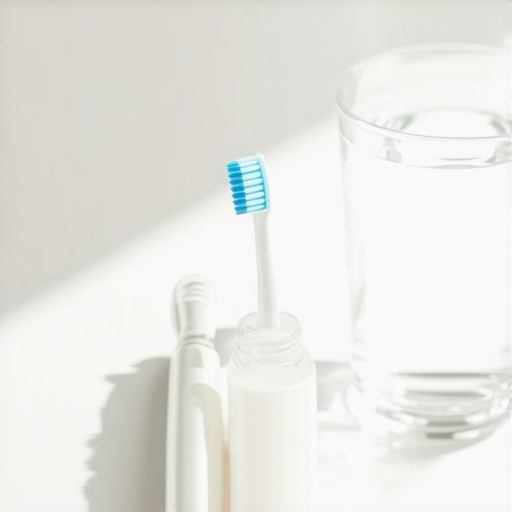
I sat there in my favorite armchair, staring at a bowl of mint chocolate chip ice cream like it was a ticking time bomb. Just four hours earlier, I had walked out of the dentist’s office feeling like a gold-star patient for finally tackling my deep root planing. My gums were cleaner than they’d been in years, but my nerves? They were screaming. I made the classic rookie mistake of thinking a “cleaning” meant I’d be ready for a three-course meal immediately. Spoiler alert: I wasn’t. If you’re currently nursing a jaw that feels like it’s hosting a tiny electric festival, I’ve been exactly where you are. We’re going to get those “zings” under control today so you can actually enjoy your lunch again. [image_placeholder]
The Real Reason Your Gums are Throwing a Tantrum
Look, deep root planing isn’t your average “buff and shine.” We are talking about getting under the gumline to clear out the gunk that’s been camping there for far too long. When that tartar is gone, your tooth roots—which aren’t covered by tough enamel—are suddenly exposed to the elements. It’s a shock to the system. I remember trying to “power through” by using my usual whitening toothpaste the next morning. Big mistake. The abrasives felt like sandpaper on an open wound. You have to treat your mouth with kid gloves for a few days. According to the American Academy of Periodontology, it is completely normal for sensitivity to linger for up to four weeks as the tissues reattach and heal. I’ve learned the hard way that jumping back into your routine too fast is the fastest way to stay miserable. You might even notice your gums feel itchy after a deep cleaning, which is actually a weird sign of healing, though it feels incredibly annoying. The goal today is to bridge that gap between “ouch” and “ahhh” using a few tricks I picked up from my own trial and error. Have you ever felt that sudden, sharp jolt when just breathing in cold air after a dental visit? Tell me I’m not the only one who’s done the “hand-over-mouth” shuffle in the frozen food aisle!
Is this “zing” actually permanent?
That’s the fear, isn’t it? You go in to save your teeth from gum disease, and you come out wondering if you’ve traded one problem for a lifetime of dodging ice cubes. I promise you, it isn’t forever. Most people find that the worst of it peaks around day three and then settles down. However, if you don’t change your approach, you’ll prolong the agony. I used to think I needed a “firm” brush to keep things clean, but that just led to gums bleeding from a firm toothbrush, which is the last thing you want when you’re already tender. Instead, try the saltwater rinse hack for immediate gum relief. It sounds old-school, but it works wonders for calming the inflammation that drives that sensitivity.
Master the Recovery Phase Without the Pain
I remember trying a “healthy” frozen berry smoothie the day after my cleaning. I thought soft food was safe. I was wrong. The cold hit my exposed roots like a lightning bolt, and I actually dropped my spoon. It took ten minutes for my jaw to stop throbbing. Now, I tell everyone to stick to room-temperature foods for at least 48 hours. Think lukewarm soups or mashed potatoes that have cooled down. It’s not just about the texture; it’s about the thermal shock. If you’ve ever wondered why your new crown feels sensitive to cold drinks, the logic is identical: the nerve is on high alert after being worked on.
Control the Temperature of Your Plate
Avoid anything that would make you wince on a normal day. This includes steaming hot coffee and ice-cold water. Your teeth are currently “porous” in a way they usually aren’t. While you’re at it, steer clear of acidic foods like oranges or tomatoes. These can eat away at the protective layer you’re trying to build back up. If you’re struggling to figure out if your pain is normal or a sign of a bigger issue, try the sip test to determine if your tooth sensitivity is nerve-related. It’s a practical way to gauge the severity of the reaction without panicking.
Deploy the Desensitizing Shield Early
The real secret to surviving the week after a deep cleaning is potassium nitrate. This isn’t just a fancy ingredient; it’s a nerve-calming agent. Start using a sensitivity-specific toothpaste and, here’s the trick, don’t just brush with it. Before you go to bed, rub a little bit of the paste directly onto the sensitive gumline with your finger and leave it there. It acts like a slow-release sedative for your teeth. This is part of the family dentistry secrets for maintaining oral health during restorative phases. By treating the area topically, you bypass the need for heavy painkillers.
Rethink Your Brushing Mechanics
You have to brush like you’re cleaning the skin of a very ripe peach. I used to be a “scrubber,” thinking more force meant more clean. All I did was end up wondering if my gums were receding from brushing too hard. After a deep cleaning, your gums are physically reattaching to the tooth. If you scrub, you’re basically tearing that new bond apart. Use a soft-bristled brush and learn the specific way to brush when you have gum recession to ensure you aren’t aggravating the roots. If you notice your gums feel spongy, don’t worry—that’s just temporary swelling. A gentle, warm saltwater rinse will help firm them up and draw out the discomfort much faster than a standard mouthwash would.
I used to believe that once the dentist scraped away the tartar, the “hard part” was over. But here’s the contrarian truth: the clinical cleaning is only about 40% of the battle. The remaining 60% depends entirely on how you manage the biological “re-sealing” of your gums in the following weeks. Most people assume that if the initial soreness fades, they are in the clear. That is a dangerous myth. In reality, your gum tissue is in a state of flux, and the way you treat it now determines if that deep cleaning actually sticks. If you don’t maintain a pristine environment, the bacteria will recolonize those deep pockets faster than they did the first time because the tissue hasn’t fully tightened back around the tooth root yet.
The Alcohol Mouthwash Trap You Need to Avoid
One of the most common mistakes I see—and one I definitely made myself—is reaching for the strongest, most “medicinal” mouthwash possible. You want to kill every single germ, right? Wrong. Using a harsh, alcohol-based rinse on healing gum tissue is like putting rubbing alcohol on a fresh sunburn. It’s unnecessarily aggressive. There is a significant truth about alcohol-based mouthwashes and chronic dry mouth that many overlook: they strip away the essential moisture and proteins needed for tissue regeneration. Instead of helping, you are actually slowing down the reattachment process and keeping your mouth in a state of irritation. Stick to the saltwater or a professional-grade, alcohol-free rinse recommended in family dentistry secrets for maintaining oral health.
Can a Deep Cleaning Actually Make Your Teeth More Vulnerable?
It sounds counterintuitive, but in the short term, yes. According to research published in the Journal of Clinical Periodontology, the removal of subgingival calculus can lead to a temporary increase in tooth sensitivity and even slight mobility as the chronic inflammation subsides and the swelling goes down. This is the “hidden nuance” most dentists don’t have time to explain. When the swelling drops, the “scaffolding” of inflammation is gone, and your teeth might feel a bit loose. This is also when you might notice why your dental crown feels like it is shifting. It’s usually not a mechanical failure of the crown, but rather a change in the architecture of the supporting gums.
Stop Treating Your Crowns Like They Are Bulletproof
If you have existing dental work, a deep cleaning can reveal issues that were previously hidden by tartar and inflammation. For instance, you might suddenly realize why your porcelain crown has a tiny chip on the edge now that the gumline has receded to its healthy position. Don’t panic; this is actually progress. It’s better to see these issues now than to let them fester. If you’re considering new work, remember that why crowns are a game changer in restorative dentistry is their ability to stabilize a tooth that has lost bone support from gum disease. Just ensure you are choosing the right crown expert advice for long-lasting results so the new margins are perfectly compatible with your healing tissue. Have you ever fallen into the trap of thinking a cleaning was a ‘one and done’ fix? Let me know in the comments!
Invest in a Water Flosser That Does Not Spray Your Mirror
Once you’ve survived the initial ‘zing’ phase of recovery, you have to look at your toolkit. I used to be a traditional floss purist until my hygienist showed me a 3D scan of what I was missing. Standard floss is great for tight contacts, but it often skips the deep concave surfaces of your roots where bacteria love to throw a party. I finally caved and bought a high-quality water flosser, and it changed everything. The trick is to use lukewarm water—never cold—and follow the trick to using a water flosser without making a total mess by keeping your lips slightly closed. This isn’t just about convenience; it’s about mechanical debridement in areas your toothbrush literally cannot reach.
For those of you balancing restorative work and orthodontics, the maintenance gets even more specific. If you’re wearing aligners, you know the frustration of a tray that won’t quite ‘click’ into place after a long day of snacking. I swear by the munchie technique to seat stubborn Invisalign trays. It ensures the plastic is actually engaging the tooth, which is the only way to avoid the dreaded ‘tracking’ issues that add months to your treatment time. It’s these small, daily habits that prevent you from needing the ultimate guide to crowns for a healthier smile later on because you let a small cavity turn into a structural disaster.
How do I keep my gums tight and pink long-term?
Maintenance is about consistency, not intensity. I’ve found that using interdental brushes—those tiny little trees that go between your teeth—is far more effective than aggressive scrubbing. A meta-analysis published in the Journal of Clinical Periodontology confirms that interdental brushes are superior to flossing for reducing plaque and gingivitis in patients who have already experienced some gum recession. I personally keep a pack in my car; it’s easier to do a quick pass while stuck in traffic than to remember it at 11 PM when I’m exhausted. This is one of those family dentistry secrets for maintaining oral health that most people ignore because it feels like ‘extra’ work, but it saves you thousands in periodontal surgery down the road.
If you’re a coffee lover like me, you also have to worry about the aesthetics of your healing smile. You don’t want to go through all this work only to have your teeth turn yellow. You can actually keep your smile white while drinking daily coffee by simply rinsing with plain water immediately after your last sip. This prevents the tannins from setting into the microscopic pores of your enamel. It’s a simple move that keeps how crowns boost oral health and confidence relevant, as it ensures your natural teeth stay as bright as your new porcelain work.
The Future of Your Bathroom Counter is Getting Smarter
I predict that within the next five years, we won’t just be ‘guessing’ if we brushed well enough. We are already seeing the rise of AI-integrated toothbrushes that map your mouth in real-time, but the real jump will be in diagnostic home-scanning. Imagine taking a photo of your gums and having an app tell you exactly where inflammation is starting before you even feel a ‘zing.’ This ties directly into Invisalign innovations and the future of family dentistry. We are moving toward a world where what a 3D CBCT scan reveals in the office can be monitored by you at home. If you want to stay ahead of the curve, I highly recommend trying the ‘disclosing tablet’ trick tonight—it’s a cheap way to see exactly where you’re failing to clean, and it’s a wake-up call for anyone who thinks their routine is perfect.
The Realities of the Healing Process Most People Ignore
I used to think that the moment I left the dentist’s chair, the hard work was done. I was wrong. The real victory happens in your bathroom, one gentle brush at a time. First, realize that sensitivity is often a sign of success. That sharpness you feel is because the “armor” of tartar is gone, and your tooth roots are finally accessible to the healing power of your own saliva. Don’t let a temporary zing scare you into stopping your routine. Second, your gums are like a fresh wound; they need a quiet environment to reattach. If you’re too aggressive now, you’re just resetting the clock on your healing. Finally, remember that family dentistry secrets for maintaining oral health often involve doing less, but doing it more consistently. Calm the inflammation first, then focus on the long-term strength of your smile.
What I Keep in My Medicine Cabinet Now
If you want to move past the pain quickly, you need the right toolkit. I don’t go a day without these three things. 1. Potassium Nitrate Toothpaste: It’s the only way to effectively “turn off” the nerve signals during the first few weeks of recovery. 2. The Saltwater Rinse: I swear by the saltwater rinse hack for immediate gum relief because it balances the pH of your mouth and kills bacteria without the burn of alcohol. 3. A High-Quality Water Flosser: Once your gums aren’t as tender, this is the gold standard for maintenance. Just make sure you know the trick to using a water flosser without making a total mess or you’ll end up soaking your bathroom mirror. These tools aren’t just for recovery; they are how you avoid needing the ultimate guide to crowns for a healthier smile later due to recurring gum disease.
Your New Baseline for a Lifetime of Dental Health
Taking care of your teeth after a deep cleaning isn’t just about avoiding a “zing” when you drink coffee; it’s about protecting the very foundation of your smile. Whether you are curious about Invisalign innovations and the future of family dentistry or just trying to keep your natural teeth for the next forty years, the work you do this week matters. You’ve already done the hardest part by showing up for the procedure. Now, give your body the time and the gentle care it needs to seal the deal. If you ever feel like something isn’t right during your recovery, don’t hesitate to contact us to verify your progress. You’ve got this!
How long did your sensitivity last after your last deep cleaning, and did any specific food trigger it? Let me know in the comments below!