
The best snacks for kids with new braces that won’t cause damage
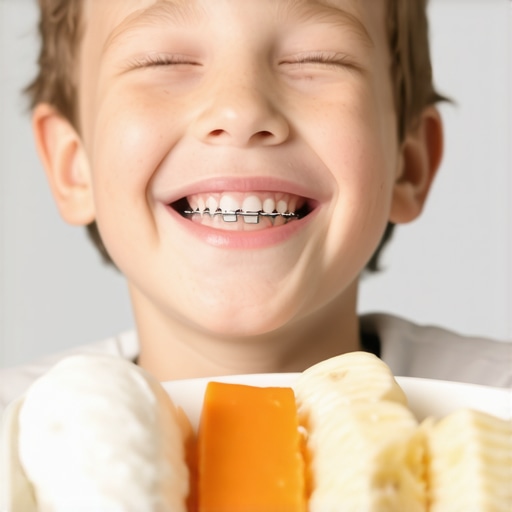
The sound of a bracket snapping is a very specific kind of heartbreak for a parent. I remember the exact moment it happened to us: twenty minutes after leaving the orthodontist’s office, parked in a driveway with a box of ‘soft’ granola bars that weren’t actually soft. My son took one bite, we heard that dreaded metallic tink, and I knew my afternoon was ruined. It’s a helpless feeling watching your kid struggle to eat while you’re simultaneously worried about the repair bill and their comfort. If you are currently staring at your pantry wondering if everything in there is now a ‘forbidden fruit,’ I have been exactly where you are. Today, I am going to show you how to navigate the snack aisle without fear, ensuring your child stays full and their braces stay intact.
Keep the Brackets Safe Without Being the Food Police
When we first started this journey, I followed the ‘no-no’ list from the doctor like it was a sacred text, but I made one massive mistake: I assumed that ‘crunchy’ was the only enemy. I didn’t realize that sticky, chewy, and even certain types of bread could be just as dangerous. I once handed my daughter a piece of sourdough toast thinking it was safe, only to find out that the crust was tough enough to bend a wire. Learning the best foods to eat when your new braces feel tight was a game-changer for our household peace, especially during those first few days after an adjustment. It isn’t just about avoiding damage; it’s about keeping their spirits up when their mouth feels like it’s in a vice.
Can a Soft Diet Actually Keep a Growing Kid Full?
I know what you’re thinking. You’re worried your kid is going to survive entirely on applesauce and mashed potatoes for the next two years. That was my biggest fear too! I was terrified my son would lose weight or constantly be ‘hangry’ because he couldn’t have his usual chips or nuts. But after some trial and error, I found that you can still provide top oral health tips for your familys bright smiles while satisfying those big appetites. According to the American Association of Orthodontists, avoiding hard, sticky, and chewy foods is the number one way to prevent emergency appointments, but that still leaves a massive world of delicious options like hummus, soft cheeses, and even thinly sliced fruits. I remember early on when we were debating invisalign vs braces which solution fits your lifestyle, and I naively thought the food part wouldn’t be that hard. The reality is a bit more hands-on, but it is totally manageable once you have a ‘go-to’ list. Have you already had a close call with a forbidden snack, or are you just starting your braces journey today? Let’s dive into the specific snacks that actually pass the safety test.
Mastering the Art of the Bite-Sized Prep
Transitioning to a braces-friendly kitchen is less about changing what you buy and more about changing how you serve it. Think of your child’s brackets like delicate glass ornaments glued to their teeth; you wouldn’t use a hammer on a Christmas bulb, and they shouldn’t use their front teeth like a pair of pliers. I learned this the hard way during a Tuesday movie night. I thought a thin-crust pizza was safe, but my son took a massive bite out of a slightly over-baked edge. The resulting ‘ping’ sounded like a cash register opening at the orthodontist’s office. Now, I use a pizza cutter to transform everything into one-inch squares. This ‘bite-sized’ rule applies to everything from sandwiches to quesadillas. By taking the ‘tearing’ action out of the equation, you eliminate the primary cause of bent wires and popped brackets. This level of care is very similar to family dentistry secrets maintaining oral health with modern techniques at 254 pm where prevention is always cheaper than the cure.
The Fork-Squish Test for New Snacks
If you are unsure if a snack is safe, put it on a plate and try to crush it with the back of a fork using moderate pressure. If the food puts up a fight, it’s a no-go. This is a non-negotiable rule in our house. We apply this to cooked vegetables, pasta, and even soft fruits. Hard, raw carrots are a nightmare, but steamed ‘coins’ that pass the squish test are perfectly fine. When you’re managing a child’s diet, you’re essentially acting as a human quality control manager. This attention to texture isn’t just for braces; it’s a core habit for anyone wondering what to eat after getting a new dental crown to avoid unnecessary sensitivity or damage to restorative work.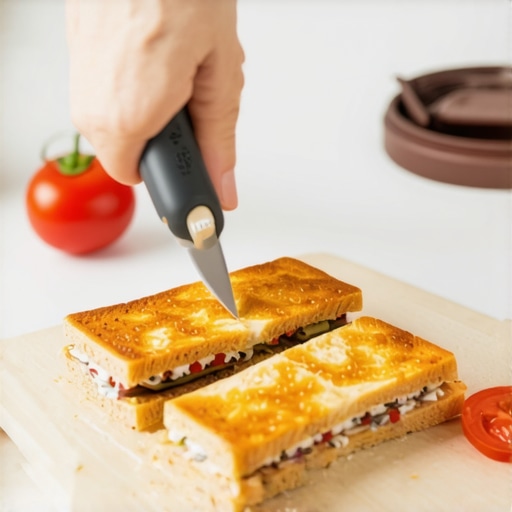
Ditch the Whole Fruit and Grab a Peeler
Apples are the most common casualties of the braces war. For years, I just stopped buying them because I was tired of the drama. Then I realized that if I peeled the skin—which is surprisingly tough—and used a mandoline or a sharp knife to create paper-thin ‘apple chips,’ my kids could still enjoy the crunch without the risk. It’s all about surface area and resistance. Thick chunks require jaw power that puts pressure on the molar bands. Thin slices melt away with minimal effort. This strategy also helps keep the grooves of the teeth clean, much like how why your child needs a dental sealant on their molars helps prevent food from getting trapped in deep pits where a brush can’t reach. If they do get something stuck, knowing the trick to using a water flosser without making a total mess will be your next best friend in the bathroom. Treat your child’s braces like a high-maintenance suspension bridge; every bracket is a critical cable, and keeping the pressure low ensures the whole structure stays standing until the final reveal.But here is the deep-dive truth that most dental blogs gloss over: focusing only on the physical ‘crunch’ is where most parents—myself included—get it wrong. We are so busy worrying about a snapped wire that we ignore the invisible enemies of restorative work. For instance, many people believe that as long as a food is soft, it is harmless. In reality, soft, starchy breads and high-sugar ‘health’ smoothies can be more damaging than a rogue pretzel. They sit in the crevices of brackets and under the edges of new dental work, fermenting into acid that erodes enamel. This is especially true when discussing the ultimate guide to crowns for a healthier smile; dental success isn’t just about the high-tech porcelain, it is about the health of the seal at the gumline.
Stop Assuming Every Soft Snack is Safe
A common contrarian view I’ve developed after years of dental parenting is that the ‘no-crunch’ rule is actually too simple. The real danger is often ‘stickiness plus acidity.’ I once thought gummy vitamins were a safe way to get nutrients into my kids during the braces years. Huge mistake. They act like glue for bacteria, holding sugar against the tooth in ways a toothbrush can’t easily reach. If you are managing your family’s oral health, you have to look past the texture.
Why Does My New Crown Feel Taller Than My Other Teeth?
One of the most common ‘advanced’ questions I hear involves the specific feeling of new dental work. If you’ve ever felt like your bite is ‘off’ after a procedure, you might be experiencing why your new zirconia crown feels taller than your other teeth. Many patients assume it will ‘wear down’ over time or that they just need to get used to it. The ‘oops’ factor here is waiting too long to tell your dentist. A crown that is even a fraction of a millimeter too high can cause significant jaw pain or even a fracture of the ceramic. According to research from the International Journal of Computerized Dentistry, precision in occlusal adjustment is vital because even minor discrepancies can lead to ‘hyperocclusion,’ which stresses the ligament around the tooth and causes chronic inflammation. If it feels high, call the office immediately—don’t try to ‘tough it out’ for a week.
Don’t Fall for the ‘Set It and Forget It’ Invisalign Myth
When families move away from traditional brackets, they often dive into the world of clear aligners. While there are the hidden benefits of Invisalign for family dental care in 2025 at 903 am, many parents fall into the trap of thinking it is a low-maintenance choice. In my experience, it is actually the opposite. With braces, the hardware is ‘always on.’ With Invisalign, the burden of success is 100% on the teenager’s discipline. If they leave them out for an extra hour because they were snacking or hanging out with friends, the teeth start to shift back almost instantly. This is one of those invisalign myths debunked what you need to know today that needs more attention before you sign the contract. It is not just ‘invisible braces’; it is a commitment to a 22-hour-a-day lifestyle. Have you ever fallen into this trap of thinking a dental solution would be ‘low effort’ only to find out it required more work than the original problem? Let me know in the comments.Once the initial excitement of a new crown or a set of clear aligners wears off, the real work of maintenance begins. If you want these investments to last a decade rather than a few years, you need a specific toolkit. I used to think a standard toothbrush and some generic floss were enough, but that is the fastest way to end up back in the chair for a replacement. For my kids’ braces and my own restorative work, I’ve switched entirely to a high-powered water flosser. But here is the secret: most people use them wrong. You shouldn’t just blast the front of your teeth. You need to aim at a 90-degree angle to the gumline and pause at every bracket or crown margin. Learning the trick to using a water flosser without making a total mess will save your bathroom mirror and ensure you’re actually removing the biofilm that causes secondary cavities.
How do I keep my dental work from failing in five years?
The longevity of your dental work depends on how you handle the ‘interfaces’—the places where the porcelain or plastic meets your natural tooth. If you have a crown, you must master how to floss around a temporary crown without pulling it off, a skill that translates perfectly to permanent crowns too. Instead of pulling the floss back up through the contact point, you should always pull it out through the side. This prevents the upward tension that can weaken the dental cement over time. For those with Invisalign, the biggest failure point is a ‘poor seat,’ where the tray isn’t fully engaged with the tooth. I swear by ‘munchies’—small silicone devices you bite down on to close the gap between the tray and your teeth. I’ve found that knowing how to seat stubborn invisalign trays using the munchie technique can shave weeks off a treatment plan by ensuring every movement is tracked perfectly. 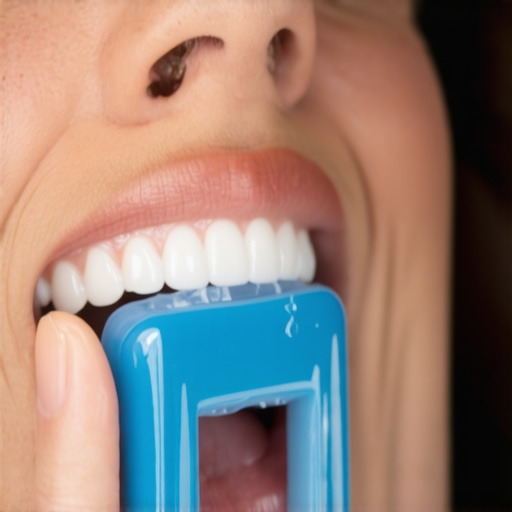
The Next Wave of Home Dental Tech
I predict that within the next three years, we will see a massive shift toward AI-integrated home monitoring. We are already seeing the beginnings of this with apps that scan your teeth via smartphone to tell you if your Invisalign is tracking or if your gums are inflamed. This is a core part of invisalign innovations the future of family dentistry revealed at 1137 am. This tech isn’t just a gimmick; it’s about catch-and-repair. According to the Journal of Clinical Periodontology, early detection of ‘marginal leakage’—the microscopic gaps that form at the edge of a crown—can prevent a full root canal if caught within the first few months.
Stop Using Harsh Chemicals on Your Hardware
Finally, please stop soaking your retainers or night guards in mouthwash or boiling water. The alcohol in mouthwash can degrade the medical-grade plastic, making it brittle and prone to cracking. Instead, I use a simple the vinegar soak that safely sanitizes your retainers and guards to break down calcium deposits without damaging the material. It’s cheap, effective, and keeps everything clear. If you’re serious about protecting your family’s smiles, I challenge you to try the ‘side-pull’ flossing method tonight. It’s a tiny adjustment that could save you thousands in restorative costs down the road. Keep an eye on how your dental work feels every single day, because you are the first line of defense in family dentistry trends improving oral health for all ages.
What Usually Stays Hidden Behind the Orthodontist’s Chair
After years of managing brackets and wires, the biggest shift in my perspective wasn’t about the food—it was about the mindset. You have to realize that dental work isn’t a set-and-forget project. One lightbulb moment for me was realizing that nighttime oral care is twice as important as morning care because your saliva production—the mouth’s natural cleaner—plummets while you sleep. If you don’t clear the debris from your brackets or understand why your new crown feels sensitive to cold drinks before bed, you’re giving bacteria an eight-hour head start. Another hard-earned lesson is that tightness doesn’t always mean progress; sometimes it means inflammation. Paying attention to these subtle signals is what separates a successful treatment from one that requires constant repairs.
#IMAGE_PLACEHOLDER_E#
The Daily Arsenal for a Stress-Free Smile
I’ve tested dozens of products, and three have earned a permanent spot on my bathroom counter. First is a high-powered water flosser, which is non-negotiable for anyone with hardware. Second is a mandoline slicer for the kitchen; it sounds odd, but being able to turn forbidden hard fruits into paper-thin ribbons changed my kids’ lives. Finally, I always keep a dedicated journal or app to track any changes. If you start wondering why your dental crown feels like its shifting, having a record of when that feeling started can help your dentist diagnose the issue in minutes instead of weeks. These simple tools move the needle from reactive emergency visits to proactive maintenance.
The Final Stretch Toward Your Perfect Smile
The journey through complex dental work can feel like a marathon with no finish line, but the discipline you build now creates habits that last a lifetime. By staying vigilant and following these family dentistry trends improving oral health for all ages, you aren’t just protecting a piece of porcelain or a metal wire—you are investing in your confidence. Don’t be afraid to ask the small questions during your next checkup; those tiny adjustments often lead to the biggest breakthroughs in comfort. Which snack have you missed the most since getting your dental work? Let me know in the comments below!