
How to stop a sharp tooth from cutting your tongue
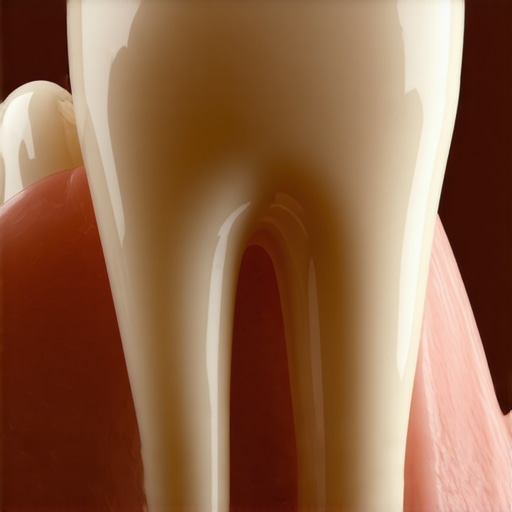
I was sitting at a fancy anniversary dinner, halfway through a slice of particularly crusty sourdough, when my world shifted. One tiny, audible crunch that wasn’t the bread signaled a disaster. My tongue immediately darted to the back of my mouth, only to meet a jagged, razor-sharp cliff where my smooth molar used to be. For the next hour, every word I spoke and every swallow I took felt like I was dragging my tongue across a piece of broken glass. It is visceral, isn’t it? That constant, nagging scrape that makes you want to reach for the nearest pair of pliers just to make it stop. I have been there, and in my early days of dental obsession, I even made the cardinal mistake of trying to ‘buff’ a sharp edge with a coarse metal nail file—a move that left me with weeks of zingy sensitivity and a very stern lecture from my dentist. We are not doing that today. Instead, I am going to show you exactly how to safely buffer that edge and protect your poor tongue until you can get into a professional chair.
Protect Your Tongue Before the Soreness Takes Over
It is incredibly easy to think you can just tough it out for a few days, but your tongue is a sensitive muscle that does not take kindly to being sliced every time you move your mouth. If you do not act fast, that tiny scratch can turn into a painful, persistent ulcer that makes even drinking water a chore. According to the American Dental Association, even minor chips can lead to significant irritation of the soft tissues and potential infection if the jagged edge keeps reopening the wound. I learned the hard way that a little bit of immediate prevention, like using a salt water rinse trick for a sore mouth, goes a long way in keeping inflammation down while you figure out a permanent fix. Whether you eventually need a simple smoothing session or one of those modern crowns to restore the tooth, getting the immediate pain under control is our first priority. Have you ever spent an entire day completely obsessed with a sharp tooth, unable to think about anything else because of the constant stinging?
Will This Actually Stay Fixed Until My Appointment?
You might be feeling a bit skeptical about home remedies, wondering if a glob of dental wax or a piece of sugarless gum will actually stay put while you eat or talk. It is a completely fair fear! When I first tried a temporary fix, I was terrified I would swallow it in my sleep or look ridiculous in front of my coworkers. But there is a specific, reliable way to stop a chipped tooth from cutting your tongue that actually holds up through a conversation and a light snack. The goal here is not a permanent DIY repair—it is purely about survival and comfort. Especially if you have to handle a chipped front tooth where aesthetics matter as much as the sharp edge, you need a plan that works without making it look like you have a marshmallow stuck to your smile. Let’s look at the toolkit you already have in your bathroom cabinet.
Softening the Blow Without Doing More Damage
First, you need to assess the damage without poking it with your finger—oils from your skin and bacteria can irritate the sensitive inner layers if the chip is deep. Grab a small mirror and a high-powered flashlight to see the angle of the break. If the chip is tiny and just feels like a razor, you can very carefully use a fine-grit emery board. I know, I warned you about the metal file earlier, but the secret lies in the material and the precise technique. You must use a light, sweeping motion in one single direction. When I tried to fix my molar after that sourdough incident, I initially went back and forth like I was sawing a log, which caused micro-fractures that made the tooth sensitive to cold for weeks. Instead, think of it like lightly sanding a tiny splinter on a mahogany desk; you aren’t trying to reshape the tooth, just removing the ‘hook’ that snags your tongue. If the chip is on a front tooth, be even more conservative—you do not want to accidentally change the length of your smile.
How to Make Dental Wax Actually Stay Put
If the chip is too large to smooth, you need a physical barrier. Dental wax or even a piece of sugarless gum can work, but most people fail because they apply it to a wet surface. I remember trying to handle a chipped front tooth before my appointment once, and the wax fell out right into my soup. To prevent this, dry the tooth thoroughly with a clean cotton swab or the corner of a paper towel. Once the surface is bone-dry, roll a pea-sized amount of wax between your fingers to warm it up, then press it firmly over the sharp edge. The wax needs to wrap slightly around the front and back of the tooth to anchor itself in place. #IMAGE_PLACE_HOLDER_B#
Keep the Tissues Calm While You Wait
While you are focusing on the tooth, don’t forget the soft tissue it has already damaged. Even a few hours of scraping can lead to a nasty ulcer that feels like a burn. Use the salt water rinse trick for a sore mouth to keep the area clean and reduce swelling. This isn’t just an old wives’ tale; the salt draws out excess fluid from the inflamed gums and tongue, making the environment less hospitable for bacteria. If you notice that the tooth is sensitive to temperature, it might mean the dentin is exposed. In these cases, avoid ice-cold water and acidic sodas, as they can trigger a painful zing. You might eventually need to look into the ultimate guide to crowns for a healthier smile if the structure is compromised, but for now, your job is to keep the inflammation down.
Modify Your Diet to Prevent a Total Break
Until you can get into the office for a permanent fix, you have to treat that tooth like it is made of thin glass. Avoid anything crusty, sticky, or crunchy. I once made the mistake of thinking a soft-ish bagel would be fine, only to have the remaining piece of my tooth snap off entirely because the dough was too chewy. Stick to soft foods like yogurt, mashed potatoes, or smoothies. If you have a porcelain crown with a tiny chip on the edge, the same rules apply—it is already structurally weakened, and one wrong bite on a popcorn kernel could turn a simple repair into a full replacement. Keep your jaw relaxed and try to chew exclusively on the opposite side of your mouth. This isn’t just about protecting the tooth; it is about giving your tongue a much-needed break from the hazard zone.Let’s dig deeper into what happens after you’ve smoothed that sharp edge and finally made it to the dentist. Most people assume that once a crown is cemented in place, that tooth is officially ‘off the hook’ for the rest of their lives. It is a common misconception that a restoration acts like a medieval suit of armor, making the underlying tooth invincible. In reality, choosing the right crown expert is only half the battle. The most critical point of failure isn’t the porcelain itself, but the ‘margin’—that tiny, microscopic line where the crown meets your natural tooth structure. If you are not meticulous with your hygiene, bacteria can sneak under that edge, leading to decay that is incredibly difficult to detect until it is a major problem. According to a study in the Journal of Prosthetic Dentistry, marginal integrity is the primary factor in restoration longevity, yet it is the one thing patients ignore most. #IMAGE_PLACE_HOLDER_C#
Is Your Crown Actually Too Tall or Just Settling In?
One of the biggest ‘oops’ factors I see involves the bite. You might leave the office feeling okay, but a few hours later, it feels like that tooth is hitting first. You might think, ‘I will just get used to it,’ but knowing what to do when your crown feels taller than your other teeth is actually quite urgent. A ‘high’ crown can cause traumatic occlusion, leading to inflammation of the ligament and making you wonder why your new crown feels sensitive to cold drinks. Do not wait for it to ‘settle’—if the bite is off, the tooth will keep throbbing. Another trap is the whitening craze. I have seen so many people ruin their aesthetic results because they did not realize the danger of using whitening strips on a tooth with a filling or a crown. Porcelain and resin do not bleach. If you whiten your natural teeth, your crown will stay the same color, leaving you with a mismatched smile that looks like a checkerboard. This level of nuance is exactly why understanding Invisalign myths debunked or restorative advice should always come from a place of long-term strategy, not just a quick aesthetic fix. Have you ever fallen into this trap of thinking a crown was indestructible? Let me know in the comments.To keep my own mouth from turning into a construction zone again, I’ve had to upgrade my bathroom arsenal beyond the basic plastic toothbrush. One tool I swear by is the water flosser, but let’s be honest—most people use it wrong and end up soaking their bathroom mirror. I learned the trick to using a water flosser without making a total mess is all about the lean-and-close technique. You can’t stand upright like you’re power-washing a sidewalk; you have to keep your lips slightly closed to contain the splash while keeping the nozzle close to the gumline. This is vital for anyone with a mix of restorations like crowns vs veneers because the high-pressure water gets into those tiny marginal gaps that traditional floss often skips over. If you aren’t flushing those margins, you’re just waiting for a cavity to start under the porcelain.
How do I keep my dental work from failing prematurely?
The secret isn’t just brushing harder; it’s about getting into the nooks that weren’t there before you had dental work. If you have more complex work, like a bridge, you can’t just skip the hard parts. I used to hate those little plastic threaders until I figured out the specific way to floss under a fixed dental bridge using a pre-threaded sponge floss. It’s thicker and actually grabs the plaque rather than just sliding past it. For those of us in the Invisalign crowd, the struggle is usually how to clean a retainer that has sat out for too long. I personally use ultrasonic cleaners. These little pods use high-frequency sound waves to blast away the ‘calcified’ film that manual scrubbing misses. I also recommend keeping a dedicated travel kit for your aligners. There is nothing worse than being at a restaurant and realizing you have nowhere to put your trays but a napkin—which is the number one way aligners end up in the industrial trash. Proactive habits are the difference between a restoration that lasts five years and one that lasts twenty. #IMAGE_PLACE_HOLDER_D#
Digital Blueprints and the Death of Putty Molds
The future of family dentistry trends is moving toward near-constant digital monitoring and absolute precision. We’re already seeing Invisalign innovations that sync with your phone to tell you if you’re wearing your trays enough. According to a 2023 technical study in the International Journal of Computerized Dentistry, digital intraoral scans have a mean marginal gap significantly lower than traditional impressions, often coming in under 50 micrometers. This is why finding the best dentistry usually starts with a 3D CBCT scan or a digital intraoral scan. When your crowns boost oral health and confidence, it’s because they fit so perfectly that your gums don’t even realize they aren’t natural teeth. I predict that within five years, the ‘gag-inducing’ putty impression will be entirely obsolete, replaced by AI-driven scanners that can detect a microscopic chip before your tongue even feels it. Try switching to the ‘closed-lip’ water flosser technique tonight—it keeps your shirt dry and your crown margins spotless.
Dealing with a jagged edge is more than just a nuisance; it’s a race against time before your tongue becomes a casualty of war. While we’ve covered the immediate triage, the real victory lies in how you handle the aftermath. I’ve spent years navigating the world of dental restorations, and the most important thing I can tell you is that a temporary fix is a bridge, not a destination.
The Bitter Truth About Relying on Temporary Patches
Reflecting on my own dental mishaps, I’ve realized that the ‘wait and see’ approach is the most expensive mistake you can make. Here are the lightbulb moments that changed how I view dental emergencies:
- Chips are structural warnings: A tiny chip isn’t just a cosmetic flaw; it often indicates that the enamel is under stress or that an underlying filling is failing. Don’t wait for the tooth to split in half before you call the pro.
- The ‘Settling In’ Myth: If you get a restoration and it feels even a fraction of a millimeter too high, don’t wait for it to ‘wear down.’ That pressure can bruise the ligament and cause deep-seated pain.
- Hygiene is more critical after the fix: Once you have a crown or a filling, you aren’t invincible. The ‘margin’ where the material meets your tooth is the new front line for decay.
Gear That Keeps My Smile Out of the Danger Zone
I don’t just use any tools; I use the ones that have saved me from repeated visits to the chair. First and foremost, I swear by the trick to using a water flosser without making a total mess because keeping the margins of my crowns clean is my top priority. For those with more complex dental work, I highly recommend looking into the specific way to floss under a fixed dental bridge to prevent hidden plaque buildup. I also rely on the American Dental Association’s consumer portal, MouthHealthy, for quick sanity checks on symptoms before I head to the office. Finally, choosing the right crown expert is the ultimate ‘tool’—a skilled dentist using 3D scanning technology makes all the difference in how long your repair actually lasts.
#IMAGE_PLACE_HOLDER_E#
Your Smile Deserves More Than Just Survival
You don’t have to live with the constant anxiety of a sharp tooth or a failing restoration. By combining immediate safety measures like the salt water rinse trick for a sore mouth with a long-term strategy, you can keep your oral health in peak condition. Whether you are exploring family dentistry trends or just looking for top oral health tips to prevent the next chip, remember that being proactive is the secret to a confident smile. Have you ever tried a home fix for a sharp tooth that actually worked, or did it end in a disaster? Let me know in the comments below!