
The best way to store a knocked-out tooth until you reach the ER
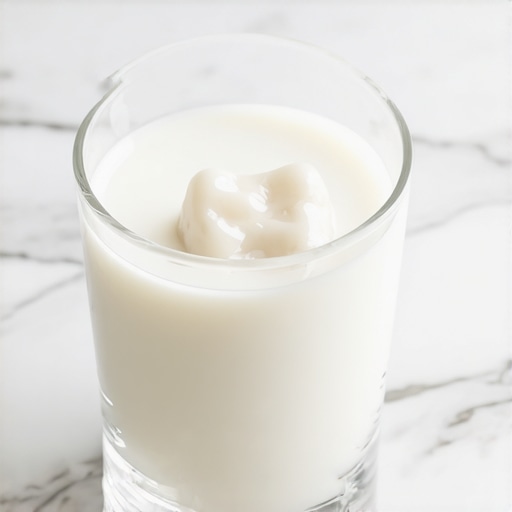
I remember the metallic taste of blood and the absolute shock of seeing my front tooth sitting on the kitchen tile after a freak slip. In my panic, I did the one thing you are never supposed to do: I grabbed it by the root and ran it under hot tap water to ‘sanitize’ it. I thought I was being helpful, but I was actually killing the very fibers needed to reattach it. It is a terrifying moment that leaves you feeling helpless, but knowing exactly how to handle it can be the difference between keeping your natural smile and facing a lifetime of dental work. Today, I am sharing the definitive, neighbor-to-neighbor guide on how to store a knocked-out tooth properly so you can reach the ER with the best possible odds.
Don’t Scrub the Life Out of Your Tooth
When a tooth leaves its socket, it is a living organ in crisis. My biggest mistake was trying to clean the ‘dirt’ off. You have to resist that urge. Pick it up by the crown—the part you normally see when you smile—and never, ever touch the root. If it is dirty, a quick, gentle rinse in milk or your own saliva is all it needs. This is not just about top oral health tips for your family’s bright smiles; it is about emergency biological preservation. According to the American Association of Endodontists, the ‘golden hour’ for reimplantation is incredibly tight, usually requiring professional help within 30 to 60 minutes for the best outcome.
Can a dentist really stick this thing back in?
You might be skeptical, thinking once it is out, it is out. But modern family dentistry secrets are pretty amazing. If the periodontal ligaments on the root are kept alive, your dentist can often splint the tooth back into place, and it will actually fuse back to the bone. It is not science fiction; it is just biology. However, if you are dealing with a little one, the rules change, so make sure you know how to handle a knocked-out baby tooth without panicking because those should not usually go back in. Have you ever had a dental emergency strike at the worst possible moment?
Choose Your Liquid Storage Wisely
If you cannot gently pop the tooth back into the socket (which is actually the best place for it), you need a medium that mimics the body’s chemistry. Plain water is actually a bit of a villain here; it causes the cells on the root to swell and burst. Your best bet is a dedicated tooth preservation kit, but since most people do not keep those in their junk drawer, cold whole milk is the gold standard neighborly advice. It has the right pH and proteins to keep those cells happy while you are racing to the emergency room. [image placeholder]
Keep the Root Alive on Your Way to the Clinic
Think of the root of your tooth like a delicate plant that has just been ripped from its soil. The ‘soil’ in this case is your jawbone, and the ‘roots’ are thousands of microscopic periodontal ligaments. These ligaments are the biological glue that allows a dentist to successfully reimplant the tooth. If these fibers dry out or are crushed, the tooth dies, and your body will reject it like a splinter. This is why you must handle the tooth only by the crown—the chewing surface. I remember helping a friend at a local park after he caught a rogue basketball to the jaw. Everyone was franticly searching for a tissue to wrap the tooth in, but that is the worst thing you can do. A dry tissue acts like a sponge, sucking the vital moisture out of those delicate ligaments. Instead, we used a clean plastic cup and a bit of his own saliva to keep it moist. It felt a bit primitive, but it kept the biological clock from ticking down quite so fast. Knowing how to manage a chipped front tooth until your appointment or handling a full avulsion is one of those essential life skills that stays with you.
The Spit Method if You Are Stuck
If you are in a situation where milk is not available and you cannot put the tooth back in the socket, your own mouth is actually a fairly safe harbor. Saliva contains the right enzymes to keep those root cells in a state of suspended animation. You can tuck the tooth into your cheek (if you are an adult and there is no risk of swallowing it), but for children, spitting into a small container is much safer. This is not just about aesthetics; it is a core part of family dentistry trends improving oral health for all ages. Keeping the tooth in a natural, pH-balanced environment prevents the cells from expanding and bursting, which is exactly what happens if you drop the tooth into a cup of tap water. 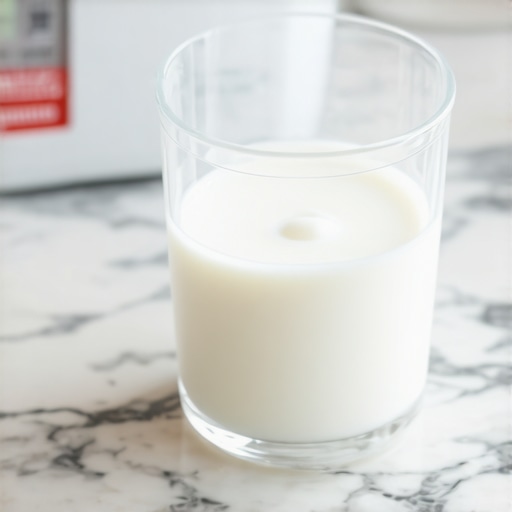
Why Cold Milk Beats Every Other Kitchen Staple
Cold whole milk is widely considered the best DIY preservation medium because its chemical makeup—specifically its proteins and fats—closely mimics the environment of the human mouth. It provides the cells on the root with the nutrients they need to stay alive for a short window. If you find yourself in this crisis, do not use skim or almond milk; the fat content in whole milk acts as a protective buffer. While you are on your way to the dentist, keep the container on ice if possible, but do not let the tooth touch the ice directly, as freezing the cells can be just as damaging as drying them out. If the tooth cannot be saved despite your best efforts, your dentist might suggest the ultimate guide to crowns for a healthier smile to restore the gap, but the goal is always to keep the original. Understanding these top oral health tips for your family’s bright smiles before the emergency happens makes you the calmest person in the room when the pressure is on. Every second counts, and having a plan for storage means you are fighting for your natural tooth’s survival rather than just reacting to the pain.
Reimplantation is the Ultimate Goal
If the tooth is relatively clean, the best storage container is actually the original socket. If you can gently slide it back into place, do so and bite down on a piece of gauze to hold it steady. This immediate re-connection keeps the blood supply near the root and vastly increases the success rate. However, if the root looks ragged or you feel any resistance, do not force it. Pushing too hard can damage the bone, leading to issues like why your new crown feels sensitive to cold drinks later on if restorative work becomes necessary. Whether it is a full avulsion or you are just figuring out how to handle a sudden chip in your front tooth at a wedding, the logic remains the same: keep the tooth moist, keep it clean, and keep your hands off the root.
Stop Treating Your New Crown Like an Indestructible Shield
Most people assume that once a tooth is capped, it is essentially bulletproof. This is a dangerous trap. While why crowns are a game-changer in restorative dentistry is well-documented, a crown is only as strong as the margin—the tiny seam where the porcelain meets your natural gum line. I have seen patients neglect their hygiene because they think the ‘fake’ tooth can’t decay. However, bacteria love that microscopic ledge. If you aren’t flossing specifically at the base, you are risking recurrent decay that can hollow out the tooth underneath without you even feeling it. This is why the reason your crown feels tight after flossing is often a sign of localized inflammation rather than a bad fit.
The Dangerous Trap of ‘Invisible’ Orthodontics
We often hear that clear aligners are just for minor aesthetic tweaks. That is a massive misconception. Modern Invisalign innovations: the future of family dentistry revealed at 11:37 AM show that these systems can handle complex bite issues, but there is a nuance most people miss: biological compliance. Unlike braces, which are ‘always on,’ aligners rely on the constant, gentle pressure of 22-hour-a-day wear. If you cheat by even a few hours, the tooth doesn’t just stop moving; it can actually begin to ‘rebound,’ causing root resorption or ligament stress. According to a study published in the Journal of Clinical Orthodontics, patient non-compliance is the leading cause of treatment ‘tracking’ errors, not the technology itself. If you are considering this path, you need to look past Invisalign myths debunked: what you need to know today and realize it is a serious medical commitment, not just a clear tray. 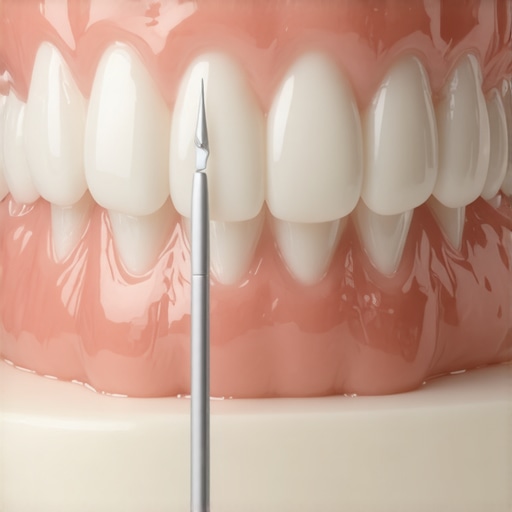
Why does your crown feel tall when you wake up?
This is a sophisticated question that often points to something called bruxism, or nighttime grinding. If you find the specific reason your crown feels tall when you wake up is due to clenching, it is because the periodontal ligaments around that specific tooth are inflamed from the overnight pressure. Because a crown is often harder than natural enamel, it takes the brunt of the force, acting like a lightning rod for your jaw’s power. It is a subtle sign that your family dentistry secrets: maintaining oral health with modern techniques at 2:54 PM should probably include a custom night guard. Have you ever fallen into this trap where you thought a dental fix was ‘set and forget,’ only to have it act up later? Let me know in the comments. Digging into the hidden benefits of Invisalign for family dental care in 2025 at 9:03 AM or understanding how to floss around a temporary crown without pulling it off are the nuances that separate a long-lasting restoration from a temporary fix. Professional care is about more than just the initial appointment; it is about the long-term biological integration of these materials into your life.
Stop Guessing Your Cleaning Routine
Moving from emergency mode into a sustainable lifestyle means moving past the basics. If you are serious about keeping that dental work intact, you need to master the equipment. I personally swear by a water flosser, but not just the standard ‘point and shoot’ method. The real secret is using lukewarm water mixed with a pinch of sea salt. This reduces inflammation around the base of your restorations and helps prevent that annoying feeling of the reason your crown feels tight after flossing. It is about precision irrigation. Learning the trick to using a water flosser without making a total mess will change your morning routine from a splash zone to a professional-grade debridement.
Why Your Smart Brush Might Be Smarter Than You Think
We often think we are brushing well when we are actually scrubbing away our future. Modern family dentistry secrets revolve around pressure-sensitive technology. I transitioned to a sonic brush with a built-in pressure sensor because it physically stops the motor if I press too hard. This is the only way to truly combat why your gums are receding despite brushing twice a day. Dr. Gordon Christensen, a world-renowned expert in restorative dentistry, has often noted in his Clinical Research Associates (CRA) newsletters that the longevity of any restoration—whether it’s a crown or a bridge—is directly tied to the health of the marginal gingiva. If you aren’t using the safest way to use an electric toothbrush on sensitive teeth, you are likely shortening the lifespan of your expensive dental work without realizing it. 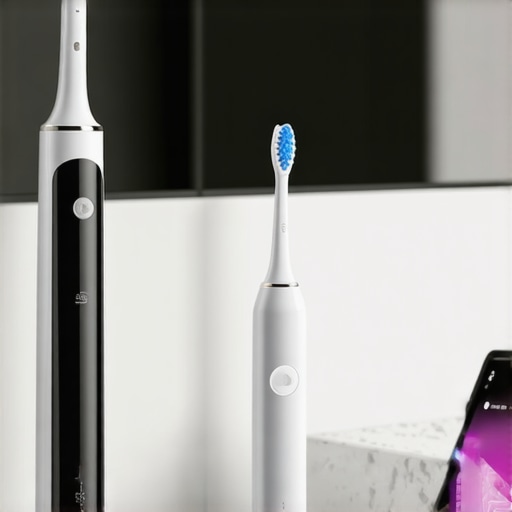
How do I keep my dental work looking brand new for a decade?
Consistency is the obvious answer, but the ‘how’ is what matters. For those of us with aligners or retainers, you have to look beyond the soap and water. I use ultrasonic cleaners. These small jewelry-style baths use high-frequency sound waves to blast away calcified plaque that a toothbrush simply cannot reach. This is a core part of the hidden benefits of Invisalign for family dental care in 2025 at 9:03 AM—it teaches you a level of hygiene that pays dividends for the rest of your life. If you are traveling, always pack a dedicated kit, as the best way to travel with aligner cleaners in your carry-on is usually in pre-measured tablets rather than bulky bottles.
The 3D Revolution is Already Here
Looking forward, I predict that ‘reactive’ dentistry—fixing things only when they break—will be entirely replaced by digital tracking. We are already seeing this with Invisalign innovations where 3D software tracks tooth movement to the millimeter. In the near future, your annual check-up won’t just be an exam; it will be a digital overlay of your current mouth against last year’s 3D scan to detect microscopic wear. This is already why why finding the best dentistry in Culpeper VA usually starts with a 3D CBCT scan. To truly take control of your oral health today, I challenge you to try the salt-water irrigation trick in your flosser for one week; your gums will look and feel like they’ve had a professional spa treatment.
The expensive truth about ‘Wait and See’ dentistry
Looking back on that frantic afternoon in my kitchen, I realized that the biggest barrier to saving my tooth wasn’t the injury itself—it was my own assumptions. First, never assume a dry tooth is a safe tooth. Wrapping a tooth in a dry tissue is essentially signing its death warrant because those periodontal fibers need moisture to stay viable. Second, I learned that the root is a strictly ‘no-touch’ zone; even the oils from your fingertips can damage the delicate cellular structures. Finally, I discovered that even if why crowns are a game-changer in restorative dentistry, they are not invincible shields. You have to treat your dental restorations with more respect than your natural teeth if you want them to last a lifetime.
#IMAGE_PLACEHOLDER_E#
My Go-To Survival Kit for a Lifetime of Smiles
If you want to be prepared for the unexpected, I highly recommend keeping a few things in your mental and physical toolkit. I always keep a small carton of shelf-stable whole milk in the pantry; it is the ultimate preservation medium for a knocked-out tooth because it mimics the body’s natural fluids. For daily maintenance, I trust an ultrasonic cleaner to keep my aligners pristine—this is one of those the hidden benefits of Invisalign for family dental care in 2025 at 9:03 AM that people rarely discuss but makes a huge difference in hygiene. Lastly, if you ever experience post-procedure discomfort or a minor injury, the salt water rinse trick for a sore mouth is a natural, effective way to speed up healing without harsh chemicals.
Your Natural Smile is Worth the Fight
Dental emergencies are terrifying because they happen in the blink of an eye, but your reaction determines the next decade of your oral health. Whether you are dealing with a full avulsion or you are choosing the right crown expert advice for long-lasting results, the goal is always the same: preservation and precision. Modern technology like how Invisalign transforms family dentistry in 2025 gives us more tools than ever to maintain a healthy bite, but nothing beats the biological perfection of your original teeth. Take care of them, keep the root alive, and never hesitate to call your dentist the moment something feels off. Have you ever had a tooth-related close call that changed the way you think about your oral health? Let me know in the comments below!