
How to prevent bad breath when you are wearing a retainer

I’ll never forget the morning I leaned over to wake my spouse and saw them subtly—but definitely—recoil from my breath. It wasn’t just your run-of-the-mill morning breath; it was something sharper, more clinical, and honestly, a bit like a damp gym bag. That was the moment I realized my faithful retainer, the one I wore religiously to protect my post-Invisalign smile, had become a tiny plastic petri dish in my mouth.
The invisible struggle of retainer breath
If you have ever felt like your breath is taking a nosedive the second you pop your trays in, I want you to know you aren’t alone. It’s a common hurdle for anyone navigating improving their oral health with orthodontic appliances. We spend months or years getting our teeth perfect, but nobody tells you how to handle the “swamp mouth” that comes afterward. Today, I’m going to share the exact routine I used to kill the odor for good, and I promise it involves more than just a quick rinse under the tap.
Is it actually possible to keep a piece of plastic fresh?
I used to be a total skeptic. Plastic is porous, and your mouth is a dark, warm, and moist cave—basically a vacation home for bacteria. Early on, I made the huge mistake of using boiling water to “sterilize” mine, thinking high heat would kill the funk. Instead, I just warped the plastic and ended up needing a replacement. I learned the hard way that cleaning a mouthguard or retainer requires a gentle but consistent chemical approach, not brute force.
Biofilm is the real enemy of your fresh smile
The smell isn’t just “bad luck.” It’s biology. Bacteria create a sticky film called biofilm that clings to the microscopic ridges of your retainer. A study by the National Institutes of Health highlights that these appliances can harbor diverse bacterial communities that standard brushing often misses. It’s the same reason a child’s breath might still smell despite their best efforts with a toothbrush. If you don’t break down that film, the smell just keeps compounding. Have you ever found yourself avoiding a close conversation because you were worried your retainer might be “off”? Tell me I’m not the only one who has felt that anxiety! Even if you are dealing with trays that feel tight or a traditional wire retainer, the goal remains the same: total odor elimination. Let’s dive into how we actually get there without damaging the plastic.
How to break the cycle of funky plastic
To stop the smell, you have to treat your retainer like a high-performance engine: it needs regular maintenance, not just a splash of water. Most people think they are done when they rinse it, but that is like trying to wash a greasy plate with only cold water—it just moves the grime around. It requires a specific two-stage approach: mechanical removal followed by a chemical reset. If you skip one, the other won’t be enough to keep the ‘swamp breath’ at bay.
Scrub away the invisible film
Before you soak, you have to mechanically break up that biofilm. Use a soft-bristled toothbrush and a tiny bit of non-abrasive dish soap. Why dish soap? Traditional toothpaste often contains grit that creates microscopic scratches in the plastic, giving bacteria even more places to hide. I remember one Tuesday morning I was in such a rush that I used my ‘extra whitening’ toothpaste on my trays. By the end of the week, they looked cloudy and felt rough. I’d basically sandpapered my own appliance! By using a soft touch, you follow the top oral health tips for your familys bright smiles without damaging the material. This physical agitation is the only way to dislodge the sticky matrix that bacteria build to protect themselves. #IMAGE_PLACE_HOLDER_B#
Give your trays a deep chemical reset
Manual scrubbing is only half the battle. You need a soak to reach the parts the bristles can’t. Specialized cleaning tablets or a diluted white vinegar soak are your best friends here. If you’ve ever wondered how to clean a night guard that has started to smell like vinegar, it usually comes down to neutralizing the pH and breaking down mineral deposits. Think of the soak like a deep-cleaning face mask for your teeth’s best friend. It penetrates the pores of the plastic and kills the sulfur-producing bacteria that cause that ‘damp gym bag’ scent. I typically aim for a 15-minute soak while I’m eating breakfast; it’s the perfect window to let the chemistry do the heavy lifting.
Store it dry or face the consequences
The biggest mistake I made for years was leaving my retainer in a puddle of water inside its case. Moisture is the fuel for bacterial growth. If you don’t let it air dry completely before snapping that case shut, you’re basically creating a plastic petri dish. This is especially true if you are managing complex hardware, like learning the secret to eating popcorn with a permanent retainer, where food particles can get trapped even easier. If your appliance starts to smell despite your best efforts, it might be mirroring the issue of why your childs breath smells even after they brush—the source isn’t the teeth, it’s the hidden buildup in the cracks.
Stop the cycle of re-contamination
It isn’t just about the plastic; it’s about your mouth. If you pop a clean retainer into a mouth full of sugar or plaque, you’ve wasted your time. Just like the best way to clean a mouthguard so it stays fresh involves a clean environment, your retainer needs a clean foundation. I once tried to ‘cheat’ by wearing my trays after a quick sugary coffee without brushing. Within two hours, the trays felt slimy and the smell was back with a vengeance. Now, I never let the plastic touch my teeth unless I’ve given them a thorough sweep first. This discipline is what finally moved me from ‘clinical breath’ back to total confidence.Let’s dig deeper into the nuance of why a ‘clean-looking’ retainer can still be a bacterial breeding ground. Most people think their dental appliances are solid surfaces, like glass. In reality, they are closer to sponges. This is one of those family dentistry secrets maintaining oral health with modern techniques at 254 pm that changes how you approach hygiene. Because the material is porous, it doesn’t just hold bacteria on the surface; it pulls them into the structure. A major contrarian view I hold is that ‘soaking’ is often misused. Everyone says to soak your trays to keep them fresh, but if you are using the wrong solution, you are actually destroying the integrity of the material. Most people reach for an alcohol-based mouthwash, thinking the ‘burn’ means it is working. In reality, alcohol can cause the polymer in your trays to become brittle and even more porous over time. You are trading a temporary minty scent for a permanent increase in bacterial capacity. Here is the ‘Oops’ factor that I see constantly: using trendy whitening agents on your trays or restorative work. If you have been following the hype about DIY whitening, you might be tempted to use a specific paste. However, the truth about charcoal toothpaste and your tooth enamel is that it is incredibly abrasive. When applied to plastic aligners or even porcelain, it creates micro-scratches. These invisible grooves become ‘safe houses’ for the very bacteria that cause that clinical, damp smell. 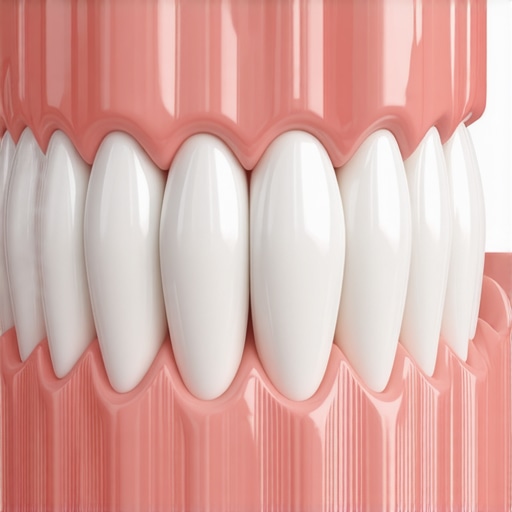 Many patients are surprised to learn that their general health affects their hardware’s scent.
Why does my dental hardware smell worse when I’m feeling sick?
When you have a cold or the flu, your mouth’s chemistry changes. Your saliva production often drops, leading to dry mouth—a condition where bacteria thrive without the natural flushing action of spit. Furthermore, if you are wearing your trays while fighting an infection, those bacteria colonize the plastic even faster. According to research published in the American Journal of Orthodontics and Dentofacial Orthopedics, the surface roughness of thermoplastic materials increases the rate of microbial adhesion significantly compared to natural enamel. This is why invisalign myths debunked what you need to know today must include the reality that your lifestyle and systemic health dictate the freshness of your smile. This nuance extends to restorative work. Sometimes a smell isn’t just about cleaning; it’s about fit. If your bite is off, you might be clenching more at night, which changes the environment around your gums. For instance, understanding the specific reason your crown feels tall when you wake up can be the first step in realizing why food or bacteria are getting trapped in places they shouldn’t. Have you ever fallen into the trap of thinking a crown or a retainer is ‘indestructible’ and skipped the deep clean? Let me know in the comments—I’d love to hear your experiences and help you troubleshoot that lingering scent!I used to think my toothbrush was enough, but after talking to a specialist, I realized I was fighting a losing battle against microscopic film. My secret weapon now is a tiny buzzing bath—an ultrasonic cleaner. I didn’t just grab a random one; I looked for a device specifically calibrated to 42,000Hz. This frequency is the ‘sweet spot’ for dental appliances because it triggers cavitation, a process where tiny bubbles collapse and blast away plaque from the deep pores of the plastic. A study in the journal Clinical Oral Investigations proved that this mechanical action, when paired with a cleaning tablet, outperforms manual brushing by a wide margin. I personally use the iSonic F3900 because it’s portable enough for my gym bag but powerful enough to make my trays look brand new every morning. If you are serious about following top oral health tips for your familys bright smiles, this tool is non-negotiable. 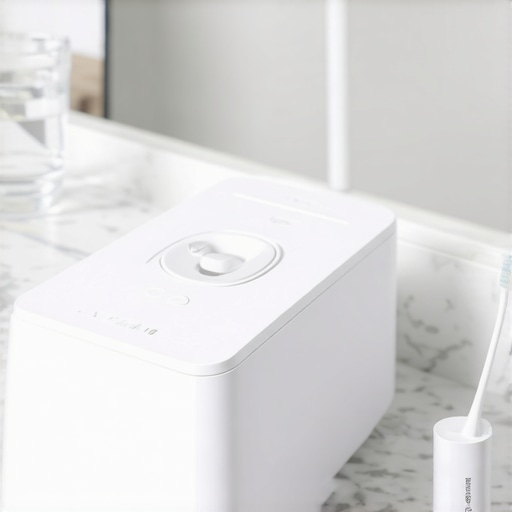
How do I ensure this routine actually sticks long-term?
It’s easy to be diligent during the first month of Invisalign, but the real challenge starts when you’ve had your hardware for a year. I’ve found that the ‘habit stacking’ method works best—I leave my ultrasonic cleaner right next to my coffee machine. While my morning espresso is brewing, my retainer is getting its deep clean. This ensures I’m also learning how to keep your smile white while drinking daily coffee without sacrificing the hygiene of my trays. If you have permanent work, like a bridge or a crown, the stakes are even higher. You need to follow the ultimate guide to crowns for a healthier smile to make sure you aren’t neglecting the gumline where the porcelain meets the tooth.
Your bathroom will soon look like a dental lab
I predict that within the next five years, the gap between the dentist’s office and your home vanity will disappear. We are already seeing the shift with how why finding the best dentistry in Culpeper VA usually starts with a 3D CBCT scan is becoming the standard for precision. Soon, you’ll likely have a small handheld scanner at home that syncs with an app to tell you exactly where bacteria are building up on your retainer before you can even smell it. AI-driven monitoring will turn ‘guessing’ into ‘knowing.’
Give your porcelain crowns the VIP treatment
If you have invested in restorative work, don’t treat those teeth like they are made of steel. Whether it is a single unit or part of a full-mouth restoration, crowns require specific flossing techniques to avoid popping them loose or irritating the surrounding tissue. I always tell my friends to contact us if they feel even a slight snag while flossing around a margin. If you want to see a real change in your oral freshness, I challenge you to go out and get an ultrasonic cleaner this week. It is the single most effective way to end the cycle of ‘retainer breath’ forever.
What Experts Won’t Tell You About Maintaining Dental Hardware
I’ve spent a lot of time in dental chairs, and if there is one thing I’ve learned, it is that ‘clear’ doesn’t always mean ‘clean.’ One of the biggest lightbulb moments I had was realizing that plastic is essentially a magnet for odors if you don’t treat it with the same respect as your natural enamel. I used to think a quick rinse was enough, but I learned the hard way that missing even one night of deep cleaning allows a foundation of biofilm to set in that is twice as hard to remove the next day. Another hard lesson? Your saliva is your best defense. If you are constantly reaching for mints to hide a smell, you might be drying out your mouth and making the bacteria problem worse. Real success comes from consistency, not from expensive ‘quick fix’ sprays. Exploring invisalign innovations the future of family dentistry revealed at 1137 am shows us that while the materials are getting better, the human element of hygiene remains the most important factor.
The Only Tools You Need for a Professional Clean at Home
To keep your routine simple but effective, you really only need a few high-quality items. First, that ultrasonic cleaner I mentioned is the MVP of my bathroom counter. Second, keep a supply of pH-neutral cleaning tablets that don’t contain harsh bleaching agents, which can make your trays brittle. Third, a dedicated ‘ortho brush’ with tapered bristles is great for getting into the nooks and crannies of more complex appliances. I also find that reading up on the hidden benefits of invisalign for family dental care in 2025 at 903 am helps keep me motivated to stay on top of my routine. If you are dealing with restorative work alongside your retainer, getting choosing the right crown expert advice for long lasting results ensures that every part of your mouth is working together harmoniously rather than trapping bacteria in uneven margins.
Step Into Your Most Confident Smile Yet
Your journey toward a perfect smile shouldn’t be overshadowed by the anxiety of ‘swamp mouth.’ You have put in the work to straighten your teeth or repair your bite; now it is just about protecting that investment with a few minutes of daily care. Whether you are comparing crowns vs veneers which is better for your smile cure at 429 pm or just trying to survive the first few months of a night guard, remember that your oral health is the foundation of your overall confidence. Don’t be afraid to take that first step toward a more rigorous cleaning routine—your breath (and your partner) will thank you. If you ever feel like you can’t get your hardware clean no matter what you try, please contact us so we can take a look and make sure everything is fitting as it should. Have you ever tried an ultrasonic cleaner for your retainer, or do you stick to the old-fashioned scrub? Let me know your results in the comments below!