
The truth about charcoal toothpaste and your tooth enamel
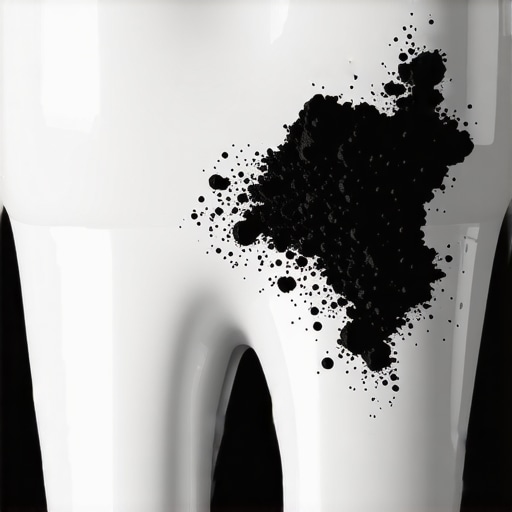
I stood over my bathroom sink six months ago, looking like I’d just lost a fight with a chimney sweep. My mouth was full of black sludge, my white grout was covered in dark speckles, and I was grinning like a fool because I thought I’d finally hacked the system. I wanted that high-definition, movie-star smile, and every influencer on my feed swore that activated charcoal was the “ancient secret” to getting there without “harsh” chemicals. I was tired of the sensitivity I got from store-bought strips, so I thought this was the gentle, earthy alternative. But let me tell you, my “lightbulb moment” didn’t come from a brighter smile; it came from a glass of ice water. That first sharp, piercing jolt of sensitivity told me I’d made a massive mistake. I hadn’t just been whitening; I’d been grinding away the very thing protecting my teeth. [IMAGE_PLACEHOLDER]
The Day I Realized My Toothbrush Was a Weapon
I’ve always been someone who dives headfirst into health trends. Whether it’s the latest superfood or staying on top of family dentistry trends, I’m usually the first to sign up. But I learned the hard way that “natural” is not a synonym for “safe.” When I started using charcoal paste, I ignored the slight grit. I ignored the fact that my gums felt a little raw. I just wanted the coffee stains gone. I even thought it might be better for my kids, but after seeing how it affected me, I realized I needed to be way more careful with my family’s bright smiles. Eventually, I realized that I was dealing with more than just temporary discomfort. I was experiencing that painful zing when you drink iced coffee every single morning. I had basically been using high-grit sandpaper on my pearly whites. I was terrified I’d need restorative crowns just to fix the thinning enamel. In this guide, we are going to break down the science of abrasivity and how you can actually brighten your smile without sacrificing your enamel for good.
Is charcoal toothpaste actually worth the hype?
It’s the question everyone asks when they see those satisfying “black-to-white” transformation videos on social media. You’re probably skeptical, and honestly, you should be. The truth is that while charcoal can lift surface stains by sheer force, it’s often far too aggressive for the long haul. According to the American Dental Association (ADA), many charcoal toothpastes lack the fluoride necessary to remineralize teeth and can actually increase your risk of decay. A study published in the Journal of the American Dental Association warned that clinicians should advise their patients to be cautious when using charcoal and charcoal-based dentifrices due to unproven claims of efficacy and safety. I made the rookie mistake of replacing my regular routine entirely, which is a fast track to permanent damage. It’s a bit like the confusion people have over soft vs. hard toothbrushes for receding gums—the aggressive choice feels like it’s cleaning more thoroughly, but it’s usually just stripping away your protection. Have you ever tried a “natural” dental hack that ended up making your teeth more sensitive? Before you throw out your tubes or double down on the charcoal, let’s look at what’s really happening to your enamel when you brush with the black stuff and how to pivot to a safer routine.
Check the Grit Level Before You Brush Again
If you want to avoid the disaster I had, you need to look at the Relative Dentin Abrasivity (RDA) scale. Think of it like the grit rating on sandpaper you’d use for a home DIY project. If you use a coarse 40-grit paper on a delicate mahogany table, you aren’t cleaning it; you’re destroying the finish. Your enamel is that finish. The ADA recommends an RDA of 250 or less, but many charcoal powders aren’t even regulated or tested. When I was using that black sludge, I was likely way over the limit. The truth about charcoal toothpaste and your enamel health is that it’s often too abrasive for daily use, acting more like an industrial polisher than a cleanser. 
Lifting Stains Without Sandpapering Your Enamel
To actually brighten your smile safely, you have to distinguish between surface stains and deep discoloration. I used to think all yellowing was the same. It’s not. Most charcoal only tackles surface stains by grinding them off. Instead, I shifted to a two-step approach: using a soft-bristle brush with a high-fluoride, low-abrasivity paste in the morning, and a targeted whitening treatment that uses peroxide, not friction. This is why understanding the difference between professional whitening and store-bought strips is so vital. One uses chemistry to lift stains, while the other—like my old charcoal habit—often relies on physical force. I also learned how to keep your smile white while drinking daily coffee by simply rinsing with water after every cup, which prevents the stains from setting in the first place without needing to scrub like a maniac.
Fixing the Holes Charcoal Left Behind
When I finally went to the dentist, I was terrified I had permanently ruined my front teeth. They felt thin, almost translucent at the edges, and I was constantly dealing with the truth about why your teeth hurt when it gets cold outside. My dentist explained that once enamel is gone, it’s gone. In my case, I had created micro-fissures that were magnets for bacteria. For some of the more severe wear, we discussed how why crowns are a game-changer in restorative dentistry. They don’t just fix a cavity; they provide a completely new, protective surface for a compromised tooth. I learned that choosing the right crown expert advice for long-lasting results is the only way to ensure you don’t end up back in the chair six months later.
Could Alignment Be the Secret to a Brighter Look?
Surprisingly, my dentist pointed out that part of why I was so obsessed with whitening was that my slightly crowded bottom teeth created shadows that made them look darker than they were. I was trying to scrub away a shadow! This is where modern tech like how invisalign transforms family dentistry in 2025 comes into play. By straightening the teeth, you reduce those shadows and, more importantly, those microscopic trapdoors where bacteria throw a permanent party. But here is the contrarian truth most influencers miss: a straight smile isn’t just about vanity; it is about structural engineering.
Your Smile Is a Mechanical System Not Just a Painting
We tend to look at teeth as individual units, but they function as a synchronized team. When I was obsessing over my charcoal-scrubbed enamel, I completely ignored the fact that my misaligned bite was doing more damage than any toothpaste ever could. Most people believe Invisalign myths debunked are just about clear trays versus metal wires, but the real secret is how alignment protects your restorative work. If your teeth are not hitting correctly, you will eventually experience why your front teeth look shorter than they used to because you are literally grinding them into dust. By looking at the hidden benefits of Invisalign for family dental care in 2025, you are not just buying a straighter look; you are buying insurance for your enamel.
The Trap of Ignoring a Crown That Feels Slightly Off
Once I finally moved past the charcoal phase and started getting real dental work done, I hit another wall. I got a crown, but it felt a bit odd. I thought I just needed to ‘break it in.’ This is a massive mistake. If you ever feel like your crown feels taller than your other teeth, do not wait. A ‘high’ restoration can cause ligament inflammation and even crack the tooth underneath. I also noticed a strange sensation where it felt like my tooth was pulsing. My dentist explained that why your dental crown feels like it is vibrating often comes down to occlusal trauma—where the tooth is hitting too hard and too often because it is misaligned. 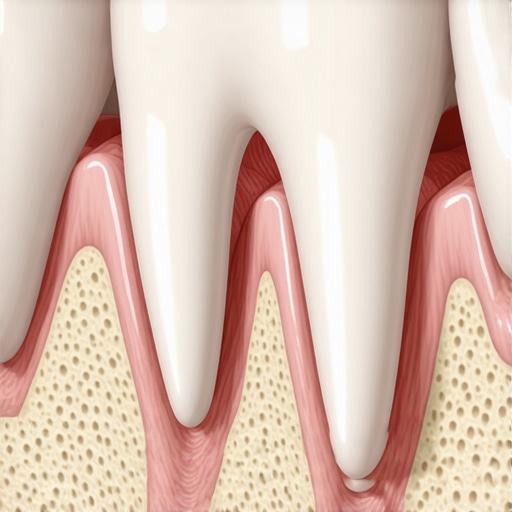
Why does the longevity of a restoration depend more on your bite than the material?
It is easy to get caught up in the debate of crowns vs. veneers, but the material—whether it is porcelain or zirconia—is only as good as the foundation. A study published in the Journal of Oral Rehabilitation highlights that improper occlusal forces are one of the leading causes of ceramic fracture in posterior teeth. This means you could spend thousands on the ultimate guide to crowns for a healthier smile, but if your bite is off, you are just counting down the days until it fails. We often think of family dentistry trends as being about the newest tech, but the advanced secret is actually the simple mechanics of how your teeth meet. Have you ever fallen into the ‘wait and see’ trap with a new crown or aligner? Let me know in the comments!Once I stopped treating my teeth like a science experiment and started treating them like high-performance machinery, everything changed. I realized that keeping a smile healthy isn’t just about what you remove, but how you maintain the structural integrity of your dental work. If you’ve invested in your oral health, you need a toolkit that actually supports that investment. For me, that meant ditching the manual scrubbing and finally learning the trick to using a water flosser without making a total mess. I used to think these gadgets were just fancy water guns, but they are essential for clearing out the ‘dead zones’ around new restorations that traditional floss simply can’t reach. If you are noticing the reason your crown feels tight after flossing, it’s often because of localized inflammation that a gentle water pulse can soothe far better than a piece of waxed string ever could. 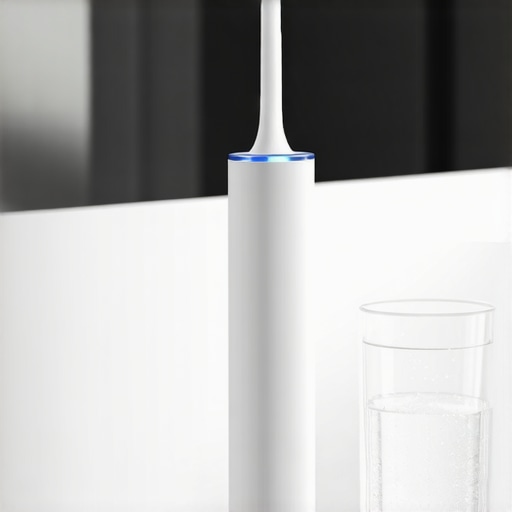
Keep Your Clear Trays from Becoming a Biohazard
For those of us using aligners, the maintenance game is even more specific. I’ve seen so many people let their trays get cloudy and yellow because they don’t know how to clean a retainer that has sat out for too long. I personally use a small ultrasonic cleaner—it’s a game-changer. You drop the trays in with a cleaning tablet, and the micro-vibrations shake off the biofilm that your toothbrush misses. This is especially important if you are troubleshooting why your invisalign aligners keep popping off your back teeth; often, it’s a tiny bit of buildup or a slight warp from improper cleaning that ruins the fit. Staying on top of family dentistry secrets maintaining oral health with modern techniques at 254 pm isn’t just about the tools, though; it’s about the consistency of your ‘preventive engineering.’
How can you make a dental crown last more than fifteen years?
The longevity of your dental work is almost entirely dependent on how you manage the force applied to it. According to a long-term study in the International Journal of Prosthodontics, the 10-year survival rate for monolithic zirconia crowns exceeds 94%, but that number drops significantly if the patient has an unmanaged bite or poor hygiene at the margin. To beat those odds, you have to look ahead. I’m convinced that the future of this field lies in invisalign innovations the future of family dentistry revealed at 1137 am, where we move toward digital monitoring. We are already seeing a shift where why finding the best dentistry in culpeper va usually starts with a 3d cbct scan because doctors can now predict where your enamel will wear down before it even happens. My best advice? Stop guessing and get a high-quality water flosser this week—it is the single best thing you can do for your gums and your sanity.
Why Most Social Media Dental Advice Is Actually Dangerous
Looking back, the charcoal debacle was a wake-up call. I realized that the internet often prioritizes visual transformations over long-term biological health. Here are the three truths I wish someone had told me before I picked up that black paste. First, enamel is your tooth’s only armor. Once you scrub it away with high-grit materials, you are looking at a lifetime of sensitivity or eventually needing restorative crowns to replace the lost protection. Second, a white smile is often a healthy smile, but a healthy smile isn’t always paper-white. Chasing an unnatural shade often leads to receding gums if you aren’t careful with your tools. Third, alignment is the secret to longevity. Correcting your bite with Invisalign in 2025 does more for your appearance and health than any whitening kit ever could because it removes the shadows and uneven wear patterns that make teeth look aged. [IMAGE_PLACEHOLDER]
The Three Gadgets That Saved My Teeth
I’ve narrowed my routine down to things that actually work without causing damage. If you’re serious about your oral health, these are non-negotiable. The Water Flosser: I finally learned the trick to using a water flosser without making a total mess, and it’s been the best way to keep my gums healthy around my new dental work. Ultrasonic Cleaner: For anyone with aligners or retainers, this is the only way to effectively clean a retainer that has sat out for too long. It removes the biofilm that manual brushing misses. High-Quality Toothpaste with Fluoride: Skip the charcoal and stick to a low-abrasivity formula. This protects against charcoal toothpaste damage and keeps your enamel strong.
Start Protecting Your Future Smile Today
Your teeth are the only set you get, and while modern techniques can fix almost anything, nothing beats your natural enamel. Focus on gentle consistency and professional guidance rather than the latest viral trend. By staying informed on your family’s bright smiles, you can ensure everyone in your house avoids the painful mistakes I made. Have you ever tried a ‘natural’ dental hack that ended up making your teeth more sensitive? Let me know in the comments below!