
The connection between your sinus infection and your tooth pain
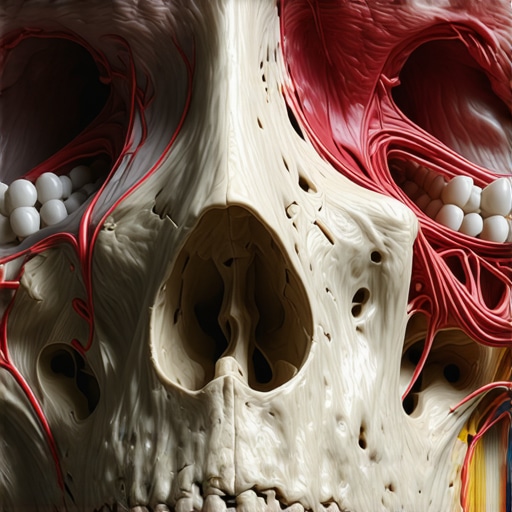
I remember sitting on the edge of my bed last November, clutching the left side of my face and convinced that I was about to lose a molar. Every footstep I took felt like a hammer hitting my jaw. My first thought? I must have cracked a tooth or needed one of those crowns I’d been hearing about. I was so certain it was a dental emergency that I almost called my dentist at 6:00 AM. But then I noticed something weird: when I tilted my head down to tie my shoes, the pain doubled. That was my lightbulb moment. It wasn’t a cavity at all; it was my maxillary sinus throwing a tantrum. Today, I want to help you figure out if that thumping in your mouth is a job for a dentist or a box of tissues. We are going to break down the anatomical proximity that causes this confusion and how you can tell the difference before you spend a fortune on unnecessary visits.
Stop Panicking and Check Your Sinuses First
It is a common mistake. In fact, early in my journey of obsessive oral health care, I once paid a hefty emergency fee only to be told my teeth were perfect but my allergies were a mess. We often forget that the roots of our upper teeth are basically neighbors with our sinus cavities. According to the American Dental Association, the proximity is so close that the pressure from inflammation can mimic a severe toothache perfectly. This is especially true if you notice the reason your teeth hurt when you bend over is linked to your posture rather than what you are eating. When your sinuses fill with fluid, they press down on the nerves of your teeth, creating a dull, continuous ache that feels like it’s deep in the bone. It’s a visceral, confusing sensation that can make even the most stoic person start googling oral surgery.
Is this really just a cold or am I losing a tooth?
I know what you’re thinking—you’re worried that by ignoring the pain, you’re letting an infection rot your jaw. It’s a terrifying thought. But if your pain is accompanied by a stuffy nose or if you notice how to handle a toothache that only happens when you lie down, you’re likely dealing with a pressure issue, not a decay issue. I’ve learned the hard way that jumping to conclusions leads to stress you just don’t need. Modern family dentistry secrets often involve looking at the whole head, not just the mouth. Have you ever been convinced you had a major dental disaster only to realize it was just a seasonal cold? I’d love to hear if you’ve been through this same frustrating loop. Understanding this connection is the first step toward relief, and next, we’ll look at the specific tests you can do at home to narrow down the culprit.
Try the Jump Test Right Now
The most effective way to separate a sinus issue from a dental emergency is what I call the ‘heel drop’ or jump test. When I was pacing my kitchen floor that November morning, I stood on my tiptoes and then let my weight fall heavily onto my heels. The result was instantaneous. A sharp, radiating throb shot through my entire upper left quadrant, not just one tooth. This happens because the fluid in your inflamed sinus cavities sloshes downward, putting sudden pressure on the dental nerves. If you try this and feel a generalized ache across several teeth, your top oral health tips for your family’s bright smiles should probably focus on decongestants rather than a drill. Conversely, if you jump and only one specific spot screams in pain, you might be looking at a localized infection. 
Does the Pain Travel or Stay Put?
Real dental problems, like a crack that might require transform-your-smile-how-crowns-boost-oral-health-confidence-at-815-am, usually stay anchored to a single tooth. In contrast, sinus-related discomfort is a team player—it affects the whole neighborhood. I once spoke with a friend who was convinced her how invisalign transforms family dentistry in 2025 treatment was failing because her back molars felt ‘tall’ and sore. It turned out she just had a lingering head cold. If your pain is widespread, it’s a classic sign of pressure in the maxillary sinus. However, if you notice why your new crown feels sensitive to cold drinks specifically when you tap on it with a fingernail, that’s a clear signal to call your dentist.
The Finger Pressure Test on Your Cheekbones
Another core technique is to palpate the area directly above your teeth. Take your index and middle fingers and press firmly against your cheekbones, right where the sinus cavities live. When I did this during my scare, the skin felt tender and bruised. This external sensitivity is a hallmark of sinusitis. Your teeth are just innocent bystanders caught in the crossfire of internal swelling. If you find that pressing on your face recreates the toothache, try the salt water rinse trick for a sore mouth to soothe any minor gum inflammation while you wait for your sinuses to clear.
Evaluate the Pain During Altitude Changes
If you find yourself wondering how to manage a toothache when you are flying, you are likely dealing with air pockets trapped in your sinuses or under a failing restoration. A sinus toothache will typically intensify as the plane descends because the pressure changes are more aggressive on the air-filled cavities in your skull. If the pain only kicks in when the cabin pressure shifts, you are almost certainly looking at a ‘sinus squeeze.’ This is a common realization within family dentistry secrets; the head and mouth are more connected than most people realize. By checking these environmental triggers, you can save yourself a lot of anxiety and an unnecessary trip to the emergency clinic.Even if you have ruled out a sinus infection after trying the jump test, do not make the mistake of assuming a dental procedure is a simple ‘set it and forget it’ event. One of the biggest myths I see in the world of oral health is the idea that a dental crown is a permanent, invincible shield. In reality, the success of restorative work has less to do with the material used and everything to do with how it interacts with your unique bite and jaw alignment.
Stop Thinking Your Crown is Indestructible
Most people believe that once they get a crown, that tooth is safe from harm forever. However, I have seen patients return months later wondering why your dental crown feels like it is vibrating or shifting during speech. The major ‘oops’ factor here is ignoring the seal at the gumline or the precision of the fit. If that seal is not perfect, bacteria can still sneak underneath, leading to decay that you will not even feel until it hits the nerve deep in the root. When you are choosing the right crown expert advice for long lasting results, you must prioritize the precision of the marginal fit over whether it is made of zirconia or traditional porcelain.
Why Your Perfect Bite Matters More Than the Material
There is a nuanced trap that even the most diligent patients fall into: the ‘high’ crown. We often think that if a new tooth feels slightly different or ‘taller’ than the others, we just need to give it time to settle. This is a recipe for chronic pain. According to research published in the Journal of Prosthetic Dentistry, a restoration that is off by even a few microns can trigger a chain reaction of myofascial pain and may eventually lead to the tooth fracturing under the increased load. If you are not sure what to do when your crown feels taller than your other teeth, the answer is always to schedule an adjustment immediately. Never try to ‘break it in’ like a new pair of leather shoes. 
Does Your New Smile Actually Fit Your Jaw Anatomy?
Many of my readers ask if modern aligners are really worth the investment or if they are just about looking better in photos. This is where invisalign myths debunked what you need to know today come into play. People often forget that straightening teeth is not just a cosmetic choice; it is about preventing the uneven wear and tear that eventually leads to the need for extensive crowns. When you look at invisalign innovations the future of family dentistry revealed at 1137 am, the focus has shifted entirely toward functional occlusion. By moving teeth into the correct biological position, you are protecting your long-term oral health by distributing bite forces evenly across your entire jaw. The hidden benefits of invisalign for family dental care in 2025 at 903 am include significantly easier flossing and a reduction in late-stage tooth fractures. Have you ever fallen into this trap of thinking a minor dental change would just ‘settle in’ on its own? Let me know in the comments. Understanding these family dentistry trends improving oral health for all ages can help you make a better decision between crowns vs veneers which is better for your smile cure at 429 pm, ensuring your smile lasts for a lifetime rather than just a few years.Once you have navigated the confusion of sinus pressure and ensured your restorations fit perfectly, the real work begins: maintenance. I used to think that brushing twice a day was enough, but when you have invested in your smile, you need to upgrade your toolkit. You cannot treat a high-end crown or a set of aligners like a set of baby teeth.
Master the Water Flosser Without Soaking Your Bathroom
I resisted water flossers for years because I always ended up with a wet shirt and a foggy mirror. However, learning the trick to using a water flosser without making a total mess changed everything for my gum health. The secret is to lean over the sink and keep your lips slightly closed around the tip, letting the water fall naturally out of your mouth rather than spraying it everywhere. For anyone with restorative work, this tool is non-negotiable. It reaches the tiny crevices where the crown meets the gumline—areas that traditional string floss often skips. This mechanical irrigation is essential because it disrupts the biofilm that causes inflammation, which is the number one reason crowns fail prematurely.
Why I Swear by Interdental Brushes for My Crowns
While the water flosser is great for debris, mechanical friction is still king. I personally use TePe interdental brushes because they come in specific sizes that fit perfectly into the gaps created by invisalign innovations the future of family dentistry revealed at 1137 am. According to the European Federation of Periodontology (EFP), interdental brushes are significantly more effective at removing plaque than traditional flossing in patients with restorations or open embrasures. If you have complex work, you need to master the specific way to floss under a fixed dental bridge to prevent the ‘black triangle’ look caused by receding gums. I have found that using these brushes once a day keeps my gums pink and tight, preventing that dreaded sensitivity often associated with aging dental work.
How do I keep my dental work pristine for decades?
The answer lies in proactive technology. I predict that within the next five years, we will see a shift toward AI-integrated home scanners that can detect micro-cracks before they become emergencies. For now, the gold standard is staying ahead of the curve with professional diagnostics. This is why finding the best dentistry in culpeper va usually starts with a 3d cbct scan; these 3D images allow your dentist to see bone density and root health in ways a 2D X-ray simply cannot. This level of detail is how you ensure the truth about how long dental implants actually last is measured in decades rather than years. Using family dentistry secrets maintaining oral health with modern techniques at 254 pm means combining these advanced tools with a rigorous home routine. I strongly encourage you to try the ‘close-the-lips’ water flosser technique tonight—it is the single best way to protect your investment without the morning mess.
Lessons from the Dental Chair That Changed My Entire Perspective
Reflecting on my own journey through toothaches and technical repairs, the biggest lightbulb moment was realizing that pain is actually a late signal. By the time something hurts, the damage is often already deep. I used to think I could wait out a minor ache, but I’ve learned that being proactive with things like the ultimate guide to crowns for a healthier smile is far better than reactive emergency surgery. Another major shift for me was seeing through the invisalign myths debunked what you need to know today; straightening your teeth isn’t just about vanity, it’s about making sure your bite doesn’t destroy your dental work over time.
The Items I Trust for a Maintenance Routine That Actually Works
I don’t just recommend tools because they are popular; I use them because they saved my smile. #IMAGE_PLACE_HOLDER_E# My daily toolkit starts with a high-quality water flosser. Once you master the trick to using a water flosser without making a total mess, you’ll never go back to string. I also rely on 3D imaging for my annual checkups. This is why finding the best dentistry in culpeper va usually starts with a 3d cbct scan; the accuracy it provides for spotting issues under existing crowns is unparalleled. Finally, I’ve learned that the truth about how long dental implants actually last depends entirely on using the right interdental brushes to keep the surrounding tissue healthy.
Your Smile Deserves More Than Just Guesswork
Taking care of your teeth shouldn’t feel like a series of expensive surprises. Whether you are dealing with a ‘tall’ crown or trying to figure out if your sinuses are the culprit, your best weapon is information. Don’t be afraid to ask for adjustments or second opinions when something feels off, like why your dental crown feels like it is vibrating after a procedure. By combining modern family dentistry secrets maintaining oral health with modern techniques at 254 pm with a consistent home routine, you can keep your smile functional and pain-free for decades. Have you ever had a toothache that turned out to be a simple sinus issue? Let me know your story in the comments below!