
The 2-minute habit that prevents morning breath better than mouthwash
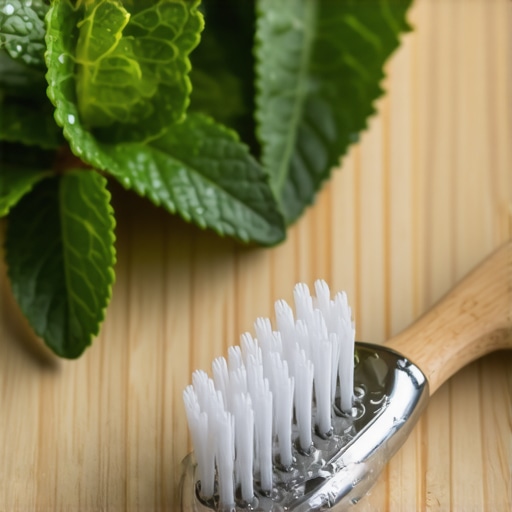
I’ll never forget the morning my five-year-old actually recoiled when I leaned in for a ‘good morning’ hug. She didn’t say anything, but that tiny nose-scrunch told me everything: my breath was lethal. It was humiliating. I was the person who followed every rule, or so I thought. I was dutifully rinsing with that blue, stinging mouthwash every night, yet I still woke up feeling like a swamp had moved into my mouth overnight. That moment sent me on a quest to figure out why my routine was failing. I eventually realized that most of us are just masking odors instead of actually fixing the chemistry in our mouths. If you’ve ever felt that ‘fuzzy’ feeling on your teeth or wondered why your child’s breath smells sour in the morning despite a good brush, you’re not alone. Today, I’m sharing the exact two-minute routine that changed my mornings forever—and no, it doesn’t involve expensive bottles of minty chemicals.
Mouthwash Is Often a Band-Aid for a Much Bigger Problem
For years, I made the classic mistake of thinking that ‘sting’ meant the mouthwash was working. I’d gargle until my eyes watered, convinced I was nuking every bad germ in sight. I was wrong. In fact, relying solely on alcohol-based rinses was one of my biggest oral health mistakes because it was drying out my tissues, which actually helps odor-causing bacteria thrive. You see, morning breath—technically called halitosis—is caused by the breakdown of proteins by anaerobic bacteria. These little guys love the nooks and crannies of your tongue and under the gumline. If you aren’t physically removing them, you’re just putting perfume on a pig. According to a study published by the National Center for Biotechnology Information, tongue scraping can reduce the production of volatile sulfur compounds by 75%, compared to just 45% when using a toothbrush alone. That is a massive difference when you’re trying to stay fresh until breakfast.
Is this habit actually worth the extra effort every night?
I get it. You’re tired, and adding one more thing to the bedtime routine feels like a chore. But this isn’t just about vanity; it’s about the health of your whole mouth. When I finally stopped obsessing over the rinse and started focusing on a specific mechanical cleaning of my tongue, everything shifted. I even noticed my tongue cleaning routine improved how food tasted! We’re going to dive into how this simple shift prevents the buildup that leads to decay and even protects those expensive dental crowns you might already have. Have you ever felt like no matter how much you brush, that morning ‘funk’ just won’t go away? Let’s fix that once and for all.Think of your tongue like a plush shag carpet. If you spill milk on it, you do not just spray Febreze and call it a day; you have to get in there and pull the liquid out of the fibers. Your mouth works the same way. When I first started following family dentistry secrets for maintaining oral health, I realized that my toothbrush was just moving the ‘milk’ around.
Stop Brushing Your Tongue and Start Scraping It
Brushing your tongue with a soft-bristle brush is better than nothing, but it is like using a broom on a wet floor. You need a squeegee. A stainless steel or copper tongue scraper is the ‘squeegee’ of the dental world. I remember my first attempt vividly: I bought a cheap plastic one from the pharmacy and went at my tongue like I was trying to scrape paint off a deck. I gagged so hard I had tears streaming down my face, and I actually nicked the back of my throat. It was messy, slightly painful, and I almost quit right then. The trick, I later learned, is all in the light touch and the angle. You are not trying to remove a layer of skin; you are just lifting the biofilm.
The 30-Second Sweep That Actually Works
First, stick your tongue out as far as it will comfortably go. Place the scraper at the very back—but not so far that you are fighting your gag reflex. If you struggle with this, learning how to clean your tongue without triggering a gag reflex is a total game-changer. Use a gentle, firm motion to pull the scraper forward to the tip of your tongue. Rinse the scraper under hot water after every single pass. If you see a yellowish or white ‘gunk’ on the tool, that is exactly what you want. That is the stuff that makes you wonder why your teeth feel fuzzy even after you just brushed them. Repeating this 3 to 5 times every night before bed is the secret to waking up with a mouth that does not feel like a petri dish. 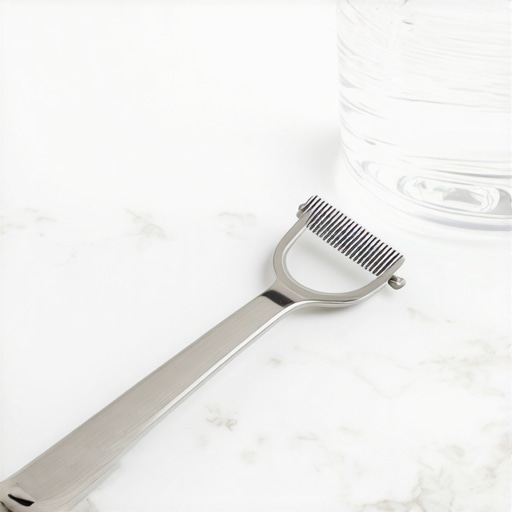
Why This Routine Is Essential for Restorative Work
If you have dental hardware, the stakes are even higher. I have a crown on my back molar, and I used to notice that area always felt ‘off’ in the morning. Bacteria love the tiny interface where your natural tooth meets the restoration. By reducing the overall bacterial load on your tongue, you are protecting those investments. Whether you are following the ultimate guide to crowns for a healthier smile or just trying to keep your natural teeth, mechanical cleaning is the foundation. It even applies to those of us using clear aligners. If you do not clean your tongue, you are essentially trapping all that bacteria under your trays. Knowing how to keep your breath fresh while wearing Invisalign trays starts with what is happening on your tongue long before the trays go in. It is about creating a clean environment so the ‘funk’ has nowhere to hide.Many people assume that once they have invested in a porcelain crown, that specific tooth is essentially invincible. This is the biggest misconception I see in the world of restorative dentistry. In reality, a crowned tooth requires more vigilance, not less. While the ceramic itself cannot decay, the tiny seam where the crown meets your gumline—the margin—is a magnet for the very bacteria we have been discussing. If you are not meticulous, you end up with marginal leakage, where sugar and bacteria seep underneath the restoration. I have seen beautifully crafted work fail because of this one biological oversight. When exploring why crowns are a game-changer in restorative dentistry, we often focus on the structural strength they provide, but we forget that the tooth underneath is still living tissue that can rot if the seal is compromised.
The Dangerous Trap of the High Bite
One common trap many fall into is ignoring a restoration that feels just a tiny bit off. Maybe it feels like it hits first when you chew, or it feels slightly elevated when you are stressed. Never wait this out. If you are wondering what to do when your crown feels taller than your other teeth, the answer is to see your dentist for a minor adjustment immediately. Even a micron of misalignment can cause occlusal trauma, which mimics the intense pain of a root canal infection and can actually cause the bone around the tooth to recede. 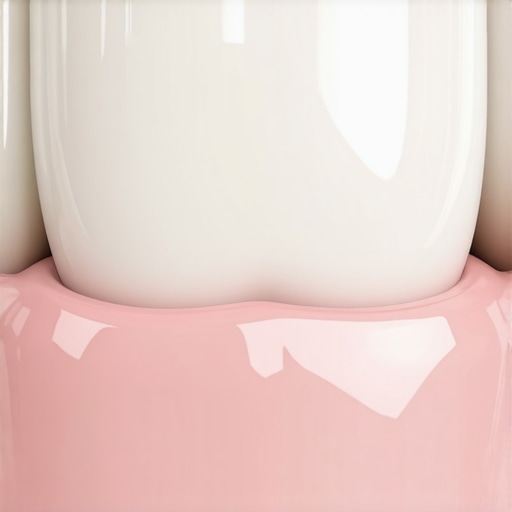
Why does your bite feel perfectly fine until you are stressed or tired?
This is a nuance most patients miss. Your jaw muscles and the ligaments around your teeth are dynamic. According to a study published in the Journal of Oral Rehabilitation, nocturnal bruxism (teeth grinding) can exert enough pressure to slightly shift how teeth meet, making a tiny discrepancy in a crown feel like a mountain at 2 AM. This is why choosing the right crown expert involves finding someone who understands functional occlusion—how your teeth work together while in motion, not just when you are biting down on a piece of thin carbon paper in the chair.
Beyond Aesthetics: The Functional Nuances of Invisalign
We see the same need for expertise with clear aligners. The most common Invisalign myths debunked usually focus on age or treatment speed, but the real hidden nuance is the posterior open bite trap. If you do not use your aligners correctly or fail to use chewies to fully seat the trays, your back teeth might not touch correctly at the end of the process. Staying ahead of family dentistry trends improving oral health for all ages means understanding that these tools are medical devices, not just cosmetic accessories. Have you ever had a crown that felt tall or noticed your bite shifting during a stressful month? Have you ever fallen into this trap? Let me know in the comments.I realized early on that my traditional flossing routine was leaving far too much behind, especially around my back molar crown. For me, the game-changer was switching to a high-pressure water flosser. I use it every single night because it is the only thing that effectively executes the move to stop a crown from trapping food every time you eat steak or other fibrous proteins. Unlike string, which can sometimes shred against the margin of a restoration, the water stream flushes out the sulcus without mechanical friction that could irritate the gums. A study published in the Journal of Clinical Dentistry revealed that water flossing is up to 50% more effective at reducing gingivitis compared to traditional string floss, particularly for patients with extensive restorative work.
The One Tool That Actually Reaches Under My Crowns
Beyond the water flosser, I’ve become an evangelist for the ultrasonic cleaner. If you have ever struggled with the easiest way to clean a night guard that has turned yellow or cloudy, this is your answer. You drop your aligners or guard into a small basin of water, turn it on for three minutes, and high-frequency sound waves literally blast the microscopic biofilm off the surface. It’s the same technology used by professionals, and it’s why I never have to worry about how to keep your breath fresh while wearing Invisalign trays throughout the day. It’s about removing the source of the problem, not just rinsing it.
How can I keep my dental work looking brand new for a decade?
Maintenance isn’t just about the tools in your cabinet; it’s about the data in your dentist’s office. This is where top oral health tips for your family’s bright smiles transition from basic hygiene to advanced prevention. I make it a point to visit a clinic that utilizes 3D imaging. In fact, why finding the best dentistry in Culpeper VA usually starts with a 3d cbct scan is because these scans can detect microscopic decay under a crown or around an implant long before it shows up on a 2D X-ray. 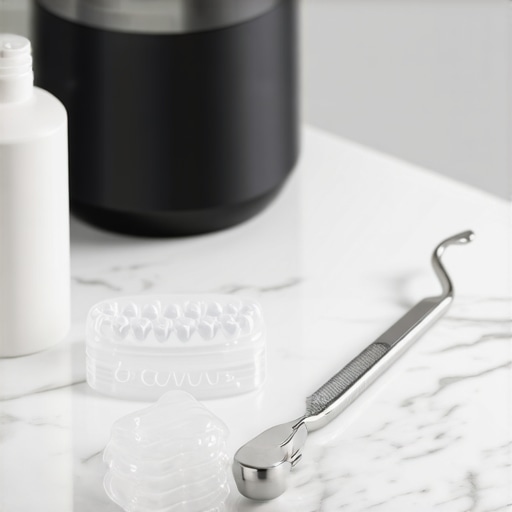
The High-Tech Shift Coming to Your Bathroom Mirror
Looking ahead, I predict a massive shift toward AI-integrated home monitoring. We are already seeing the beginning of this with how Invisalign transforms family dentistry in 2025 through remote scanning apps. Soon, your toothbrush won’t just tell you if you missed a spot; it will use spectral imaging to identify early-stage cavities before they even need a filling. For now, my best advice is to stop treating your dental routine like a chore and start treating it like maintaining a high-performance machine. **Advanced Tip:** If you use a night guard or aligners, try adding a single tablet of professional-grade cleaner to your ultrasonic bath twice a week to prevent mineral buildup. It will keep your appliances crystal clear and odor-free for their entire lifespan.
Lessons That Finally Made My Dental Routine Stick
Reflecting on my journey, I’ve realized that the biggest breakthroughs didn’t come from a new brand of toothpaste, but from a total shift in mindset. First, I learned that consistency beats intensity every single time. Scouring your gums until they bleed won’t make up for a week of missed flossing; it just causes inflammation. Secondly, I discovered how much my lifestyle impacted my teeth—I spent months wondering why my jaw hurt before I understood the move to stop your teeth from grinding during a stressful day was the missing piece of the puzzle. Finally, I stopped seeing my dental work as “set and forget.” Even after reading the ultimate guide to crowns for a healthier smile, I didn’t truly protect my investment until I started using a water flosser to reach those hidden margins.
The Kit I Wish I Had Ten Years Ago
If I could go back in time, I’d hand my younger self a very specific toolkit. It starts with a stainless steel tongue scraper. Unlike plastic versions, it doesn’t harbor bacteria and offers a much cleaner sweep. Next is a high-pressure water flosser, which is the only way to effectively execute the move to stop a crown from trapping food without fraying traditional floss. I also highly recommend a home ultrasonic cleaner. It transformed my night guard from a cloudy, smelly mess into something that feels brand new every night. These tools are the backbone of top oral health tips for your family’s bright smiles because they focus on removing biofilm rather than just covering it up. #IMAGE_PLACEHOLDER_E#
Your New Chapter of Confidence Starts Tonight
You don’t have to wake up with the “swamp mouth” feeling ever again. By moving away from alcohol-heavy rinses and embracing the mechanical cleaning of your tongue and dental margins, you are fundamentally changing the chemistry of your mouth. This commitment to your oral health is one of the best gifts you can give yourself. Whether you are navigating how Invisalign transforms family dentistry in 2025 or simply trying to keep your natural teeth for life, these two minutes a night are your most powerful defense. Don’t wait for a humiliating moment like I had; start tonight. Have you ever tried a tongue scraper and been shocked by what came off? Let me know in the comments below!