
How to clean your tongue without triggering a strong gag reflex
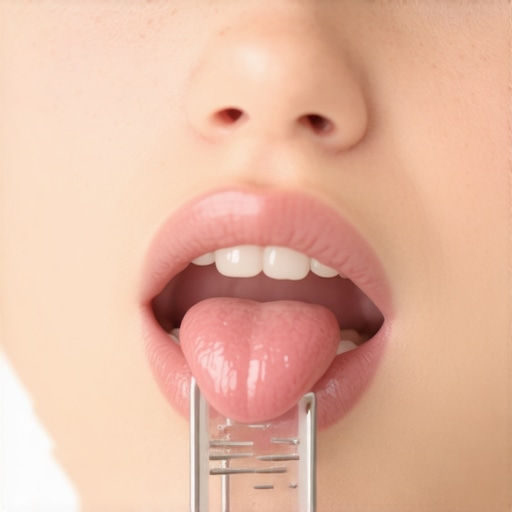
I was standing over my bathroom sink, eyes watering and gasping for air, feeling like I’d just lost a fight with a piece of plastic. It’s a familiar scene for many of us: you want that fresh, clean feeling, but the moment your toothbrush touches that ‘danger zone’ at the back of your tongue, your body revolts. For years, I just accepted that my gag reflex was too sensitive for proper hygiene. I’d do a quick swipe at the very tip and call it a day, leaving the real culprits—the bacteria hiding in the back—completely untouched. It wasn’t until I started diving deep into top oral health tips that I realized I was doing it all wrong. I was making the classic mistake of trying to ‘scrub’ my way to health when I should have been ‘negotiating’ with my nerves. Today, I’m going to show you exactly how to bypass that biological alarm system so you can finally get a truly clean mouth without the drama.
The Real Reason Your Throat Fights Your Toothbrush
The gag reflex is actually a sophisticated defense mechanism designed to keep us from choking, but man, is it annoying when you’re just trying to be healthy. Early on, my biggest mistake was using a standard, bulky toothbrush head and shoving it back there like I was trying to clean a grout line. I thought if I just pushed through the discomfort, I’d eventually ‘toughen up.’ Spoiler alert: it doesn’t work that way. When I finally consulted a professional about modern dental techniques, I learned that the pressure points on the tongue are incredibly sensitive to specific types of friction. Even people who are focused on keeping breath fresh with Invisalign often overlook the tongue’s role in the equation. According to the American Dental Association, cleaning the tongue regularly can significantly reduce the volatile sulfur compounds that cause bad breath. It’s the ‘Why’ behind that morning-breath smell we all dread.
Is it actually possible to clean the very back?
The short answer is yes, but it requires a change in gear and a bit of a mental trick. I used to be the biggest skeptic, thinking my anatomy was just ‘built differently,’ but the secret isn’t about reaching further—it’s about how you approach the distance. We’re going to talk about the ‘closed-fist’ trick and why learning to clean your tongue properly is more about tool choice than willpower. Have you ever felt like you were actually going to be sick just from brushing your teeth? You aren’t alone, and you aren’t ‘broken.’ Let’s get into the practical steps that changed my morning routine from a chore into a win.
Master the Art of the No-Gag Glide
The first thing you need to realize is that your tongue is a muscle, and muscles react to tension. If you approach your mouth with a “grip it and rip it” mentality, your throat will clamp shut faster than a bank vault. I learned this the hard way during a particularly stressful Monday morning where I actually ended up dropping my toothbrush into the toilet because I gagged so hard. It was a messy, humiliating wake-up call that taught me that force is the enemy of hygiene. To avoid that, you have to trick your nervous system into thinking everything is fine by using specific physical diversions and specialized equipment.
Squeeze Your Left Thumb for Instant Relief
This sounds like total “internet magic,” but it actually works. Make a fist with your left hand, tucking your thumb inside your fingers, and squeeze firmly. This creates a neurological distraction. While your brain is processing the pressure in your hand, it is significantly less likely to send an emergency “evacuate” signal to your throat muscles. I use this every time I’m dealing with family dentistry trends that involve deeper cleanings or scans. It is the same principle as focusing on a distant point when you feel car sick; you are giving your brain a different input to prioritize.
Swap Your Brush for a Metal Scraper
A standard toothbrush is essentially a tall, bristly skyscraper. When you try to move that into the narrow tunnel of your throat, the bristles hit the roof of your mouth and the sides of your tongue simultaneously. This “multi-point contact” is what triggers the reflex. A dedicated tongue scraper is flat and low-profile. It skims the surface without touching the sensitive soft palate. If you must use a brush, the safest way to use an electric toothbrush on sensitive teeth also applies to the tongue: let the vibration do the work, and do not press down.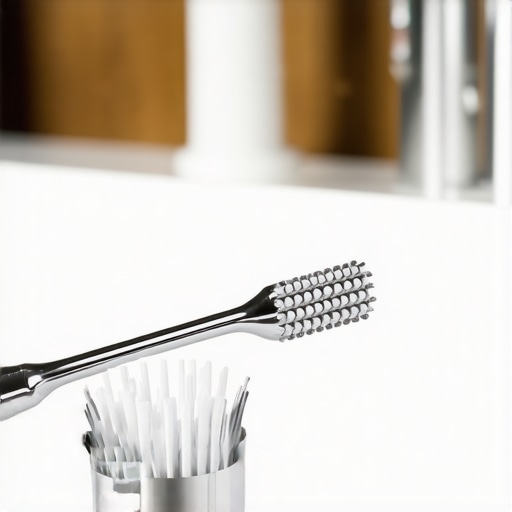
Breathe Like You Are Snorkeling
One of the biggest triggers for gagging is subconsciously holding your breath. When you stop breathing, your body goes into high-alert survival mode. Instead, focus on taking slow, rhythmic breaths through your nose. This keeps your airway open and signals to your parasympathetic nervous system that you are safe. Think of it like the best way to clean your mouth when you have the flu; you have to be gentle and patient with your body’s limits while maintaining oxygen flow.
Work from the Back Forward in One Motion
Do not “scrub.” Scrubbing is back-and-forth friction that irritates the papillae and keeps the gag reflex on a hair-trigger. Instead, start as far back as you can comfortably go, then pull forward in one long, smooth stroke. Rinse the scraper after every single pass. By moving “out” of the danger zone rather than pushing “into” it, you reduce the duration of the stimulus. This localized, controlled movement is essential if you have restorative work, much like how crowns are a game-changer in restorative dentistry for protecting damaged teeth, as it prevents any accidental bumping into sensitive gum lines.While we’ve mastered the physical act of cleaning, most people miss the biological nuance that separates a ‘clean mouth’ from a ‘healthy ecosystem.’ I used to think that as long as I brushed and scraped, I was invincible. But the ‘Oops’ factor is real, especially when you start experimenting with DIY aesthetics. For instance, did you know that applying whitening strips on a tooth with a filling can cause intense, shooting pain or even weaken the bond of your existing dental work? It’s a classic trap: trying to fix the surface while ignoring the structural history of your mouth. We have to move past the ‘one size fits all’ approach if we want results that last into our senior years.
Can a Sinus Infection Actually Fake a Toothache?
One of the most confusing things I’ve experienced is a dull, throbbing pain in my upper molars that felt exactly like a deep cavity. I was ready to book an appointment for crowns, certain that my teeth were failing. In reality, my teeth were perfectly fine—it was my sinuses. There is a deep connection between your sinus infection and your tooth pain because the roots of your upper teeth often sit right against the sinus floor. According to a study published in the Journal of Clinical Periodontology, referred pain in the maxillary arch is one of the leading causes of misdiagnosed dental emergencies.
Stop Sterilizing Your Mouth and Start Balancing It
Everyone tells you to ‘kill 99% of germs,’ but in my experience, chasing a sterile mouth is a recipe for long-term disaster. When you over-sanitize with harsh, alcohol-heavy products, you kill the ‘good’ bacteria that naturally compete with the decay-causing bad guys. This is why modern dental techniques now focus on microbiome management rather than total eradication. If you are currently keeping your breath fresh with Invisalign, you are essentially managing a plastic-wrapped micro-environment. If you don’t maintain the right pH balance, you’ll end up with ‘aligner breath’ regardless of how often you brush. 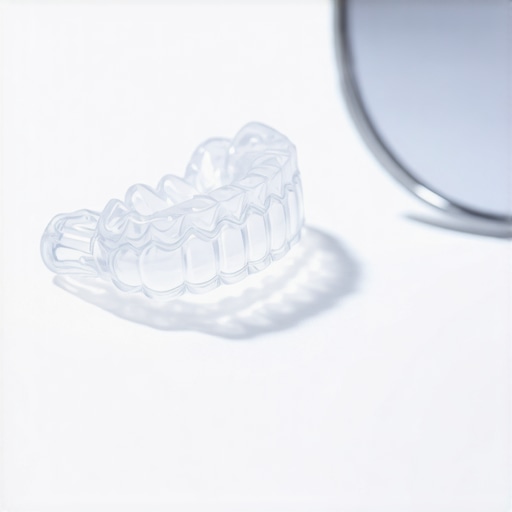
Why a Crown Early is Better Than an Extraction Later
Another common myth is that restorative work is only for those who have ‘failed’ at their top oral health tips. I used to view a crown as a sign of defeat. However, choosing the right crown early can actually prevent a weakened tooth from splitting entirely under the pressure of daily chewing. It is about proactive preservation. If you wait until the tooth actually hurts, you might have already crossed the line into needing a root canal or an extraction. You also have to be mindful of the subtle signs your body gives you after these procedures. If you’ve ever wondered why your crown feels sensitive to cold months after it was placed, it’s usually not the crown itself but a sign of microscopic gum recession or a slight bite misalignment. Have you ever fallen into the trap of thinking a toothache was a cavity when it was actually something else? Let me know in the comments.
Stop Fighting Your Floss and Start Using Water
If you are living with restorative work, you know that standard string floss can feel like a game of Russian Roulette. I spent years worrying that a particularly stubborn piece of waxed string would snag and pop one of my crowns right off. The game changed for me when I switched to a high-pressure water flosser. It isn’t just about the convenience; it is about the physics of irrigation. When you have hardware in your mouth, whether it is a bridge or an aligner, you have tiny ‘blind spots’ where traditional floss simply cannot reach. If you have ever worried about how to tell if your dental bridge is trapping food, a water flosser provides that tactile feedback—you can actually feel the debris clearing out. I personally use a countertop model with a reservoir because the handheld versions often lack the sustained pressure needed to really flush the gum line.
How do I maintain my dental results over the next twenty years?
Longevity in family dentistry isn’t about one big surgery; it is about the boring, repetitive stuff you do while scrolling through your phone at night. To keep your work pristine, you have to treat your dental materials with the same respect as your natural enamel. This means moving away from abrasive charcoals or ‘whitening’ pastes that act like sandpaper on porcelain. According to a study in the Journal of Clinical Dentistry, the use of an interproximal brush in conjunction with a water flosser showed a 37% higher reduction in gingival bleeding compared to manual flossing alone. This is the gold standard for anyone who has invested in choosing the right crown for their smile.
AI is Coming for Your Toothbrush and I am Ready
The biggest shift I see on the horizon is the move toward digital self-monitoring. We are already seeing Invisalign innovations that use virtual care apps to track tooth movement via smartphone photos. In the next five years, I predict your toothbrush will be able to analyze the chemical composition of your saliva in real-time, alerting you to a drop in pH before a cavity even has a chance to form. This level of data is going to make cleaning your retainers look like ancient history. We are moving from a ‘reactive’ model of dentistry to a ‘predictive’ one. If you want to stay ahead of the curve, I highly recommend investing in a sonic toothbrush with a built-in pressure sensor today. It is the easiest way to prevent the ‘scrubbing’ damage that leads to gum recession. My challenge for you tonight: Swap your manual floss for a water flosser or an interproximal brush and see how much debris you’ve been leaving behind. You’ll be shocked at what the ‘traditional’ way was missing.
The Most Surprising Truths About My Dental Journey
After years of trial and error, I realized that oral health isn’t a destination; it’s a series of small, intentional habits that build over time. One of my biggest lightbulb moments was realizing that the gag reflex is often exacerbated by morning congestion—simply clearing your sinuses before you start your routine can change the entire experience. I also discovered that the mental anxiety of “doing it wrong” was actually tightening my throat muscles before I even picked up the scraper. Relaxing your jaw is just as effective as any physical trick you’ll find online. Furthermore, never underestimate the power of professional guidance; transforming your smile with crowns is a restorative miracle, but it requires a foundation of daily care to truly last. Finally, I learned that consistency beats intensity; a gentle scrape every day is far better than an aggressive one once a week.
My Personal Toolkit for a Lifetime Smile
I don’t just recommend tools because they are popular; I use them because they solved specific problems for me and my family. My must-have list starts with a surgical-grade stainless steel tongue scraper, which is far more hygienic and effective than plastic versions. To keep my gums in peak condition, I swear by a high-pressure water flosser to ensure I am choosing the right maintenance path for my crowns and preventing food traps. I also avoid the hype of trend-based products; for instance, understanding the truth about charcoal toothpaste helped me protect my enamel from unnecessary abrasion. Lastly, I keep a close eye on debunking Invisalign myths to ensure my family’s orthodontic journey stays on the right track without being swayed by misinformation. #IMAGE_PLACE_HOLDER_E#
Take Control of Your Oral Future Today
Your journey toward a healthier mouth doesn’t have to be a constant battle with your own biology. By implementing these top oral health tips, you are doing more than just cleaning your teeth; you are investing in your long-term confidence and physical well-being. Whether you are currently deciding between Invisalign vs braces or simply trying to get through your morning routine without the drama of a gag reflex, remember that every small win counts. Don’t let past discomfort hold you back from the smile you deserve. Have you ever found a specific trick that stopped your gag reflex in its tracks? Let me know below.