
How to clean your tongue without triggering your gag reflex
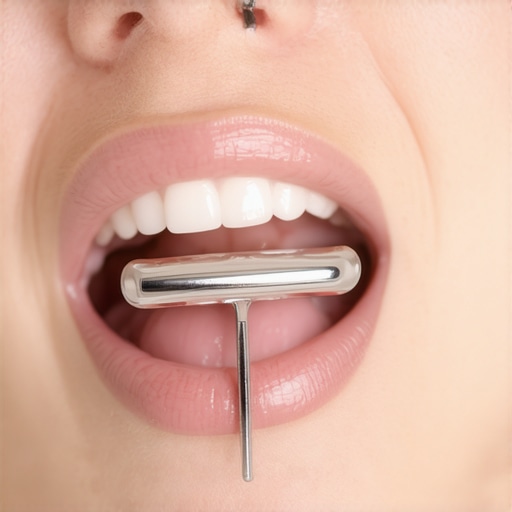
I’ll never forget the morning I nearly lost my breakfast just trying to brush my tongue. There I was, staring at myself in the mirror, face turning a concerning shade of beet-red, tears streaming down my cheeks, all because I wanted to get rid of that stubborn white coating. I thought I was being thorough, but I was actually just punishing myself. If you’ve ever had that panicked, “I’m about to choke” sensation while trying to maintain your oral hygiene, you aren’t alone. It’s one of those silent struggles we don’t talk about enough at the dinner table, yet it affects how we feel about our breath all day long.
The Morning I Finally Gave Up on Brutal Scrubbing
For years, I made the classic mistake of thinking that the harder I gagged, the cleaner my mouth was becoming. It’s a common misconception I see all the time when people look for top oral health tips for your family’s bright smiles. I was essentially waging war on my own throat. I’ve realized since then that my technique was completely wrong. I was holding my breath, tensing my jaw, and shoving a giant toothbrush head into a space it simply didn’t belong. [image_placeholder] The truth is, cleaning your tongue shouldn’t feel like an endurance test. When I finally learned the right way to clean your tongue without triggering your gag reflex, everything changed. No more watering eyes. No more coughing fits. Just a clean, pink tongue and a fresh mouth that stays that way. Today, I’m going to share the exact “neighborly” advice that saved my morning routine, including a few tricks that sound weird but actually work to bypass that sensitive reflex. We’ll get into the specifics of why your brain reacts this way and how a simple change in tools makes all the difference.
Is a Tongue Scraper Actually Worth the Hype?
You might be skeptical about adding another step to your routine. I certainly was. I thought it was just another plastic gadget destined for the junk drawer next to my old retainers and guards. But the science is actually pretty solid. According to a study published by the Journal of Clinical Periodontology, using a tongue scraper is significantly more effective at removing volatile sulfur compounds than a toothbrush alone. It’s not just about the “ick” factor; it’s about managing the bacteria that cause bad breath and even dry mouth symptoms. Early on, I tried to use my regular toothbrush for everything. Big mistake. The bristles are designed for hard enamel, not the soft, bumpy surface of your tongue. Plus, the height of a toothbrush head is exactly what triggers that “foreign object” alarm in your brain. Have you ever felt like your tongue was “trapped” by your own toothbrush? Let me know in the comments if you’ve had a similar “sink-side struggle”—I promise I won’t judge!
Fool Your Brain with the Fist Trick
One of the weirdest but most effective tricks I ever learned involves a bit of neurological misdirection. It sounds like something out of a martial arts movie, but it works. If you tuck your left thumb into your palm and make a tight fist, it can actually suppress your gag reflex. I remember standing in a tiny bathroom at my cousin’s wedding, sweating in a tuxedo, and desperately trying to freshen my breath after a cup of coffee. I was terrified of gagging and ruining my shirt, so I squeezed my thumb like my life depended on it. To my shock, I could reach much further back with my scraper without that familiar surge of panic in my throat. It’s like giving your brain a different sensation to focus on, overriding the ‘alarm’ usually triggered by the scraper.
Pick a Tool That Doesn’t Fight Your Throat
The biggest mistake people make is using their toothbrush. Think of your tongue like a shag carpet; a toothbrush just pushes the dirt deeper into the fibers. A dedicated tongue scraper, especially a low-profile stainless steel one, is more like a squeegee. It’s flat and thin, which is the key to the right way to clean your tongue without triggering your gag reflex. When the tool is thin, it doesn’t hit the roof of your mouth, which is often what actually triggers the gagging sensation rather than the tongue itself. 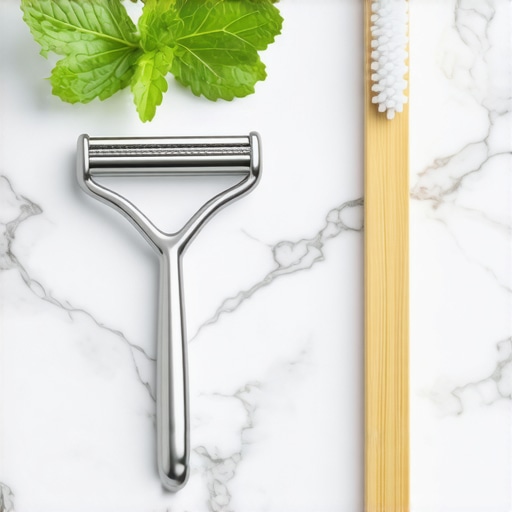
The Exhale Method for a Stress-Free Clean
Most of us hold our breath when we’re nervous or trying to be precise. This is the worst thing you can do for your gag reflex. When you hold your breath, your throat muscles naturally tense up, making them more sensitive to touch. Instead, try to hum or exhale slowly through your nose as you move the scraper. This keeps your airway open and your muscles relaxed. It’s the same logic used in family dentistry secrets maintaining oral health with modern techniques at 254 pm—relaxation is the foundation of any good hygiene habit.
Keep Your Tongue Limp and Relaxed
I used to think that sticking my tongue out as hard as possible and making it stiff would help. In reality, a tensed tongue is a larger target for the gag reflex. Keep your tongue relaxed and let it hang naturally over your bottom lip. Start from the middle and work your way back in tiny increments over several days. You don’t have to reach the ‘uvula’ on day one. If you have restorative work, like a bridge or a crown, you might find that bacteria accumulate differently. Understanding why crowns are a game-changer in restorative dentistry also means realizing they need a clean environment to last.
Don’t Ignore the Rest of the Routine
Cleaning your tongue is just one piece of the puzzle. If you are wearing aligners, for instance, the bacteria on your tongue can quickly transfer to your trays, leading to that unpleasant dry mouth symptoms or a stale smell. This is part of how Invisalign transforms family dentistry in 2025; it emphasizes the need for a total-mouth approach. If your trays are getting cloudy despite your best efforts, you might need a vinegar soak that safely sanitizes your retainers and guards to reset the clock on your oral health. Once you master the scraper, the rest of these habits feel much less like chores and more like a simple morning reset.
Stop Treating Your Gums Like a Dirty Kitchen Floor
While we’re on the subject of being thorough, I have to address a major misconception: the idea that a “clean” mouth requires aggressive scrubbing. Many people assume that if their gums aren’t a little sore, they haven’t done a good enough job. This is exactly how you end up wondering why your gums are receding despite brushing twice a day. In my experience, and backed by research from the American Academy of Periodontology, mechanical trauma from “firm” bristles is a leading cause of gum recession. You aren’t just scrubbing away plaque; you’re scrubbing away your foundation. Have you ever fallen into this trap of thinking harder means better? Let me know in the comments!
Why Your New Crown Might Feel Like It’s Vibrating
It sounds like a ghost story, doesn’t it? But many patients experience a strange sensation where they feel like their restorative work is moving. If you’ve ever wondered why your dental crown feels like it is vibrating, it’s often a sign of a “high” bite. Even a fraction of a millimeter of extra porcelain can cause your jaw muscles to overcompensate, leading to muscle spasms. It’s one of those family dentistry secrets maintaining oral health with modern techniques at 254 pm that most people overlook until they are in actual pain. Thinking a “tall” tooth will just “settle in” or wear down on its own is a common mistake that can lead to long-term TMJ issues. 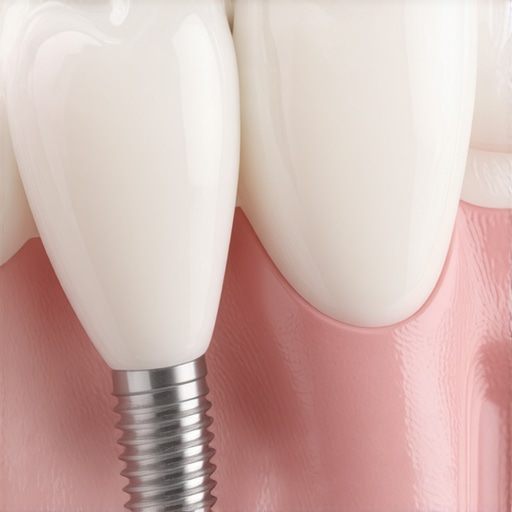
Is it Normal for My Implant to Feel Colder Than My Natural Teeth?
This is a question I get from the most observant patients who have transitioned to restorative implants. Because titanium and zirconia conduct temperature differently than natural pulp and dentin, you might notice the reason your dental implant feels colder than your natural teeth when you’re out in the winter air or sipping a cold beverage. It’s not a sign of failure, but a fascinating quirk of material science. The real “oops” factor here is panicking and assuming the implant is rejecting when it’s actually just a physical property of the material used in why crowns are a game-changer in restorative dentistry.
The Invisalign Trap Most People Ignore
Most people think the biggest challenge with clear aligners is simply remembering to wear them for 22 hours a day. However, the real advanced mistake is neglecting the “micro-environment” under the tray. If you aren’t meticulous about cleaning your tongue and teeth before popping your trays back in, you might find why your mouth feels dry right after using mouthwash because the liquid is getting trapped against your tissues. This is a core part of how Invisalign transforms family dentistry in 2025; it requires a much more sophisticated level of moisture management and bacterial control than traditional braces ever did. Understanding these nuances turns a basic routine into a professional-grade health regimen.Stop flailing your water flosser around like a loose garden hose. I spent six months cleaning my bathroom mirror every morning before I realized the secret is all in the ‘lean.’ You have to hover your mouth directly over the sink and let the water fall vertically. It sounds simple, but mastering the trick to using a water flosser without making a total mess actually makes you more likely to use it every day. Research in the Journal of Clinical Dentistry has shown that this pulsing action is 50% more effective at reducing gingivitis than traditional string floss, especially for those of us with tricky restorative work. If you have a bridge, skip the frustration and learn the specific way to floss under a fixed dental bridge using that pulsating stream; it’s a game changer for longevity.
How can I make my dental work last twenty years or more?
It’s all about the ‘passive’ maintenance phase. When you first get a restoration, there’s a honeymoon period, but long-term success requires choosing the right crown expert advice for long-lasting results. This means checking your bite every six months. I’ve seen beautiful porcelain work fail not because of decay, but because the owner’s bite shifted over time. If you ignore it, you’ll end up reading the ultimate guide to crowns for a healthier smile all over again for a replacement. 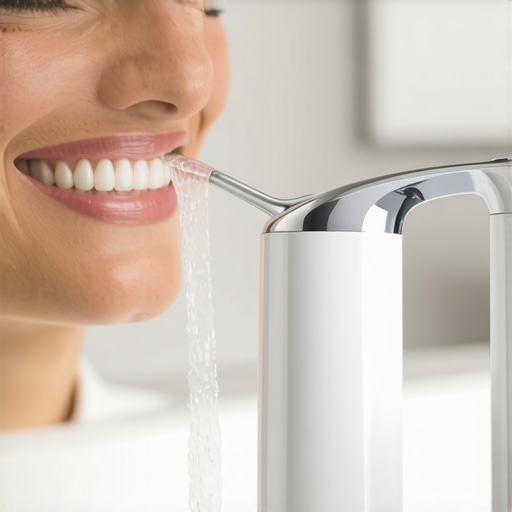 I predict that within the next five years, we’ll see ‘Smart Crowns’ embedded with micro-sensors that can detect pH changes or bacterial spikes before a cavity even forms. This is the logical next step for Invisalign innovations and the future of family dentistry. We are moving away from reactive ‘drilling and filling’ and toward a world of real-time bio-monitoring. Don’t let your investment go to waste. My best advice? Tonight, try the ‘lean and hover’ method with your water flosser. It’s the small, technical tweaks in your daily routine—like knowing family dentistry trends improving oral health for all ages—that keep your smile from becoming a series of expensive emergencies.
Lessons from the Expensive Side of Dental Neglect
For years, I believed that dental health was just about luck and genetics. I was wrong. The biggest shift in my perspective happened when I realized that consistency is the only way to avoid the ‘surprise’ pain that always seems to hit on a Friday evening. One major takeaway is that your gums are far more delicate than you think; switching to a soft-bristled head after learning the truth about soft vs. hard toothbrushes for receding gums saved me from needing painful graft surgery. Another ‘lightbulb moment’ was understanding that dental work isn’t ‘set and forget.’ Whether you have a bridge or a crown, the margin where the restoration meets your natural tooth is the most vulnerable spot in your mouth. If I had known family dentistry secrets maintaining oral health with modern techniques at 254 pm a decade ago, I would have saved myself thousands in replacement costs by simply focusing on that specific boundary line every single morning. [image_placeholder]
My Must-Have Gear for a Perfect Morning
If you’re looking to upgrade your routine, don’t just buy the most expensive electric brush and hope for the best. I personally trust a high-quality stainless steel tongue scraper over plastic ones every time—it’s easier to sanitize and lasts a lifetime. I also highly recommend looking into a water flosser, but only if you actually commit to the trick to using a water flosser without making a total mess; otherwise, it’ll just collect dust under your sink. Finally, keep a small bottle of alcohol-free rinse nearby to manage dry mouth symptoms, especially if you drink a lot of caffeine. These tools aren’t just gadgets; they are the frontline defense for your smile.
Your Health Doesn’t Have to Be a Chore
At the end of the day, taking care of your mouth is an act of self-respect. It’s about being able to laugh in photos without hesitation and eating your favorite foods without fear of a sudden ‘zing.’ We are entering an era where Invisalign innovations and the future of family dentistry are making it easier than ever to maintain a healthy alignment at any age. Don’t wait for a toothache to start caring. Start with that small thumb-tuck trick tonight, or finally try that vertical lean over the sink with your flosser. Your future self will thank you for the lack of dental bills and the abundance of confidence. Have you ever noticed a strange sensation with your dental work that turned out to be a simple fix? Let me know in the comments below!