
The reason your dental implant feels colder than your natural teeth
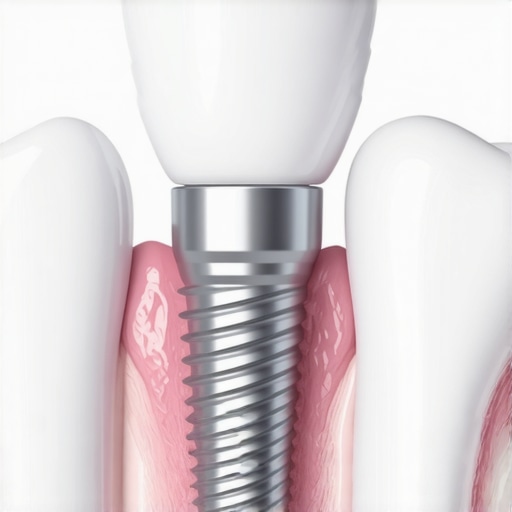
I’ll never forget the first time I realized my mouth had its own internal thermometer. It was about three months after my dental implant surgery, and I was finally feeling brave enough to enjoy a large iced coffee. I took a deep sip, and while my other teeth felt that familiar, fleeting zing, the spot where my new implant sat felt… different. It wasn’t a sharp pain, but a deep, lingering chill that seemed to radiate from within my jawbone. I actually made the mistake of calling my dentist in a panic at 7:00 PM on a Friday, convinced that the metal was failing or that my jaw was literally freezing from the inside out. It turns out, I was just experiencing the reality of living with a high-tech prosthetic. If you have ever felt that weird, localized shiver and wondered if your new smile is acting up, you are not alone. Today, I want to pull back the curtain on why this happens and help you distinguish between a normal thermal reaction and a reason to worry. We are going to dive into the physics of your mouth and why your new addition reacts differently to a milkshake than your organic teeth do. Have you ever felt a strange sensation in your implant that made you double-check the mirror? Drop a comment and let me know, because we’ve all been there.
That Strange Chill Beneath Your Gums
When I first started my journey into restorative dentistry, I didn’t realize that titanium and ceramic have very different personalities than enamel and dentin. Your natural teeth are actually incredible insulators; they have a complex internal structure designed to protect the nerve from sudden temperature swings. However, once you replace that organic root with a metal post, the rules of the game change entirely. Understanding why your dental implant feels different than a natural tooth when you bite or drink cold liquids is the first step toward peace of mind. In my early days post-surgery, I wasted hours scouring the web for the specific sign your dental implant is rejecting, only to find out that my ‘cold tooth’ was simply doing what metal does: conducting heat.
Is This Cold Sensation a Sign My Body Is Rejecting the Metal?
This is the big fear, right? We assume that any ‘wrong’ feeling must mean the body is fighting the foreign object. But here is the fascinating part: titanium is a prolific thermal conductor. According to studies in dental biomaterials, titanium transfers thermal energy much more efficiently than human bone or tooth structure. When you drink something icy, the metal post absorbs that cold quickly and passes it along to the sensitive tissue and bone surrounding it. It is a similar sensation to why your teeth feel sensitive to cold air during the winter months, but it feels deeper because the implant is literally integrated into your skeletal structure. While it might feel like the real reason your implant area throbs is a problem with the fit, it is usually just your nerves reacting to a temperature drop they aren’t used to. I’ve learned that as long as there is no sharp pain or swelling, that ‘ice cube’ feeling is just physics at work, setting the stage for how we manage our habits moving forward.
Manage the Metal Shiver with These Simple Tactics
Instead of just living with the discomfort, you can actively troubleshoot the sensation to ensure everything is mechanically sound. Dealing with a cold-sensitive implant requires a shift in how you consume beverages and how you monitor your hardware.
Run a Personal Diagnostic with the Sip Test
Before you call the dentist in a panic, try a controlled test at home. Take a small sip of room-temperature water, then follow it with a slightly chilled one. If the sensation only happens with the cold and disappears the second you stop drinking, it is likely just the metal post conducting temperature. Using the sip test to determine if your tooth sensitivity is nerve-related helps you rule out issues with neighboring natural teeth. Natural teeth often have a sharper, electric-like sting, whereas an implant feels like a dull, cold weight radiating from the jaw. This distinction is vital because a ‘cold’ feeling in a natural tooth might indicate a need for the ultimate guide to crowns for a healthier smile to protect a vulnerable nerve. 
Master the Art of Thermal Pacing
I had to learn this the hard way during a summer trip to the coast when I dived into a frozen lemonade and nearly jumped out of my seat. I started practicing what I call ‘thermal pacing.’ Instead of letting the cold liquid hit the restoration directly, I would use my tongue as a temporary shield against the back of the implant. This acts like a buffer, much like how why crowns are a game changer in restorative dentistry by protecting the internal structure of a tooth. It sounds simple, but creating a momentary physical barrier gives the titanium a second to adjust without that sudden thermal shock.
Ensure Your Crown Is Properly Seated
Sometimes, the ‘cold’ sensation is not actually the implant post, but the way the crown sits on top of it. If your crown has a micro-gap or is slightly loose, fluid can seep into areas it should not reach. You should periodically check the fit yourself. I use a gentle pressure technique to make sure my restoration has not loosened over time. Learning the click test to tell if your implant crown is properly seated can save you a lot of anxiety and prevent future complications. If the crown feels ‘high’ or moves even a fraction of a millimeter, that could be why you are feeling more than just temperature. This is especially true if you have noticed why your new zirconia crown feels taller than your other teeth, as an uneven bite can stress the implant and make it more sensitive to everything, including cold.
Commit to Modern Hygiene Habits
To keep that titanium-to-bone bond healthy, your cleaning routine has to be top-tier. I found that switching to techniques discussed in family dentistry secrets for maintaining oral health with modern techniques helped reduce the minor inflammation that often makes temperature sensitivity feel worse. Healthy gums provide a better seal around the implant, acting as a natural insulator. If your gums are recessed or thin, you lose that ‘blanket’ of protection over the metal. Following top oral health tips for your family’s bright smiles ensures that the soft tissue remains thick and resilient, which is the secret to making your dental implants last for the rest of your life.Most people think that once they get a crown, that tooth is officially safe from the drill forever. It is a comforting thought, but it is actually a dangerous misconception. In reality, the margin—the tiny line where the porcelain meets your natural gum line—becomes the new ‘hot zone’ for plaque. I have seen patients who focus so much on the porcelain surface that they neglect the base, leading to decay right under the restoration. Choosing the right crown and expert advice for long-lasting results means realizing that your hygiene routine needs to become more precise, not less. Have you ever fallen into this trap of thinking a crown was invincible? Let me know in the comments.
Your new crown is not a suit of armor
While the materials we use today are incredibly tough, the tooth underneath is still biological tissue. One of the biggest ‘oops’ factors I see involves patients switching to trendy whitening methods like charcoal. Please, avoid this at all costs. The truth about charcoal toothpaste and its effect on your enamel is that it acts like sandpaper. It can microscopically scratch the glaze on your crown, making it look dull and, ironically, more prone to staining. If you want a brighter look, the real difference between professional and store-bought whitening kits is the safety profile for your existing dental work. 
Can a crown that looks perfect actually be failing from the inside?
This is the advanced question that keeps many patients up at night. Standard 2D X-rays are great, but they have limitations. A study published in the Journal of Prosthodontic Research highlights that while zirconia and ceramic are durable, the integrity of the internal cement bond is the true predictor of longevity. If that bond fails, a micro-leakage occurs. This is how to tell if your dental crown has a micro-crack you cannot see before it becomes a major problem. For high-stakes cases, I always recommend looking into what a 3D CBCT scan reveals that standard X-rays miss entirely, as it provides a 360-degree view of the restoration’s foundation.
Why Invisalign is more than just a cosmetic upgrade
We often talk about clear aligners as a way to fix a ‘crooked’ smile, but the true expertise lies in understanding the functional benefits. When your teeth are misaligned, they create ‘food traps’ and uneven wear patterns that even the best crown cannot fix. Many patients debate crowns vs veneers which is better for your smile, but sometimes the best answer is actually orthodontic alignment first. By exploring Invisalign myths debunked, you will see that straight teeth are much easier to keep clean, reducing the risk of gum disease. This is one of the hidden benefits of Invisalign for family dental care in 2025 that goes far beyond just getting a better selfie. It is about building a foundation where your natural teeth and your restorations can coexist without constant mechanical stress.I’ve realized that the real work of restorative dentistry actually starts the day you leave the clinic chair. If you think your crown or Invisalign aligner is a ‘set it and forget it’ tool, you are inadvertently setting yourself up for a very costly redo. Most of us treat our dental work like a finished project, but it is more like a high-performance engine that requires constant tuning. In my personal journey, I’ve found that the mechanical longevity of these upgrades depends entirely on the tools you use daily. For example, if you are currently using clear aligners, you cannot skip the ‘seating’ phase. I remember my own frustration when a tray simply wouldn’t ‘click’ into place despite my best efforts. Learning how to seat stubborn Invisalign trays using the munchie technique changed everything for me. It ensures the plastic is engaging the attachments with the exact force required to trigger bone remodeling. This isn’t just about comfort; a clinical study published in the Journal of Dentistry (Vol 131) highlights that the surface integrity of CAD/CAM ceramics and the precision of aligner fit are directly impacted by how we manage mechanical forces and hygiene habits at home. If you aren’t seating those trays properly, you are essentially wearing an expensive mouthguard that isn’t actually moving your teeth.
How do I keep my restorations from failing ten years early?
The answer lies in precision, not just effort. For those with permanent hardware like crowns or bridges, I often hear patients complain about why your gums feel like they are vibrating after a cleaning session. Usually, this isn’t a sign of the restoration failing, but rather an indication that your water flosser pressure is set too high for the delicate tissue around the base of the implant. Dialing back the intensity is key to preserving the ‘biologic width’ or the seal between your gum and the crown. 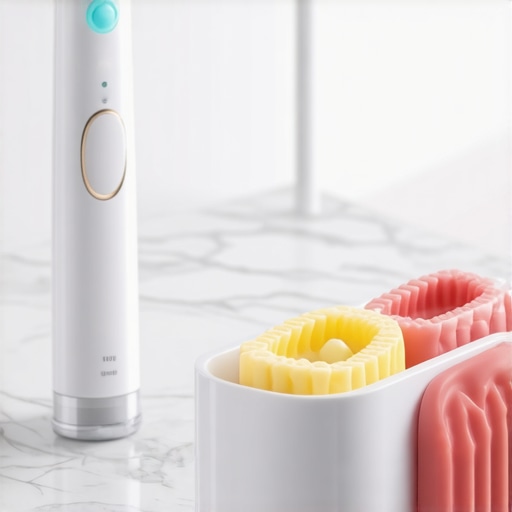
The gear that actually keeps your smile in place
To keep your current gear fresh, forget the chemical-heavy cleaners that can degrade medical-grade plastics over time. I’ve found that using the vinegar soak that safely sanitizes your retainers and guards is far gentler on the materials and significantly better for your wallet. Protecting your investment is the secret to making your dental implants last for the rest of your life, and it starts with the items in your bathroom cabinet. Looking ahead, I anticipate that family dentistry trends improving oral health for all ages will soon include AI-powered smartphone cameras that scan your restorations at home to detect micro-cracks before they are even visible to the human eye. This proactive approach is the same reason why knowing the move to fix a loose wire on your permanent retainer at home is so valuable; it empowers you to manage the small stuff before it becomes an emergency. **My top tip for today: Try using your seating ‘munchie’ for a solid three minutes tonight before you go to sleep to maximize the tracking of your aligners and speed up your results.**
The Life Lessons My Smile Taught Me About Resilience
Reflecting on my dental journey, I have realized that the transition to modern restorations is as much mental as it is physical. Here are the lightbulb moments that changed my perspective:
- The ‘new’ feeling is temporary. It is incredibly normal to question why your dental crown feels cold for weeks after it was placed. Your body is simply learning to communicate with a new material, and that sensitivity usually fades as you adapt.
- Precision beats force. Whether it is seating an aligner or flossing around a bridge, being gentle and precise is far more effective than being aggressive.
- Confidence is the best side effect. Once the initial adjustment period ends, you realize that how crowns boost oral health confidence goes beyond just aesthetics—it is about the freedom to eat and speak without worry.
How I Keep My Oral Gear in Peak Condition
Maintaining high-tech dental work requires a few specialized tools. Here is what I keep in my medicine cabinet to ensure my results last:
- The Vinegar Soak: This is my favorite budget-friendly hack. It is the best way to ensure you know how to keep your invisalign trays from turning yellow over time without using harsh chemicals that might degrade the medical-grade plastic.
- Silicone Munchies: If you are currently debating invisalign vs braces which solution fits your lifestyle, remember that aligners require active seating to work properly. These small tools are essential for consistent tooth movement.
- A Trusted Information Source: Always stay informed about family dentistry trends improving oral health for all ages so you can ask your provider about the latest protective coatings or scanning technologies during your next checkup.
Your Future Smile Deserves This Kind of Care
Your dental work is more than just a quick repair; it is a long-term investment in your daily comfort and health. Don’t be afraid to ask questions or take those extra three minutes at night to ensure every restoration is clean and seated. By staying proactive and observant, you turn a clinical procedure into a lifetime of smiles. What was the most surprising sensation you noticed in the first month after your dental work? Let me know in the comments below!