
The reason your mouth tastes like blood after flossing
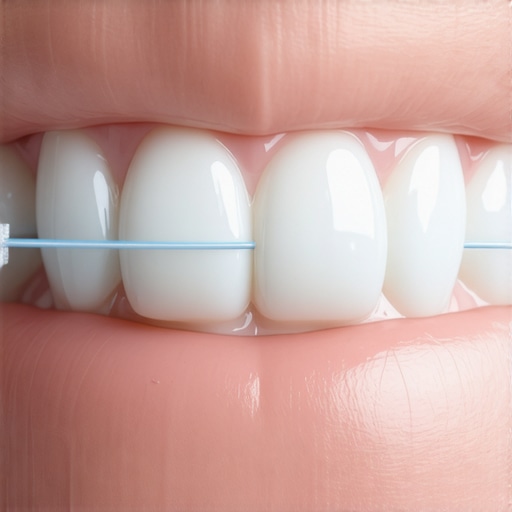
I still remember the exact moment I realized my nightly routine had turned into a scene from a horror flick. I was standing in front of my bathroom mirror, humming a tune, and running a fresh piece of dental floss between my molars. When I spat into the sink, the water didn’t run clear—it was a bright, metallic pink. Worse than the sight was that unmistakable, heavy copper tang coating my tongue. For a long time, I made a massive mistake: I assumed that because it tasted like blood, I should just stop flossing that area altogether. I thought I was protecting my sensitive gums. In reality, I was practically inviting bacteria to set up a permanent camp right under my gumline.
The Metallic Wake-Up Call You Can’t Ignore
Experiencing that distinct penny-like taste right after you clean between your teeth is a classic warning sign that your body is trying to send you. It is a signal that your oral tissues are actively fighting off an infection. When we let plaque build up, our gums become inflamed, engorged with blood, and incredibly fragile. The slightest touch of a string or an brush can cause them to leak. Today, we are going to unpack exactly why this happens, how to tell if you are dealing with a temporary slip-up or a deeper issue, and the exact steps you can take to stop the bleeding for good without abandoning your routine.
Is This Metallic Taste Actually a Sign of Serious Damage?
It is easy to panic and wonder if your teeth are about to loosen or if you have permanently ruined your smile. Many people worry that the metallic taste means they are scrubbing away their actual gum tissue. However, in most cases, it is simply early-stage gingivitis. Our mouth is a busy ecosystem, and when food particles linger, they irritate the delicate tissues. This is especially true if you are wearing dental appliances; for instance, learning how to keep your breath fresh while wearing invisalign trays all day requires extra diligence because trapped bacteria can accelerate gum sensitivity. According to the American Academy of Periodontology, nearly half of American adults over thirty have some form of periodontal disease, which often starts with this exact bloody taste during cleaning. The good news is that early inflammation is entirely reversible.
Why Your Gums Bleed Only When You Clean Them
Think of your gums like a tight collar around your teeth. When healthy, they are firm, pink, and snugly attached. When plaque accumulates, that collar becomes loose, red, and swollen. The moment you slide floss into that space, you disrupt the swollen blood vessels. This reaction is even more common if you have recently changed your routine. For example, many people notice the reason your gums bleed only when you use an electric toothbrush is the sudden transition to a more powerful, effective cleaning method that their gums aren’t quite used to yet. If you have recently invested in restorative work, you might also find the reason your crown smells bad when you floss around it is linked to plaque trapment, which simultaneously triggers bleeding and bad odors. Have you ever experienced that sudden, metallic tang after cleaning your teeth, and did it make you want to put the floss away for good? If so, you are definitely not alone, but stopping is the worst thing you can do.
Step-by-Step System to Stop the Bleeding and Eliminate the Metallic Taste
When I first encountered that metallic copper taste in my mouth, my instinct was to retreat and stop cleaning that tender zone. That was a critical mistake. To fix the issue, you must run toward the problem, not away from it. Think of your inflamed gums like a bruised muscle: it requires targeted, gentle therapy to heal, not complete immobilization. If you ignore the area, plaque hardens into tartar, which only a professional can scrape away. Here is the exact clinical approach to reclaim your oral health.
Master the C-Shape Flossing Technique
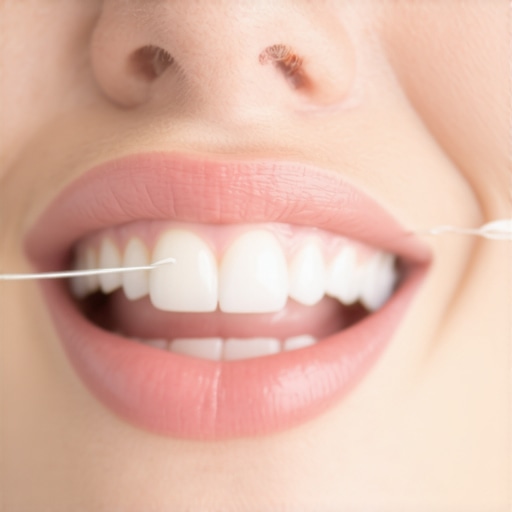
Most people snap the floss straight down between their teeth like a guillotine. This aggressive motion slices into the delicate papilla—the pink triangle of gum tissue—causing immediate bleeding and a rush of that copper flavor. Instead, you need to wrap the floss around the tooth. I remember the day I switched to the C-shape method; my gums screamed for a day or two, but then the bleeding abruptly stopped. Hug the side of the tooth and gently slide the floss beneath the gumline, moving it up and down. If your teeth are crowded, it can be incredibly frustrating to slide the thread in without snapping it. Learning the best strategy for flossing when your teeth are tightly crowded will save you from slicing your tissues and triggering that metallic taste.
Switch to a Targeted Oral Rinse
Immediately after cleaning, your gums are vulnerable. Rather than using harsh, alcohol-based mouthwashes that dehydrate your mouth and delay tissue healing, opt for a warm salt-water rinse or a therapeutic, alcohol-free antimicrobial rinse. When your mouth dries out, bacteria thrive, which actually worsens gum irritation. If you have ever used a standard mouthwash and felt an intense, painful burning sensation, you might want to learn why your mouth feels like it is burning after using mouthwash to find a gentler alternative that supports tissue healing rather than destroying it.
Decongest Your Dental Restorations and Aligners
If you wear orthodontic aligners or have dental crowns, bacteria have extra microscopic ridges to hide under. This makes your daily cleaning routine even more critical. When plaque accumulates under these structures, it triggers local inflammation that bleeds the second you brush or floss. If you are managing your family’s oral health, keeping up with modern dental solutions is key. You can explore how advanced aligners protect oral health in the hidden benefits of invisalign for family dental care in 2025 at 903 am. Furthermore, implementing modern preventive strategies as outlined in family dentistry secrets maintaining oral health with modern techniques at 254 pm will help prevent localized gum bleeding around crowns, bridges, and aligners.
Stay Consistent for Exactly Seven Days
The metallic taste will not vanish overnight. When I committed to resolving my gum inflammation, the first three days were messy. The sink looked pink every single night. However, by day five, the bleeding subsided to a tiny speck. By day seven, the copper taste was entirely gone, and my gums felt firm and tight again. This recovery timeline is standard for early gingivitis. If you stay consistent for a week and still experience heavy bleeding or a constant metallic tang, it is time to schedule a visit with your dentist to ensure there is no underlying infection or deep-seated tartar that needs professional scaling.
When we talk about long-term dental care, most people fall into a dangerous comfort zone. They assume that if they brush twice a day and run some thread between their teeth, they are doing everything right. But there is a massive, hidden nuance to oral health that even the most dedicated brushers overlook. Many people believe that bleeding gums or a sudden metallic taste is simply a sign that they need to scrub harder. In my experience, this hyper-aggressive approach actually destroys the delicate attachment fibers connecting your gums to your teeth, accelerating recession and exposing vulnerable root surfaces to decay.
Why Does Your New Dental Work Still Trigger a Copper Taste?
If you have recently invested in restorative treatments, you might be surprised to experience that metallic, bloody sensation precisely around your new hardware. A common myth is that modern materials are completely inert and immune to plaque. While the ceramic or porcelain itself won’t decay, the microscopic margins where the restoration meets your natural tooth structure are prime real estate for bacterial colonization. For instance, if you do not master the physical angle of your cleaning tools, you might find the reason your crown smells bad when you floss around it is directly tied to micro-leakage and localized gum inflammation. A study published in the Journal of Prosthodontic Research highlights that plaque accumulation at the gingival margin of crowns is the leading cause of localized periodontal breakdown. Choosing high-quality restorations and maintaining them with professional oversight is critical, which is why reviewing choosing the right crown expert advice for long lasting results can save you from chronic, localized bleeding and structural failure down the road.

The same trap applies to modern clear aligners. Many patients think aligners protect their teeth from the friction of brushing, but wearing them actually seals in microscopic bacteria against your gums for 22 hours a day. This is why exploring invisalign myths debunked what you need to know today is so eye-opening for families. If you do not clean the biological film off your aligners, your gums will remain in a state of constant, low-grade inflammation, bleeding the moment you take the trays out to eat. To prevent this, you must learn how to clean the gunk out of your invisalign aligners using non-abrasive methods that protect both the plastic and your delicate oral tissues.
The Traps of Over-Sterilizing Your Mouth
Another sophisticated mistake is trying to “sterilize” the bleeding away. When people experience that metallic taste, they often resort to clinical-strength mouthwashes, pouring harsh chemicals onto open, bleeding tissue. This is a massive mistake. Over-using alcohol-based rinses strips your natural oral microbiome, dries out your mucosal lining, and actually delays the healing of the fragile capillaries. Instead of healing the tissue, you end up with chronic irritation. If you are trying to keep your family’s smiles healthy, you should focus on supporting the natural defense systems of the mouth. Integrating protective, modern habits as discussed in family dentistry secrets maintaining oral health with modern techniques at 254 pm will yield far better results than aggressive chemical sterilization. Have you ever fallen into this trap of over-cleaning or scrubbing too hard to get rid of a bad taste? Let me know in the comments below!
Maintaining that healthy, pink gumline after you have successfully eliminated the copper taste requires shifting from a damage-control mindset to a long-term preservation strategy. When I stabilized my own gums, I realized that relying on cheap, manual pharmacy tools was keeping me on a constant pendulum of inflammation and healing. To protect your smile, your children’s teeth, and any expensive restorative dental work, you must upgrade your physical toolkit with professional-grade gear. The tools you choose determine how clean those hard-to-reach pockets stay over years, not just weeks.
How Do I Maintain My Gums and Restorations Over Time?
The secret is consistency backed by targeted technology. Personally, I abandoned standard string floss for daily maintenance and upgraded to an adjustable-pressure oral irrigator. I use a high-end water flosser because it is the only device that physically flushes out the micro-gaps under crowns without shredding the tissue. If you want to keep your family’s oral hygiene sharp, utilizing structured advice like the top oral health tips for your familys bright smiles will build a foundation that prevents relapse. I also recommend transitioning to a smart electric toothbrush with an integrated pressure sensor. If you push too hard, the brush alerts you, protecting the delicate tissue boundary. This is highly effective at preventing recession, which is why family dentistry trends improving oral health for all ages heavily emphasize shifting away from manual scrubbing toward modern, self-limiting sonic brushes.

As we look to the future, dental maintenance is moving toward personalized diagnostics. I predict we will soon see smart aligner cases and home saliva-test kits that monitor your oral pH and bacterial balance in real-time. This level of insight will make maintaining complex treatments easy. For families utilizing modern orthodontics, tracking these advancements through resources like invisalign innovations the future of family dentistry revealed at 1137 am ensures your routine stays ahead of the curve. If you want to keep your smile intact, my challenge to you is simple: stop snapping that cheap floss into your gums tonight. Try the gentle, C-shape wrapping method or invest in a pressure-sensitive sonic brush. If you have been struggling to keep your restorative work pristine, check out our guide on the ultimate guide to crowns for a healthier smile to learn how to clean around them without causing wear.
I still remember the exact moment I realized my nightly routine had turned into a scene from a horror flick. I was standing in front of my bathroom mirror, humming a tune, and running a fresh piece of dental floss between my molars. When I spat into the sink, the water didn’t run clear—it was a bright, metallic pink. Worse than the sight was that unmistakable, heavy copper tang coating my tongue. For a long time, I made a massive mistake: I assumed that because it tasted like blood, I should just stop flossing that area altogether. I thought I was protecting my sensitive gums. In reality, I was practically inviting bacteria to set up a permanent camp right under my gumline.
The Metallic Wake-Up Call You Can’t Ignore
Experiencing that distinct penny-like taste right after you clean between your teeth is a classic warning sign that your body is trying to send you. It is a signal that your oral tissues are actively fighting off an infection. When we let plaque build up, our gums become inflamed, engorged with blood, and incredibly fragile. The slightest touch of a string or an brush can cause them to leak. Today, we are going to unpack exactly why this happens, how to tell if you are dealing with a temporary slip-up or a deeper issue, and the exact steps you can take to stop the bleeding for good without abandoning your routine.
Is This Metallic Taste Actually a Sign of Serious Damage?
It is easy to panic and wonder if your teeth are about to loosen or if you have permanently ruined your smile. Many people worry that the metallic taste means they are scrubbing away their actual gum tissue. However, in most cases, it is simply early-stage gingivitis. Our mouth is a busy ecosystem, and when food particles linger, they irritate the delicate tissues. This is especially true if you are wearing dental appliances; for instance, learning how to keep your breath fresh while wearing invisalign trays all day requires extra diligence because trapped bacteria can accelerate gum sensitivity. According to the American Academy of Periodontology, nearly half of American adults over thirty have some form of periodontal disease, which often starts with this exact bloody taste during cleaning. The good news is that early inflammation is entirely reversible.
Why Your Gums Bleed Only When You Clean Them
Think of your gums like a tight collar around your teeth. When healthy, they are firm, pink, and snugly attached. When plaque accumulates, that collar becomes loose, red, and swollen. The moment you slide floss into that space, you disrupt the swollen blood vessels. This reaction is even more common if you have recently changed your routine. For example, many people notice the reason your gums bleed only when you use an electric toothbrush is the sudden transition to a more powerful, effective cleaning method that their gums aren’t quite used to yet. If you have recently invested in restorative work, you might also find the reason your crown smells bad when you floss around it is linked to plaque trapment, which simultaneously triggers bleeding and bad odors. Have you ever experienced that sudden, metallic tang after cleaning your teeth, and did it make you want to put the floss away for good? If so, you are definitely not alone, but stopping is the worst thing you can do.
Step-by-Step System to Stop the Bleeding and Eliminate the Metallic Taste
When I first encountered that metallic copper taste in my mouth, my instinct was to retreat and stop cleaning that tender zone. That was a critical mistake. To fix the issue, you must run toward the problem, not away from it. Think of your inflamed gums like a bruised muscle: it requires targeted, gentle therapy to heal, not complete immobilization. If you ignore the area, plaque hardens into tartar, which only a professional can scrape away. Here is the exact clinical approach to reclaim your oral health.
Master the C-Shape Flossing Technique
Most people snap the floss straight down between their teeth like a guillotine. This aggressive motion slices into the delicate papilla—the pink triangle of gum tissue—causing immediate bleeding and a rush of that copper flavor. Instead, you need to wrap the floss around the tooth. I remember the day I switched to the C-shape method; my gums screamed for a day or two, but then the bleeding abruptly stopped. Hug the side of the tooth and gently slide the floss beneath the gumline, moving it up and down. If your teeth are crowded, it can be incredibly frustrating to slide the thread in without snapping it. Learning the best strategy for flossing when your teeth are tightly crowded will save you from slicing your tissues and triggering that metallic taste.
Switch to a Targeted Oral Rinse
Immediately after cleaning, your gums are vulnerable. Rather than using harsh, alcohol-based mouthwashes that dehydrate your mouth and delay tissue healing, opt for a warm salt-water rinse or a therapeutic, alcohol-free antimicrobial rinse. When your mouth dries out, bacteria thrive, which actually worsens gum irritation. If you have ever used a standard mouthwash and felt an intense, painful burning sensation, you might want to learn why your mouth feels like it is burning after using mouthwash to find a gentler alternative that supports tissue healing rather than destroying it.
Decongest Your Dental Restorations and Aligners
If you wear orthodontic aligners or have dental crowns, bacteria have extra microscopic ridges to hide under. This makes your daily cleaning routine even more critical. When plaque accumulates under these structures, it triggers local inflammation that bleeds the second you brush or floss. If you are managing your family’s oral health, keeping up with modern dental solutions is key. You can explore how advanced aligners protect oral health in the hidden benefits of invisalign for family dental care in 2025 at 903 am. Furthermore, implementing modern preventive strategies as outlined in family dentistry secrets maintaining oral health with modern techniques at 254 pm will help prevent localized gum bleeding around crowns, bridges, and aligners.
Stay Consistent for Exactly Seven Days
The metallic taste will not vanish overnight. When I committed to resolving my gum inflammation, the first three days were messy. The sink looked pink every single night. However, by day five, the bleeding subsided to a tiny speck. By day seven, the copper taste was entirely gone, and my gums felt firm and tight again. This recovery timeline is standard for early gingivitis. If you stay consistent for a week and still experience heavy bleeding or a constant metallic tang, it is time to schedule a visit with your dentist to ensure there is no underlying infection or deep-seated tartar that needs professional scaling.
When we talk about long-term dental care, most people fall into a dangerous comfort zone. They assume that if they brush twice a day and run some thread between their teeth, they are doing everything right. But there is a massive, hidden nuance to oral health that even the most dedicated brushers overlook. Many people believe that bleeding gums or a sudden metallic taste is simply a sign that they need to scrub harder. In my experience, this hyper-aggressive approach actually destroys the delicate attachment fibers connecting your gums to your teeth, accelerating recession and exposing vulnerable root surfaces to decay.
Why Does Your New Dental Work Still Trigger a Copper Taste?
If you have recently invested in restorative treatments, you might be surprised to experience that metallic, bloody sensation precisely around your new hardware. A common myth is that modern materials are completely inert and immune to plaque. While the ceramic or porcelain itself won’t decay, the microscopic margins where the restoration meets your natural tooth structure are prime real estate for bacterial colonization. For instance, if you do not master the physical angle of your cleaning tools, you might find the reason your crown smells bad when you floss around it is directly tied to micro-leakage and localized gum inflammation. A study published in the Journal of Prosthodontic Research highlights that plaque accumulation at the gingival margin of crowns is the leading cause of localized periodontal breakdown. Choosing high-quality restorations and maintaining them with professional oversight is critical, which is why reviewing choosing the right crown expert advice for long lasting results can save you from chronic, localized bleeding and structural failure down the road.
The same trap applies to modern clear aligners. Many patients think aligners protect their teeth from the friction of brushing, but wearing them actually seals in microscopic bacteria against your gums for 22 hours a day. This is why exploring invisalign myths debunked what you need to know today is so eye-opening for families. If you do not clean the biological film off your aligners, your gums will remain in a state of constant, low-grade inflammation, bleeding the moment you take the trays out to eat. To prevent this, you must learn how to clean the gunk out of your invisalign aligners using non-abrasive methods that protect both the plastic and your delicate oral tissues.
The Traps of Over-Sterilizing Your Mouth
Another sophisticated mistake is trying to “sterilize” the bleeding away. When people experience that metallic taste, they often resort to clinical-strength mouthwashes, pouring harsh chemicals onto open, bleeding tissue. This is a massive mistake. Over-using alcohol-based rinses strips your natural oral microbiome, dries out your mucosal lining, and actually delays the healing of the fragile capillaries. Instead of healing the tissue, you end up with chronic irritation. If you are trying to keep your family’s smiles healthy, you should focus on supporting the natural defense systems of the mouth. Integrating protective, modern habits as discussed in family dentistry secrets maintaining oral health with modern techniques at 254 pm will yield far better results than aggressive chemical sterilization. Have you ever fallen into this trap of over-cleaning or scrubbing too hard to get rid of a bad taste? Let me know in the comments below!
Maintaining that healthy, pink gumline after you have successfully eliminated the copper taste requires shifting from a damage-control mindset to a long-term preservation strategy. When I stabilized my own gums, I realized that relying on cheap, manual pharmacy tools was keeping me on a constant pendulum of inflammation and healing. To protect your smile, your children’s teeth, and any expensive restorative dental work, you must upgrade your physical toolkit with professional-grade gear. The tools you choose determine how clean those hard-to-reach pockets stay over years, not just weeks.
How Do I Maintain My Gums and Restorations Over Time?
The secret is consistency backed by targeted technology. Personally, I abandoned standard string floss for daily maintenance and upgraded to an adjustable-pressure oral irrigator. I use a high-end water flosser because it is the only device that physically flushes out the micro-gaps under crowns without shredding the tissue. If you want to keep your family’s oral hygiene sharp, utilizing structured advice like the top oral health tips for your familys bright smiles will build a foundation that prevents relapse. I also recommend transitioning to a smart electric toothbrush with an integrated pressure sensor. If you push too hard, the brush alerts you, protecting the delicate tissue boundary. This is highly effective at preventing recession, which is why family dentistry trends improving oral health for all ages heavily emphasize shifting away from manual scrubbing toward modern, self-limiting sonic brushes.
As we look to the future, dental maintenance is moving toward personalized diagnostics. I predict we will soon see smart aligner cases and home saliva-test kits that monitor your oral pH and bacterial balance in real-time. This level of insight will make maintaining complex treatments easy. For families utilizing modern orthodontics, tracking these advancements through resources like invisalign innovations the future of family dentistry revealed at 1137 am ensures your routine stays ahead of the curve. If you want to keep your smile intact, my challenge to you is simple: stop snapping that cheap floss into your gums tonight. Try the gentle, C-shape wrapping method or invest in a pressure-sensitive sonic brush. If you have been struggling to keep your restorative work pristine, check out our guide on the ultimate guide to crowns for a healthier smile to learn how to clean around them without causing wear.
Crucial Lessons My Bleeding Gums Taught Me About True Restorative Care
Looking back on my struggle with that chronic metallic taste, I realized that my bleeding gums were a blessing in disguise. Here are the core insights that completely reframed how I treat my mouth:
- Bleeding is a call for thorough cleaning, not a red light to stop. Avoiding the areas that bleed only gives bacteria a license to multiply and destroy the deeper bone structures.
- Your gums are living tissues, not kitchen countertops. Scrubbing harder or using burning chemical washes strips your defensive barrier, making your oral tissue much more prone to bleeding.
- Dental restorations demand custom physical techniques. You cannot clean a crown, bridge, or aligner margin the exact same way you brush flat enamel without causing localized trauma.
The Essential Toolkit to Keep Your Breath Fresh and Gums Tight
Here are the specific tools I swear by to maintain a perfectly clean mouth without ever tasting copper again:
- An adjustable-pressure water irrigator. This is the single best way to clear out food debris from dental margins gently. It gets where physical floss simply cannot touch.
- A pressure-sensitive sonic toothbrush. This tool does the micro-movements for you, taking human aggression completely out of the equation.
- An alcohol-free, zinc-fortified oral rinse. This formulation supports tissue hydration and helps soothe irritated capillaries naturally.
Step Bravely Into a Healthier Routine
Your oral health is a vital, dynamic reflection of how well you protect your body’s entry points. Do not let a little pink in the sink terrify you into neglecting your mouth. Take charge of your routine with gentle, modern techniques, protect your restorations, and embrace a healthier lifestyle. Your gums will thank you with every fresh breath. Have you ever struggled with a metallic taste when cleaning around your crowns or aligners? Let me know below!