
The Pressure Test: Why Your Crown Hurts Only When You Eat Hard Foods
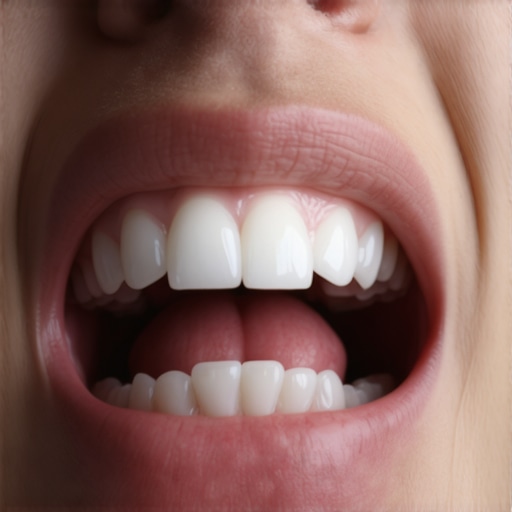
I remember the moment clearly—biting into a crispy apple, expecting the usual satisfying crunch, only to be met with a sudden, sharp jolt of pain around my dental crown. That unexpected discomfort was a lightbulb moment for me. It wasn’t just a random ache; it was a sign that something needed my attention. And honestly, I’ve learned that if this has happened to you, you’re not alone. Many folks experience this peculiar pain, and it’s often misunderstood.
Uncovering the Mystery Behind Crown Pain During Hard Foods
For years, I thought my crown was just a sturdy, no-fuss fix—until I started experiencing pain specifically when I chewed on hard foods. This pattern really bugged me, and I knew I had to get to the bottom of it. The truth is, dental crowns are designed to restore damaged teeth, but they aren’t immune to issues. When a crown causes discomfort only during certain bites, it’s often a sign that the fit isn’t perfect or that the underlying tooth structure has shifted or become sensitive.
Early on, I made the mistake of ignoring these signals. I thought, “Maybe it’s just temporary, or I’m imagining it.” But ignoring the pain only made things worse. According to a study published in the Journal of Prosthetic Dentistry, a poorly fitting crown can lead to increased sensitivity, discomfort, and even further decay if left untreated. That’s a reminder that paying attention to your body’s signals is crucial. Don’t make the same mistake I did—trust your instincts and seek professional advice when something feels off.
Is Your Crown Pain Worth the Fuss?
Many people are skeptical—”Is this really something worth worrying about?”—and I get it. After all, crowns are pretty robust, right? But the reality is, minor issues can snowball into major problems if neglected. Think about it: a simple misfit or tiny crack can cause pain only when biting hard, because the crown isn’t distributing pressure evenly. If you’ve faced this, you know how disconcerting it is to bite into a hard snack and feel that jarring jolt.
In my early days, I also made the mistake of assuming discomfort was normal after getting a crown. Turns out, many overlook this. Studies indicate that up to 45% of crown failures are due to improper fit and overlooked symptoms, which could lead to more invasive procedures down the line.
Now, I want to help you cut through the confusion and get straight to solutions. In the next sections, we’ll explore why your crown hurts during those tricky bites and, more importantly, how to fix it. If you’ve experienced this frustrating problem, I invite you to keep reading—help is on the way, and with some simple steps, you can restore comfort and confidence in your smile.
Assess and Identify the Issue
Start by carefully inspecting your crown and bite. I recall a time when I noticed my crown felt a bit higher on one side after eating hard nuts. I gently bit down in front of a mirror to see if my teeth aligned evenly. If your bite feels uneven or if you’re experiencing pain only during biting hard objects, chances are your crown isn’t fitting properly or your underlying tooth may have shifted. Recognize these signs early to prevent further damage.
Schedule a Professional Evaluation
Next, book an appointment with your family dentist. Explain your symptoms clearly — mention that biting into hard foods causes pain or discomfort. During the exam, the dentist will check the fit of your crown, look for cracks, and assess your bite. This step is analogous to getting a mechanic to inspect a misaligned wheel — professional input is essential for precise diagnosis. Don’t delay making this appointment; minimizing waiting time can save you from more complex procedures later. For more insights, visit our guide on choosing the right crown specialist.
Resolve Issues with a Custom Adjustment or Replacement
If your dentist finds the crown misfitting, they may perform a simple adjustment by grinding the crown’s edges for a better fit — similar to fine-tuning a musical instrument for harmony. However, if the crown is cracked, worn out, or permanently ill-fitting, replacing it might be necessary. The replacement process involves removing the old crown, preparing a new mold, and fitting a new one precisely, ensuring a comfortable bite and restoring full function.
I remember witnessing a colleague carefully adjusting a crown by removing just tiny layers of material until the bite felt perfect. The key here is patience and precision, which only a trained professional can deliver. After the adjustment or replacement, your discomfort during hard bites should diminish significantly, restoring your confidence in your smile. For a detailed understanding of crown procedures, explore our comprehensive crown guide.
Enhance Oral Care to Prevent Future Problems
Finally, maintain excellent oral hygiene to prolong your crown’s lifespan and prevent debris accumulation that could lead to misfit or decay. Use gentle brushing, floss carefully, and avoid overly hard or sticky foods that can damage crowns. Incorporate routine dental check-ups to catch any issues early — much like regular maintenance on your car keeps everything running smoothly. Remember, proactive care is your best defense against discomforts like these. For top tips, visit our oral health tips page.Many individuals believe that dental care is solely about addressing issues as they arise, but there’s a common misconception that can lead to missed opportunities for genuine oral health improvement. One widespread myth is that once a crown feels fine, it’s good forever—yet, in my experience, crowns require ongoing assessment to prevent complications like misfit or decay that often go unnoticed until discomfort appears. Contrary to popular belief, family dentistry isn’t just about treating problems; it’s about proactive, precision-focused care that considers nuances like bite alignment and material integrity. For example, many assume Invisalign is a quick fix, but the advanced science behind clear aligners involves intricate biomechanical principles that, if misunderstood, could compromise results. Don’t make the mistake of thinking all dental restorations are alike—details such as nano-seals on crowns can significantly affect longevity, as noted in our comprehensive guide on crowns. One hidden pitfall many overlook is the trap of neglecting early signs of discomfort in restorations, which can be subtle but lead to costly repairs if ignored. These nuances become even more critical when considering advanced treatments like bio-sealed fillings or laser dentistry, which are often misunderstood. For instance, some believe that cosmetic improvements alone suffice, but true oral health involves understanding the underlying science—how saliva composition affects adhesion or how bite adjustments prevent future failure. A key advanced concept is the role of saliva testing in identifying cavity risks early, a practice proven to really shift the preventative paradigm, as discussed in recent industry insights. Are you aware of these hidden nuances? If not, you may be missing out on optimal results or unknowingly risking long-term damage. Remember, the precision of your family dentist’s approach, from the choice of materials to the use of cutting-edge diagnostic tools, ultimately determines your success—small details matter. So, next time you think about dental crowns or Invisalign, ask yourself whether your understanding covers these advanced points. Have you ever fallen into this trap? Let me know in the comments.
Maintaining the longevity and effectiveness of your dental restorations requires more than just good brushing. It hinges on having the right tools and adopting meticulous practices. I personally rely on high-precision intraoral scanners like the Cerec Primescan, which allow me to capture detailed 3D images of your teeth with minimal discomfort. These advanced scanners provide immediate impressions, reducing the need for traditional molds, and significantly improve the fit of crowns and Invisalign aligners over time.
When it comes to cleaning, I recommend using electric toothbrushes equipped with pressure sensors, such as the Oral-B Genius X. These tools alert you when you’re brushing too hard, preventing gum recession or damage to sensitive crowns. Coupled with smart flossers like the Quip Electric Floss, which vibrates and signals your proper flossing, you can clean more efficiently and ensure debris doesn’t compromise your restorations.
For maintaining Invisalign trays, enzymatic cleaners like these enzyme-based products are essential. They neutralize odor-causing bacteria and keep trays clear, reducing the risk of staining or infection. It’s vital to avoid abrasive cleaning agents that can scratch surfaces or weaken materials, leading to long-term damage.
Keeping your crowns and Invisalign in optimal shape also involves regular professional check-ins. Digital tools like CAD/CAM technology enable precise adjustments and replacements, ensuring a comfortable fit and preventing discomfort during chewing. These methods align with the latest industry standards and result in durable, aesthetically pleasing restorations that last years. As I see it, integrating these devices and practices sets a new standard in preventive care and helps catch issues before they escalate.
Looking ahead, I predict that AI-driven diagnostics will become central to routine maintenance, allowing immediate detection of tiny cracks or misalignments—saving you time and money. In fact, recent studies highlight how AI algorithms can identify early signs of crown failure with up to 93% accuracy, surpassing traditional methods. If you want to stay ahead in your dental health game, consider incorporating digital scans on your next visit and try the advanced AI-based cavity detection tools I’ve been recommending.
To keep your restorations functioning perfectly over years, consistent use of these innovative tools and practices is essential. Once you integrate smart cleaning devices like the Quip Flosser with regular professional evaluations using digital imaging, you’ll notice a significant difference in both comfort and durability. So, why not start today? Schedule that comprehensive scan and experience how technology can boost your long-term oral health.
The Hardest Lesson I Learned About Family Dentistry and Crowns
One of the biggest insights I gained was understanding the importance of ongoing vigilance with dental restorations. I used to believe that once a crown was placed, my worries were over. But I soon realized that regular check-ups and attentive care are essential—like maintaining a classic car rather than just bragging about its shiny paint. Recognizing subtle discomforts early, like slight sensitivity when chewing hard foods, can prevent major issues later on, saving both time and money.
What Overconfidence Taught Me About Oral Health
I once thought that if my smile looked good, my oral health was flawless. That was a misconception. Perfect appearances can mask underlying problems such as misfitting crowns or early gum recession. My lightbulb moment was understanding that preventive care, including saliva testing and digital scans, could detect issues invisible to the naked eye. Trusting technology and expert advice ensures your family’s smiles remain healthy and beautiful over the long haul.
Ignoring Small Signs Can Cost Big Bucks
I learned the hard way that dismissing minor discomforts—like a sudden sharp pain during biting—can escalate into costly repairs. Staying proactive, scheduling timely evaluations, and embracing advanced diagnostic tools are crucial steps. My advice? Don’t wait for pain to become unbearable; instead, see these signals as friendly alarms guiding you toward better care. Remember, early action often makes the difference between a simple adjustment and an extensive procedure.
Curated Tools That Boost My Family’s Dental Peace of Mind
Over the years, I’ve trusted tools like the Cerec Primescan for precise digital impressions that fit perfectly—saving patients discomfort and rework. Electric toothbrushes with pressure sensors, such as the Oral-B Genius X, help protect crowns and gums by preventing over-brushing. For cleaning Invisalign trays, enzymatic cleaners have proven invaluable in maintaining clarity and hygiene. These high-quality devices and products empower families to take control of their oral health, complementing professional care seamlessly.
Your Role in Building a Brighter Dental Future
Every smile is a journey, and your proactive choices today shape the health of tomorrow. Embrace regular assessments, leverage innovative tools, and stay informed about emerging techniques. Remember, your commitment to understanding your family’s dental needs transforms routine visits into empowering moments. You’re not just fixing problems—you’re building confidence and longevity for your loved ones’ smiles. Take the first step now and schedule that comprehensive scan; your future self will thank you.
What small sign or discomfort have you ignored in your family’s dental routine that you wish you had addressed sooner? Let me know below, and let’s share insights to keep everyone smiling healthy!
,
Comments are closed.