
Why Your Speech Still Sounds Slurred After Three Weeks of Invisalign
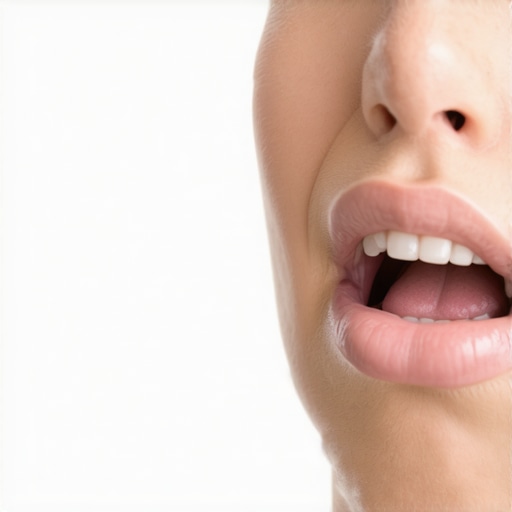
I’ll never forget the moment I caught myself in the mirror, trying to speak normally but feeling like I was slurring my words. It was day 21 of my Invisalign journey, and I expected things to be smooth sailing by now. Instead, I sounded like I had a few too many drinks—something I definitely hadn’t done! That lightbulb moment made me realize I wasn’t alone in this weird phase, and maybe you’d find yourself in the same boat too.
Getting Real About Lingering Speech Issues
If you’re reading this and thinking, “Why do I still sound slurred after weeks of wearing Invisalign?” you’re not imagining things. Many people experience this initial speech muffling well into their treatment, and it can be downright frustrating. The good news? You’re not the only one, and there are understandable reasons behind it. I want to share my personal experience and some insights to help you make sense of what’s happening and what you can do about it.
What’s Really Going On With My Speech?
The truth is, Invisalign trays are pretty bulky when you’re just getting used to them. They change the shape of your teeth, which in turn affects your tongue’s placement and your mouth’s overall dynamics. It’s like trying to talk with a mouthful of marbles—your muscles need time to adapt. I made the mistake early on of thinking I was just bad at speaking with these trays, but it’s a common adjustment period. Interestingly, the body is resilient—according to recent studies, it takes roughly three to four weeks for the oral muscles to adapt to new dental devices (source: Family Dentist Pro).
So, if your speech seems more slurred now than when you started, don’t worry. Patience and some practical steps will get your tongue and lips back to their normal rhythm. But first, let’s address the biggest skepticism I’ve heard from friends and patients alike.
What You Need to Know Before Giving Up
Many people worry that they’ll be stuck sounding goofy forever. Honestly, I worried about that myself. The key is understanding that this is a temporary phase—your mouth just needs time to adjust. Early in my journey, I also made the mistake of rushing into drastic measures or skipping consults, which only prolonged my discomfort. If you want to avoid that, I’ll guide you through the most effective ways to speed up your speech recovery and ensure your Invisalign experience is as smooth as possible.
Now that we’ve acknowledged the problem, let’s explore some practical tips and expert advice to help your speech normalize faster. Trust me, you’ll be back to talking clearly before you know it!
,
Master Your Oral Muscles with Targeted Exercises
Start simple. I recommend practicing tongue and lip movements regularly. One effective exercise is to press your tongue against the roof of your mouth and hold for five seconds, then relax. Do this 10 times, three times a day. I once committed to this routine during a lazy Sunday; within a week, I noticed my speech started to clear up. Keep at it, and you’ll strengthen those muscles to adapt faster.
Use Mirror Feedback to Improve Articulation
Stand in front of a mirror and exaggerate your speech. Watch your mouth movements and compare them to normal speech patterns. It’s like rehearsing for a role—overdoing it helps your muscles catch the right gestures. I found that focusing on clear visuals of my mouth helped me reduce slurring over a few days.
Adjust Your Talking Environment and Habits
A calm environment minimizes distractions, making it easier to focus on proper tongue placement. Avoid noisy places where you might feel pressured to speak hurriedly. I consciously slowed down my speech during conversations, which allowed my tongue to settle into familiar positions. Also, avoid smoking or excessive alcohol, as they can delay recovery. For detailed oral health tips, check out top oral health tips.
Practice Clear and Slow Speech
Make a habit of speaking slowly. When I noticed my speech slurred, I intentionally paused between sentences and articulated each word carefully. This not only prevents slurring but also retrains muscle coordination. Record yourself occasionally; playback exposes mispronunciations and helps correct them more effectively. Remember, patience is vital—your muscles need consistent practice to adapt.
Leverage Technology for Assistance
If you’re struggling, consider using speech apps designed for speech therapy. They can provide real-time feedback and exercises tailored to improve clarity. Also, visual aids like videos of correct mouth movements are beneficial. For a comprehensive overview of modern dental solutions, explore crown options that complement your Orthodontic journey.
Consult Your Dentist for Personalized Help
When self-guided efforts plateau, don’t hesitate to reach out. Schedule an appointment with your family dentist to evaluate your progress. They might suggest specific therapies or adjustments to your Invisalign plan. I visited my dentist after two weeks of persistent slurring, and a quick assessment helped me identify muscle strengthening exercises tailored for my case. Visit Contact Us to find the right professional.
Integrating these steps steadily will accelerate your speech normalization. Remember, every small effort counts, and consistency is the secret to seeing noticeable results.
Many patients assume that dental crowns are merely cosmetic fixes that last forever, but the reality is far more nuanced. A common myth is that once a crown is placed, no further care is necessary—this couldn’t be further from the truth. The longevity of your crown heavily depends on both your daily oral hygiene habits and choosing the right type of crown for your specific needs. For instance, porcelain crowns are beautiful but can be more prone to chipping if not properly maintained. An advanced mistake many make is underestimating the importance of maintaining oral health around these restorations, leading to gum recession or decay beneath the crown—issues that can compromise the whole restoration. Expert sources note that poorly cared-for crowns or neglecting regular check-ups can reduce their lifespan significantly. In fact, a study published in the Journal of Prosthetic Dentistry highlights that patients who adhere to strict oral health routines extend the life of their crowns by years. Regarding Invisalign, there’s a misconception that it’s suitable for all orthodontic cases—from minor corrections to complex malocclusions. However, in complex cases, traditional braces or alternative solutions might fare better. Consulting with a knowledgeable family dentist ensures the most effective treatment plan tailored to your dental anatomy. Interestingly, many overlook the critical role of the surrounding oral tissues in the success of these treatments. Maintaining healthy gums and bone structure is essential for the stability of both crowns and orthodontic appliances. Regular professional cleanings, as emphasized in top oral health tips, are essential in preventing long-term issues. Another advanced nuance involves understanding the potential for biocompatibility issues—some materials used in crowns and aligners may trigger allergic reactions or sensitivities, a factor often missed by patients. It’s vital to discuss material options thoroughly with your dentist, referencing guides like the ultimate guide to crowns. Always remember, your oral health is a complex ecosystem, and long-term success hinges on an informed approach rather than just quick fixes. Have you ever fallen into this trap? Let me know in the comments.
Keeping It Working: Essential Tools and Strategies
Maintaining optimal oral health and the longevity of dental restorations like crowns and orthodontic tools such as Invisalign requires more than just good brushing habits. It involves utilizing targeted equipment and software that ensures every aspect of your dental care is precise and effective. Over the years, I’ve found that investing in the right tools has drastically improved my long-term results, and I recommend the same to others aiming for a healthy, functional smile.
One indispensable piece of equipment I personally rely on is the electric sonic toothbrush. Unlike manual brushes, sonic models generate up to 40,000 strokes per minute, effectively disrupting plaque and reaching areas that are hard to clean with traditional brushing. I swear by the SmartFloss Sonic X because of its timer features and gentle yet powerful cleaning capability, which is crucial around crowns and orthodontic attachments.
Complementing my toothbrush is a handheld water flosser, specifically the Waterpik Ultra. Unlike traditional floss, water flossers can target deep periodontal pockets and areas beneath crowns with adjustable pressure settings. Regular use has helped me prevent gum recession and decay at the margins of my crowns, aligning with insights shared in top oral health tips.
For tracking my oral health progress and ensuring I adhere to my routine, I rely on advanced dental apps like Oral Health Tracker. This software allows me to log daily brushing and flossing, monitor the lifespan of my crowns, and schedule regular reminders for check-ups. I find it invaluable, especially when balancing busy family schedules.
Looking ahead, the trend in family dentistry points toward AI-driven diagnostics and 3D printing. For instance, AI algorithms like those detailed in this article are shaping how we detect early decay, enabling preventive care that’s more precise than ever. 3D printing is revolutionizing crown fabrication, reducing turnaround time and customizing fittings to an unprecedented degree. Keeping abreast of these innovations is vital for both practitioners and patients committed to superior dental health.
How do I Maintain Crowns, Invisalign, and Family Dental Tools Over Time?
Consistency is key. Regularly replacing your toothbrush head every three months, using interdental cleaning devices like water flossers, and scheduling professional check-ups every six months help extend the lifespan of crowns and orthodontic devices. Additionally, staying informed about new technology and techniques via trusted sources can enhance your care routine. Try integrating a smart flossing device or scheduling a consultation via this link to receive personalized advice tailored to your unique needs. Smart tools and data-driven approaches will be the cornerstone of effective long-term dental health in the future,
What I Wish I Knew About Dental Transformations
The most profound lesson I learned is that patience truly is a virtue when it comes to dental work. Rushing to see immediate results often backfires, leading to unnecessary discomfort or setbacks. Embracing the process and trusting your dentist’s expertise makes a significant difference, especially with complex procedures like crowns and Invisalign. Plus, understanding that maintenance after treatment is just as crucial as the procedure itself was a game-changer for me—isn’t it comforting to know that your daily habits can prolong your beautiful smile?
Another insight was realizing how interconnected oral health is with overall well-being. Small issues like gum irritation or minor crown misfits can domino into bigger health concerns if overlooked. Keeping regular appointments and being proactive served as a reminder that our mouths are the gateway to our health—think of it as caring for a delicate, ever-evolving ecosystem.
Finally, I discovered that integrating technology, like AI diagnostics and user-friendly apps, enhances not only treatment accuracy but also empowers us to stay on top of maintenance. Education is empowering—they demystify procedures, making me more confident and engaged in my oral health journey. Knowledge is the true foundation of a resilient smile, don’t you agree?
Tools That Became My Dental Sidekicks
My must-have toolkit includes a high-quality electric sonic toothbrush—personally, I swear by the SmartFloss Sonic X. Its powerful yet gentle cleaning helps preserve crowns and orthodontic attachments. Complementing that is a water flosser, like the Waterpik Ultra, which reaches deep beneath crowns and braces, preventing plaque buildup. A dental app, such as Oral Health Tracker, keeps me accountable and organized, turning my daily routine into an easy, data-driven process.
Looking to stay ahead? I’m excited about emerging tools like AI-powered cavity detection and 3D printing for crowns. These innovations not only streamline treatments but also tailor them more precisely to individual needs. Staying connected to trusted sources like top oral health tips ensures my toolkit evolves alongside technology’s rapid pace.
Make Your Smile Resilience Unstoppable
Remember, your journey with crowns, Invisalign, and family dentistry isn’t just about fixing what’s broken—it’s about empowering yourself to maintain a vibrant, healthy smile for years to come. Start small, stay consistent, and embrace the new tools that bring convenience and precision into your routine. You’ve got this! If my experience teaches anything, it’s that proactive care and a growth mindset transform dental challenges into opportunities for confidence and well-being.
What was the most surprising thing you learned about maintaining your dental health? Drop your thoughts below—I’d love to hear your story!
,
Comments are closed.