
How to manage a sudden sharp pain when you drink hot coffee
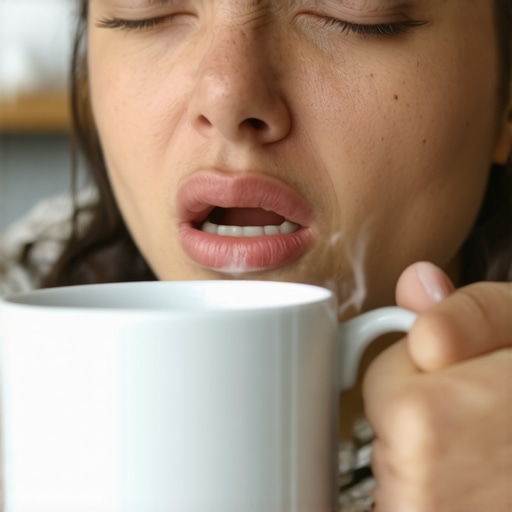
I still remember the exact Tuesday morning my peaceful routine shattered. I had just poured a fresh, steaming mug of dark roast, took an eager first gulp, and—bam! A white-hot bolt of lightning shot straight through my front tooth, radiating all the way to my jaw. I dropped my favorite mug, spilling coffee everywhere, clutching my face in pure shock. It felt like my tooth was literally cracking in half. If you have ever experienced that agonizing zolt, you know it is not just simple discomfort; it is a full-blown panic moment that makes you dread your next meal. Today, we are going to get to the bottom of this agonizing mystery and walk through exactly how to handle that sudden, sharp pain so you can reclaim your morning brew without fear.
Before I figured out what was actually happening, I made the classic mistake of ignoring the warning signs, thinking my teeth were just temporarily sensitive to the changing season. I even tried slathering over-the-counter numbing gels all over my gums, which did absolutely nothing for the deeper issue. Many people assume they just have to live with sensitive teeth, but a sudden reaction to heat is often a sign of something much more specific, like a microscopic fracture, a compromised nerve, or even a shifting restoration. If you already have dental work, you might be wondering if your existing restorations are the culprit, which is why learning how to tell if your porcelain crown is cracked or just scratched is a great first step in troubleshooting the source of your sudden discomfort.
Your Hot Coffee Pain is Actually a Vital Warning Sign
This sudden jolt is your tooth’s desperate way of telling you that its protective shield has been breached. Unlike mild sensitivity to cold, which can sometimes just be a minor annoyance from thin enamel, a sharp, lingering pain triggered by hot liquids usually indicates that the deep, living pulp inside your tooth is under direct attack or inflamed. In fact, the American Association of Endodontists notes that sensitivity to hot liquids that lingers for more than a few seconds often points to irreversible pulp damage or an active infection deep within the root canal.
When I finally went to see my dentist after weeks of suffering, I learned that my habit of hard brushing had worn down my gumline, exposing the vulnerable tooth roots. Sometimes, the issue is a structural failure in an older dental treatment. For instance, if you have a restoration that is starting to fail, you might need to learn how to manage a crown that feels sensitive to air or cold liquids before the problem escalates into severe heat sensitivity. Identifying these warning signs early is the absolute best way to save your tooth from a much more complex dental procedure down the road.
Is this pain actually going to require an expensive root canal?
This is the ultimate dread we all share when a tooth starts screaming at us. We immediately picture clinical dental drills, multiple appointments, and a massive bill. However, a sharp pain from hot coffee does not always mean you are headed straight for major oral surgery. Sometimes, the fix is incredibly simple, such as replacing a worn-out filling, applying a professional desensitizing agent, or correcting a minor alignment issue that is putting too much pressure on a single tooth. In fact, modern family dentistry has evolved so much that we have incredibly comfortable, gentle options to restore your smile before things get out of hand. Have you ever had to dump out a fresh cup of coffee because of a sudden, sharp tooth pain? I would love to hear your story in the comments below as we dive into the immediate, practical steps you can take at home to soothe the ache while you wait to see your dentist.
First Steps to Calm an Inflamed Tooth Nerve
When that intense heat hit my tooth, my immediate reaction was to drink ice-cold water to neutralize it. That was a massive mistake. The sudden temperature swing caused the microscopic pathways in my dentin to expand and contract rapidly, sending an even sharper shockwave straight to the nerve. Instead of shock therapy, you need to stabilize the area. Start by rinsing gently with lukewarm saltwater. Think of saltwater as a natural, soothing balm for angry oral tissues; it reduces osmotic pressure around the swollen nerve and washes away lingering acidic food particles. Afterward, switch to a soft-diet protocol immediately. Chewing hard crusts or nuts on a sensitive tooth is like pressing down on a fresh bruise, so give your mouth a break. If you suspect your restoration is shifting under pressure, knowing how to stop your new crown from feeling too high when you chew can help prevent unnecessary mechanical trauma while you wait for your appointment.
How I Handled My Own Middle-of-the-Night Toothache emergency
Let me tell you about the night I ignored the warning signs and paid the price at 2:00 AM. Desperate for relief, I tried to pack a wet, cold cotton ball right against the gumline of my painful molar. The resulting shock of cold made me drop to my knees. It was a messy, painful lesson in what not to do. What finally dialed the pain back to a dull roar was elevating my head with three pillows—which stops blood from pooling in your head and increasing pressure on the tooth nerve—and using a lukewarm chamomile tea rinse.
Troubleshooting the True Source of Heat Sensitivity
Not all thermal pain is created equal, and figuring out what is happening under the surface dictates your next move. If your tooth reacts violently to hot coffee but the pain vanishes the second you swallow, you might be dealing with worn-out enamel or slightly receded gums. However, if the pain lingers for minutes or starts throbbing on its own, the living pulp inside is likely compromised. Modern family dentistry secrets maintaining oral health with modern techniques at 254 pm show that early intervention can often save a dying nerve through advanced biomaterials, avoiding more invasive work altogether.
Examine Your Existing Dental Work for Clues
Often, the culprit is not a new cavity but an old restoration that has slowly lost its seal. Over time, the constant pressure of chewing causes materials to expand and contract at different rates than your natural tooth. If you have an older restoration, a tiny gap can open up, allowing hot liquids to seep directly underneath. If you suspect this is happening, learning the reason your crown smells bad when you floss around it can help you identify if bacteria have breached the seal, creating a perfect storm for localized nerve inflammation. Keep an eye out for these subtle signs so you can brief your dentist accurately.
The Great Enamel Myth That Leads to Cracked Teeth
Many people believe that keeping your teeth healthy is simply a matter of brushing harder and scrubbing away stains. In my years of exploring advanced dental care, I have discovered that this aggressive approach actually does the exact opposite. Over-brushing strips away your microscopically thin outer enamel and pushes your gumline back, exposing the incredibly sensitive root dentin underneath. We are conditioned to think that clean teeth must feel squeaky clean, but scrubbing with abrasive charcoal or stiff bristles creates micro-abrasions that invite decay.
In fact, a clinical study published by the Journal of Dentistry highlights that over-abrasive hygiene habits are the leading non-pathogenic cause of dentin hypersensitivity and root exposure. When you wear down this natural protection, hot liquids reach the inner nerve pathways much faster. If you want to brighten your smile without destroying this protective barrier, you should instead focus on how to safely whiten teeth if you have naturally thin enamel to avoid permanent structural damage.
Why do my teeth ache only after I finish my morning beverage?
This delayed reaction is a classic diagnostic puzzle that catches many patients off guard. You might enjoy your warm drink with zero issues, only to feel a throbbing, dull ache set in about ten minutes later. This happens because heat slowly expands the fluids inside the microscopic tubules of your dentin, building up internal pressure that does not dissipate immediately. If you have older restorations, this thermal expansion can put extra stress on the underlying tooth structure. Many patients rush to replace their entire dental work, but understanding the differences in crowns vs veneers which is better for your smile cure at 429 pm can help you make a much more informed decision with your dentist before committing to major structural changes. Have you ever fallen into this trap of ignoring a delayed ache? Let me know in the comments below!
Another massive trap is assuming that all tooth alignment issues are purely cosmetic. Many adults bypass orthodontic solutions because they think they do not need a perfect Hollywood smile. However, minor misalignments cause uneven biting forces, placing immense mechanical stress on specific teeth, which ultimately leads to microscopic fractures and severe temperature sensitivity. Embracing modern alignment techniques does more than straighten teeth; it distributes bite pressure evenly to protect your nerves. Discovering the hidden benefits of invisalign for family dental care in 2025 at 903 am shows how correcting a bad bite can resolve chronic, mysterious tooth sensitivity for good.
Why My Sonic Toothbrush is My Secret Weapon Against Dental Failure
For years, I was a chronic manual over-brusher, scrubbing away at my gums until they bled. That all changed when I invested in a pressure-sensing sonic toothbrush. I personally use the Philips Sonicare ProtectiveClean 6100 because it physically stops vibrating the second I press too hard, completely removing human error from my morning routine. This single piece of technology is what ultimately saved my remaining enamel from further erosion and protected my expensive dental work from premature wear.
If you use an electric brush and notice irritation, learning the reason your gums bleed only when you use an electric toothbrush can help you correct your technique before you cause irreversible gum recession. I also highly recommend using a dedicated, non-abrasive nano-hydroxyapatite toothpaste. Unlike traditional fluorides, nano-hydroxyapatite actually crystallizes inside the exposed microscopic dentin tubules, sealing them from the inside out to block those painful hot and cold sensations permanently.
How do I maintain my dental restorations and alignment over time?
Consistency is the absolute key to making your restorations last a lifetime. To keep my own dental work pristine, I follow a strict night-guard routine to prevent nocturnal grinding, which is the number one cause of cracked crowns and shifted teeth. I also use a water flosser loaded with a diluted, alcohol-free antiseptic rinse to clean the tiny margins where my restorations meet my natural gumline. If you are currently undergoing alignment therapy, discovering how to keep your breath fresh while wearing invisalign trays all day is an essential daily maintenance habit that keeps bacterial plaque from damaging your enamel while your teeth move into their ideal positions. Modern research published by the International Journal of Dentistry confirms that maintaining a neutral oral pH through daily water-flossing significantly extends the lifespan of composite and porcelain restorations by preventing micro-leakage.
The Next Era of Preventive Family Dentistry
Looking ahead, the future of oral health is rapidly moving away from reactive drilling and filling toward highly personalized, biotechnology-driven prevention. Within the next decade, I predict we will routinely use smart home saliva-testing kits that analyze our oral microbiome in real time, alerting us to rising acidity levels or specific bacterial spikes before a cavity or nerve inflammation can even form.
Additionally, advancements in clear aligner materials and 3D printing are making preventive orthodontics more accessible than ever. Correcting structural bite issues early in life is no longer just about aesthetics; it is recognized as the ultimate way to prevent premature tooth wear and chronic nerve pain. If you want to see how these advancements are shaping modern care, looking into invisalign innovations the future of family dentistry revealed at 1137 am will give you a fascinating preview of what is to come. If you are struggling with ongoing sensitivity, my challenge to you today is to swap out your manual toothbrush for a pressure-sensing electric model this week and experience the difference for yourself.
The Hardest Lesson I Learned About Protecting My Smile
For years, I believed that if I simply brushed twice a day and flossed when I remembered, my teeth were completely invincible. It took a sudden, agonizing lightning bolt of hot coffee pain to shatter that illusion. The hardest lesson I had to learn was that oral health is not a set-it-and-forget-it deal; it is a dynamic, daily practice of listening to your body’s early warning signs. If you ignore a mild twinge when chewing or shrug off a slight temperature sensitivity, you are essentially waiting for a much larger, more expensive emergency to happen. Seeking preventive care early is always more comfortable and far more affordable than waiting for a tooth to crack under pressure.
My Essential Toolkit for Lasting Dental Defense
To keep my teeth and modern restorations in peak condition, I have built a curated daily toolkit that I trust implicitly. First, I retired my manual toothbrush for a pressure-sensing sonic model to prevent enamel wear. Second, I replaced my harsh, burning alcohol mouthwash with a soothing, pH-balanced rinse. I also highly recommend looking into high-quality preventive guides to understand your treatment options. For instance, reading up on the ultimate guide to crowns for a healthier smile helped me demystify restorative care, while learning about invisalign myths debunked what you need to know today showed me how correct alignment prevents structural damage to enamel over time. Finally, keeping a dedicated night guard in my bedside drawer protects my teeth from subconscious grinding throughout the night.
Take Control of Your Oral Health Journey Today
You do not have to live in fear of your morning brew or wait in anxiety for the next sudden toothache to strike. Modern family dentistry is designed to be gentle, proactive, and incredibly restorative. By making small, mindful changes to your daily routine today—like swapping out abrasive whitening scrubs and paying closer attention to lingering sensitivity—you can protect your natural teeth for a lifetime. Your smile is one of your greatest assets; treat it with the care, respect, and early intervention it deserves.
What is your biggest daily hurdle when caring for your teeth?
Have you ever struggled with sudden sensitivity while enjoying your morning coffee or tea? Let me know your experiences and questions in the comments below!