
The Best Time to Replace Your Old Toothbrush for Real Results
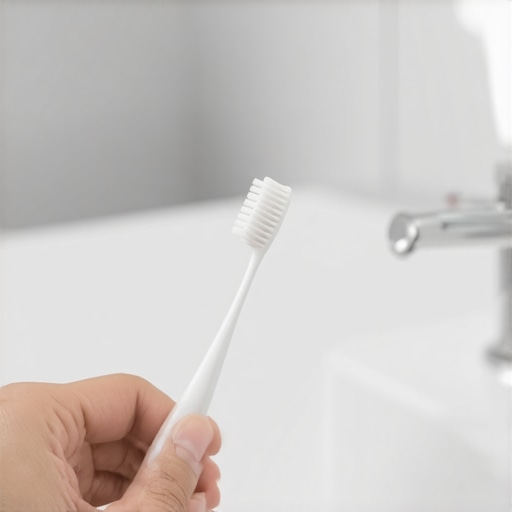
I remember the moment clearly—sitting in my bathroom, toothbrush in hand, staring at it like I was about to perform brain surgery. It was one of those mornings when I noticed the bristles looked frayed and worn from months of use, yet I hesitated. I wondered, “Is it really time to replace this thing?” That tiny question sparked a bigger realization: we often overlook how crucial a fresh toothbrush is for our oral health. That lightbulb moment made me dig deeper, and what I found surprised me.
You see, many of us cling to our old toothbrushes longer than we should, thinking as long as it doesn’t look too gross, it’s still doing the job. But the truth is, an old, worn-out toothbrush can actually do more harm than good. Frayed bristles don’t clean effectively; they can miss plaque and bacteria hiding in hard-to-reach spots, increasing your risk of cavities and gum disease. Plus, bacteria can hide in the brush itself, especially if stored improperly or used beyond the recommended timeframe.
So, how often should we be swapping out that vital tool? And what are the signs that it’s time for a change? That’s exactly what we’re going to unravel today—so you can finally say goodbye to old, ineffective brushes and welcome a healthier, brighter smile.
Why Replacing Your Toothbrush Matters More Than You Think
Before we get into the practical steps, let’s talk about why this really matters. You might think, “It’s just a toothbrush,” but think again. An outdated brush can harbor bacteria and bacteria leftovers that lead to infections or worsen existing oral issues. Experts recommend swapping your toothbrush every three to four months because of the natural fraying of bristles and the accumulation of germs. Neglecting this simple habit can negate your efforts at good oral hygiene, wasting time and money on dental treatments later. Remember, a healthy smile isn’t just about brushing; it’s about brushing well—and that starts with a fresh tool. According to the American Dental Association, using an old toothbrush can reintroduce bacteria into your mouth, making your oral health worse instead of better. If you’ve struggled with persistent gum bleeding or bad breath even after brushing, your old toothbrush could be the culprit.
Are you one of those who keeps their brush a little longer, convincing yourself you’re saving money or avoiding the hassle? Trust me, I’ve been there. I used to think a toothbrush was a one-time purchase, and I didn’t realize how quickly those bristles wear out or that bacteria can thrive even in the cleanest-looking brushes. My mistake was ignoring the signs of wear because I didn’t want to buy a new one too often. But I learned that replacing my toothbrush regularly not only kept my mouth cleaner but also boosted my confidence in my dental routine.
Now, let’s dive into exactly when and how to know it’s time for a fresh toothbrush—and how to make this small change for big results in your oral health.
Prepare Your Tools and Environment
Start by gathering all your dental hygiene tools—your toothbrush, floss, and any special instruments your dentist recommended. Ensure your workspace is clean and well-lit, similar to preparing a crafts station, so you can focus solely on your oral care routine. I remember once trying to clean my Invisalign aligners in a rush, which led to a lot of unnecessary hassle—so take your time to set up properly.
Master Effective Brushing Techniques
Use the Right Toothbrush and Settings
Choose a soft-bristled brush or an ultrasonic toothbrush for gentle yet thorough cleaning, especially around crowns and braces. Position the brush at a 45-degree angle to your gum line and move in circular motions. I once used an old, stiff brush on my crown, which caused discomfort—switching to a soft brush made a huge difference in cleaning and comfort.
Mind Your Timing and Frequency
Brush at least twice a day for two minutes each session. For areas with crowns, veneers, or Invisalign attachments, spend extra attention cleaning around these components to prevent plaque buildup. Remember, neglecting these spots can lead to decay or staining, complicating your restorative work or aligner comfort. I learned this the hard way when neglecting a crown cleaning caused irritation and a quick visit to the dentist.
Enhance Cleaning with Flossing
Floss daily using waxed floss or interdental brushes to reach between teeth and around crowns. Be gentle to avoid dislodging any dental work or damaging your gums. I admit, flossing around my veneers was initially intimidating, but with patience, I mastered a technique that kept my smile healthy and bright.
Implement Specialized Oral Care for Crowns and Invisalign
Use interdental picks or water flossers for hard-to-reach areas, especially if you have braces or Invisalign. For Invisalign, clean your aligners daily with mild soap and water—avoid harsh chemicals that can damage the plastic. I once tried using bleach to disinfect my aligners, which was a mistake that led to discoloration; now, I stick with gentle cleaning methods recommended by my dentist. For more on Invisalign care, check out how Invisalign transforms family dentistry.
Maintain Routine Dental Checkups
Schedule visits every six months to have your crowns and other restorations evaluated and your overall oral health assessed. During these checkups, your dentist can professionally clean areas you might miss and catch issues early. I remember a time I skipped my cleaning appointment; a small cavity formed under my crown remained unnoticed until it caused significant discomfort, emphasizing the importance of regular visits. For expert advice on crowns, see boost your confidence with crowns.
Practice Consistency and Observation
Keep a routine and observe any changes in your oral health—such as sensitivity, bleeding, or discoloration. Consistency in cleaning and monitoring helps prevent complications like gum disease or crown failure. I kept a simple journal noting my oral health improvements after adjusting my routine, which kept me motivated. Remember, effective oral hygiene around crowns and Invisalign isn’t a one-time effort; it’s an ongoing commitment that yields a brighter, healthier smile.Many patients believe that once their dental work is done, their responsibility ends — but the truth is, misconceptions about crowns, family dentistry, and Invisalign can lead to costly mistakes. For instance, there’s a common myth that crowns last forever if you avoid poor habits, but in reality, the longevity of a crown hinges on proper care and understanding the materials used. Overlooking this nuance can cause premature failure or aesthetic issues. Additionally, many think that family dentistry focuses only on children or basic cleanings; however, modern family practices manage complex cases like implants and veneers, emphasizing preventive care for all ages.
A critical mistake I see is neglecting the importance of follow-up maintenance, which can undermine even the most durable restorations. For example, failing to schedule regular checkups may allow decay to develop unnoticed around crowns, leading to more extensive treatments down the line. Advance knowledge about these subtleties is crucial—especially considering new techniques and materials that extend the lifespan of restorations and improve patient comfort.
Ever wondered how to differentiate between a durable crown and one prone to quick deterioration? This often hinges on choosing the right type of material—like zirconia versus porcelain—depending on the location and function, which requires advanced understanding beyond general advice. For example, zirconia crowns offer strength for molars but may be less ideal aesthetically for front teeth; knowing these details can dramatically impact your long-term satisfaction.
In terms of Invisalign, many believe it’s solely a cosmetic solution, but it’s also a strategic tool for managing complex bite issues and crowding that traditional braces can’t achieve alone. However, improper wear—like neglecting to clean aligners thoroughly or skipping recommended wear hours—can compromise treatment results and lead to unforeseen complications. Recognizing these nuances ensures that your investment in Invisalign truly enhances your oral health.
One hidden trap is the misconception that oral health stops at brushing and flossing. In reality, understanding the interplay between restorations and oral hygiene practices is essential. For instance, certain whitening agents can weaken porcelain crowns if used improperly; therefore, consulting your dentist about compatible products is key. To explore how crowns can actually bolster your confidence, check out this comprehensive guide.
Staying aware of these advanced nuances enables you to avoid common pitfalls and make informed decisions that preserve your smile’s health and aesthetics. Remember, proactive engagement with your dental team, combined with a nuanced understanding of modern practices, can save you time, money, and discomfort. Have you ever fallen into this trap? Let me know in the comments.Maintaining your dental health over time requires the right tools and consistent routines. Personally, I swear by a combination of ultrasonic toothbrushes and professional-quality mouthwashes, which have significantly improved my oral hygiene. Ultrasonic brushes, like the Philips Sonicare DiamondClean, generate high-frequency vibrations that dislodge plaque more effectively than manual brushes, especially around crowns and Invisalign attachments. I’ve noticed less gum irritation and fresher breath since switching to mine. For mouthwash, I prefer alcohol-free options with active ingredients like chlorhexidine; they help reduce bacteria buildup without causing dryness. Regular use of these tools, combined with scheduled professional cleanings, extends the lifespan of restorations and keeps long-term results optimal.
How do I maintain my dental tools over time?
Proper maintenance is vital to ensure your tools stay effective and hygienic. Rinse ultrasonic brushes thoroughly after each use, removing any debris and allowing them to air dry. I also replace brush heads every three months, as worn bristles compromise cleaning efficacy. Disinfect your floss picks and interdental brushes weekly with a vinegar solution—one part vinegar to two parts water—to eliminate hidden bacteria. And don’t forget to replace your mouthwash regularly; expired products lose potency and can harbor bacteria. Investing in a UV brush sanitizer can help sterilize your toothbrush and attachments weekly, providing peace of mind. Keeping your tools clean not only prolongs their lifespan but also prevents reintroducing bacteria into your mouth, supporting long-term oral health. Looking ahead, digital tracking apps like Philips Sonicare’s app can remind you when to replace parts, making maintenance even simpler. You might consider integrating these tech-savvy tools into your routine for seamless upkeep. Check out the latest advancements at Invisalign innovations to see how technology is shaping future dental care. Try setting a reminder today to replace your brush head or disinfect your tools—small steps that yield big results over time. Proper tool maintenance isn’t just about cleanliness; it’s about safeguarding your investment in a healthier smile for years to come.
The Sudden Realization That Changed My Dental Routine Forever
One day, I realized that my good intentions could be harming my smile more than helping it, simply because I overlooked the signs that my dental tools needed an upgrade. That lightbulb moment made me obsessively research the nuances of crowns, Invisalign, and family dentistry, revealing truths I wish I had known earlier. Now, I want to share those insights so you can avoid common pitfalls and truly elevate your oral health journey.
The Hardest Lesson I Learned About Restorations and Preventive Care
- Never underestimate the power of a fresh toothbrush—worn bristles invite bacteria and compromise cleaning, especially around crowns and veneers.
- Skipping routine checkups can lead to silent decay, even when your smile looks fine—regular professional evaluations are your best defense.
- Choosing the right materials for crowns and knowing their maintenance requirements directly impacts their lifespan and your confidence in your smile.
- Invisalign isn’t just about straight teeth; understanding proper aligner hygiene and wear habits can prevent treatment setbacks and new dental issues.
- Family dentistry is a proactive endeavor, not just a chore—investing in education and tailored care plans saves money and stress in the long run.
Your Personalized Path to a Radiant Smile Starts Here
If you’re ready to take control of your dental health with tools and habits that truly deliver results, explore the trusted resources and professional guidance available at Family Dentist Pro. Remember, your best smile is a journey built on informed choices and consistent care, and I’m here cheering you on every step of the way.