
Why Your Teeth Feel More Sensitive During Your Period

Have you ever paused in the middle of brushing or sipping your morning coffee, only to wince at a sudden, sharp pain? That strange, fleeting sensitivity might seem like just another quirk of your mouth, but for many women, it’s an all-too-familiar experience that intensifies during certain times of the month. I vividly remember the first time I noticed my teeth becoming alarmingly more sensitive right before my period—like my daily routine was suddenly riddled with hidden toothaches. It was a lightbulb moment, realizing that something so seemingly minor could be tied to my body’s natural cycles.
Understanding the Link Between Menstruation and Tooth Sensitivity
It turns out, you’re not imagining things. Hormonal fluctuations, especially shifts in estrogen and progesterone, can influence your oral health significantly. During your period, these hormonal changes can cause the nerves inside your teeth to become more reactive, making them respond painfully to stimuli they usually tolerate—think cold drinks, hot foods, or even air drafts. According to research published by the National Institutes of Health, hormonal changes can affect the blood flow to your gums and nerves, heightening sensitivity and tenderness.
From personal experience, early on I made the mistake of ignoring this sensitivity, believing it was just a temporary annoyance. But neglecting minor symptoms can lead to bigger dental problems down the road. Recognizing that these sensations are part of a broader hormonal response helped me take proactive steps—like switching to softer toothbrushes and avoiding overly acidic foods during my period—to protect my smile.
What We Will Explore Today
In the following sections, I’ll share practical tips based on personal insights and expert advice, so you can minimize discomfort and keep your teeth healthy, even during those challenging days each month.
Have you noticed your sensitivity spikes before your period? You’re not alone, and there’s definitely a way to manage it more effectively.
Brush Gently to Protect Your Nerves
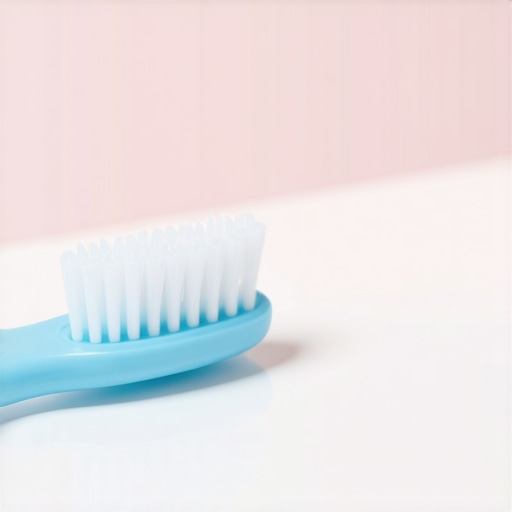
Switch to a soft-bristled toothbrush and be gentle when brushing, especially during your period. I remember the first time I did this; I replaced my stiff brush with a ultra-soft one and brushed in slow, circular motions. The result was a noticeable reduction in pain and sensitive spots on my teeth. This simple change prevents further nerve irritation which hormones make more reactive during menstruation.
Use Desensitizing Toothpaste Consistently
Choose a toothpaste formulated for sensitive teeth and use it twice daily. I kept a tube by my bathroom sink and committed to brushing with it every morning and night. Within a week, my responsiveness to cold drinks diminished significantly. The active compounds in desensitizing toothpaste block nerve pathways, offering quick relief.
Limit Acidic and Sugary Foods Temporarily
During your period, avoid citrus, soda, and sweets that can erode enamel and trigger sensitivity. I learned this the hard way after indulging in citrus fruit, which temporarily worsened my discomfort. Instead, opt for bland, non-acidic foods like bananas or steamed vegetables. This practice helps preserve your enamel, giving nerves a break from stimulation and reducing pain.
Hydrate and Rinse Properly
Drink plenty of water and rinse your mouth after consuming acidic foods to neutralize pH levels. I kept a small bottle of water nearby and rinsed immediately after snacks, which prevented acid buildup. Proper hydration supports saliva production, which naturally protects and repairs enamel surfaces, lowering sensitivity during hormonal fluctuations.
Schedule Routine Dental Check-Ups
Regular professional cleanings and exams keep your gums healthy and identify issues early. I started visiting my dentist every six months, even if I didn’t feel an urgent problem, and found small cavities and demineralized areas before they worsened. These preventive measures are essential, especially when hormonal changes increase vulnerability to plaque buildup and sensitivity.
Consider Protective Treatments Like Sealants or Bonding
If sensitivity persists, inquire about dental Sealants or bonding to shield exposed dentin areas. My dentist recommended bonding to cover sensitive root areas, instantly reducing discomfort. These protective applications act as barrier films, blocking stimuli and making everyday eating and drinking more comfortable.
Manage Hormonal Fluctuations with Lifestyle Adjustments
Maintaining adequate sleep, reducing stress, and staying active help regulate hormonal swings. I started yoga and meditation routines which stabilized my mood and minimized sensitivity peaks. Although these are not immediate fixes, consistent lifestyle choices can reduce the intensity of symptoms and improve overall oral comfort during menstruation.
Implementing these practical steps transformed my experience with sensitivity and taught me to respect my body’s cyclical changes. For more insights on modern family dentistry techniques, visit our latest trends in family dentistry and discover how innovative treatments can support your oral health.
 Many people believe that visiting the dentist only when there’s pain or visible issues is sufficient. However, this mindset can lead to overlooking crucial treatments like crowns or the benefits of clear aligners such as Invisalign. One widespread myth is that crowns are only for severely damaged teeth, but in reality, they can serve as preventive solutions to protect weakened tooth structures, as highlighted in our comprehensive guide on [how crowns transform your oral health](https://familydentistpro.com/why-crowns-are-a-game-changer-in-restorative-dentistry). Another misconception is that Invisalign and traditional braces are mutually exclusive, whereas recent advancements show that Invisalign offers discreet, effective orthodontic options suitable for various cases, which you can explore further in [our comparison of Invisalign and braces](https://familydentistpro.com/invisalign-vs-braces-which-solution-fits-your-lifestyle). Additionally, many overlook the importance of regular family dental check-ups, believing them to be unnecessary if no discomfort exists. Yet, early detection of issues like micro-cracks or early gum disease can save time and cost, underlined by current research emphasizing preventive care. A common trap is assuming that oral health is solely about teeth appearance, ignoring the systemic links to heart health and overall well-being—details elaborated in our [latest trends in family dentistry](https://familydentistpro.com/family-dentistry-trends-improving-oral-health-for-all-ages). Recognizing these misconceptions allows for smarter, proactive choices. For example, opting for quality crowns and understanding their long-term benefits can significantly boost confidence and durability. Moreover, advanced treatments like Invisalign not only straighten teeth but also improve bite function and oral hygiene. Don’t fall into the trap of outdated beliefs—stay informed to protect your family’s smile. Have you ever fallen into this trap? Let me know in the comments.
The Power of Modern Dental Technology
Maintaining a healthy smile over the years requires more than just regular brushing and flossing; it demands the right tools and techniques. Personally, I rely heavily on high-quality digital intraoral scanners like the Ceramill system, which allows me to take precise impressions without the discomfort of traditional molds. These scanners, coupled with advanced CAD/CAM software, enable us to fabricate crowns and restorations with exceptional accuracy, directly improving their longevity and fit. Using digital impressions not only speeds up treatment times but also reduces errors, ensuring your restorations stand the test of time.
How do I maintain my restorations and tools over time?
Keep your dental restorations, such as crowns, in optimal condition by following a strict cleaning routine with gentle, non-abrasive products. Regular check-ups are vital to identify early wear or damage—think of it as regular maintenance for a vehicle. Regarding tools, sterilization is paramount; I use an autoclave like the Midmark M11 for disinfecting instruments, which ensures bacteria are eradicated without damaging delicate sensitive components. Investing in quality sterilization equipment not only protects your family’s health but also extends the effective lifespan of your dental tools.
Embracing the Future with Smart Equipment
Looking ahead, digital dentistry is rapidly advancing with innovations like 3D printing of crowns and same-day restorations. These technologies promise to make treatments quicker and more affordable while maintaining high standards. For instance, chairside milling units such as the Planmeca CBCT combined with portable 3D printers will soon allow us to deliver fully customized crowns during a single visit. Staying updated with these tools ensures your oral health is managed with state-of-the-art precision and comfort.
One Tip for Long-Term Dental Care
Try incorporating an ultrasonic cleaner into your routine for cleaning retainers, crowns, and bridges at home. I recommend the CleanSmart ultrasonic device because it effectively removes plaque and bacteria, promoting healthier gums and prolonging the life of your dental work. Regular use of such tools can significantly reduce the buildup of harmful bacteria, which are often the culprits behind early restoration failure.
In the ever-evolving field of family dentistry, adopting advanced tools is a direct investment in your long-term oral health. To learn more about how new technology can support your dental care, check out our latest trends in family dentistry. Starting today, consider trialing an ultrasonic cleaner to see firsthand how it keeps your dental appliances in top shape. Remember, consistent maintenance with the right tools simplifies future treatments and preserves your smile for years to come.
The Lessons Hidden in My Dental Journey
One of the hardest lessons I learned about family dentistry was realizing that true oral health extends far beyond shiny teeth; it’s about understanding your body’s signals and respecting its natural rhythms. I once dismissed early signs of sensitivity, thinking they were minor, only to find out they signaled deeper issues. Recognizing that hormonal cycles influence oral health transformed my approach, reminding me that patience and education are key in dental care.
Another insight was discovering how dental technology evolves—tools like intraoral scanners and same-day crowns revolutionize the patient experience. My breakthrough moment came when I saw how investing in the latest equipment not only saved time but also improved treatment outcomes. It taught me that embracing innovation is essential for proactive dental care strategies.
Lastly, understanding that lifestyle choices—stress management, diet, sleep—directly impact dental health was eye-opening. Implementing small habits, such as hydration and stress reduction, made a significant difference, reinforcing that holistic care fuels lasting oral wellness.
Tools That Elevated My Practice and Confidence
My essential toolkit started with high-quality digital intraoral scanners like Invisalign tools and scanners. These advanced devices allow for precise, comfortable impressions, which mean happier patients and better-fitting restorations. I also rely on sterilization systems such as the Midmark M11 autoclave—trustworthy and effective, it ensures safety and longevity of tools, making every procedure smooth and worry-free.
Innovations like 3D printing and chairside milling units, detailed in our shared latest treatments, have transformed what’s possible in a single visit. Staying informed about these enhances decision-making, so you’re confident every step of your dental journey.
For a sustainable approach, I incorporate ultrasonic cleaners, like the CleanSmart ultrasonic device, into routine maintenance. They keep dental appliances in top shape, preventing issues before they escalate and supporting long-term health.
Ignite Your Dental Future Today
Your smile is more than aesthetics—it’s a reflection of your overall health and confidence. By leveraging advanced tools and embracing a holistic mindset, you can ensure long-lasting oral wellness. I encourage you to explore innovative options like Invisalign and modern restorations that seamlessly fit into busy lives. Take charge today, and let your smile tell the story of health, strength, and happiness.
What’s one step you’re excited to try to improve your dental health? Share your thoughts below—I’d love to hear your plans!