
The best way to soothe a teething baby without medication
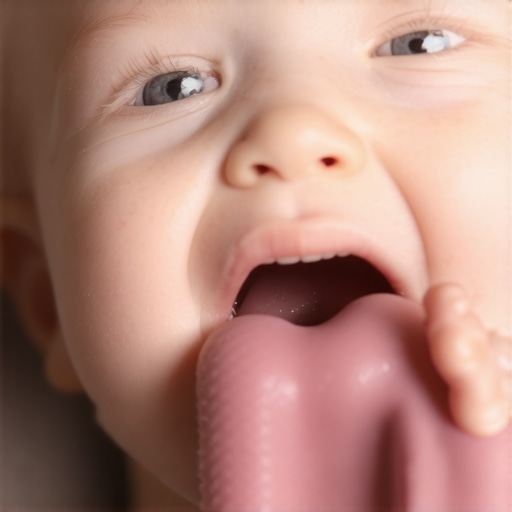
I remember sitting on the nursery floor at 3 AM, rocking my daughter while she let out a cry that sounded more like a siren. My coffee was stone cold, my eyes felt like they were full of sand, and I felt completely helpless. I had the medicine bottle in my hand, but I hesitated. I wanted to help her, but I also wanted to find a way to manage this milestone without reaching for a chemical fix every time a new molar made an appearance. That night was my lightbulb moment. It sent me down a rabbit hole of research into family dentistry secrets and ancient home remedies that actually work. Today, I am sharing exactly how we survived that season and how you can too, using nothing but what you already have in your kitchen and a little bit of patience.
Stop the 3 AM Teething Tears Without the Medicine Cabinet
When I first started this journey, I made a classic rookie mistake: I thought everything that looked scary was an emergency. I remember panicking when I saw why your toddlers gums look purple where a new tooth is coming in, thinking it was an infection when it was actually just a normal eruption hematoma. It turns out that a lot of what we worry about is just part of the process. While it is tempting to use over-the-counter gels, the American Academy of Pediatrics actually warns against teething gels containing benzocaine because they can reduce oxygen levels in the blood, which is a scary thought for any parent. Instead, focusing on top oral health tips for your familys bright smiles from day one can make the whole process smoother. My biggest early fail? I once froze a washcloth so solid it practically stuck to my son’s lip—way too cold! I learned quickly that ‘chilled’ is better than ‘frozen solid.’
Is natural relief actually worth the extra work?
You might be wondering if skipping the quick-fix meds is really worth the extra rocking and the cold carrots. In my experience, absolutely. Not only do you avoid potential side effects, but you also start building a foundation for a lifetime of healthy habits. Learning the strategy for getting a nervous toddler through their first cleaning starts with how you handle their discomfort now. Have you ever felt that pang of guilt while looking at a crying baby, unsure if you should reach for the medicine or try one more natural trick? You are definitely not alone in that. Let’s dive into the practical steps that actually provide relief without the pharmacy run.Pressure is the unsung hero of teething. When those tiny teeth are trying to breach the surface, the gums feel a constant, dull throb. Providing counter-pressure distracts the nervous system and provides instant, albeit temporary, relief. I remember one Tuesday afternoon when nothing was working. I’d tried every plastic ring in the house. Finally, I just washed my hands thoroughly and used my knuckle to apply firm, circular pressure to my daughter’s lower ridge. The silence was immediate. It’s a similar logic to why your dental crown feels like it is vibrating; sometimes the nerves just need a different sensation to focus on. If you are using your finger, make sure you aren’t just rubbing the surface but actually giving the bone underneath something to lean into.
Give those gums something to push against
Think of this like a massage for a sore muscle. Use a clean, damp gauze pad or a finger to rub the gums. The texture of the gauze provides a slight friction that many babies prefer over smooth skin. If your little one is old enough to hold things, a silicone spoon is a fantastic tool. It’s soft enough not to bruise but firm enough to resist their bite. This isn’t just about the immediate quiet; it’s about teaching your child that they have tools to manage their own discomfort, a lesson that pays off years later when you are choosing the right crown expert advice for long-lasting results and looking for someone who understands patient comfort.
The cold truth about chilled cotton
Forget the frozen-solid washcloths that can actually cause frostbite-like damage to sensitive oral tissues. Instead, soak a clean cotton cloth in chamomile tea and place it in the fridge—not the freezer—for twenty minutes. The chamomile acts as a mild, natural anti-inflammatory, and the chilled temperature constricts the blood vessels in the gums, numbing the area slightly. 
Pick the right snacks to soothe the ache
Once your child has started solids, food becomes a medicinal tool. A chilled (not frozen) cucumber spear or a large, peeled carrot can work wonders. The key here is supervision; you are using the food as a teether, not a meal. I once tried giving my son a frozen bagel—a tip I read online—and it was a disaster. It became a soggy, sticky mess in minutes and actually made him more frustrated. Instead, stick to items that maintain their structure. This phase is actually a great precursor to understanding the best foods to eat when your new braces feel tight later in life.
Molars require a different game plan
When those back molars start moving, the surface area of discomfort increases significantly. This is also when you might notice why your childs new molars have deep grooves that trap food. During this stage, a standard teething ring often won’t reach far enough back. You’ll need to use a specialized molar teether or even a cold, wet toothbrush. Gently brushing the area where the tooth is erupting can help break down the gum tissue faster and provide a different kind of relief. It’s also the perfect time to ask your dentist why your child needs a dental sealant on their molars to protect those new arrivals.
Stop the thumb habit before it starts
It is incredibly common for babies to seek comfort through sucking during teething, but be wary of this turning into a permanent fixture. Helping your child find relief through the methods above can help you avoid having to figure out how to stop your child from sucking their thumb for good down the road. If they are constantly putting their hands in their mouth, redirect them to a chilled teether or the gauze rub. By being proactive now, you’re not just surviving the night; you’re setting the stage for a lifetime of healthy dental visits.While we’re in the thick of teething, it’s easy to focus solely on those new little buds, but I’ve learned that family oral health is a long game. One thing I see people get wrong constantly is the idea that orthodontic work like Invisalign is just a vanity project for parents who missed out on braces as kids. In reality, it’s a critical structural health move. Straighter teeth are significantly easier to clean, which means you’re far less likely to deal with the reason your gums bleed only in the back of your mouth later in life. A study in the American Journal of Orthodontics and Dentofacial Orthopedics (AJO-DO) highlights that correcting crowding with clear aligners significantly improves periodontal health markers by reducing plaque retention sites. It’s one of those the hidden benefits of invisalign for family dental care in 2025 at 903 am that most people overlook until they are facing a deep cleaning for their own gums.
Aligners are actually a secret weapon for your gums
If you’ve been looking into invisalign myths debunked what you need to know today, you’ve probably heard they are ‘easier’ than traditional metal braces. While true, the nuance most people miss is that the success of the treatment depends entirely on how well the trays ‘seat’ against your teeth. If there is even a tiny gap between the aligner and the tooth, the root won’t move as planned, and you’ll end up with a stalled treatment. This is where many people fail; they pop the trays in and go. To really get the medical benefit, you need to learn how to seat stubborn invisalign trays using the munchie technique. This ensures the plastic is fully engaged with the tooth’s surface. #IMAGE_PLACE_HOLDER_C#
Stop waiting for your new crown to ‘settle’ into place
There is a dangerous ‘trap’ in the world of family dentistry trends improving oral health for all ages: the belief that a new restoration should feel slightly ‘high’ or ‘off’ for a few weeks while you ‘break it in.’ This is a recipe for disaster. If you notice why your new filling feels high when you bite down on the left side, or if your why your new zirconia crown feels taller than your other teeth, it means the occlusion is unbalanced. Your teeth don’t ‘settle’—your jaw joint simply compensates until it becomes inflamed. This leads to unexplained headaches and even long-term TMJ issues. Have you ever fallen into this trap and just hoped the pain would go away on its own? Let me know in the comments. When you are choosing the right crown expert advice for long-lasting results, look for someone who prioritizes that final bite adjustment.
Why does your bite feel ‘off’ only when you’re stressed?
Many readers ask why their dental work feels perfect during the day but ‘weird’ or ‘tight’ in the morning. This is often the first sign of nocturnal bruxism, where stress causes you to clinch. If you don’t address the connection between grinding your teeth and those constant morning headaches, you can actually crack the porcelain on those expensive new crowns. Understanding why crowns are a game changer in restorative dentistry also means understanding that they aren’t indestructible. Proper maintenance includes knowing how to keep your invisalign trays clear without buying expensive cleaners to avoid harborining bacteria around the gumline. By staying ahead of these nuances, you aren’t just fixing problems—you’re protecting your family’s future smiles.
Master the Messy Art of Water Flossing
I’ll be the first to admit it: the first time I used a water flosser, I ended up soaking my bathroom mirror and my shirt. But once I learned the trick to using a water flosser without making a total mess, it became my absolute favorite tool. I use it personally because manual floss just doesn’t get deep enough into the periodontal pockets, especially if you have a bridge or a crown. It’s the only thing that consistently stopped the reason your gums bleed only in the back of your mouth for me. If you’re serious about maintaining top oral health tips for your familys bright smiles, you need to be doing this every single night before bed to flush out the debris that brushes simply cannot reach.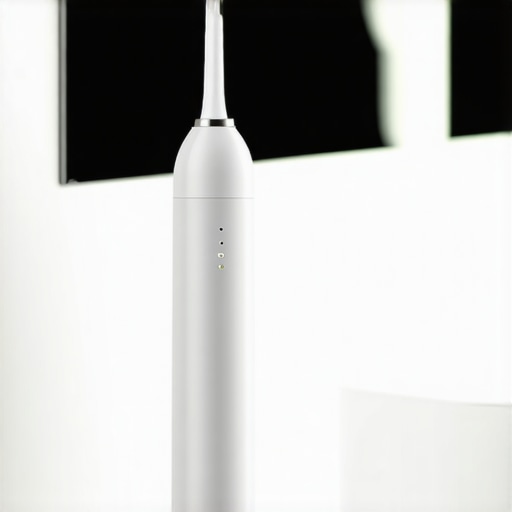
How do I maintain my family’s dental work over time?
The secret isn’t just brushing harder; it’s about the chemistry of your cleaning routine and the tools you choose. For my Invisalign users, stop buying those overpriced, branded tablets. I’ve found that how to keep your invisalign trays clear without buying expensive cleaners often involves simple, non-abrasive solutions that prevent why your invisalign trays are turning yellow even with regular cleaning. For those of us with crowns, maintenance means checking for micro-fractures every morning. I once ignored a weird sensation and ended up with why your porcelain crown has a tiny chip on the edge because I was grinding my teeth during a stressful work week. Now, I use a high-fluoride toothpaste specifically to protect the margin where the crown meets the tooth, ensuring the ultimate guide to crowns for a healthier smile actually leads to long-term success.
The Future of Your Family’s Smile is Digital
Looking ahead, the biggest trend I see is the move away from ‘guessing’ and toward total digital precision. The *International Journal of Computerized Dentistry* states that 3D CBCT imaging offers a level of diagnostic clarity that traditional 2D X-rays can’t touch, providing accuracy down to the tenth of a millimeter. This is exactly what a 3d cbct scan reveals that standard x-rays miss entirely, such as hidden infections under old roots. This tech is driving invisalign innovations the future of family dentistry revealed at 1137 am, making treatments significantly faster. I predict that by late 2025, we’ll see how invisalign transforms family dentistry in 2025 through AI-driven apps that monitor your tooth movement via your smartphone. This isn’t just about aesthetics; it’s about the hidden benefits of invisalign for family dental care in 2025 at 903 am, like preventing future bone loss and recession. If you haven’t yet, I strongly encourage you to ask your provider about a 3D scan at your next visit—it changed my entire perspective on my own oral health. We are moving toward a world where choosing the right crown expert advice for long-lasting results means looking at a digital twin of your jaw before a single tooth is even touched.
The truth about why some dental treatments fail while others last a lifetime
For years, I thought a dentist’s job ended when the chair moved back up. The biggest lightbulb moment for me was realizing that modern oral health is a 50/50 partnership. You can have the most expensive the ultimate guide to crowns for a healthier smile at your fingertips, but if you aren’t managing your stress and bite alignment, that work won’t last. I’ve learned that the ‘hidden’ cause of most failures isn’t bad materials, but unrecognized habits like grinding or neglecting those how to fix the black triangle gaps that appear after braces.
The gear I use to keep my family’s smiles on track
If you are building your own home care kit, here are the non-negotiables I swear by: First, a high-quality water flosser is a must—just remember the trick to using a water flosser without making a total mess. Second, I always keep a simple sea salt jar in the cabinet because the saltwater rinse hack for immediate gum relief is more effective than most store-bought mouthwashes for minor irritations. #IMAGE_PLACEHOLDER_E# Finally, if you’re debating alignment, look into invisalign vs braces which solution fits your lifestyle to find a path that you will actually stick to.
Your path to a pain-free family smile starts here
Taking control of your dental health doesn’t have to be a source of anxiety. Whether you’re navigating the late-night tears of a teething toddler or deciding on restorative work for yourself, the key is staying informed and proactive. By using family dentistry secrets and modern technology, you can break the cycle of emergency dental visits. Your future smile is waiting for you to take that first small step today. Have you ever struggled with a new dental crown or filling that just didn’t feel right from day one? Let me know in the comments below!