
Why your baby is drooling excessively before their first tooth appears

My firstborn was about three months old when the deluge began. I am not talking about a little bit of spit-up; I mean a constant, heavy stream of moisture that soaked through four bibs a day and left a permanent wet patch on my shoulder. I was convinced a tooth was about to burst through his gums at any second. I kept rubbing my finger along his smooth, pink gums, expecting to feel that sharp little ridge. Weeks went by. Then months. No tooth. I made the classic rookie mistake of assuming that heavy drool always means immediate teething, which sent me down a spiral of unnecessary worry about his development. It turns out, baby drool is a whole different biological beast.
The Great Drool Deluge Before the Teeth Arrive
So, why is your little one suddenly acting like a leaky faucet when there is not a pearly white in sight? Around the three-month mark, a baby’s salivary glands kick into overdrive. This is a major developmental milestone, but because their swallowing reflex is still incredibly immature, all that extra spit has nowhere to go but out. It is a vital part of family dentistry and early oral development. This saliva is actually preparing their digestive system for solid foods, coating their digestive tract, and helping to neutralize stomach acid. It also contains antibodies that protect their vulnerable little mouths from germs as they start putting absolutely everything they touch directly into their mouths.
Is this constant soaking actually normal?
It is easy to feel skeptical and wonder if something else is going on. You might ask yourself: is this much moisture really healthy, or could it be a sign of an issue? It is completely normal. In fact, according to the American Academy of Pediatrics, babies do not fully develop the muscle coordination required to swallow saliva efficiently until they are closer to two years old. That means all that drooling is just a temporary phase of learning how to manage their own mouth. However, you do need to keep an eye on their skin to prevent drool rashes. When my son was soaking his shirts, I also worried about how I would eventually clean those first teeth. If you are already thinking ahead, you can check out the trick to getting your baby to accept a toothbrush so you are fully prepared when that first tooth finally breaks through. Have you found yourself changing your baby\’s outfit three times a day just to keep them dry?
How to Manage the Drool Avalanche Without Losing Your Sanity
When the moisture starts flowing like a broken water main, you cannot just stand by and watch your child’s collar turn into a soggy sponge. If you let that moisture sit on their delicate skin, you will soon be dealing with a raw, angry red drool rash. Managing this phase is not about stopping the saliva—which is actually a helper for their developing oral health—but redirecting it and shielding their skin. You need a daily strategy that keeps the moisture away from their neck creases and chest.
Create a moisture barrier that actually works
Do not wait for the skin to turn pink before you act. My own breakthrough moment came when my firstborn’s chin looked like a piece of sandpaper. I realized that wiping with dry cloths was just chafing his skin further. Instead, apply a thin, protective layer of pure petroleum jelly or an organic, food-safe nipple cream around their chin and neck folds twice a day. This acts like a raincoat, letting the saliva slide right off instead of soaking into the skin. When you do clean their face, pat gently with a damp, cool washcloth instead of wiping or rubbing.

The rotating bib strategy
If you keep the same bib on your baby all morning, you are essentially wrapping their neck in a wet compress. I recommend investing in thick, organic cotton bandana bibs that have a fleece backing. The fleece acts as a barrier that prevents the spit from soaking through to their actual clothing. Change the bib the second it feels damp to the touch. On our heaviest days, this meant going through six bibs before lunchtime, but it completely saved my son’s skin and spared us from constant outfit changes.
Prepping Their Mouth for the First Pearly Whites
Even though those teeth are still hiding beneath the surface, you must start building healthy oral habits now. The bacteria that cause future cavities can still cling to their gums and tongue. This is a foundational step in family dentistry trends that modern parents often overlook because they do not see any teeth yet.
Wipe the gums daily
Wrap a clean, damp piece of gauze or a soft infant washcloth around your index finger. Gently massage your baby’s gums at least once a day, preferably before bed. This does two things: it cleans away breastmilk or formula residue, and it desensitizes their mouth. Babies who get used to having their gums massaged are significantly less likely to fight you when you eventually transition to a real brush. If you find yourself struggling with a fussy baby who hates this process, you can find help by practicing the trick to getting your baby to accept a toothbrush early on.
Introduce cool teething toys to soothe deep pressure
That heavy drool is often accompanied by a deep, itchy sensation in the jaw as those tiny teeth move upward through the bone. To soothe this without medicine, use solid rubber teething rings chilled in the fridge—never the freezer, as frozen toys can bruise delicate gum tissue. The cold temperature constricts the blood vessels, providing a natural numbing effect that temporarily slows down the overactive salivary glands.
While establishing a solid daily routine with your baby’s gums sets the stage for future oral hygiene, as parents, we often carry our own misconceptions about modern dental care. It is easy to look at advanced treatments like clear aligners or porcelain restorations and make assumptions based on outdated advice. Let us dig deeper into the actual nuances of modern dental care to separate fact from fiction. Many well-meaning parents fall into common traps that can actually delay necessary care or result in unnecessary stress.
The Invisible Aligner Trap Most Adults Fall Into
When it comes to straightening teeth, a very common belief is that clear aligners are only for minor cosmetic touch-ups, while traditional metal braces are required for any real structural changes. In my own journey and through discussing modern dental practices, I have found this to be completely false. Advanced technology has shifted the playing field dramatically. However, the real trap is not believing aligners cannot handle complex cases; it is assuming that because they are removable, they require less discipline. The freedom to take out your trays can actually become your biggest hurdle if you do not strictly manage your wear time.
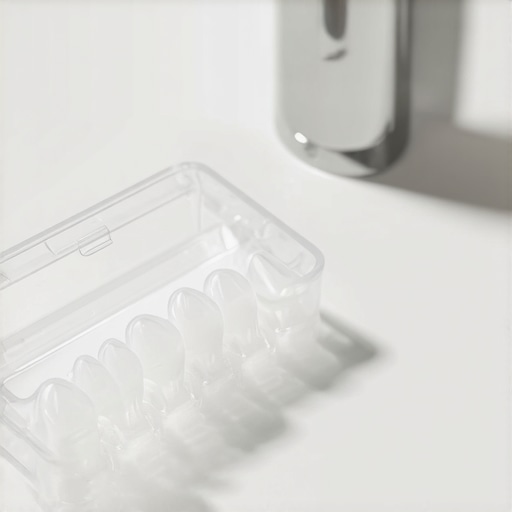
Why does my clear aligner case still smell even after washing it?
This is a highly sophisticated issue that many aligner patients encounter, and it points to a common hygiene mistake. Many people assume a quick rinse under warm water is enough to keep their trays clean. In reality, bacteria from your saliva quickly form a microscopic biofilm on the plastic surface. When you store them incorrectly, you trap this bacteria in a dark, damp environment. According to a study published in the American Journal of Orthodontics and Dentofacial Orthopedics, failing to sanitize aligners properly can lead to significant bacterial accumulation, causing both bad breath and increased cavity risks. If you are struggling with this issue, you can read about why your invisalign case smells even after you wash it to fix your daily sanitizing routine.
The Misunderstanding of Protective Crowns
Another area rife with myths is restorative dentistry, specifically dental crowns. Many people think a crown is only necessary when a tooth is completely broken or has a massive, painful cavity. The contrarian view here is that waiting for pain is actually the worst strategy. Crowns are designed to be preventative shields. By the time a tooth hurts when you release a bite, the structural integrity of that tooth is already deeply compromised. Delaying a crown often leads to a full fracture, making an extraction or root canal inevitable.
The hidden danger of ignoring minor bite changes
A specific trap to avoid after getting a new restoration is ignoring a bite that feels just slightly off. You might assume your mouth will naturally adapt to a new crown over a few weeks. However, even a microscopic discrepancy in how your teeth meet can create immense, localized pressure. This pressure travels down into the jawbone, causing chronic soreness or making the tooth highly sensitive to temperature. If your new restoration does not feel perfectly natural when you bite down, do not wait it out. You can learn how to address this by checking out how to stop your new crown from feeling too high when you chew. Have you ever fallen into this trap of waiting for the pain to go away on its own? Let me know in the comments!
Once you navigate the early drooling stages and invest in advanced treatments like corrective clear trays or custom restorations, you enter the crucial preservation phase. Maintaining these medical investments requires more than just brushing twice a day. It demands specific tools and daily habits that keep your oral ecosystem balanced. In my personal routine, I have abandoned generic pharmacy tools in favor of targeted diagnostic and cleaning equipment. The long-term success of your family’s smiles relies entirely on the precise maintenance of these dental structures.
How do I maintain my dental restorations and aligners over time?
To keep clear aligners pristine and ensure your restorations last for decades, you must look beyond basic toothpaste. I highly recommend using a dedicated ultrasonic cleaning bath for any removable dental appliances. Personally, I use a medical-grade ultrasonic cleaner filled with warm water and a single micro-cleansing tablet. The high-frequency sound waves create microscopic bubbles that implode against the plastic, blasting away stubborn biofilm that manual scrubbing with a toothbrush simply cannot reach. Scrubbing your aligners with a standard toothbrush actually creates microscopic scratches where bacteria can multiply, making them cloudy over time. If you want to keep your trays crystal clear, you should learn
For fixed structures like crowns, the biggest threat is plaque accumulation at the margin where the porcelain meets your natural tooth. To combat this, I personally rely on a high-pressure water flosser equipped with an orthodontic tip, followed immediately by dental tape. Standard thin floss often slips right past the tight contact points of a new crown without actually grabbing the sticky debris. If you are struggling with food getting stuck after meals, implementing a precise flossing technique is the move to stop a crown from trapping food every time you eat steak.
The Future of Home Care Diagnostics
Where is family dental maintenance heading in the next few years? The next major shift is already happening in smart diagnostic technology. We are moving away from reactive dental visits toward predictive home care. Clinical studies, such as research published in the Journal of Oral Microbiology, highlight the development of smart toothbrushes equipped with real-time bio-sensors. These advanced tools analyze the chemical composition of your saliva as you brush, instantly detecting elevated acidity or early markers of periodontal inflammation before any physical damage occurs. This level of preventative technology will completely transform how we manage family dentistry trends. My advice is to stop guessing about your oral health. Start by upgrading your cleaning toolkit with an ultrasonic cleaner or a high-quality water flosser today, and take active control of your family’s long-term wellness.
When you look at the entire landscape of your family’s dental health, you realize it is not a series of disconnected events, but a continuous journey. From the very first drool-soaked bib in infancy to the advanced alignments and structural restorations of adulthood, every phase requires informed decisions and deliberate, proactive habits.
The Realities of Modern Family Dentistry I Wish I Had Known Sooner
Reflecting on years of managing both my children’s oral development and my own adult dental care, several key realizations completely changed my approach to oral health. These are the shifts in perspective that saved our smiles and my sanity:
- Preventative care starts long before the visible structure appears: Massaging an infant’s bare gums does more than just clean away milk residue; it sets up a lifetime of compliance. Doing this early prevents future brushing battles.
- Pain is a terrible indicator of dental health: Waiting until a tooth hurts to get a crown often means you have waited until the damage has reached the nerve. Early intervention prevents root canals.
- Compliance is the hidden cost of clear aligners: Removable trays are only as effective as your discipline. If you cannot commit to wearing them for 22 hours a day, traditional options might actually suit your lifestyle better.
- Restorations are not permanent shields: Getting a crown does not make a tooth immune to decay. The seam where the porcelain meets your natural tooth is highly vulnerable and requires more precise flossing than a natural tooth.
My Personal Toolkit for Complete Oral Maintenance
I have discarded generic drugstore solutions in favor of a specialized routine. Here are the specific tools and resources I personally rely on to keep our smiles in peak condition:
- Medical-Grade Ultrasonic Cleaner: This is a non-negotiable tool for sanitizing aligners or night guards without scratching the plastic. For a deeper understanding of advanced aligner care, I recommend reviewing the latest Invisalign innovations that are changing modern treatments.
- Woven Dental Tape and Orthodontic Water Flossers: Standard thin floss simply cannot clean the tight margins of modern restorations. This combination is essential to protect dental investments. To learn more about why these protective covers are so vital, you can read about why crowns are a game changer in restorative dentistry.
- Soft-Bristled Silicon Training Brushes: For infants and toddlers, these brushes gently massage irritated gum tissue while building the tactile familiarity needed for independent brushing later on.
Take Charge of Your Familys Dental Destiny
You do not have to wait for your next scheduled dental checkup to begin transforming your family’s oral health. By shifting from a reactive approach to a predictive, daily routine, you can prevent issues before they ever cause discomfort. Whether you are soothing a drooling three-month-old, maintaining advanced clear aligners, or preserving a brand-new restoration, consistency is your greatest asset. Implement these strategies one step at a time, and watch how a few small habits yield a lifetime of healthy, confident smiles. Have you ever struggled with keeping your teenager’s clear aligners clean, or managing an unexpected crown issue? Let me know your experiences in the comments below!