
Why your Invisalign case smells even after you wash it
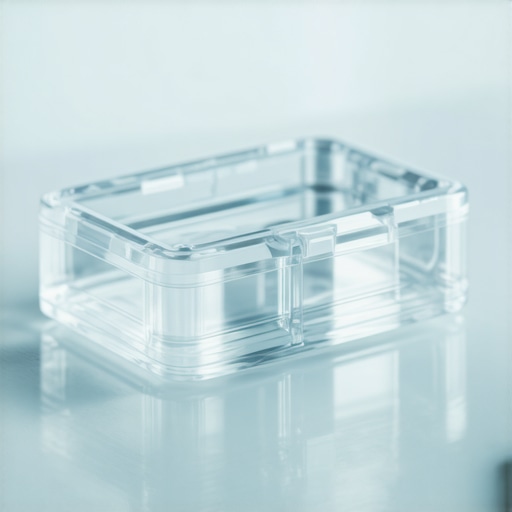
I remember the first time I popped open my Invisalign case at a crowded dinner party. I thought I was being discreet, tucking my trays away before the appetizers arrived. Then, a sharp, sour odor wafted up from the little plastic box, and I froze. I had literally just rinsed it under the faucet five minutes before! It felt like I was carrying a tiny, damp locker room in my pocket. If you have ever felt that wave of panic because your case smells like old gym socks despite your best efforts, I have been exactly where you are. We choose these clear aligners because they are supposed to be the pinnacle of modern, clean orthodontics, but nobody prepares you for the ‘scent’ that comes with the territory. Today, I am going to show you exactly why that smell persists and how you can reclaim your fresh breath.
Why a Quick Rinse is Actually Your Worst Enemy
I made a massive mistake during my first month: I thought water was enough. I would rinse my case, shake it out, and call it a day. The reality is that plastic is surprisingly porous. On a microscopic level, your case is full of tiny craters that act like a five-star hotel for bacteria. When you place your trays inside, you are transferring saliva and proteins that quickly harden into a stubborn biofilm. Even a thorough rinse won’t touch that layer. I learned the hard way that ignoring this buildup leads to the same frustrations people have when they find a night guard has started to smell like vinegar. If you do not break down that biofilm, the smell will return the second the plastic gets damp again. It is one of the most common invisalign myths that these cases are self-cleaning or low-maintenance.
Are these plastic cases just destined to smell forever?
It is a fair question to ask when you have tried three different soaps and nothing works. You might start to think it is just the nature of the material. However, the science says otherwise. According to a study published in the American Journal of Orthodontics and Dentofacial Orthopedics, dental appliances can harbor significant colonies of Streptococcus mutans if they aren’t properly disinfected, not just rinsed. This isn’t just about a bad smell; it is about keeping your mouth healthy. Understanding how to keep your breath fresh while wearing Invisalign trays all day starts with the environment where those trays spend their downtime. If the case is dirty, the trays are dirty, and your breath will follow suit.
The Hidden Traps Inside Your Case
The design of the case itself often works against us. Those sleek, tight-fitting lids are great for portability, but they trap moisture perfectly. Bacteria thrive in dark, damp, and warm environments—which is exactly what your pocket provides. I once tried scrubbing my case with a stiff toothbrush and abrasive paste, thinking I was being thorough. Instead, I just created tiny scratches in the plastic that gave the bacteria even more places to hide! It is a similar struggle to figuring out how to clean the gunk out of your Invisalign aligners; you need a strategy that is effective but gentle. Have you ever opened your case and felt like you needed to apologize to the person sitting next to you? I would love to hear your ‘stinky case’ stories in the comments—let’s figure this out together.
Force Out Bacteria with Oxygen
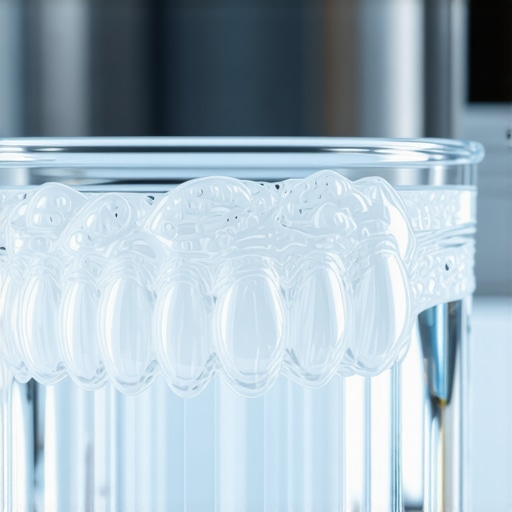
To truly get rid of that lingering sour smell, you have to move beyond surface-level cleaning. Think of the bacteria in your case like a stubborn stain on a white shirt; you cannot just rub it with water and expect it to vanish. You need something that penetrates. This is where effervescent cleaning tablets come into play. These tablets release thousands of tiny oxygen bubbles that physically lift the biofilm away from the plastic walls. I have found that using the best way to clean your retainers without using harsh chemicals is often the exact same protocol you should use for your case. Once a week, drop a tablet into a glass of lukewarm water and let your case soak for at least fifteen minutes. This is not just about smell; it is about resetting the environment.
Ditch the Dish Soap for Effervescent Tablets
Many people reach for dish soap because it is handy at the kitchen sink, but soap often leaves behind a filmy residue that actually attracts more bacteria over time. If you have ever noticed your case looks a bit hazy, you are likely seeing soap buildup. I made the switch to specialized tablets after I realized my morning coffee tasted like lemon-scented detergent every time I put my trays back in. It is a similar logic to the easiest way to clean a night guard that has turned yellow or cloudy—you need an agent that breaks down calcium and proteins without adding more ‘gunk’ to the mix.
The Two Minute Deep Clean Routine
I remember one specific Tuesday afternoon when I thought I was being a cleaning genius by using boiling water to ‘sterilize’ my case. I figured heat kills everything, right? I did not just kill the bacteria; I warped the plastic so badly the lid would not close anymore. It was a $25 mistake that taught me a valuable lesson: patience and the right chemistry beat brute force every time. Now, my daily routine is simple. Every morning, while I am doing the 2-minute habit that prevents morning breath better than mouthwash, I take a dedicated soft-bristled toothbrush and gently sweep the interior of the case with plain, lukewarm water. This prevents the saliva from hardening into that impossible-to-remove film in the first place.
Scrubbing Without the Scratches
The key word here is *soft*. Using a hard brush or abrasive toothpaste creates micro-scratches in the plastic. These scratches are like tiny bunkers for bacteria where no amount of soaking can reach them. If you have been scrubbing hard and the smell still will not leave, you might have already compromised the surface. In that case, a deep soak is your only hope. When you are on the move, knowing the best way to travel with aligner cleaners in your carry-on ensures you do not break this habit just because you are away from your home base. A single day of neglect is all it takes for the odor to take root again.
The Case Needs Air as Much as You Do
The biggest mistake I see—and one I lived through for months—is closing the case the moment you take your trays out. By snapping that lid shut on a damp interior, you are essentially creating a petri dish in your pocket. Bacteria love stagnant, humid air. I started leaving my case open on the bathroom counter while I wore my trays during the day. This simple ‘airing out’ process drastically reduced the sour smell within 48 hours. If you must carry it with you, try to find a moment to let it sit open when you are at your desk or safely at home. Dry plastic does not smell; damp plastic does. It is a fundamental rule of orthodontic hygiene that most people overlook because we are so focused on the trays themselves.
I remember the first time I popped open my Invisalign case at a crowded dinner party. I thought I was being discreet, tucking my trays away before the appetizers arrived. Then, a sharp, sour odor wafted up from the little plastic box, and I froze. I had literally just rinsed it under the faucet five minutes before! It felt like I was carrying a tiny, damp locker room in my pocket. If you have ever felt that wave of panic because your case smells like old gym socks despite your best efforts, I have been exactly where you are. We choose these clear aligners because they are supposed to be the pinnacle of modern, clean orthodontics, but nobody prepares you for the ‘scent’ that comes with the territory. Today, I am going to show you exactly why that smell persists and how you can reclaim your fresh breath.
Why a Quick Rinse is Actually Your Worst Enemy
I made a massive mistake during my first month: I thought water was enough. I would rinse my case, shake it out, and call it a day. The reality is that plastic is surprisingly porous. On a microscopic level, your case is full of tiny craters that act like a five-star hotel for bacteria. When you place your trays inside, you are transferring saliva and proteins that quickly harden into a stubborn biofilm. Even a thorough rinse won’t touch that layer. I learned the hard way that ignoring this buildup leads to the same frustrations people have when they find a night guard has started to smell like vinegar. If you do not break down that biofilm, the smell will return the second the plastic gets damp again. It is one of the most common invisalign myths that these cases are self-cleaning or low-maintenance.
Are these plastic cases just destined to smell forever?
It is a fair question to ask when you have tried three different soaps and nothing works. You might start to think it is just the nature of the material. However, the science says otherwise. According to a study published in the American Journal of Orthodontics and Dentofacial Orthopedics, dental appliances can harbor significant colonies of Streptococcus mutans if they aren’t properly disinfected, not just rinsed. This isn’t just about a bad smell; it is about keeping your mouth healthy. Understanding how to keep your breath fresh while wearing Invisalign trays all day starts with the environment where those trays spend their downtime. If the case is dirty, the trays are dirty, and your breath will follow suit.
The Hidden Traps Inside Your Case
The design of the case itself often works against us. Those sleek, tight-fitting lids are great for portability, but they trap moisture perfectly. Bacteria thrive in dark, damp, and warm environments—which is exactly what your pocket provides. I once tried scrubbing my case with a stiff toothbrush and abrasive paste, thinking I was being thorough. Instead, I just created tiny scratches in the plastic that gave the bacteria even more places to hide! It is a similar struggle to figuring out how to clean the gunk out of your Invisalign aligners; you need a strategy that is effective but gentle. Have you ever opened your case and felt like you needed to apologize to the person sitting next to you? I would love to hear your ‘stinky case’ stories in the comments—let’s figure this out together.
Force Out Bacteria with Oxygen
To truly get rid of that lingering sour smell, you have to move beyond surface-level cleaning. Think of the bacteria in your case like a stubborn stain on a white shirt; you cannot just rub it with water and expect it to vanish. You need something that penetrates. This is where effervescent cleaning tablets come into play. These tablets release thousands of tiny oxygen bubbles that physically lift the biofilm away from the plastic walls. I have found that using the best way to clean your retainers without using harsh chemicals is often the exact same protocol you should use for your case. Once a week, drop a tablet into a glass of lukewarm water and let your case soak for at least fifteen minutes. This is not just about smell; it is about resetting the environment.
Ditch the Dish Soap for Effervescent Tablets
Many people reach for dish soap because it is handy at the kitchen sink, but soap often leaves behind a filmy residue that actually attracts more bacteria over time. If you have ever noticed your case looks a bit hazy, you are likely seeing soap buildup. I made the switch to specialized tablets after I realized my morning coffee tasted like lemon-scented detergent every time I put my trays back in. It is a similar logic to the easiest way to clean a night guard that has turned yellow or cloudy—you need an agent that breaks down calcium and proteins without adding more ‘gunk’ to the mix.
#IMAGE_PLACE_HOLDER_B#
The Two Minute Deep Clean Routine
I remember one specific Tuesday afternoon when I thought I was being a cleaning genius by using boiling water to ‘sterilize’ my case. I figured heat kills everything, right? I did not just kill the bacteria; I warped the plastic so badly the lid would not close anymore. It was a $25 mistake that taught me a valuable lesson: patience and the right chemistry beat brute force every time. Now, my daily routine is simple. Every morning, while I am doing the 2-minute habit that prevents morning breath better than mouthwash, I take a dedicated soft-bristled toothbrush and gently sweep the interior of the case with plain, lukewarm water. This prevents the saliva from hardening into that impossible-to-remove film in the first place.
Scrubbing Without the Scratches
The key word here is *soft*. Using a hard brush or abrasive toothpaste creates micro-scratches in the plastic. These scratches are like tiny bunkers for bacteria where no amount of soaking can reach them. If you have been scrubbing hard and the smell still will not leave, you might have already compromised the surface. In that case, a deep soak is your only hope. When you are on the move, knowing the best way to travel with aligner cleaners in your carry-on ensures you do not break this habit just because you are away from your home base. A single day of neglect is all it takes for the odor to take root again.
The Case Needs Air as Much as You Do
The biggest mistake I see—and one I lived through for months—is closing the case the moment you take your trays out. By snapping that lid shut on a damp interior, you are essentially creating a petri dish in your pocket. Bacteria love stagnant, humid air. I started leaving my case open on the bathroom counter while I wore my trays during the day. This simple ‘airing out’ process drastically reduced the sour smell within 48 hours. If you must carry it with you, try to find a moment to let it sit open when you are at your desk or safely at home. Dry plastic does not smell; damp plastic does. It is a fundamental rule of orthodontic hygiene that most people overlook because we are so focused on the trays themselves.
It’s easy to get obsessed with the physical grime, but the real secret I’ve learned—and what many general dentists won’t tell you—is that your case is often a reflection of your internal oral chemistry. Everyone says you just need to scrub harder, but in my experience, managing your mouth’s pH balance works much better than any abrasive brush ever could. If your saliva is overly acidic, that smell will latch onto the plastic within minutes of you putting the trays away. This is one of those family dentistry secrets for maintaining oral health that bridges the gap between basic hygiene and advanced care. When you realize that your aligners are part of a larger ecosystem, you start to see why how invisalign transforms family dentistry in 2025 is as much about education as it is about technology.
Beyond the Case: The Hidden Biology of Your Smile
The ‘contrarian’ truth about a smelly case is that the smell isn’t always the case’s fault—it’s often a sign that your oral microbiome is out of sync. Most people assume that if they brush their teeth, they are ‘clean.’ However, clear aligners create a unique ‘stagnation zone’ where bacteria can proliferate without the usual flushing action of saliva. If you find that your case smells like vinegar even after a deep soak, you might be dealing with an overgrowth of acid-producing bacteria. Citing a study from the Journal of Clinical Periodontology, researchers found that orthodontic appliances can significantly shift the subgingival microbiota in as little as two weeks. This shift can lead to unexpected issues, like the reason your crown smells bad when you floss around it, because the bacteria can migrate from your trays to your permanent dental work.
Does the material of your case actually matter for long-term health?
It’s a question that sophisticated patients often ask: is the plastic itself part of the problem? While Invisalign innovations have led to incredibly biocompatible materials, no medical-grade plastic is completely immune to ‘bio-fouling.’ This is the process where a microscopic layer of proteins—a pellicle—forms on the surface, providing a foundation for bacteria. If you are also managing other dental work, such as the ultimate guide to crowns for a healthier smile, you have to be twice as vigilant. A degraded or dirty case can act as a reservoir for pathogens that eventually affect the health of your gums and the longevity of your restorations.
Stop using mouthwash as a cleaning solution
One major ‘oops’ factor I see constantly is the urge to soak cases or trays in mouthwash to ‘freshen’ them up. It seems logical—mouthwash kills germs, right? However, the alcohol and artificial dyes in most commercial rinses can actually degrade the integrity of the plastic over time, making it more porous and even more likely to trap odors in the long run. This chemical degradation is a common trap that leads people to wonder why a crown feels sensitive to cold months after it was placed; often, the culprit is a shift in the oral environment or gum irritation caused by improper cleaning habits.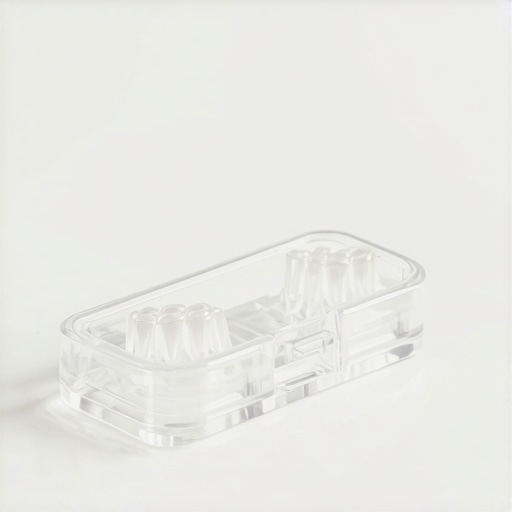
The Final Piece of the Hygiene Puzzle
If you have reached the point where no amount of soaking or airing out fixes the odor, it is time to look deeper. Sometimes, a persistent smell is an early warning system for things you can’t see. It might be time to learn how to tell if that dull ache is a cavity or sinus pressure, as inflammation in the mouth can change the chemical composition of your saliva, making it more ‘sticky’ and prone to smelling. Reclaiming your fresh breath is about the harmony between your hardware and your health. Have you ever fallen into the trap of using harsh chemicals only to make the plastic look cloudy or smell worse? Let me know in the comments, and let’s figure out the best routine for your specific lifestyle together.
Stop Scrubbing and Start Using Cavitation Technology
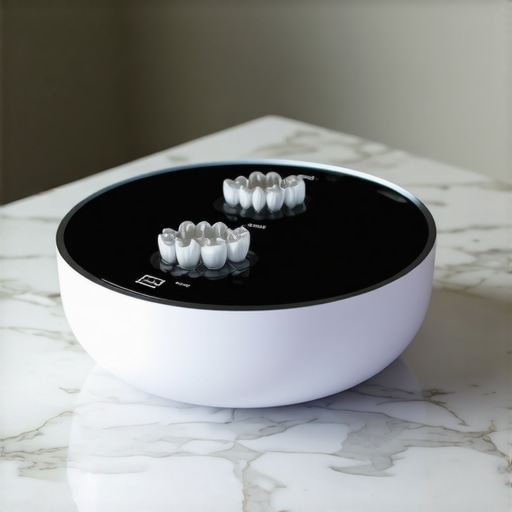
For the longest time, I thought a dedicated toothbrush was the gold standard for hygiene. I was wrong. The single most effective tool I have introduced into my routine is a portable ultrasonic cleaner. If you are still manually brushing your trays or cases, you are missing the microscopic nooks that physical bristles simply cannot reach. These devices use high-frequency sound waves to create ‘cavitation bubbles’ that implode against the surface of the plastic, essentially blasting away the biofilm that causes odors. I use mine every single morning while I’m brewing coffee, and it has been a total game-changer for how to clean the gunk out of your Invisalign aligners without damaging the material. It’s the difference between washing a car by hand and using a high-pressure professional detailing system.
How do I maintain my Invisalign results and crowns over the long haul?
Maintenance isn’t a destination; it is a system of daily habits and the right hardware. Many people view the end of their treatment as the ‘finish line,’ but the reality is that your teeth are constantly in motion. Long-term success involves transitioning from active treatment to a robust retention phase. Whether you are weighing invisalign vs braces which solution fits your lifestyle, the long-term work remains the same: protecting the investment you’ve made. This means inspecting your retainers for wear every month and ensuring your hygiene routine adapts to your dental work. For instance, if you have restorative work, you know why crowns are a game changer in restorative dentistry, but they require specific care to avoid the dreaded ‘black line’ at the gum or localized inflammation.
What Digital Scanning Means for Your Next Dental Visit
I predict that in the next few years, the ‘physical mold’ at the dentist will be entirely extinct, replaced by high-definition AI-assisted scans that can detect shifts in your teeth before you even feel them. As family dentistry trends improving oral health for all ages continue to evolve, we are seeing a shift toward ‘preventative maintenance’ software. Dr. Robert P. Scholz, a pioneer in digital orthodontics, has often emphasized that the precision of digital scans reduces the micro-gaps where bacteria typically colonize. This technology is already being used to create better-fitting restorations, which is a major factor in the hidden benefits of Invisalign for family dental care in 2025. The more precise the fit, the less room there is for the bacteria that cause those embarrassing odors.
The Pro Move for Cleaning Around Restorations
If you have a bridge or a crown, standard floss often isn’t enough to reach the ‘pockets’ where debris hides. I have personally started using interdental brushes with a specialized rubber coating. Unlike traditional wire brushes, these don’t scratch the porcelain of your crown or the metal of an implant. This is arguably the best way to clean around a dental implant bridge to avoid inflammation. I recommend keep a few of these in your travel kit alongside your aligner cleaners. When you combine these mechanical tools with the biological understanding of your mouth’s pH, you create a nearly impenetrable defense against decay and odors. My advanced tip for you this week: try the ‘Open-Air’ technique I mentioned earlier—leave your case open for three hours tonight and see if that sour smell vanishes by morning. It is the easiest, cheapest maintenance hack you will ever find.
The One Habit That Finally Killed the Sour Scent for Good
Looking back, I realized I spent way too much time scrubbing and not enough time strategizing. The biggest lightbulb moment for me was realizing that your case isn’t just a plastic box; it is an extension of your mouth. If you don’t treat it with the same respect as your teeth, the bacteria will always win. I also learned that consistency beats intensity. You don’t need a massive deep clean once a month; you need a tiny, 30-second rinse and air-dry every single time you eat. Many invisalign myths suggest that the trays are the only thing that matters, but your case is the foundation of your hygiene. If that foundation is shaky, your breath will be too. I’ve found that ignoring the case leads to the same stale odors people experience when they don’t know how to prevent bad breath when you are wearing a retainer.
#IMAGE_PLACEHOLDER_E#
My No-Fail Toolkit for Aligner Maintenance
If you want to stay ahead of the odor, you need more than just tap water. I swear by a dedicated soft-bristled travel brush—not the one you use for your teeth, but a separate one specifically for the case. Pair this with effervescent oxygen tablets once a week to blast away any deep-seated biofilm. For those on the move, knowing the best way to travel with aligner cleaners in your carry-on is a total life-saver. Finally, if you are struggling with a lingering scent, don’t overlook the best way to clean your retainers without using harsh chemicals. These tools work in tandem to keep the plastic clear and the scent neutral, ensuring you never have to deal with the “damp locker room” smell again.
Reclaim Your Confidence and Your Fresh Smile
Starting your journey with clear aligners is a massive step toward the smile you have always wanted. Don’t let a smelly plastic case dampen that excitement or make you feel self-conscious at dinner parties. By implementing these small changes—like letting your case air out and using oxygen-based cleaners—you ensure that your Invisalign experience remains as discreet and professional as it was meant to be. This level of attention to detail is exactly how invisalign transforms family dentistry in 2025, making advanced care accessible and manageable for everyone. You have got the tools and the knowledge; now it is just about making it part of your daily rhythm. Have you ever tried a cleaning method that actually made the smell worse? Let me know in the comments below!