
The best way to clean around a dental implant bridge to avoid inflammation
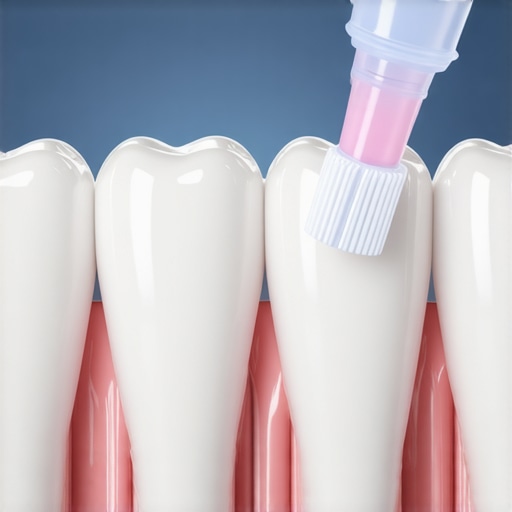
I sat there at the dinner table, staring at a plate of steak, and for the first time in my life, I was actually scared to eat. It wasn’t the steak’s fault. It was my brand-new dental implant bridge. It felt tight, itchy, and honestly, a bit angry. I’d spent a small fortune and months of dental visits getting this smile back, but there I was, terrified that a single stray fiber of meat would set off a week of throbbing gums. I had finally achieved the look I wanted, but the maintenance felt like a secondary job I never applied for. If you have ever felt that weird, nagging pressure under your restoration, you know exactly what I am talking about. Today, I am going to walk you through how I reclaimed my comfort and why you do not have to live in fear of your next meal.
The Day I Realized Traditional Flossing Was Not Cutting It
I made a classic rookie mistake. I treated my new bridge like a row of natural teeth. I thought I could just zip some waxed floss through there and call it a day. Boy, was I wrong. Within weeks, I noticed my breath did not quite have that minty fresh kick anymore, and why your new dental bridge feels like it is trapping food became painfully obvious every time I looked in the mirror. My gums were starting to puff up—that tell-tale sunset red that screams inflammation. According to the American Academy of Periodontology, peri-implant mucositis (the precursor to more serious implant failure) affects nearly 80% of implant patients at some point. I was heading straight for that statistic because I did not understand that a bridge requires a specialized approach. I had to learn, the hard way, that cleaning a bridge is an entirely different ballgame than the family dentistry secrets I grew up with. Treating an implant like a regular tooth is the fastest way to invite bacteria to set up camp in places your toothbrush simply cannot reach.
Is all this extra hardware actually worth the headache?
You might be asking yourself if you have made a mistake getting a bridge or if it is even possible to keep the area under it truly clean without a professional degree. Trust me, I have been there. I have stared at a Waterpik and felt like I was trying to operate heavy machinery in my bathroom. But here is the good news: once you get the rhythm down, it is not just worth it—it is life-changing. You just need the right tools and a little bit of neighborly advice from someone who has already tripped over the hurdles. In this guide, I am going to share the exact routine that took me from panic to peace of mind. We are going to talk about the easiest way to get sticky food out and how to stop that nagging dull ache in your jaw before it turns into a real emergency. Have you ever felt like your bridge was hiding a secret colony of bacteria that you just could not reach? I want to hear about your struggles, so we can tackle them together.
Stop Guessing and Start Cleaning Under Your Bridge
Think of your dental bridge like a high-end pier built over a lake. The surface looks great and you can walk on it just fine, but underneath the structure, moss and debris love to collect. If you do not clear that out, the foundation starts to rot. When I first got my bridge, I did not realize that the easiest way to get sticky food out from under a dental bridge was not a standard toothbrush. I actually had a minor meltdown at a local taco shop when a piece of cilantro got wedged so deep I thought my bridge was coming loose. I rushed home, sweating, and tried to poke it out with a toothpick—bad idea. I ended up with bleeding gums and a lot of regret. That was the day I realized I needed a system, not just a tool.
Blast Away Debris with a Water Flosser
If you are not using a water flosser yet, you are essentially trying to sweep a rug with a toothpick. A water flosser acts like a power washer for your mouth. It uses a pressurized stream to reach the ‘pontic’—that is the fake tooth in the middle—where regular floss cannot go. I have found that using warm water makes a world of difference, especially if you are dealing with why your gums feel sore after getting a new dental crown. The key is to aim the tip at a 90-degree angle right at the gum line and trace the space under the bridge slowly. 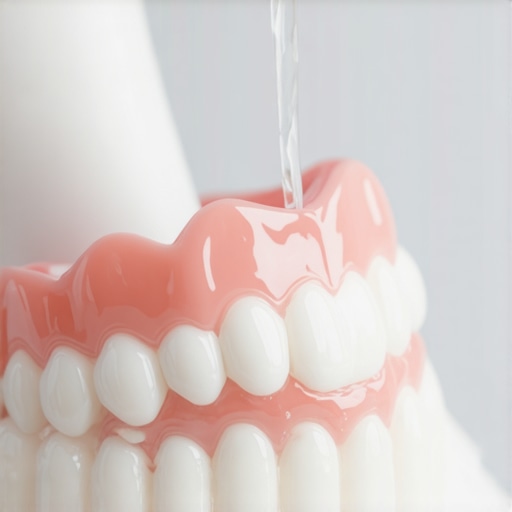
Thread the Needle for a Deep Clean
Sometimes the water is not enough for the stubborn stuff. This is where floss threaders or ‘superfloss’ come into play. Imagine trying to thread a needle in the dark—that is what it feels like the first few times. You have to guide the stiff end of the floss through the gap between your natural tooth and the bridge. Once it is through, you pull the fuzzy, spongy part of the floss back and forth. This ‘sawing’ motion grabs the plaque that a water flosser might miss. It is the difference between rinsing a plate and scrubbing it. I use this method every single night because how to tell if your dental bridge is trapping food usually involves a lingering taste or smell that you definitely want to avoid.
Small Brushes for Those Tiny Gaps
For the areas where the bridge meets your supporting teeth, interdental brushes are your best friend. These look like tiny pipe cleaners. They slide into those triangular spaces at the gum line. I used to be terrified of these, thinking they would push my teeth apart, but they are actually designed to fit comfortably. In the world of why crowns are a game-changer in restorative dentistry, these brushes ensure the support teeth stay healthy. If those teeth fail, the whole bridge goes with them. I remember one specific Tuesday where I spent ten minutes just making sure the junction was clear after a particularly fibrous steak dinner. It felt like a chore at the time, but the lack of inflammation the next morning proved it worked. Using the move to stop a crown from trapping food every time you eat steak became my new post-dinner ritual. By combining the water flosser, the threader, and these little brushes, you create a fortress that bacteria cannot penetrate. It is about being proactive rather than reactive.
Forget Everything You Heard About Crowns Being Permanent Armor
Most people assume that once a crown or bridge is cemented, the tooth underneath is essentially sealed in a porcelain vault. I used to believe that too until a routine check-up revealed a tiny shadow on my X-ray. In my experience, treating a crown like a ‘finished’ project is the biggest mistake you can make. The reality? The margin—the tiny seam where the restoration meets your natural tooth—is actually more vulnerable than the rest of your mouth. Everyone says crowns protect teeth, but according to a study published in the Journal of Dentistry, secondary caries at these margins are the primary reason for restoration failure, often occurring because patients let their guard down. You are not just cleaning a tooth; you are defending a seam. This is where top oral health tips for your family’s bright smiles become vital; it is about consistency at the gumline, not just the biting surface. Have you ever fallen into the trap of thinking your dental work was invincible? Let me know in the comments.
The Sneaky Mistake That Ruins Your Whitening Results
Another common ‘oops’ factor involves the vanity side of things. I have seen so many people spend a small fortune on why crowns are a game-changer in restorative dentistry only to unintentionally ruin the look by using over-the-counter whitening strips. Here is the nuance: porcelain does not whiten. If you use strips, your natural teeth will brighten while your crown stays the same shade, leaving you with a mismatched, patchy smile. This is the danger of using whitening strips on a tooth with a filling or a crown. This is why choosing the right crown expert advice for long-lasting results always includes a whitening plan before the permanent porcelain is set. 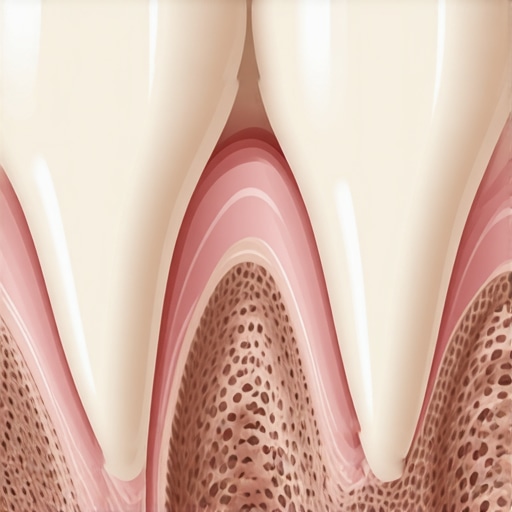
Why Your Teeth Might Feel High Only After a Long Day
It is a bizarre sensation. You wake up and everything feels fine, but by the evening, your crown feels like it is hitting before your other teeth. This is not usually a problem with the crown itself, but rather the reason your jaw feels tight after a long flight or a high-stress workday. Stress-induced grinding can cause the ligaments around the tooth to inflame, making the tooth sit slightly higher in the socket. It is why the specific reason your crown feels tall when you wake up often points toward bruxism rather than a structural failure. Understanding these subtle shifts is the difference between a panicked emergency visit and a calm adjustment to your routine. Even when looking at Invisalign myths debunked, the biggest nuance is that it is not just about straight teeth; it is about aligning the bite to prevent this very kind of wear and tear. If your bite is off, even the best crown will eventually fail under the pressure of what that dull ache in your jaw really means during stressful weeks. Modern family dentistry trends are moving toward this holistic view, and choosing between Invisalign vs braces is often about which system will best correct the underlying mechanics that cause restorations to fail. How Invisalign transforms family dentistry in 2025 is as much about protecting your existing dental work as it is about creating a new look.
I’ve realized that owning a high-end smile is a bit like owning a classic car; the initial purchase is just the beginning of the journey. If you want that engine to purr—or in this case, those margins to stay sealed—you need a toolkit that goes beyond a basic drugstore toothbrush. I spent months trial-and-erroring different gadgets before I found the combination that actually kept my gums from reacting to my new bridge. One of my biggest revelations was the safest way to use an electric toothbrush on sensitive teeth. Most people think they need to scrub, but with a high-quality sonic brush, the vibrations do the work. I personally switched to a brush with a built-in pressure sensor because, in my own experience, I was pushing way too hard on my new crowns, which was causing the very recession I was trying to prevent.
The One Tool That Stopped My Night Guard From Smelling Like Vinegar
If you are wearing a retainer or a night guard to protect your investment, you know the struggle. You wake up, rinse it off, and by day three, it feels… off. For a long time, I was stuck wondering how to clean a night guard that has started to smell like vinegar. I tried the tablets, the soaps, and even the ‘old wives’ tale’ vinegar soak, but it always left a lingering aftertaste. Then, I invested in a dedicated ultrasonic cleaner. It uses high-frequency sound waves to create cavitation bubbles that blast bacteria off the plastic. This changed everything for me. It is the best way to clean your retainers without using harsh chemicals and ensures your top oral health tips for your family’s bright smiles actually stick because the tools are actually pleasant to use. 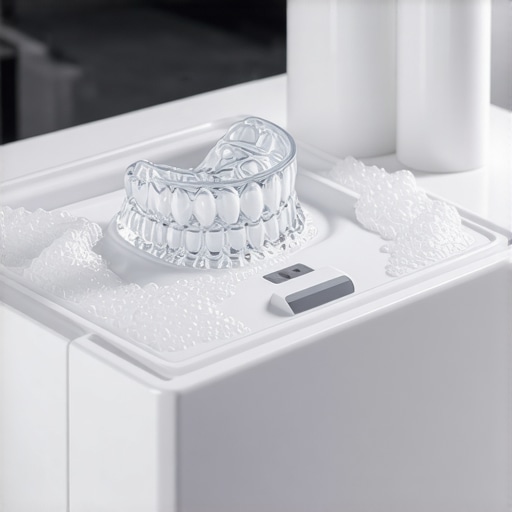
How do I keep my restorations from failing ten years down the road?
Maintenance is about more than just cleaning; it is about monitoring. According to research published by the Clinicians Report Foundation (led by Dr. Gordon Christensen), the longevity of modern Zirconia restorations depends heavily on the ‘marginal seal’—that invisible line where the crown meets the tooth. To keep that seal intact, I have integrated the ultimate guide to crowns for a healthier smile into my daily life, which includes using a high-fluoride toothpaste at night. I don’t rinse it out; I let it sit on the margins to remineralize the natural tooth structure underneath. This kind of ‘bio-active’ approach is where I see the future of dentistry heading. I predict that within the next five years, we will see Invisalign innovations the future of family dentistry revealed at 1137 am involving AI-integrated home scanners that will ping your phone if it detects a margin starting to leak or a bridge starting to trap debris. This proactive tech will bridge the gap between your six-month cleanings, ensuring that family dentistry secrets maintaining oral health with modern techniques at 254 pm are accessible every single day. If you really want to level up your routine today, I challenge you to try the ‘no-rinse’ method with your fluoride paste tonight and see if your sensitivity levels drop—it was a game-changer for my cold-sensitive bridge.
The Hardest Lesson I Learned About Living with Restorative Dentistry
After years of navigating the world of dental work, the biggest ‘lightbulb moment’ I had was realizing that a bridge doesn’t fail because the porcelain breaks; it fails because the foundation gives out. I used to think the hardware was invincible, but I quickly learned that the hidden reason your gums bleed even if you floss daily is often trapped debris that a standard brush just can’t touch. I also discovered that being gentle is a superpower. I used to scrub my gums until they were raw, thinking I was being thorough, but that actually caused recession. Now, I focus on the ‘margin’—that tiny seam where the bridge meets the gum—with the precision of a jeweler rather than the force of a construction worker. Finally, I learned that choosing the right crown expert advice for long-lasting results is just as important as the home care you perform every night. It is about the partnership between you and your provider.
The Daily Toolkit That Keeps My Gums Happy
I don’t leave my oral health to chance anymore. Over the years, I have curated a specific kit that makes maintenance feel less like a chore and more like a luxury ritual. First on my list is a high-quality water flosser; I always use it with lukewarm water to avoid the shock of how to manage a crown that feels sensitive to air or cold liquids. Next, I never go a day without my ultrasonic cleaner for my night guard. It is the best way to clean your retainers without using harsh chemicals, and it keeps everything tasting fresh. Lastly, I keep a stash of interdental brushes in my travel bag. Whether I am out at a restaurant or on a long flight, having these tiny tools ensures I am never left wondering how to tell if your dental bridge is trapping food. These tools aren’t just gadgets; they are the insurance policy for my smile.
Don’t Let the Fear of Failure Hold You Back
It is completely normal to feel a bit overwhelmed when you first transition to life with a bridge or implants. I remember staring at the mirror and feeling like my mouth was a puzzle I couldn’t solve. But here is the truth: you will get faster, you will get better, and soon, this routine will be second nature. By following these top oral health tips for your family’s bright smiles, you are doing more than just cleaning teeth; you are protecting your ability to eat, speak, and laugh without hesitation. We are all interested in the truth about how long dental implants actually last, and the answer is simple: they last as long as you are willing to care for them. Take a deep breath, grab your flosser, and remember that you are in control of your health. Which part of your new cleaning routine has been the hardest for you to master so far? Let me know in the comments below.