
Why your gums feel sore after getting a new dental crown
I remember sitting at my kitchen table, staring at a plate of perfectly good tacos, and feeling like I’d just gone ten rounds in a boxing ring. I had my brand-new permanent crown, the one that was supposed to “boost my confidence,” but my gums were throbbing so hard I could feel my heartbeat in my jaw. I felt cheated. I’d followed all the rules, yet there I was, clutching an ice pack and wondering if I’d just paid a fortune to be in constant pain. It’s frustrating when you expect a solution but end up with a whole new set of problems. Today, I’m going to help you figure out why that area is so tender and how to get back to enjoying your dinner without that nagging ache.
Your New Crown Shouldn’t Feel Like a Bruise
When I got my first major restoration, I expected to walk out of the office and immediately want to show off my smile. Instead, I spent the first forty-eight hours wondering if my body was rejecting the porcelain. The reality is that the process of getting a crown is pretty invasive for your soft tissues. Between the numbing injections, the vigorous cleaning of the prep site, and the actual seating of the crown, your gums have been through the ringer. I’ve learned the hard way that a little bit of patience goes a long way, but you also have to know when the pain is signaling something that needs an actual fix. It isn’t just about the tooth itself; it’s about the entire ecosystem of your mouth reacting to a foreign object that’s now a permanent resident.
One of the biggest blunders I made early on was assuming I could jump right back into my normal routine. I didn’t realize that the ultimate guide to crowns usually includes a ‘grace period’ for your mouth to adjust. I was out there trying to chew through a steak 24 hours later, and boy, did I pay for it. If you’re feeling that sharp pinch every time you take a sip of water, it might be more than just ‘adjustment’ pain. In fact, many people find that why your new crown feels sensitive to cold drinks is often linked to the gum line being slightly receded or irritated from the dental cement that wasn’t perfectly cleared away. Sometimes, even the best family dentistry secrets can’t prevent a little post-op inflammation if the area is sensitive.
I also vividly remember the terror of flossing for the first time. I was so scared I’d pop the crown right off, which led me to neglect the area. That led to even more inflammation because bacteria started to throw a party around the gum line. Learning how to floss around a temporary crown without pulling it off was a game-changer for me, and that same gentle technique applies to your new permanent one while the gums are still healing.
Did My Dentist Actually Mess Up the Fit?
It’s the question we all whisper to ourselves while staring in the bathroom mirror: ‘Is this supposed to hurt this much?’ It’s a valid fear. If your bite is even a fraction of a millimeter off, it can put immense pressure on the periodontal ligament—those tiny fibers that act as shock absorbers for your teeth. I remember one specific time when my crown felt just a tiny bit ‘high,’ and I ignored it for a week, thinking it would ‘settle.’ Big mistake. That extra pressure caused my gums to swell and stay sore far longer than they should have. If you’re in that boat, you should definitely read up on what to do when your crown feels taller than your other teeth before you accidentally bruise the bone underneath. It’s a quick fix at the office, but a long week of pain if you wait.
A surprising fact most people don’t realize is that the ‘retraction cord’—a tiny string used to push your gums back during the impression—is often the real culprit behind the soreness. It’s basically like getting a very deep, very intentional paper cut all the way around your tooth. According to the American Dental Association, this process can cause temporary ‘blanching’ or localized trauma to the gingival tissue, which is why things feel raw for a few days (Source: ADA). Have you ever had a crown that just wouldn’t settle down, or are you dealing with that first-time ‘throb’ right now? I’d love to hear your story in the comments. We’re going to look at exactly how to soothe that tissue and what you should be eating—like knowing what to eat after getting a new dental crown—to keep the irritation at a minimum. Stick with me, and we’ll get you back to those tacos in no time.
Turn Down the Inflammation with a Simple Rinse
The very first thing you need to do is stop the cycle of irritation. Think of your gums right now as a fresh bruise; you wouldn’t keep poking a bruise and expect it to heal. One of the most effective, albeit old-school, methods I swear by is the salt water rinse trick for a sore mouth. Mix about half a teaspoon of sea salt into eight ounces of lukewarm water. It acts as a natural disinfectant and helps draw out the excess fluid causing that ‘tight’ feeling in your tissues. I once tried to substitute this with a heavy-duty, alcohol-based mouthwash, thinking it would ‘kill’ the pain. Instead, it felt like I’d set a match to my jaw. Stick to the warm salt water three times a day; it’s gentle enough to soothe the area without stripping away the healthy bacteria your mouth needs for recovery.

Wait for the Steak and Stick to the Soft Stuff
Your diet in the first 72 hours is the difference between a quick recovery and a week of misery. I remember a specific Tuesday when I thought I was ‘healed enough’ for a handful of almonds. One stray shard of nut wedged itself right between my new crown and the inflamed gum line, and I almost saw stars. You want to focus on what to eat after getting a new dental crown to avoid physical trauma to the site. Think lukewarm soups, mashed potatoes, or yogurt. Avoid anything with seeds or small grains that can get trapped under the margin of the crown before the tissue has firmly reattached. If you’re also dealing with why your new crown feels sensitive to cold drinks, make sure your recovery meals are room temperature rather than ice-cold.
The Skyscraper Effect and Your Bite Balance
If you feel like that tooth is hitting first every time you close your mouth, stop waiting for it to ‘sink in.’ Teeth don’t sink; they just get more inflamed. When a crown is even a hair too tall, your jaw muscles and the ligaments around the tooth take the brunt of the force. I remember a time when I thought I could just tough it out with a crown that felt like a skyscraper compared to my other teeth. I avoided the dentist because I didn’t want to be a ‘difficult patient.’ By day four, the gum wasn’t just sore—it was a deep, angry purple. I finally went in, and it took the dentist thirty seconds to shave down a tiny high spot. The relief was instantaneous. When choosing the right crown, the fit is everything, and a quick adjustment can stop gum bruising in its tracks.
Clean the Area Without Starting a Fire
You have to keep the area clean to prevent bacteria from aggravating the inflammation, but you can’t be aggressive. This is where family dentistry secrets like using a super-soft manual toothbrush come into play. Even if you love your electric toothbrush, the vibration might be too much for the raw nerves for a day or two. Angle the bristles at 45 degrees toward the gum line and use tiny, circular motions rather than scrubbing back and forth. This clears out the plaque without shredding the delicate tissue that’s trying to knit itself back together around the base of your new restoration.
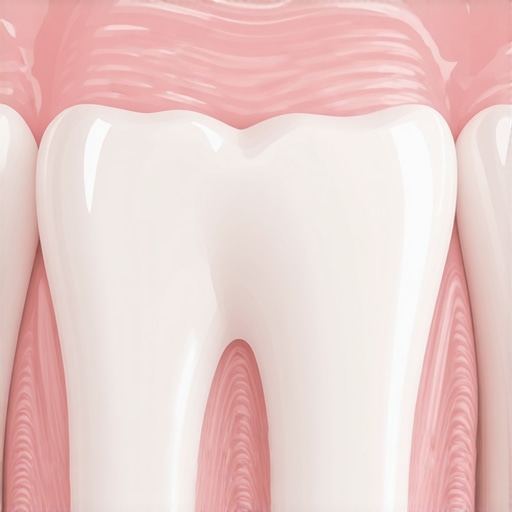
Let’s dig deeper into a nuance that even the most dental-savvy patients often miss. There is a common belief that once a crown is cemented, that tooth is basically ‘invincible’—shielded by a layer of ceramic or porcelain. I used to think the same thing. I figured that since the crown was a high-tech armor, I didn’t need to be as surgical with my flossing in that spot. But here is the contrarian truth: a crown is more like a hat than a suit of armor. If the ‘brim’ of that hat—the margin where the porcelain meets your natural tooth—isn’t kept pristine, you’re actually at a higher risk for hidden decay than you were before. Many invisalign myths debunked focus on how we move teeth, but few talk about how moving those teeth into the right position *before* getting a crown is actually what prevents the gum irritation you’re feeling now.
A Crown Is a Hat, Not a Suit of Armor
The ‘oops’ factor for most people is assuming that the gum soreness is just a temporary side effect of the procedure. While that’s often true, it can also be a sign of ‘biological width’ violation. This is a fancy way of saying the crown was placed just a tiny bit too deep under the gum line, and your body is literally trying to push it back out. If you’re choosing the right crown, you have to ensure your dentist is looking at the architecture of your gums, not just the tooth. I’ve seen people spend months wondering why your gums are receding despite brushing twice a day, only to find out that the edge of their new crown was the irritant all along.
Why Does My Tooth Still Hurt If the Nerve Is Gone?
This is the question that stumps most people. If you’ve had a root canal and then a crown, you’d assume the tooth is ‘dead’ and can’t feel pain. However, you can still feel a deep, bruised ache. This happens because the periodontal ligament—the group of fibers connecting your tooth to the bone—is still very much alive and packed with sensory receptors. According to research published in the Journal of Dentistry, micro-leakage at the margin can cause localized inflammation in these ligaments, leading to a persistent throb that feels like a toothache even without a nerve. This is one of those family dentistry secrets that explains why ‘settling in’ can take longer for some than others. You aren’t just healing a tooth; you’re healing the socket it sits in.
When comparing crowns vs veneers, the stakes for your gum health are even higher with crowns because they encircle the entire tooth. If you find yourself constantly reaching for the ibuprofen a week later, it might not be a ‘sensitive tooth’—it might be an overworked ligament from a bite that’s just a fraction off. Have you ever fallen into the trap of thinking a crowned tooth couldn’t get a cavity or have issues? Let me know in the comments. We need to stop thinking of these restorations as ‘fix and forget’ and start seeing them as high-maintenance additions that require even more care than our natural enamel.
Invest in Tools That Protect Your Investment
Now that we’ve established that your crown is more of a high-maintenance ‘hat’ than a suit of armor, let’s talk about the gear that actually keeps it from falling off or causing an infection. Personally, I was a die-hard string flosser for years until I realized I was just pushing debris deeper into the gum pocket of my crown. I made the switch to a high-powered water flosser, and the difference was night and day. If you struggle with the spray, you should definitely learn the trick to using a water flosser without making a total mess. It gets into those microscopic gaps where the crown meets the tooth—areas that a string simply can’t navigate effectively without snagging. One specific tool I use daily is the Waterpik Aquarius; I use the ‘massage’ mode specifically for the gum line around my dental work to stimulate blood flow without causing trauma. According to a landmark study in the Journal of Clinical Dentistry, water flossing is actually 29% more effective than string floss at removing plaque in hard-to-reach areas around dental restorations (Source: J Clin Dent). This is one of those family dentistry secrets that can save you thousands in replacement costs. I also switched to a pressure-sensitive electric brush. When I was first healing, I had to master the safest way to use an electric toothbrush on sensitive teeth because scrubbing too hard was actually causing my gums to recede further.
How do I maintain my dental work over time?
The key is a mixture of modern tech and old-school consistency. We are rapidly moving toward a future where family dentistry trends include AI-powered hygiene trackers. I predict that within the next decade, we will see ‘smart crowns’ equipped with micro-sensors that can detect early bacterial buildup before it even turns into a cavity. Until that tech arrives, you have to be your own advocate. If you are using aligners as part of a larger smile makeover, you also need to focus on hygiene routines like how to prevent bad breath when you are wearing a retainer, as bacteria trapped in those trays can easily migrate to the gum line of your crown.
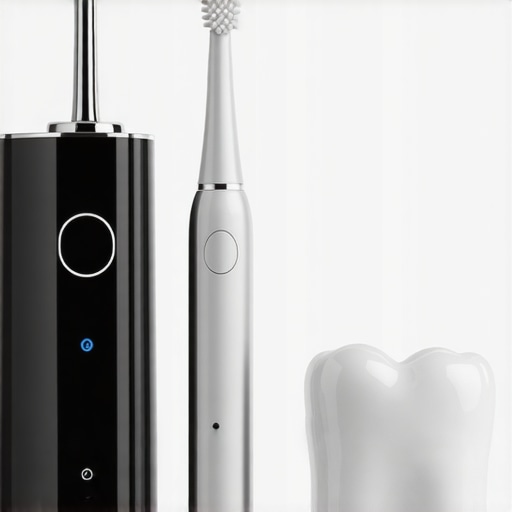
If you’ve invested time in choosing the right crown, you want it to last for the long haul. This means understanding the truth about how long dental implants actually last—and how crowns can have a similar lifespan if maintained with clinical precision. My challenge to you? Swap your string floss for a water flosser for just two weeks. It’s the single best ‘scaling’ tool for your home routine, right next to ensuring your dentist uses a 3D CBCT scan for any future work to ensure your bite is structurally sound.
The Hardest Lesson I Learned About Protecting My Dental Work
One of my biggest “lightbulb moments” was realizing that a crown isn’t just a physical fix; it’s a change in how you manage your long-term health. First, I learned that “toughing it out” is never the answer. If your bite feels high, even by a hair, it will cause a cascade of inflammation that salt water can’t fix. Second, I realized that why crowns are a game-changer in restorative dentistry is largely because they force us to become better at hygiene. You can’t be lazy with a crown. Finally, I discovered that how to manage sensitivity after a deep root planing session often mirrors the care needed for a new crown—gentle persistence is always better than aggressive scrubbing.
My Go-To Kit for a Pain-Free Smile
If you want to keep that new restoration in top shape, you need a specific set of tools. I personally trust the Waterpik Aquarius because it flushes out debris from under the crown margin without the “sawing” motion of traditional floss. I also swear by a pressure-sensitive electric toothbrush; it’s the only way to ensure you aren’t accidentally causing your gums to recede. For those dealing with lingering aches, I recommend looking into why your crown feels sensitive to cold months after it was placed to see if your toothpaste choice is playing a role. Lastly, always ensure your provider uses a 3D CBCT scan for future work—this technology is the gold standard for getting the fit right the first time.
Take the First Step Toward Your Favorite Dinner Again
Getting a dental crown should feel like a victory for your health, not a source of daily stress. By being proactive with your hygiene and listening to what your body is telling you about the fit, you can turn that “bruised” feeling into a distant memory. Your smile is an investment in your confidence and your future, so give it the high-level care it deserves. I know the road to recovery can feel slow, but how crowns boost oral health confidence is well worth the few days of salt water rinses and soft foods. Have you ever had a crown that took longer than a week to finally feel like a real tooth? Let me know your experience in the comments below!