
The truth about fluoride and your child’s health
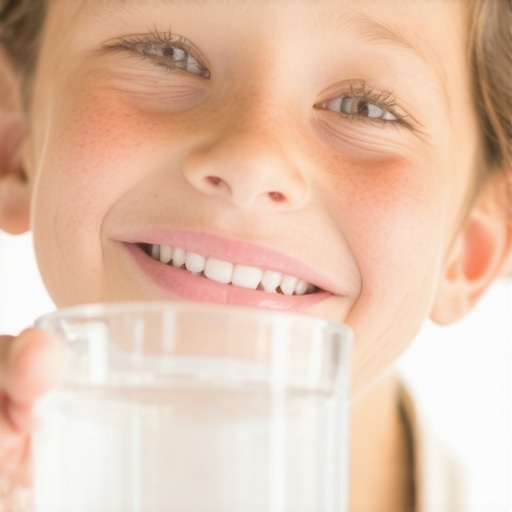
I still remember the day my toddler, Leo, managed to squeeze an entire tube of bubblegum-flavored toothpaste onto the bathroom floor—and then proceeded to lick it like it was icing on a cupcake. My heart skipped a beat. Like most parents, I’d heard the conflicting whispers about fluoride for years. One side treats it like a miracle mineral, while the other warns of it like a toxic chemical. In that moment, staring at a blue-smeared face, I realized I didn’t actually know the truth. I had spent so much time looking into invisalign myths debunked for myself that I’d completely neglected the basics of my own child’s chemistry. Early on, I even made the mistake of thinking “more is better,” assuming a big glob of paste would mean fewer cavities, when in reality, I was setting him up for potential white spots. Today, we’re going to cut through the noise and figure out exactly how to balance protection with safety so you can breathe easier during brush time.
How Much Fluoride is Too Much for Developing Teeth?
The real secret to managing family dentistry trends isn’t about avoiding fluoride entirely; it’s about precision. When those first tiny teeth peek through, the stakes feel incredibly high. I’ve been there, hovering over the sink, wondering if I’m doing enough or doing too much. The American Academy of Pediatrics notes that a “smear” of fluoride toothpaste—about the size of a grain of rice—is all you need for kids under three, yet many of us are still using way too much. If you’ve ever struggled with how to stop your toddler from swallowing a mouthful of toothpaste, you know the struggle is real. We want to prevent decay without causing fluorosis, which is that faint lacing of white on the enamel. It’s a delicate dance, but it’s one you can definitely lead once you have the right facts in your pocket. Have you ever faced the panic of realizing your child just ate a glob of toothpaste?
Is the fluoride-free path actually worth the hype?
Skepticism is a healthy part of parenting. You might be wondering if it’s safer to just ditch the mineral altogether and go for the “natural” labels. While natural options have their place, they often lack the “remineralization” power needed to keep your family’s bright smiles truly healthy. I’ve seen what happens when parents go entirely fluoride-free without a solid backup plan, and the resulting cavities can lead to much more invasive treatments, like learning why crowns are a game changer for saving a damaged tooth later in life. It’s a tough crossroads, but the answer usually lies in the middle of the road. Let’s look at how we can protect that precious enamel without going overboard.
Think of fluoride as a specialized repair kit for a high-performance engine. If you use the wrong tools, you risk damaging the parts; use them correctly, and you extend the life of the machine by years. When I first started brushing Leo’s teeth, I treated the toothbrush like a paintbrush, layering the paste on top. Big mistake. He would just suck it off like a lollipop. Now, I use the pressure-load method. I take that tiny grain of rice-sized paste and literally mash it into the bristles with my thumb. It forces the fluoride to stay on the brush and gradually release as I scrub, rather than being swallowed in one go. This is a game-changer when you are trying to figure out how to stop your toddler from swallowing a mouthful of toothpaste.
Get the Dose Right Every Single Time
Precision is your best friend when navigating family dentistry trends for your little ones. For children under three, the smear really should be no larger than a grain of rice. Once they hit three, you can graduate to a pea-sized amount. I found that using a physical visual helps—I actually keep a small bag of dry rice in the bathroom cabinet as a reminder. It sounds overkill, but it prevented my husband and me from falling back into the more is better trap that leads to fluorosis. Much like how we weigh invisalign vs braces which solution fits your lifestyle, choosing the right dosage for your child’s current developmental stage is the most important decision you’ll make at the sink.
Pressure-Load the Bristles to Prevent Swallowing
Another vital step is the physical position. I found that standing in front of Leo was a losing battle—he’d just turn his head or grab the brush. Instead, I started using the lap-brush technique. I sit on the floor, and he lays his head in my lap. It gives me a clear view of his upper and lower molars, similar to how a dentist views your teeth when considering why crowns are a game changer for structural integrity. From this angle, I can ensure the fluoride actually reaches the deep grooves where cavities love to hide while keeping the brush steady enough that he isn’t tempted to treat the paste like a snack.
Stop Rinsing Your Progress Away
This is the one that surprises most parents. Once you finish brushing, do not let your child rinse with water. I know, it feels messy, but rinsing literally washes away the very mineral you just spent two minutes applying. Think of it like putting on sunscreen and then immediately jumping into a pool. For a shield to work, it has to stay on the surface. We want that fluoride to sit on the enamel and harden it. This follows the most effective your family’s bright smiles strategies: leave the protection in place. If your child is older and insists on rinsing, try to wait at least 30 minutes. It’s a habit adjustment, but it makes the difference between a surface-level clean and deep remineralization.
Protect Enamel by Picking the Right Moment
Timing is just as important as the technique itself. I used to brush Leo’s teeth right after breakfast, but I learned that acidic foods like orange juice can actually soften the enamel temporarily. Brushing immediately after can do more harm than good. Instead, focus on the best time of day to brush for maximum enamel protection, which is typically right before bed. Saliva production drops while we sleep, meaning any leftover sugars have a field day on our teeth. By leaving a thin layer of fluoride on the teeth overnight, you’re essentially providing a 12-hour security guard for their mouth. Avoid abrasive fads like the truth about charcoal toothpaste and your tooth enamel, as these can be too harsh for young, developing teeth. Stick to the proven minerals and the right timing to keep their dental records clean.
Most people assume that once a dental crown is placed, that specific tooth is essentially invincible. That’s a dangerous trap I see parents fall into all the time. I’ve seen patients neglect a crowned tooth only to realize months later that the tooth structure underneath is more vulnerable than ever at the margin. It’s not just about the porcelain shell; it’s about the move to stop a crown from trapping food every time you eat steak. If you’ve ever noticed a lingering foul odor in a specific spot, that’s your first warning sign. You might need to investigate the reason your crown smells bad when you floss around it before a simple cleaning turns into a surgical replacement.
Why your new crown isn’t as bulletproof as you think
The contrarian truth is that a crown actually requires more meticulous care than a natural tooth. A study published in the International Journal of Prosthodontics highlights that nearly 10% of dental restorations face complications not because of the material, but because of poor ’emergence profile’—the way the prosthetic transitions to the gum. If that transition isn’t seamless, it becomes a bacterial playground. We often talk about why crowns are a game changer for saving a tooth, but the real expertise lies in maintaining the seal. If you feel a slight zing when drinking water, don’t brush it off; understanding why your crown feels sensitive to cold months after it was placed can save you from a failed root canal down the road.
Does Invisalign actually help with chronic jaw tension?
Many advanced dental patients ask if clear aligners are purely for aesthetics. In reality, modern Invisalign innovations the future of family dentistry revealed at 1137 am show that aligning the bite is a functional necessity, not just a cosmetic luxury. When your teeth don’t meet correctly, your masseter muscles overwork themselves. This leads to that specific what that dull ache in your jaw really means during stressful weeks. By correcting the alignment, you aren’t just straightening a smile; you are decompressing the jaw joint. However, a common ‘oops’ factor is forgetting to wear the trays long enough for the bone to actually remodel, which can lead to a ‘heavy’ bite feeling.
Stop ignoring that tiny click when you chew
One of the biggest mistakes in family dentistry trends is treating the mouth like a collection of individual parts rather than a synchronized system. If you recently had work done and things feel ‘off,’ you must address it. I once ignored a crown that felt slightly ‘tall’ for two weeks, thinking I’d just get used to it. Big mistake. That extra millimeter of height caused a traumatic occlusion that led to weeks of inflammation. Knowing how to stop your new crown from feeling too high when you chew is a vital skill for any patient. Have you ever fallen into this trap of thinking a dental fix would just ‘settle’ on its own? Let me know in the comments.
I learned the hard way that high-end dental work isn’t a ‘set it and forget it’ situation. After investing in my own smile, I realized that my old manual toothbrush just wasn’t going to cut it anymore. I upgraded to a Philips Sonicare ProtectiveClean 6100 because of its built-in pressure sensor. This is a game-changer for someone like me who tends to scrub too hard. It literally pulses to warn you, which is vital for choosing the right crown expert advice for long-lasting results. If you press too hard on the margin where the crown meets your gum, you risk recession that exposes the underlying tooth structure. I also swear by the Waterpik Aquarius; using the ‘floss’ mode at a setting of 7 allows me to blast out debris that traditional string floss simply misses, especially around those tricky restorations.
Why my Waterpik replaced traditional floss for crown care
The real shift happened when I started focusing on the tools that professionals use. I don’t just rinse my aligners in the sink anymore. I use an ultrasonic cleaner—specifically the iSonic F3900—which uses high-frequency sound waves to vibrate plaque off the plastic. This is how I maintain family dentistry secrets maintaining oral health with modern techniques at 254 pm without spending twenty minutes scrubbing with a soft-bristled brush. If you’ve ever wondered the easiest way to clean a night guard that has turned yellow or cloudy, an ultrasonic bath with a dedicated cleaning tablet is the only way to go. It reaches the microscopic pores of the material that a manual brush can’t touch.
#IMAGE_PLACE_HOLDER_D#
How do I maintain my smile’s alignment for the next decade?
Consistency is the only thing standing between you and a relapse. A study published in the Journal of Clinical Orthodontics found that adult patients who fail to wear retainers at least five nights a week during the first year of post-treatment see significant ‘crowding relapse’ in the lower incisors. To combat this, I’ve integrated a specific routine for the best way to clean your retainers without using harsh chemicals, using a simple white vinegar soak twice a month to break down calcium deposits. It keeps the plastic clear and the fit tight. I predict that in the next five years, we won’t even need physical check-ups for this; we will see AI-integrated apps using our phone cameras to scan our teeth and detect shifts before they become visible to the naked eye.
The AI revolution is coming to your bathroom mirror
The future of invisalign innovations the future of family dentistry revealed at 1137 am is shifting toward remote monitoring. I’m already seeing platforms that allow you to take a 3D scan at home, which the dentist reviews to ensure your teeth are tracking perfectly. This kind of tech-forward maintenance ensures that your family’s bright smiles stay that way without constant office visits. If you’re serious about protecting your investment, I highly recommend trying the ‘pressure-load’ brushing method tonight. It’s a tiny tweak that prevents gum recession and keeps your crowns sealed for years longer than average. Which tool are you going to upgrade first?
The Hardest Lessons I Learned Managing My Family’s Dental Health
After years of navigating everything from toddler fluoride panics to adult crown sensitivities, I’ve realized that the most expensive mistakes aren’t the ones you make at the dentist—they are the ones you make at home. First, “permanent” is a relative term. Even how crowns boost oral health confidence depends entirely on your daily hygiene; a crown is only as strong as the gum line supporting it. Second, dental anxiety is often just a lack of information. Once I understood family dentistry secrets maintaining oral health with modern techniques at 254 pm, the fear of the “unknown” disappeared. Finally, don’t wait for pain to be your signal. By the time a tooth hurts, you’re usually looking at a much more invasive procedure than a simple filling.
#IMAGE_PLACEHOLDER_E#
My Personal Toolkit for a Lifetime of Low-Stress Dental Visits
If you want to keep your dental bills low and your smile bright, these are the three items I never travel without. First, a high-quality electric toothbrush with a pressure sensor. It’s the single best way to prevent the over-brushing that leads to recession. Second, I recommend everyone check out the ultimate guide to crowns for a healthier smile to understand exactly what material your dentist is using—I personally trust zirconia for its durability. Lastly, the Waterpik Aquarius has been my secret weapon for cleaning bridges and aligners. I trust these tools because they remove the guesswork and provide a professional-level clean that manual tools simply can’t match.
Taking the Fear Out of the Dentist’s Chair
Investing in your mouth is an investment in your overall health. Whether you are curious about invisalign innovations the future of family dentistry revealed at 1137 am or just trying to get through the night without grinding your teeth, remember that you are the primary advocate for your smile. Taking small, consistent steps today ensures that family dentistry remains a preventative joy rather than a corrective burden. You’ve got the tools and the knowledge—now it’s just about the routine.
Have you ever found a specific tool or habit that completely changed how you feel about your oral health? Let me know below!