
Why your child’s permanent teeth look serrated at the top
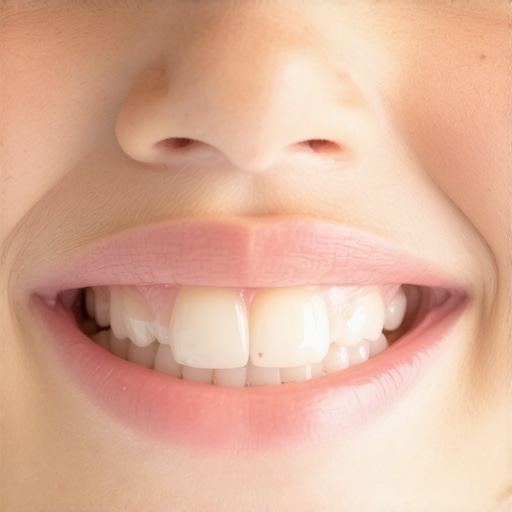
I vividly remember the Tuesday morning I finally got a good look at my daughter’s first adult front teeth. I was expecting that classic, straight-edged Hollywood smile, but instead, I saw something that looked like the teeth of a serrated steak knife. I felt that cold pit in my stomach. My first thought? I failed. I thought she was grinding her teeth down to nubs in her sleep, or maybe I hadn’t been diligent enough about family dentistry trends that protect enamel. I even momentarily considered if I could gently file them down myself—a huge mistake I’m glad I never acted on! Today, I’m going to save you the frantic Google search and the unnecessary dental bill by explaining exactly why those jagged ridges are a perfectly normal part of growing up. [image_placeholder_1]
Those Ridges Aren’t a Manufacturing Error
When adult teeth first break through the gums, they often feature three distinct bumps called mamelons. These aren’t signs of decay or damage; they are actually remnants of how the tooth was formed in the first place. Think of them like the ‘leftover’ bits of a puzzle. My big mistake was assuming that her teeth were already worn down, when in reality, they were just brand new. Many parents worry that these ridges mean their child needs a dental sealant or some kind of corrective procedure right away, but that’s rarely the case. These bumps are actually quite helpful because they assist the tooth in cutting through the gum tissue more efficiently. According to the American Association of Orthodontists, these mamelons are found on almost all newly erupted permanent incisors and usually wear away naturally through the simple act of chewing food over time.
Is that jagged edge actually normal for a seven-year-old?
It feels counterintuitive, doesn’t it? We spend years worrying about fluoride toothpaste and avoiding cavities, only to have the ‘final product’ look like it’s been through a blender. But here is the reality: if your child’s teeth meet properly when they bite, those serrated edges will smooth out on their own within a year or two. It’s a self-correcting mystery of biology. Have you ever caught yourself staring at your kid’s smile and wondering if you should be calling the dentist immediately? I’ve been there, and I can tell you, most of the time, nature is just doing its thing. If the ridges don’t disappear as they get older, it might actually be a sign that their teeth aren’t touching correctly when they chew, which is a much more interesting problem to solve than just ‘jagged teeth.’
Let nature do the heavy lifting for a few years
Think of mamelons like the serrated edge of a brand-new bread knife. They are incredibly efficient at cutting through food when a child is first learning to navigate adult-sized bites, but they aren’t meant to last forever. I used to worry that my daughter’s teeth were brittle or that she had some kind of developmental deficiency. However, a deep dive into family dentistry secrets maintaining oral health with modern techniques helped me realize that the simple daily friction of eating apples, carrots, and sandwiches acts like fine-grit sandpaper. This process, known as natural attrition, is how most kids’ smiles eventually look like the ones we see in magazines. If your child is around seven or eight, the best ‘treatment’ is usually just a healthy diet and a bit of patience.
Identify the difference between mamelons and erosion
It is easy to confuse these developmental ridges with actual damage or wear from grinding. One afternoon, my daughter complained that a ‘sharp’ tooth was bothering the tip of her tongue. I immediately panicked, convinced she had chipped her tooth on a Lego or a hard candy. I actually searched for how to fix a sharp edge on a tooth at home before your dental visit, but upon closer inspection, the ‘sharpness’ was just a particularly prominent mamelon that hadn’t seen enough ‘chewing action’ yet. If the ridges are uniform and look like three small, rounded bumps, it is a mamelon. If the edge is jagged, translucent at the tips, or causing a ‘zing’ when they eat, you should perform the sip test to determine if your tooth sensitivity is nerve related to rule out enamel loss or micro-fractures from nighttime grinding.
Spot the signs of a misaligned bite early
If your child reaches age ten or eleven and those ridges are still as sharp as the day they erupted, it is time to look at their bite rather than the teeth themselves. Teeth only wear down if they actually touch their counterparts in the opposite jaw. When the upper and lower incisors don’t meet—which often happens with an open bite or a significant overjet—the mamelons will remain perfectly intact. This was the exact scenario for my neighbor’s son; his ‘sawtooth’ smile persisted until middle school because his front teeth never overlapped. Reviewing invisalign innovations the future of family dentistry revealed can show you how modern orthodontic solutions can bring these teeth into the correct position so they can finally begin that natural smoothing process.
Prepare for the next phase of dental development
While the front teeth are busy smoothing themselves out, the new molars in the back are facing their own challenges. These teeth emerge with deep pits and fissures that are prime real estate for bacteria. This is exactly why your child needs a dental sealant on their molars as soon as they are fully erupted. These sealants act as a protective barrier, much like a raincoat for the tooth. If a tooth does sustain more significant damage during these high-energy years, don’t lose heart. Modern restorative materials are incredibly resilient. Consulting the ultimate guide to crowns for a healthier smile can help you understand how even a heavily chipped permanent tooth can be restored to full function and beauty, ensuring that those early jagged edges were just a small part of a much bigger, healthier story.
But even after you’ve made peace with the jagged edges, it’s easy to fall into the next trap: assuming that if a smile looks straight, it’s healthy. I’ve seen so many parents—and adults—prioritize the ‘look’ of their teeth while ignoring the mechanical foundation. We often view modern tools through a purely cosmetic lens, but that is a dangerous oversimplification. Let’s dig deeper into the nuances of modern restorative care, because what looks like a minor imperfection is often a sign of a much larger health dynamic.
Invisalign isn’t just about the after photo
Most people think of clear aligners as a ‘luxury’ version of braces for people who don’t want to be ‘metal-mouths.’ This is a huge misconception. In my experience, and backed by many invisalign myths debunked what you need to know today, the real value of aligners isn’t just the straightness of the teeth, but the health of the gums. When teeth are crowded, they are nearly impossible to clean, leading to chronic inflammation. By properly spacing the teeth, you aren’t just looking better; you are literally preventing bone loss. A common trap to avoid is ‘DIY’ aligner kits. Without a dentist monitoring the health of the bone, you risk moving teeth too fast, which can cause the roots to shorten. Real how invisalign transforms family dentistry in 2025 focuses on the biological stability of the bite, not just the selfie at the end.
Does that tiny chip on your new porcelain crown actually mean it’s failing?
It’s a common panic point. You spend the money on a high-quality restoration, and then you notice why your porcelain crown has a tiny chip on the edge. Many patients assume the whole crown needs to be ripped out and replaced. However, the nuance lies in the material. A study published in the Journal of Prosthodontic Research indicates that while zirconia and modern ceramics are incredibly strong, they lack the natural ‘flex’ of human dentin. Sometimes, a tiny chip is just the material settling into your unique bite pressure. If it’s not sharp or compromising the seal, your dentist can often just polish it down. Another ‘oops’ factor is the sensation of height; why your new zirconia crown feels taller than your other teeth is usually a matter of your brain’s proprioception adjusting to a material that doesn’t wear down as fast as natural enamel. Give it two weeks before you demand a total redo.
Don’t fall for the quick fix veneer trap when you need a crown
Everyone wants the Hollywood smile overnight, which leads many to request veneers when their teeth actually need structural support. The contrarian truth? Veneers are like a beautiful coat of paint, but a crown is like a new roof. If you have significant decay or a history of grinding, putting a veneer on a compromised tooth is a recipe for a ‘black triangle’ or a snap-off fracture later. Understanding crowns vs veneers which is better for your smile cure at 429 pm is essential for long-term health. If you choose aesthetics over strength, you’ll likely end up paying for both procedures in the long run. When it comes to top oral health tips for your familys bright smiles, the most advanced advice I can give is this: always treat the foundation first. If you rush to fix the ‘jaggedness’ or the color before the bite is aligned, you are just masking a problem that will eventually break through the surface. Have you ever fallen into this trap of choosing the fast aesthetic fix over the functional one? Let me know in the comments!
Once you’ve invested in straightening your child’s teeth or restoring your own with high-end ceramics, the ‘honeymoon phase’ ends and the maintenance reality sets in. I used to think a standard toothbrush and a bit of floss was enough, but as my daughter’s mamelons smoothed out and my own dental work expanded, I realized that generic care leads to generic results. To keep a smile structurally sound for decades, you have to move beyond the basics. I personally swear by the water flosser now, though the first time I used it, I felt like I was power-washing my kitchen. If you’ve felt that same sensation, you aren’t alone; there is a specific reason why your gums throb after you use a water flosser for the first time, and it’s usually just your tissue adjusting to the increased blood flow and localized pressure.
The tools that actually keep my smile from backsliding
I’ve become a bit of a nerd when it comes to dental tech, especially after seeing how quickly a ‘perfect’ alignment can shift if you aren’t diligent. For anyone currently in clear aligners, the most underrated tool in my kit is the silicone ‘munchie.’ Most people just pop their trays in and hope for the best, but if those trays aren’t seated perfectly against the tooth, the movement isn’t happening. Learning how to seat stubborn invisalign trays using the munchie technique was a game-changer for me; it ensures the force is distributed exactly where the software intended. It’s also important to keep those trays sterile. If you notice they are looking cloudy, it’s rarely just ‘staining’—it’s often a biofilm buildup. Understanding why your invisalign trays are turning yellow even with regular cleaning can help you save the trays (and your breath) from becoming a breeding ground for bacteria.
How do I maintain my dental work over the next decade?
Long-term success is less about the big appointments and more about the micro-habits. For example, if you have a new restoration, you might notice weird sensations like a metallic tang or a change in how you bite. I’ve had friends panic about a ‘zinc’ flavor, but usually, it’s just the materials settling. Finding the real cause of that weird zinc taste in your mouth at night is often just a matter of checking your cleaning products or temporary cements. Furthermore, if you are prone to nighttime clenching, your beautiful new crowns are at risk. Dr. Gordon Christensen of the Clinicians Report has often emphasized that the longevity of zirconia and lithium disilicate restorations is directly tied to managing occlusal forces. In plain English? If you grind your teeth, you will eventually break even the strongest porcelain. I highly recommend looking into how to stop grinding your teeth without an expensive night guard if you want to protect that investment without breaking the bank.
Why the next five years of dental tech will change your checkups
We are entering an era of ‘predictive’ dentistry. Gone are the days of ‘wait and see’ for a cavity. My dentist recently started using 3D imaging that caught a hairline fracture in my molar that a standard bite-wing X-ray totally missed. Knowing what a 3d cbct scan reveals that standard x-rays miss entirely can be the difference between a simple filling and a full-blown root canal. This trend toward high-definition mapping is also why the hidden benefits of invisalign for family dental care in 2025 at 903 am are becoming so apparent; the software allows us to see the collision of teeth before it even happens. My prediction? Within five years, we’ll all have AI-powered toothbrushes that send a report to our dentists once a month. For now, take control of the tools you have. I challenge you to try the ‘Munchie’ technique tonight if you’re in aligners—the difference in how the trays feel is immediate and addicting.
Three Myths About Dental Perfection That Almost Cost Me My Sanity
I used to think a straight smile was the only goal, but I’ve learned that the function of the bite matters far more than the initial look of those jagged mamelons. One major myth I believed was that ‘sawtooth’ teeth meant my child was deficient in minerals. In reality, it’s quite the opposite; those ridges are evidence of brand-new, untouched enamel! Another hard lesson? You cannot out-brush a bad bite. If the teeth are crowded, even the most expensive toothbrush won’t save you from gum issues. Finally, I realized that modern family dentistry secrets maintaining oral health with modern techniques are about preventing problems before they happen, not just fixing them once they hurt. #IMAGE_PLACEHOLDER_E#
My Must-Have Gear for Maintaining a Healthier Smile
To keep our results lasting, I’ve curated a specific list of resources that go beyond the standard manual brush. First, if you’re looking into restorative work, check out choosing the right crown expert advice for long lasting results so you don’t end up with chips or unexpected sensitivity. For daily maintenance, nothing beats a high-quality water flosser—just remember to start on the lowest setting to avoid that initial throb. If you are debating between correction methods for your older kids or yourself, I found that comparing invisalign vs braces which solution fits your lifestyle was the only way to make a choice that actually stuck for our busy family schedule. I also highly recommend keeping a pack of silicone munchies in your travel bag if you choose the aligner route; they ensure the trays do their job efficiently every single time.
Start Your Journey Toward a Better Bite Today
It is easy to get overwhelmed by jagged edges, shifting crowns, or the price of aligners. But remember, every step you take—from that first sealant to transform your smile how crowns boost oral health confidence at 815 am—is an investment in your future self. Your child’s serrated teeth are just the beginning of a long, beautiful story of growth. Don’t be afraid to ask the hard questions at your next checkup; the best smiles are the ones built on a foundation of knowledge and care for your family’s top oral health. Have you ever panicked about a new tooth or a dental restoration looking a bit ‘off’ in the beginning? Let me know your story in the comments below!