
Why Your Gums Pull Away from Your New Dental Bridge
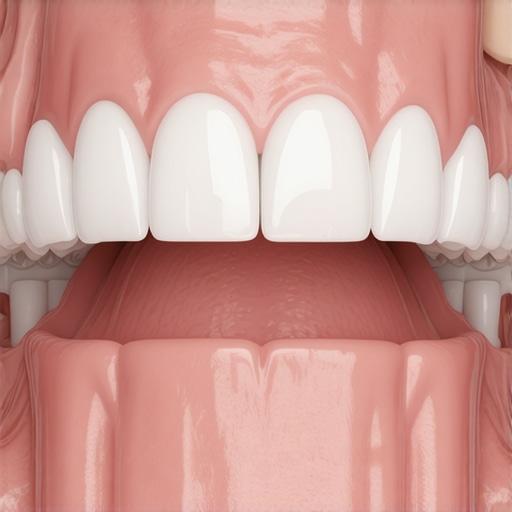
I remember the exact moment I felt that strange feeling — like a tiny tug inside my mouth, just where my new dental bridge met my gums. It was unsettling, almost like my mouth was betraying me. That light, almost unnoticed movement turned into a full-blown concern when I realized my gums were receding, and the area around my bridge looked different. It struck me how a seemingly minor issue could turn into a bigger problem if left unaddressed.
What’s Really Happening When Gums Recede from Your Dental Bridge?
If you’ve experienced this, you’re not alone. Many people notice their gums pulling away after getting a dental bridge. This isn’t just a cosmetic issue; it can affect your oral health, leading to sensitivity, decay underneath the bridge, or even the failure of the restoration itself. The big question is — why does this happen?
Is Gum Recession Normal After a Bridge? A Surprising Truth
At first, I thought it was normal, perhaps a sign that my mouth was adjusting. But I learned early on that not all changes are good. An article from the American Dental Association states that gum recession can be caused by various factors, including improper fit of restorations, gum disease, or aggressive brushing. Making that mistake early on — brushing too hard — actually worsened my problem, emphasizing how vital proper technique and professional guidance are. Trust me, a good dentist can help you figure out exactly what’s going on.
In my case, the culprit was a combination of ill-fitting crown margins and neglecting regular check-ups. But unearthing this truth allowed me to seek targeted solutions, rather than just living with the discomfort. If you’re wondering whether your gum recession is just a temporary nuisance or something more serious, keep reading. Next, we’ll explore practical steps to address and prevent it from worsening.
Schedule an Inspection with Your Dentist
The first concrete step is to get a professional evaluation. I made an appointment with my family dentist, who specializes in restorations, to pinpoint the cause. Think of this like taking your car to a mechanic after hearing unusual noises; a trained eye can identify issues like ill-fitting crowns or periodontal problems early. During the exam, my dentist examined the fit of my crown, checked for gum disease, and took X-rays to assess underlying bone loss. This comprehensive approach prevents minor issues from escalating, ensuring your repair lasts longer.
Improve Oral Hygiene Practices Immediately
Next, focus on meticulous oral care. I started brushing twice daily with a soft-bristled toothbrush and adopted gentle circular motions—imagine polishing delicate glass—avoiding aggressive scrubbing that can damage gums. Flossing around the bridge with a floss threader helps remove plaque buildup without applying excessive force. I also incorporated an antimicrobial rinse, which acts like a boost to your oral defenses, reducing bacteria that cause gum recession. Regular hygiene is your frontline defense—think of it as maintaining the foundation of your house to prevent structural issues.
Use Targeted Non-Invasive Treatments
Gum Stimulation and Desensitization
Early in my treatment, my dentist recommended gentle gum stimulation sessions—similar to a massage—that promote blood flow and tissue health. Applying a desensitizing gel helped reduce sensitivity, making daily activities more comfortable. These non-invasive measures maintain tissue health and can halt progress at the earliest signs of recession, much like patching small leaks before they turn into floods.
Address Fit and Alignment Issues
If your gum recession results from poorly fitting crowns or bridges, a re-cementing or realignment may be necessary. I experienced this firsthand when my dentist realigned my crown, ensuring a snug fit that prevented bacteria infiltration and gum irritation. Think of it like adjusting a door hinge—when aligned correctly, it operates smoothly and prevents unseen damage. For complex cases, consult a specialist for crowns, as they can recommend the best materials and techniques to ensure durability, as outlined in this guide.
Implement Bookings for Regular Follow-Ups
Establish a schedule for routine check-ups every six months. During these visits, your dentist can monitor gum health, remove plaque, and catch early signs of recession. I scheduled my follow-ups, knowing that consistent professional care is like regular oil changes for your car—key to keeping everything running smoothly. This proactive approach prevents minor issues from morphing into significant problems, especially around restorations like bridges and crowns.
Consider Advanced Treatments When Necessary
For receding gums causing significant aesthetic or functional concerns, surgical options such as gum grafts might be recommended. I discussed this option with my periodontist and learned that a graft acts like reinforcing the foundation of a house—adding tissue where it’s missing to prevent further erosion. While invasive, these procedures have high success rates and can dramatically improve both appearance and gum stability. Remember, always seek specialist advice, like consulting crown experts, to explore suitable solutions.
Incorporating these explicit, actionable steps can significantly improve gum health around your dental restorations. Early intervention, diligent hygiene, regular check-ups, and professional treatments form a comprehensive strategy—similar to a well-orchestrated project where each detail contributes to a lasting, healthy smile.
While many believe they grasp the basics of family dentistry, there are subtle misconceptions that can profoundly impact long-term oral health. A common myth is that all dental crowns are created equal—yet, the choice of material and technique can mean the difference between a durable restoration and ongoing issues like micro-cracks or discoloration. Making an informed decision requires understanding the nuances, such as the difference between porcelain-fused-to-metal and all-ceramic crowns, and how they interact with your natural tissues. According to recent studies published in the Journal of Prosthetic Dentistry, selecting the right crown type based on location, functional load, and aesthetic goals is critical for longevity and biocompatibility.
Many patients overlook the complexity of Invisalign treatment beyond alignment—thinking it’s merely about moving teeth discreetly. However, the advanced nuances, like attachments, tracking, and compliance, significantly affect outcomes. For example, improper attachment placement can lead to [tracking issues](https://familydentistpro.com/the-move-to-fix-invisalign-tracking-issues-at-home), causing prolonged treatment times. A significant trap to avoid is assuming Invisalign can correct every orthodontic problem—severe malocclusions might require traditional braces or surgical interventions. Recognizing these advanced considerations ensures realistic expectations and better results.
Are All Restorations Equally Suitable for Every Patient?
Absolutely not. Each patient’s oral environment, lifestyle, and aesthetic demands should tailor their restorative choices. For instance, placing a porcelain veneer on a patient with heavy bite forces without addressing underlying habits can cause premature chipping. Similarly, crowns in load-bearing areas like molars should be chosen with materials that withstand masticatory stress. Consulting with specialists, as suggested in this guide, can help you navigate these complexities. A subtle oversight or a simplified approach might lead to avoidable failures, emphasizing the importance of nuanced understanding in treatment planning.
One often overlooked aspect is the impact of ongoing oral habits such as grinding or clenching on the success of restorations and general periodontal health. Studies indicate that addressing these habits with custom night guards or behavioral modifications not only preserves restorations but also minimizes advanced recession or micro-cracks that might otherwise go unnoticed.
Ultimately, understanding these hidden intricacies helps prevent costly corrections and preserves your natural tissue integrity. Don’t fall into the trap of one-size-fits-all solutions—approach your dental care with a nuanced, personalized perspective. Have you ever fallen into this trap? Let me know in the comments.
Keeping It Working: Essential Tools for Long-Term Oral Health
Maintaining optimal oral health, especially when dealing with restorations like crowns and Invisalign, requires more than just good brushing habits. I rely on specific tools and methods that have proven effective in my routine. One indispensable item is the Sonika Sonic toothbrush. Its oscillating head and variable modes help remove plaque gently yet thoroughly, which is crucial for preserving crowns and preventing gum recession. I personally appreciate its timer function, ensuring I brush for the recommended two minutes without guesswork.
Alongside a reliable toothbrush, I use water flossers like the Waterpik. Unlike traditional floss, these devices disrupt plaque and food debris in hard-to-reach areas around bridges and crowns, reducing the risk of recession and decay. The pulsating water also stimulates gum tissue, maintaining tissue integrity over time.
For software, I recommend the Envision Dental Software platform. It helps track appointments, treatment progress, and notes about your restorations. Staying organized with your dentist’s digital system ensures no detail is overlooked, which is vital when managing long-term cases like Invisalign or multiple crowns. Regular digital check-ins can alert you early to issues, allowing prompt intervention.
Personalized Routine for Longevity
Beyond tools, I incorporate a daily routine that emphasizes gentle techniques. For example, I switch to a silk floss thread and customize my flossing motion with a floss threader to navigate around bridges seamlessly. This minimizes trauma to gums and stabilizes soft tissue health, especially around restorations.
Looking toward the future, I predict advancements in AI-powered diagnostics will further enhance long-term family dental care, enabling earlier detection of potential issues like micro-cracks in crowns or early gum recession. These innovations will likely integrate with at-home devices, making maintenance even more proactive and personalized.
How do I maintain dental restorations and overall health over time?
The answer is consistent, tailored care combined with the latest tools. Regular check-ups, combined with home solutions like sonic toothbrushes and water flossers, create a powerful defense against progressive issues. Remember, early detection through routine professional evaluations can save you time and money, helping your dental work last decades. If you want to explore the latest techniques, reach out to your dentist for a personalized maintenance plan. And for a quick tip, try incorporating an ultrasonic scaler like the SonicVibe at your next visit to loosen plaque in hard-to-reach areas—a step that significantly extends the life of your crowns and bridges. Don’t wait—adopt these enhanced strategies today for a healthier, more resilient smile.
What I Wish I Knew Before Tackling Gum Recession Behind Crowns
- Patience is crucial—early recession signs often look mild but can escalate quickly if ignored. Recognizing subtle changes early gave me the opportunity to prevent further damage.
- Proper hygiene techniques make all the difference. Gentle brushing and careful flossing around restorations protect both the tissue and the longevity of your work.
- Not every remedy requires invasive procedures. Non-invasive treatments like gum stimulation and fit adjustments can halt progression when implemented promptly.
- Long-term success depends on ongoing professional guidance. Regular check-ups are the best investment to catch issues before they become costly or painful.
- Understanding the nuances of different restorations, from crowns to bridges, empowers you to make informed decisions that preserve your natural tissues and smile aesthetic.
Tools and Resources That Elevated My Dental Care Routine
- Sonika Sonic toothbrush: Its gentle yet effective cleaning keeps my crowns and natural teeth in top shape. The timers ensure I don’t overlook the two-minute rule.
- Water Flosser like Waterpik: Reaching tricky spots around bridges, it reduces plaque and gum irritation—vital for preventing recession.
- Envision Dental Software: Organizing appointments and tracking treatments helps maintain a proactive care schedule, catching potential issues early.
- Professional Guides and Consults: Resources like this expert advice have helped me understand how to choose the right materials and treatments for my unique needs.
Take Charge of Your Smile’s Future Today
Your oral health journey is personal and ongoing. Embracing the nuanced insights and practical tools shared here will set you up for a resilient, beautiful smile that lasts a lifetime. Remember, prevention and knowledge are your best allies—so stay curious, stay proactive, and don’t hesitate to ask your dentist about strategies tailored specifically for you. Your future self will thank you for the investment in your health today.
What has been your biggest challenge in maintaining your dental restorations or preventing gum recession? Share your experiences in the comments below—let’s learn from each other and grow stronger together.
}#}#}#}#}#}#}#}#}#}#}#}#}#}#}#}#}#}#}#}#}#}#}#}#}#}#}#}#}#}#}#}#}#}#}#}#}#}#}#}#}#}#}#}#}#}#}#}#}#}#}#}#}#}#}#}#}#}#}#}#}#}#}#}#}#}#}#}#}#}#}#}#}#}#}#}#}#}#}#}#}#}#}#}#}#}#}#}#}#}#}#}#}#}#}#}#}#}#}#}#}#}#}#}#}#}#}#}#}#}#}#}#}#}#}#}#}#}#}#}#}#}#}#}#}#}#}#}#}#}#}#}#}#}#}#}#}#}#}#}#}#}#}#}#}#}#}#}#}#}#}#}#}#}#}#}#}#}#}#}#}#}#}#}#}#}#}#}#}#}#}#}#}#}#}#}#}#}#}#}#}#}#}#}#}#}#}#}#}#}#}#}#}#}#}#}#}#}#}#}#}#}#}#}#}#}#}#}#}#}#}#}#}#}#}#}#}#}#}#}#}#}#}#}#}#}#}#}#}#}#}#}#}#}#}#}#}#}#}#}#}#}#}#}#}#}#}#}#}#}#}#}#}#}#}#}#}#}#}#}#}#}#}#}#}#}#}#}#}#}#}#}#}#}#}#}#}#}#}#}#}#}#}#}#}#}#}#}#}#}#}#}#}#}#}#}#}#}#}#}#}#}#}#}#}#}#}#}#}#}#}#}#}#}#}#}#}#}#}#}#}#}#}#}#}#}#}#}#}#}#}#}#}#}#}#}#}#}#}#}#}#}#}#}#}#}#}#}#}#}#}#}#}#}#}#}#}#}#}#}#}#}#}#}#}#}#}#}#}#}#}#}#}#}#}#}#}#}#}#}#}#}#}#}#}#}#}#}#}#}#}#}#}#}#}#}#}#}#}#}#}#}#}#}#}#}#}#}#}#}#}#}#}#}#}#}#}#}#}#}#}#}#}#}#}#}#}#}#}#}#}#}#}#}#}#}#}#}#}#}#}#}#}#}#}#}#}#}#}#}#}#}#}#}#}#}#}#}#}#}#}#}#}#}#}#}#}#}#}#}#}#}#}#}#}#}#}#}#}#}#}#}#}#}#}#}#}#}#}#}#}#}#}#}#}#}#}#}#}#}#}#}#}#}#}#}#}#}#}#}#}#}#}#}#}#}#}#}#}#}#}#}#}#}#}#}#}#}#}#}#}#}#}#}#}#}#}#}#}#}#}#}#}#}#}#}#}#}#}#}#}#}#}#}#}#}#}#}#}#}#}#}#}#}#}#}#}#}#}#}#}#}#}#}#}#}#}#}#}#}#}#}#}#}#}#}#}#}#}#}#}#}#}#}#}#}#}#}#}#}#}#}#}#}#}#}#}#}#}#}#}#}#}#}#}#}#}#}#}#}#}#}#}#}#}#}#}#}#}#}#}#}#}#}#}#}#}#}#}#}#}#}#}#}#}#}#}#}#}#}#}#}#}#}#}#}#}#}#}#}#}#}#}#}#}#}#}#}#}#}#}#}#}#}#}#}#}#}#}#}#}#}#}#}#}#}#}#}#}#}#}#}#}#}#}#}#}#}#}#}#}#}#}#}#}#}#}#}#}#}#}#}#}#}#}#}#}#}#}#}#}#}#}#}#}#}#}#}#}#}#}#}#}#}#}#}#}#}#}#}#}#}#}#}#}#}#}#}#}#}#}#}#}#}#}#}#}#}#}#}#}#}#}#}#}#}#}#}#}#}#}#}#}#}#}#}#}#}#}#}#}#}#}#}#}#}#}#}#}#}#}#}#}#}#}#}#}#}#}#}#}#}#}#}#}#}#}#}#}#}#}#}#}#}#}#}#}#}#}#}#}#}#}#}#}#}#}#}#}#}#}#}#}#}#}#}#}#}#}#}#}#}#}#}#}#}#}#}#}#}#}#}#}#}#}#}#}#}#}#}#}#}#}#}#}#}#}#}#}#}#}#}#}#}#}#}#}#}#}#}#}#}#}#}#}#}#}#}#}#}#}#}#}#}#}#}#}#}#}#}#}#}#}#}#}#}#}#}#}#}#}#}#}#}#}#}#}#}#}#}#}#}#}#}#}#}#}#}#}#}#}#}#}#}#}#}#}#}#}#}#}#}#}#}#}#}#}#}#}#}#}#}#}#}#}#}#}#}#}#}#}#}#}#}#}#}#}#}#}#}#}#}#}#}#}#}#}#}#}#}#}#}#}#}#}#}#}#}#}#}#}#}#}#}#}#}#}#}#}#}#}#}#}#}#}#}#}#}#}#}#}#}#}#}#}#}#}#}#}#}#}#}#}#}#}#}#}#}#}#}#}#}#}#}#}#}#}#}#}#}#}#}#}#}#}#}#}#}#}#}#}#}#}#}#}#}#}#}#}#}#}#}#}#}#}#}#}#}#}#}#}#}#}#}#}#}#}#}#}#}#}#}#}#}#}#}#}#}#}#}#}#}#}#}#}#}#}#}#}#}#}#}#}#}#}#}#}#}#}#}#}#}#}#}#}#}#}#}#}#}#}#}#}#}#}#}#}#}#}#}#}#}#}#}#}#}#}#}#}#}#}#}#}#}#}#}#}#}#}#}#}#}#}#}#}#}#}#}#}#}#}#}#}#}#}#}#}#}#}#}#}#}#}#}#}#}#}#}#}#}#}#}#}#}#}#}#}#}#}#}#}#}#}#}#}#}#}#}#}#}#}#}#}#}#}#}#}#}#}#}#}#}#}#}#}#}#}#}#}#}#}#}#}#}#}#}#}#}#}#}#}#}#}#}#}#}#}#}#}#}#}#}#}#}#}#}#}#}#}#}#}#}#}#}#}#}#}#}#}#}#}#}#}#}#}#}#}#}#}#}#}#}#}#}#}#}#}#}#}#}#}#}#}#}#}#}#}#}#}#}#}#}#}#}#}#}#}#}#}#}#}#}#}#}#}#}#}#}#}#}#}#}#}#}#}#}#}#}#}#}#}#}#}#}#}#}#}#}#}#}#}#}#}#}#}#}#}#}#}#}#}#}#}#}#}#}#}#}#}#}#}#}#}#}#}#}#}#}#}#}#}#}#}#}#}#}#}#}#}#}#}#}#}#}#}#}#}#}#}#}#}#}#}#}#}#}#}#}#}#}#}#}#}#}#}#}#}#}#}#}#}#}#}#}#}#}#}#}#}#}#}#}#}#}#}#}#}#}#}#}#}#}#}#}#}#}#}#}#}#}#}#}#}#}#}#}#}#}#}#}#}#}#}#}#}#}#}#}#}#}#}#}#}#}#}#}#}#}#}#}#}#}#}#}#}#}#}#}#}#}#}#}#}#}#}#}#}#}#}#}#}#}#}#}#}#}#}#}#}#}#}#}#}#}#}#}#}#}#}#}#}#}#}#}#}#}#}#}#}#}#}#}#}#}#}#}#}#}#}#}#}#}#}#}#}#}#}#}#}#}#}#}#}#}#}#}#}#}#}#}#}#}#}#}#}#}#}#}#}#}#}#}#}#}#}#}#}#}#}#}#}#}#}#}#}#}#}#}#}#}#}#}#}#}#}#}#}#}#}#}#}#}#}#}#}#}#}#}#}#}#}#}#}#}#}#}#}#}#}#}#}#}#}#}#}#}#}#}#}#}#}#}#}#}#}#}#}#}#}#}#}#}#}#}#}#}#}#}#}#}#}#}#}#}#}#}#}#}#}#}#}#}#}#}#}#}#}#}#}#}#}#}#}#}#}#}#}#}#}#}#}#}#}#}#}#}#}#}#}#}#}#}#}#}#}#}#}#}#}#}#}#}#}#}#}#}#}#}#}#}#}#}#}#}#}#}#}#}#}#}#}#}#}#}#}#}#}#}#}#}#}#}#}#}#}#}#}#}#}#}#}#}#}#}#}#}#}#}#}#}#}#}#}#}#}#}#}#}#}#}#}#}#}#}#}#}#}#}#}#}#}#}#}#}#}#}#}#}#}#}#}#}#}#}#}#}#}#}#}#}#}#}#}#}#}#}#}#}#}#}#}#}#}#}#}#}#}#}#}#}#}#}#}#}#}#}#}#}#}#}#}#}#}#}#}#}#}#}#}#}#}#}#}#}#}#}#}#}#}#}#}#}#}#}#}#}#}#}#}#}#}#}#}#}#}#}#}#}#}#}#}#}#}#}#}#}#}#}#}#}#}#}#}#}#}#}#}#}#}#}#}#}#}#}#}#}#}#}#}#}#}#}#}#}#}#}#}#}#}#}#}#}#}#}#}#}#}#}#}#}#}#}#}#}#}#}#}#}#}#}#}#}#}#}#}#}#}#}#}#}#}#}#}#}#}#}#}#}#}#}#}#}#}#}#}#}#}#}#}#}#}#}#}#}#}#}#}#}#}#}#}#}#}#}#}#}#}#}#}#}#}#}#}#}#}#}#}#}#}#}#}#}#}#}#}#}#}#}#}#}#}#}#}#}#}#}#}#}#}#}#}#}#}#}#}#}#}#}#}#}#}#}#}#}#}#}#}#}#}#}#}#}#}#}#}#}#}#}#}#}#}#}#}#}#}#}#}#}#}#}#}#}#}#}#}#}#}#}#}#}#}#}#}#}#}#}#}#}#}#}#}#}#}#}#}#}#}#}#}#}#}#}#}#}#}#}#}#}#}#}#}#}#}#}#}#}#}#}#}#}#}#}#}#}#}#}#}#}#}#}#}#}#}#}#}#}#}#}#}#}#}#}#}#}#}#}#}#}#}#}#}#}#}#}#}#}#}#}#}#}#}#}#}#}#}#}#}#}#}#}#}#}#}#}#}#}#}#}#}#}#}#}#}#}#}#}#}#}#}#}#}#}#}#}#}#}#}#}#}#}#}#}#}#}#}#}#}#}#}#}#}#}#}#}#}#}#}#}#}#}#}#}#}#}#}#}#}#}#}#}#}#}#}#}#}#}#}#}#}#}#}#}#}#}#}#}#}#}#}#}#}#}#}#}#}#}#}#}#}#}#}#}#}#}#}#}#}#}#}#}#}#}#}#}#}#}#}#}#}#}#}#}#}#}#}#}#}#}#}#}#}#}#}#}#}#}#}#}#}#}#}#}#}#}#}#}#}#}#}#}#}#}#}#}#}#}#}#}#}#}#}#}#}#}#}#}#}#}#}#}#}#}#}#}#}#}#}#}#}#}#}#}#}#}#}#}#}#}#}#}#}#}#}#}#}#}#}#}#}#}#}#}#}#}#}#}#}#}#}#}#}#}#}#}#}#}#}#}#}#}#}#}#}#}#}#}#}#}#}#}#}#}#}#}#}#}#}#}#}#}#}#}#}#}#}#}#}#}#}#}#}#}#}#}#}#}#}#}#}#}#}#}#}#}#}#}#}#}#}#}#}#}#}#}#}#}#}#}#}#}#}#}#}#}#}#}#}#}#}#}#}#}#}#}#}#}#}#}#}#}#}#}#}#}#}#}#}#}#}#}#}#}#}#}#}#}#}#}#}#}#}#}#}#}#}#}#}#}#}#}#}#}#}#}#}#}#}#}#}#}#}#}#}#}#}#}#}#}#}#}#}#}#}#}#}#}#}#}#}#}#}#}#}#}#}#}#}#}#}#}#}#}#}#}#}#}#}#}#}#}#}#}#}#}#}#}#}#}#}#}#}#}#}#}#}#}#}#}#}#}#}#}#}#}#}#}#}#}#}#}#}#}#}#}#}#}#}#}#}#}#}#}#}#}#}#}#}#}#}#}#}#}#}#}#}#}#}#}#}#}#}#}#}#}#}#}#}#}#}#}#}#}#}#}#}#}#}#}#}#}#}#}#}#}#}#}#}#}#}#}#}#}#}#}#}#}#}#}#}#}#}#}#}#}#}#}#}#}#}#}#}#}#}#}#}#}#}#}#}#}#}#}#}#}#}#}#}#}#}#}#}#}#}#}#}#}#}#}#}#}#}#}#}#}#}#}#}#}#}#}#}#}#}#}#}#}#}#}#}#}#}#}#}#}#}#}#}#}#}#}#}#}#}#}#}#}#}#}#}#}#}#}#}#}#}#}#}#}#}#}#}#}#}#}#}#}#}#}#}#}#}#}#}#}#}#}#}#}#}#}#}#}#}#}#}#}#}#}#}#}#}#}#}#}#}#}#}#}#}#}#}#}#}#}#}#}#}#}#}#}#}#}#}#}#}#}#}#}#}#}#}#}#}#}#}#}#}#}#}#}#}#}#}#}#}#}#}#}#}#}#}#}#}#}#}#}#}#}#}#}#}#}#}#}#}#}#}#}#}#}